TRPV receptors modulation overview
Do you provide TRPV receptors modulation?
TRPV receptors modulation: subtypes, stimuli and readouts
The TRPV family includes several channels found on sensory nerve endings and on keratinocytes. Each responds to different triggers, so a study starts by choosing the subtype that matches the sensation or product context you are working on.
Three channels with different triggers
TRPV1 is the capsaicin receptor. It also opens with noxious heat and low pH, which makes it the usual target for anti-stinging and anti-burning actives. TRPV3 is abundant in keratinocytes and responds to warmth and to compounds such as camphor and carvacrol. TRPV4 reacts to swelling of the cell under hypotonic conditions and to moderate warmth.
Calcium imaging and patch clamp
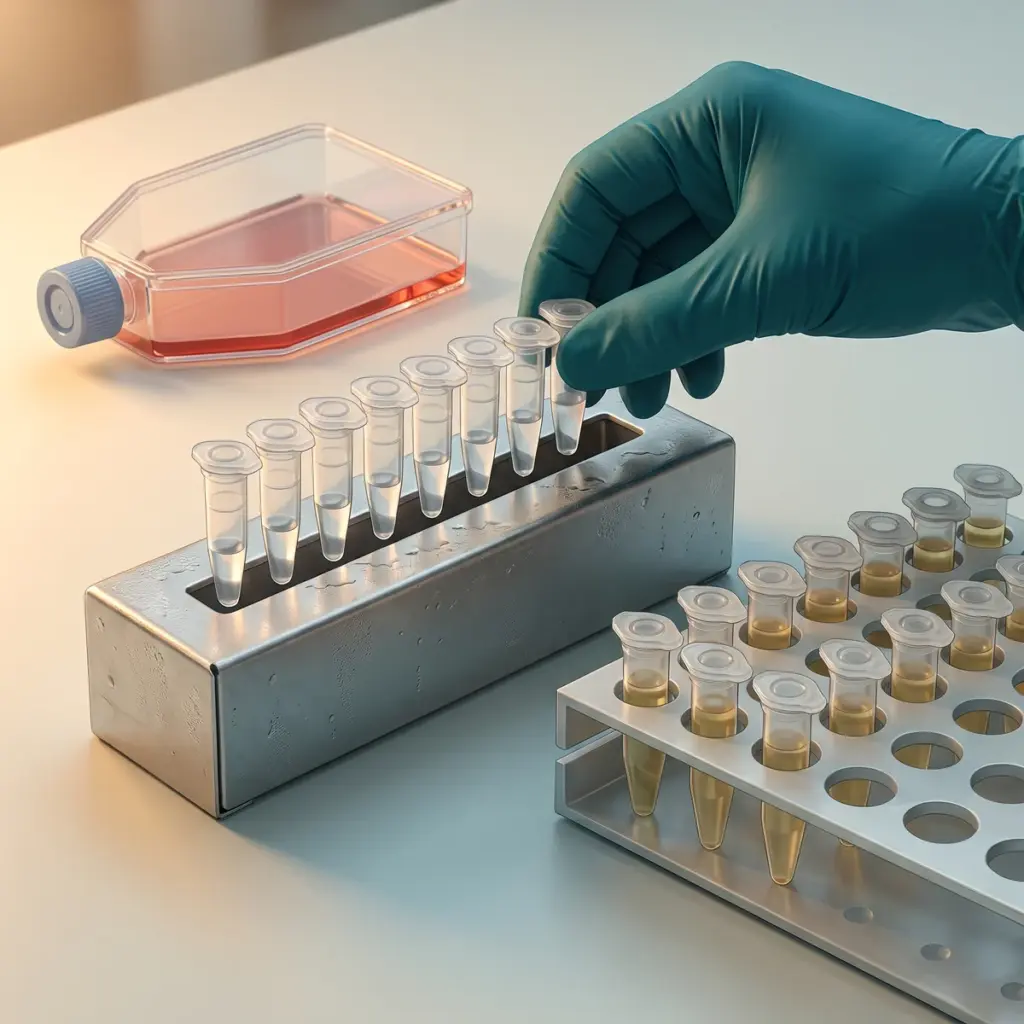
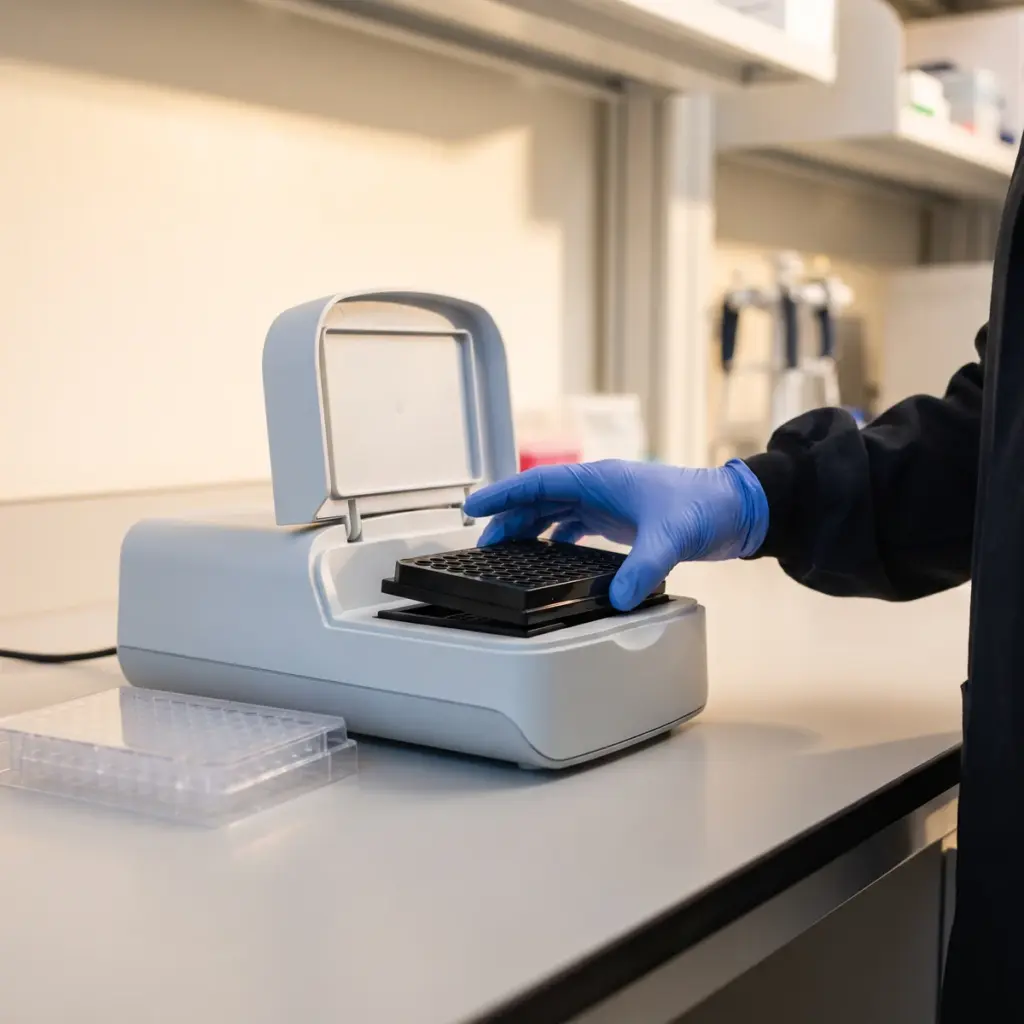
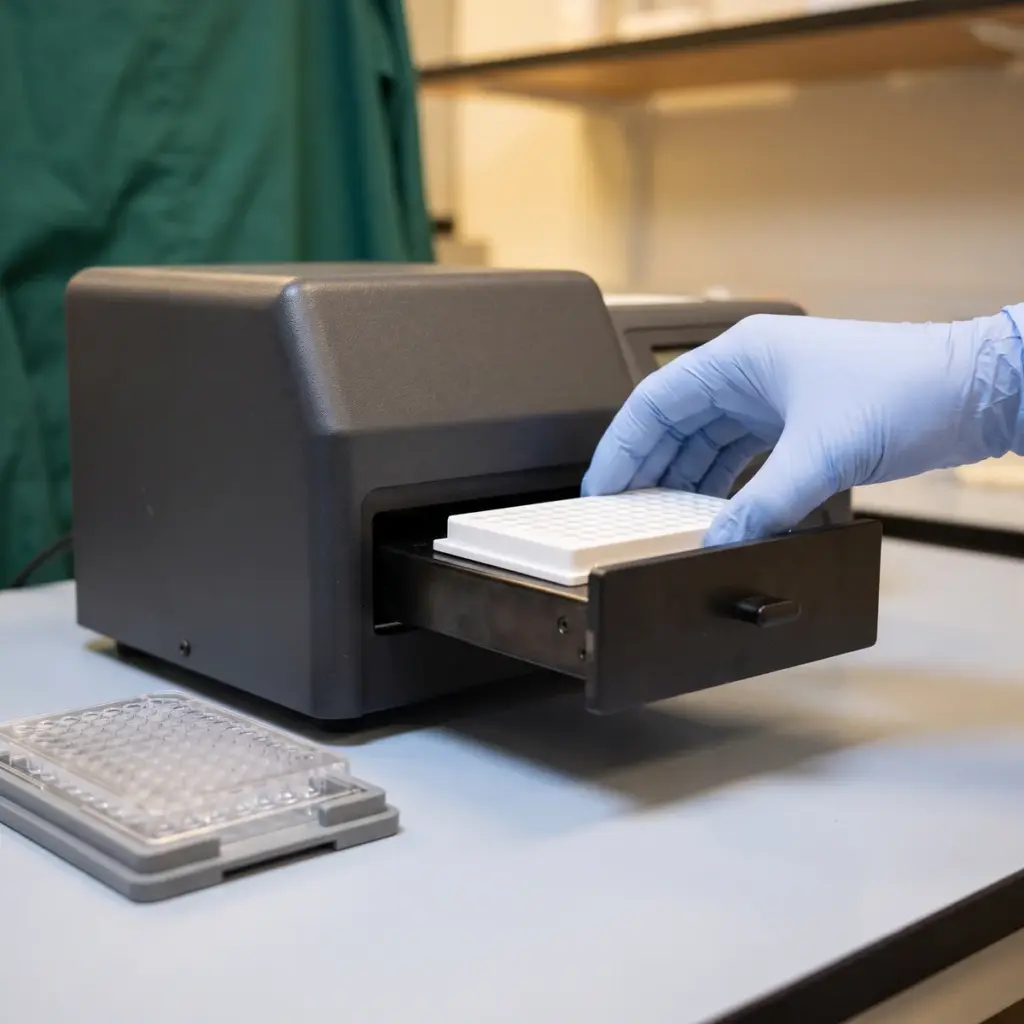
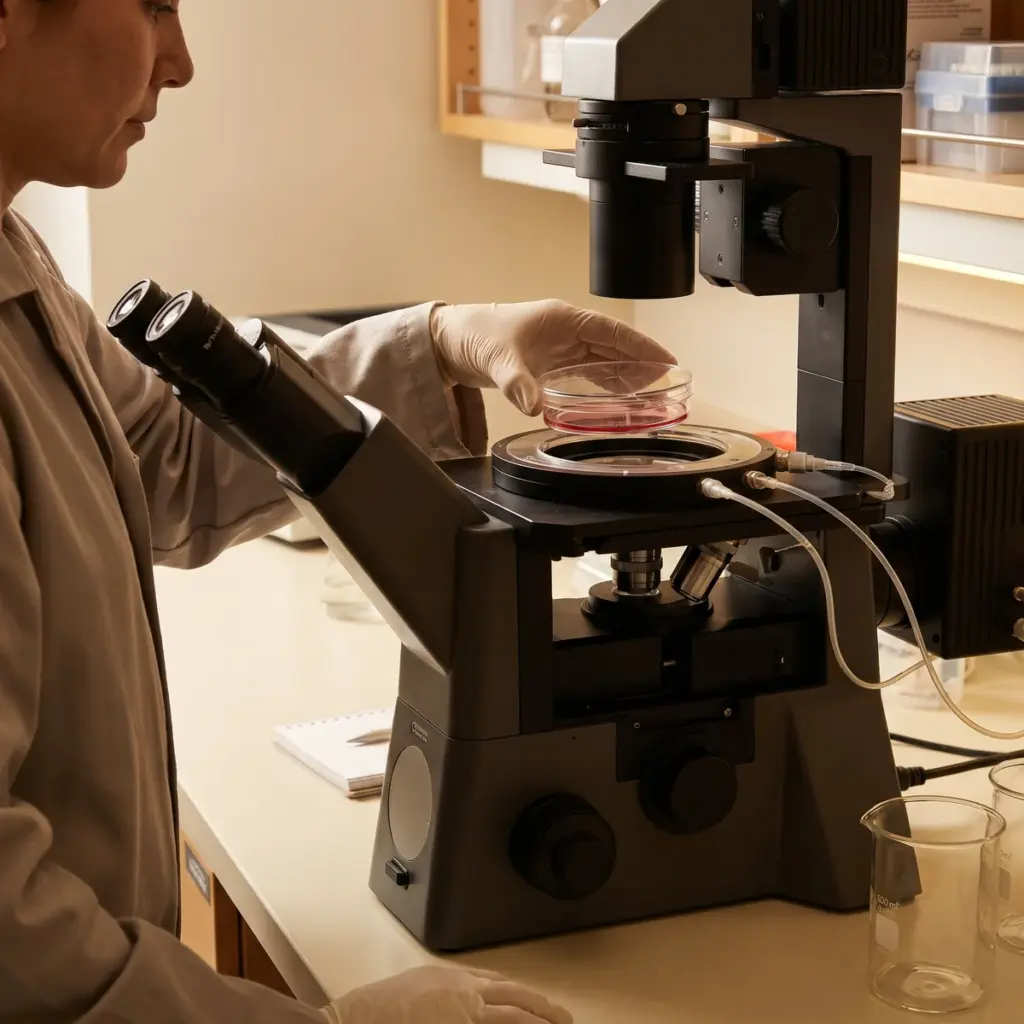
Most studies use cell lines engineered to express the human channel, primary keratinocytes or cultured sensory neurons. Cells are loaded with a calcium-sensitive fluorescent dye, pre-incubated with the test material, then exposed to the agonist. A plate reader or imaging microscope records the rise in intracellular calcium. Patch-clamp electrophysiology measures the ion current through the channel directly and is used to confirm a hit or to study the mode of action in more detail.
Controls and dose-response
Each run includes vehicle, agonist alone and a reference antagonist such as capsazepine for TRPV1. Testing a range of concentrations gives an IC50 value for inhibitors or an EC50 for activators, and a parallel viability assay confirms that the cells were intact.
The report contains concentration-response curves for each subtype tested, the potency value with its statistical spread, the reference antagonist result for comparison, viability data and the raw fluorescence or current files.
Applying TRPV receptors modulation results
Most TRPV work is commissioned by ingredient suppliers building a neurosensory active, or by brands formulating around an ingredient known to sting. In both cases the subtype choice decides how useful the data will be.
Which subtype to test first
For a cleanser, peel or exfoliating serum that stings on application, TRPV1 is the logical starting point because acids and heat act on it directly. Products for skin that feels hot or itchy after sun or exercise may call for TRPV3 alongside TRPV1. TRPV4 is relevant to tightness and discomfort linked to dryness and osmotic change. Testing two or three subtypes in one programme shows whether an active is selective or broad.
Human TRPV channels and agonist potency checks
Ask which expression system is used and whether the channel is the human form. Check that the provider has historical agonist potency data for each subtype, because a stable EC50 for capsaicin or the TRPV3 agonist shows the assay is under control. If your material is coloured or fluorescent, ask how dye interference is excluded, or whether patch clamp is available as a confirmation method.
Next studies in the comfort sequence
A channel result is often followed by a measurement further down the pathway. Substance P release testing shows whether reduced channel activity carries through to lower neuropeptide output, and neurogenic reduction studies follow the signal into the surrounding skin cells.
More in Inflammation & Skin Immunity
Inflammation & Skin Immunity studies measure how an ingredient changes cytokine, neurogenic and innate defence responses in skin cells and tissue models.