Skin soothing, comfort and redness efficacy testing


Skin Comfort Testing overview
Who provides Skin Comfort Testing
Companies providing Skin Comfort Testing
Inside skin soothing and redness efficacy testing
The family splits into volunteer studies of redness and comfort, and laboratory studies of the inflammatory signals behind them. Each answers a different stage of product development.
Redness and comfort studies on volunteers
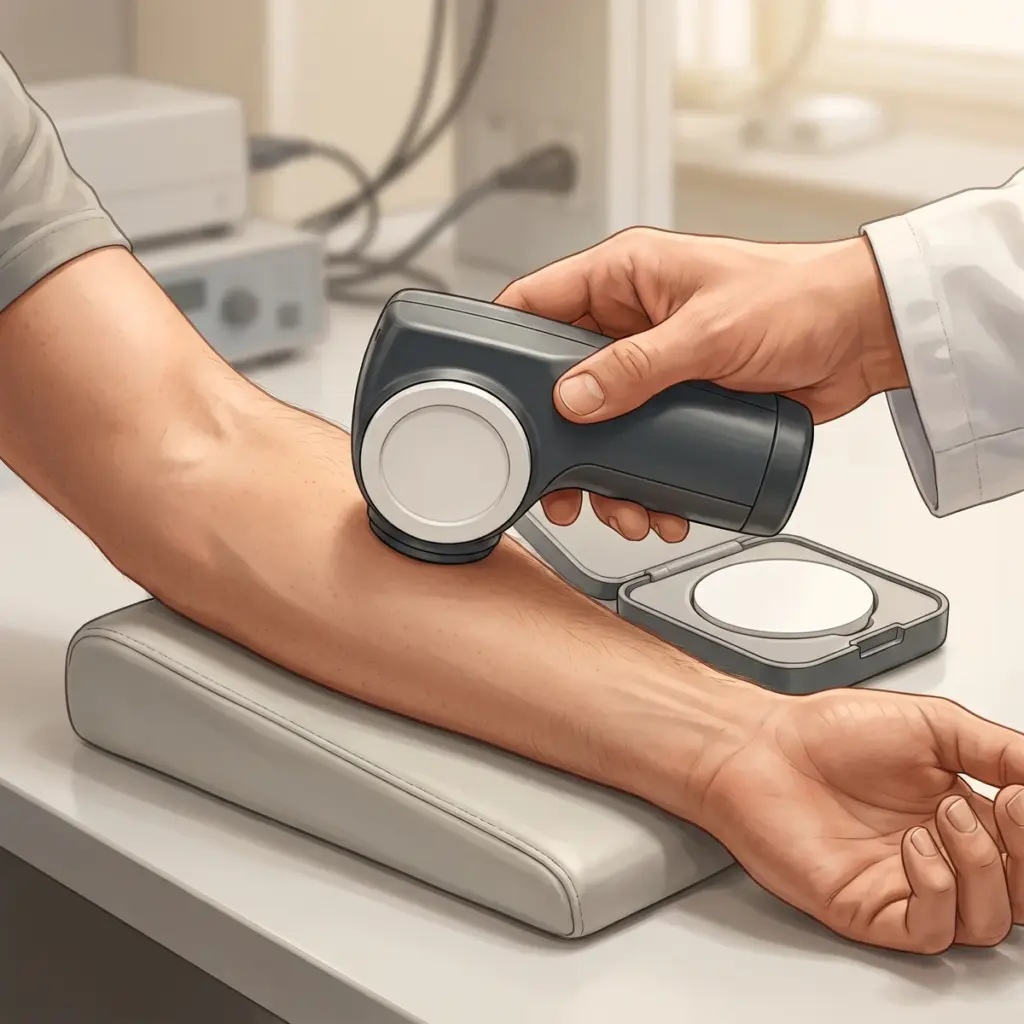
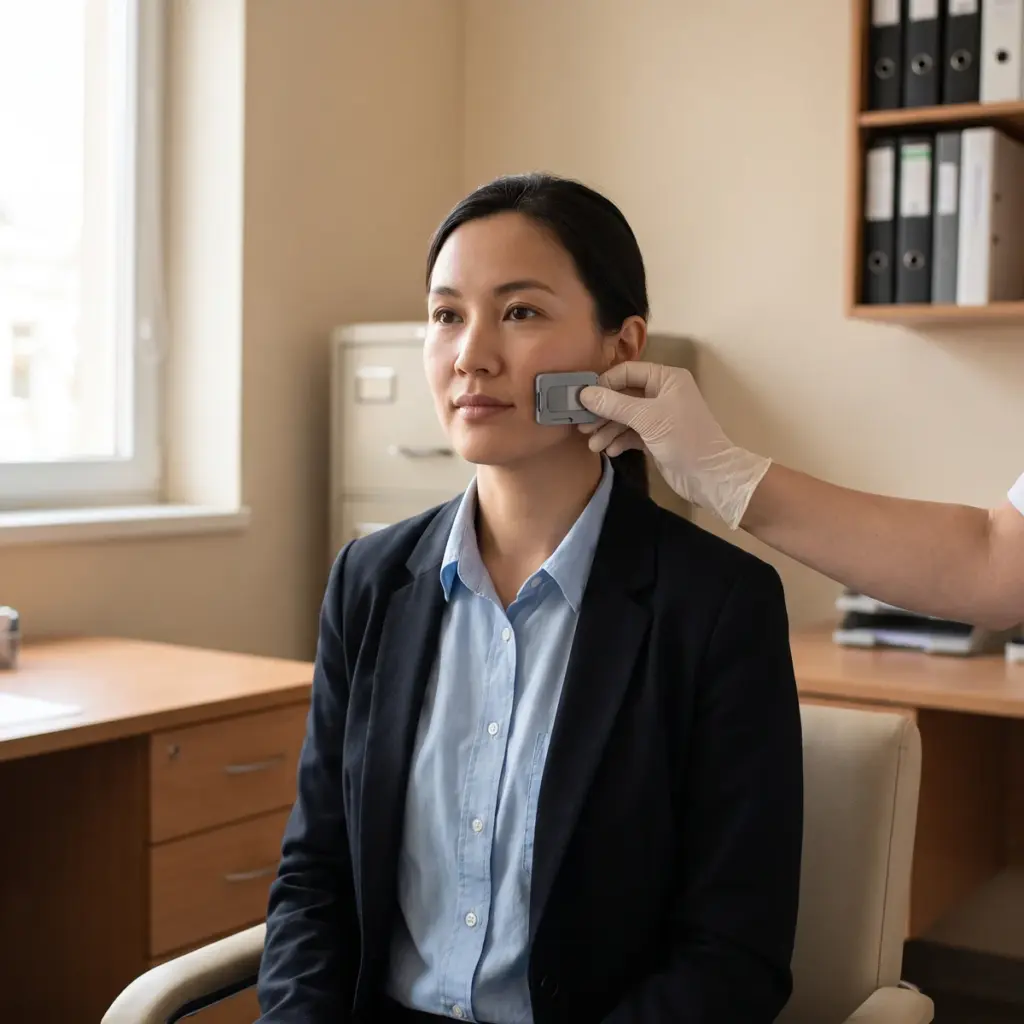
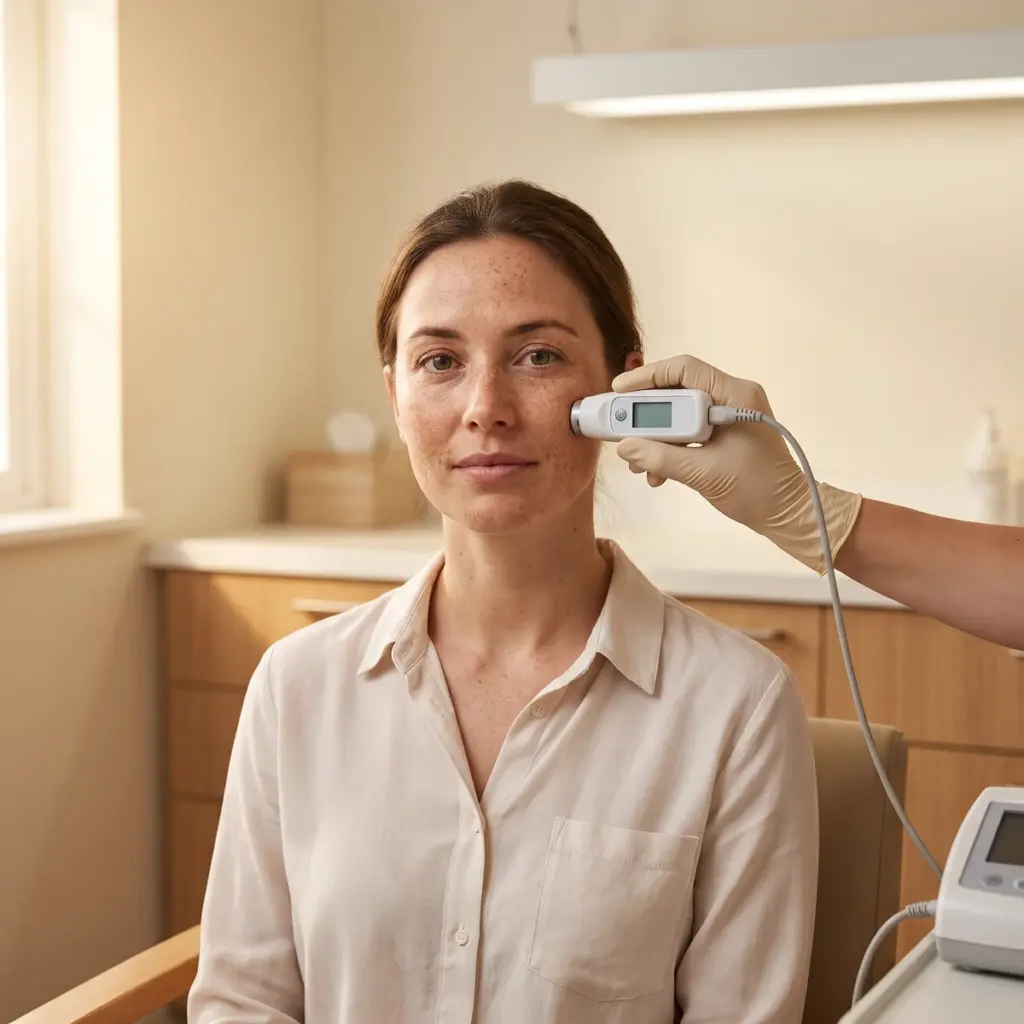
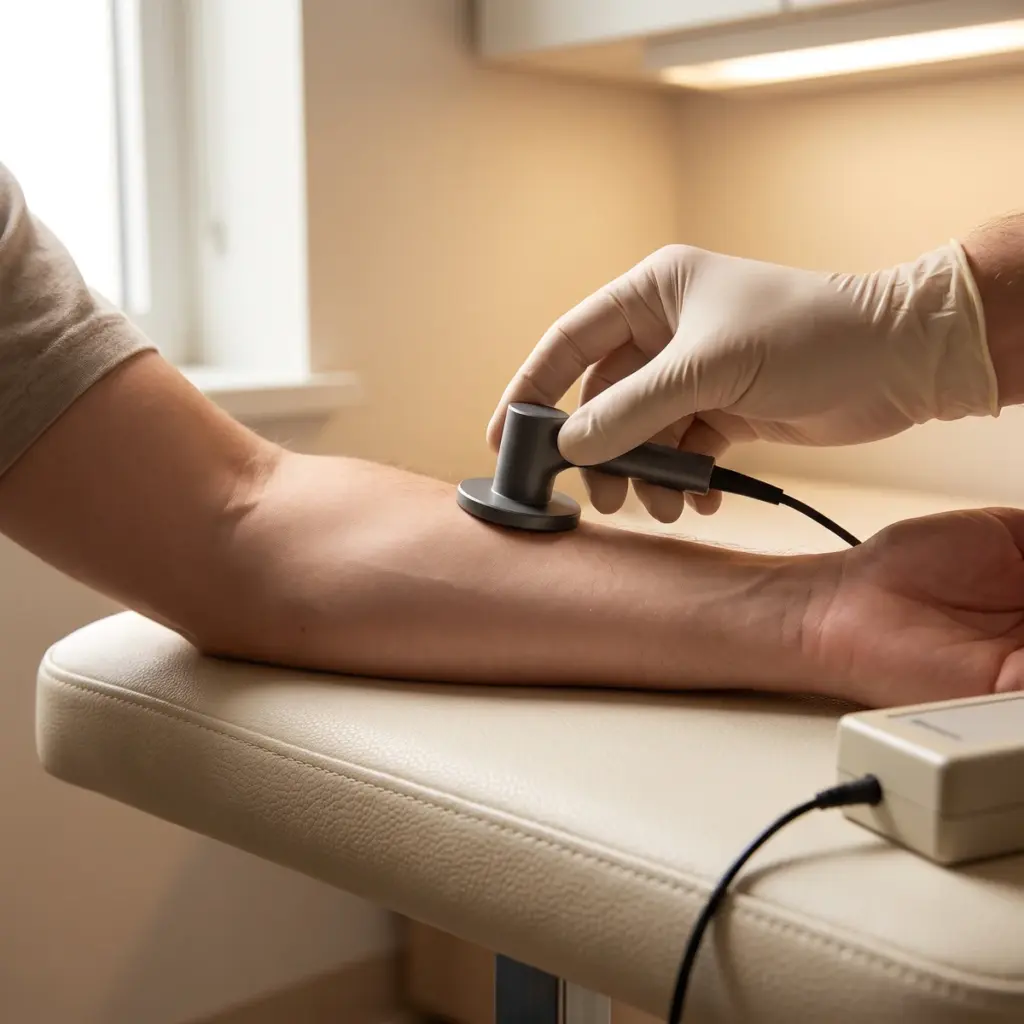
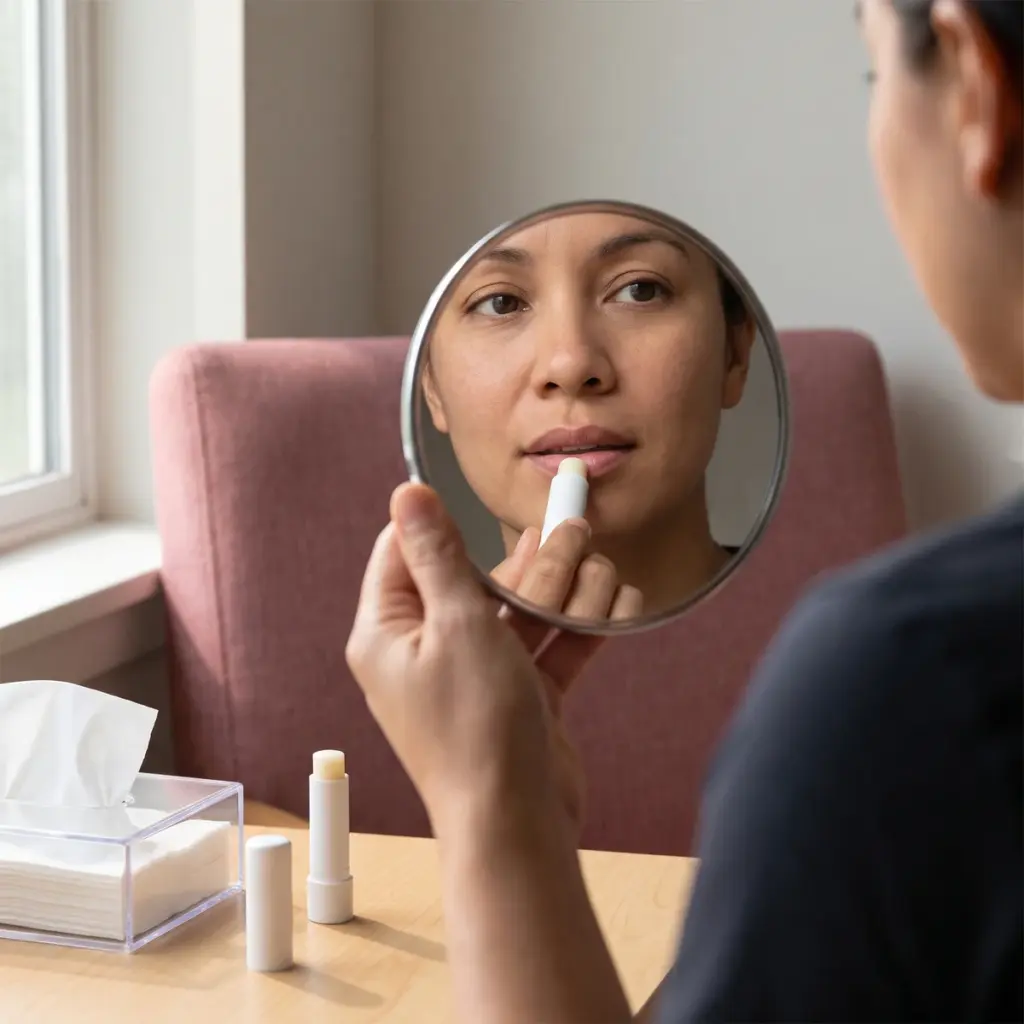
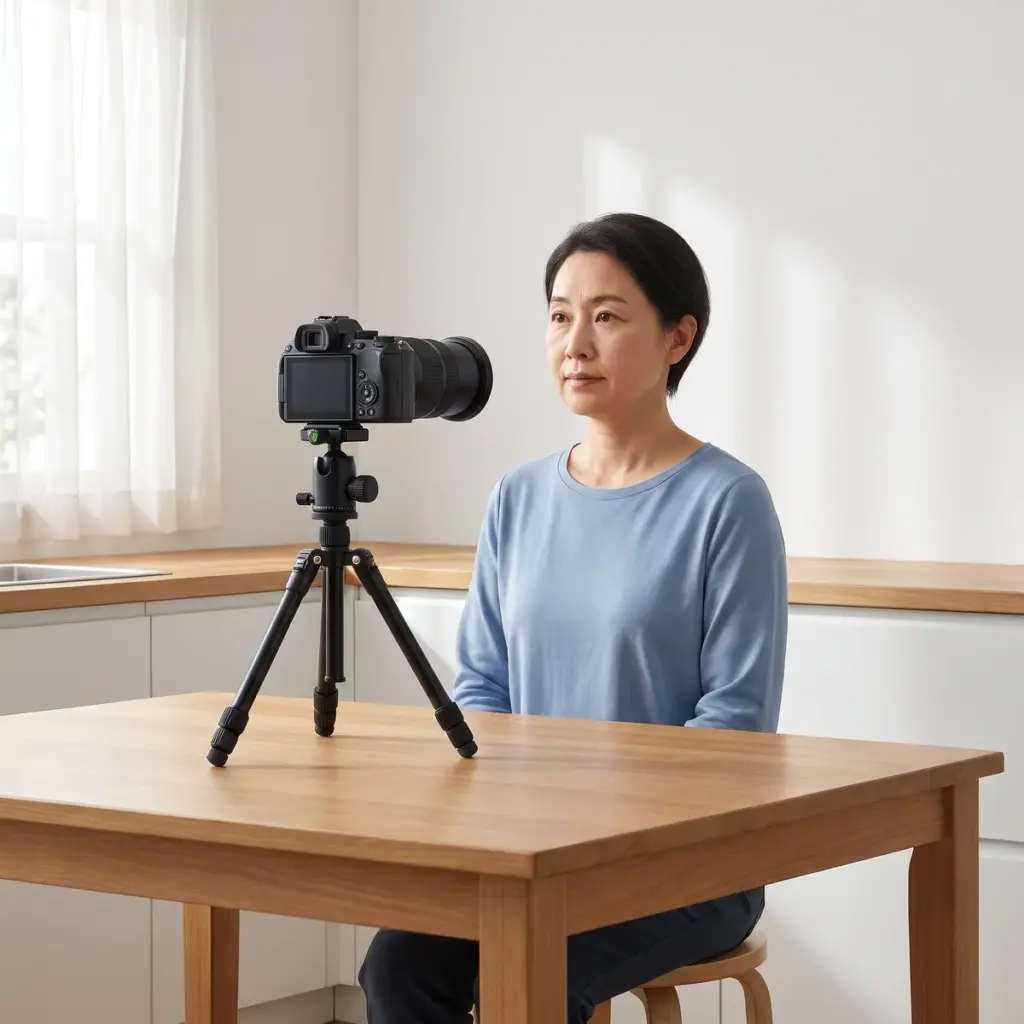
Skin soothing and comfort efficacy testing recruits people who report sensitive skin, often screened with a lactic acid sting test. Redness is measured with a chromameter (the a* value) or an erythema index probe, and documented with cross-polarised imaging. A dermatologist grades redness and dryness on a fixed scale at each visit. Participants score sensations such as stinging, burning and tightness in a questionnaire.
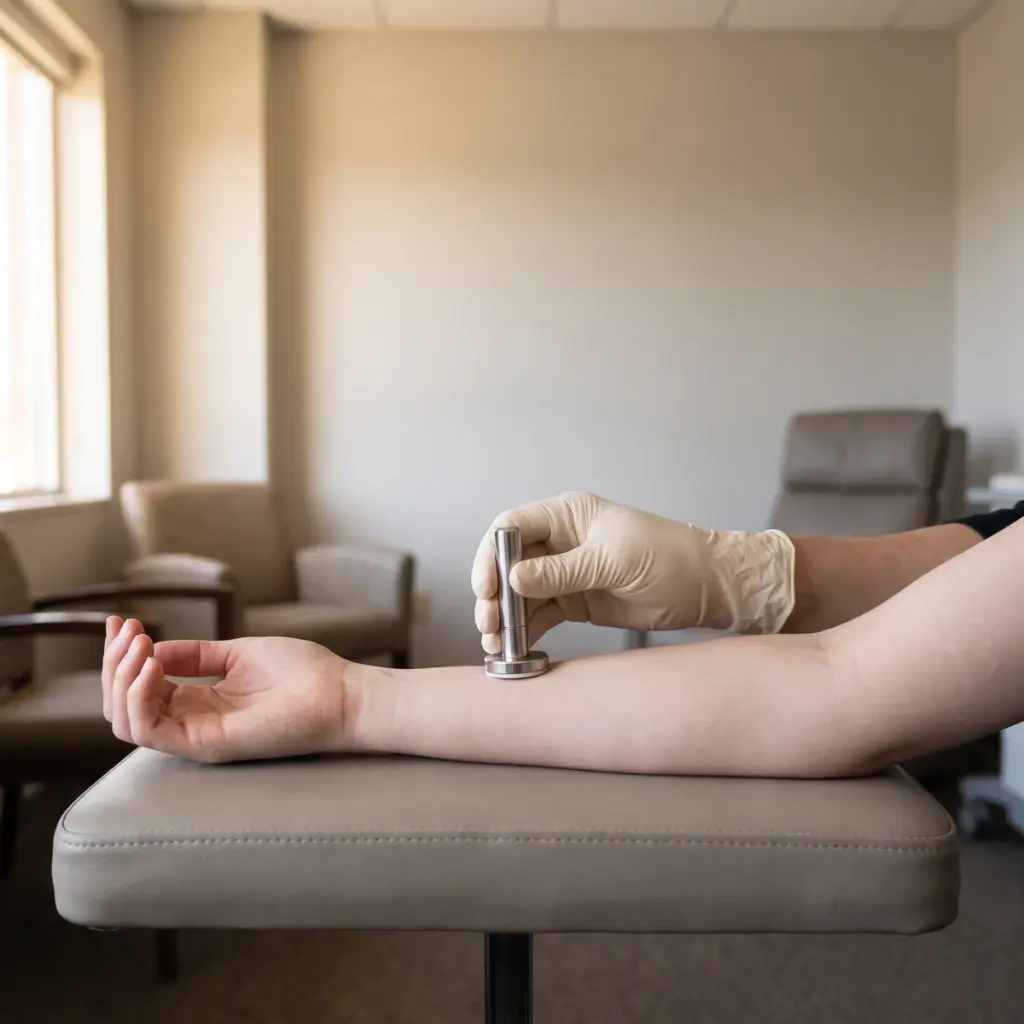
Two designs are common. A repeated-use study follows naturally reactive skin over weeks of application. A challenge study induces mild, temporary redness on the forearm or back, for example with a surfactant patch or a vasodilating agent, then compares how fast it fades on treated and untreated sites.
Inflammation and immunity models
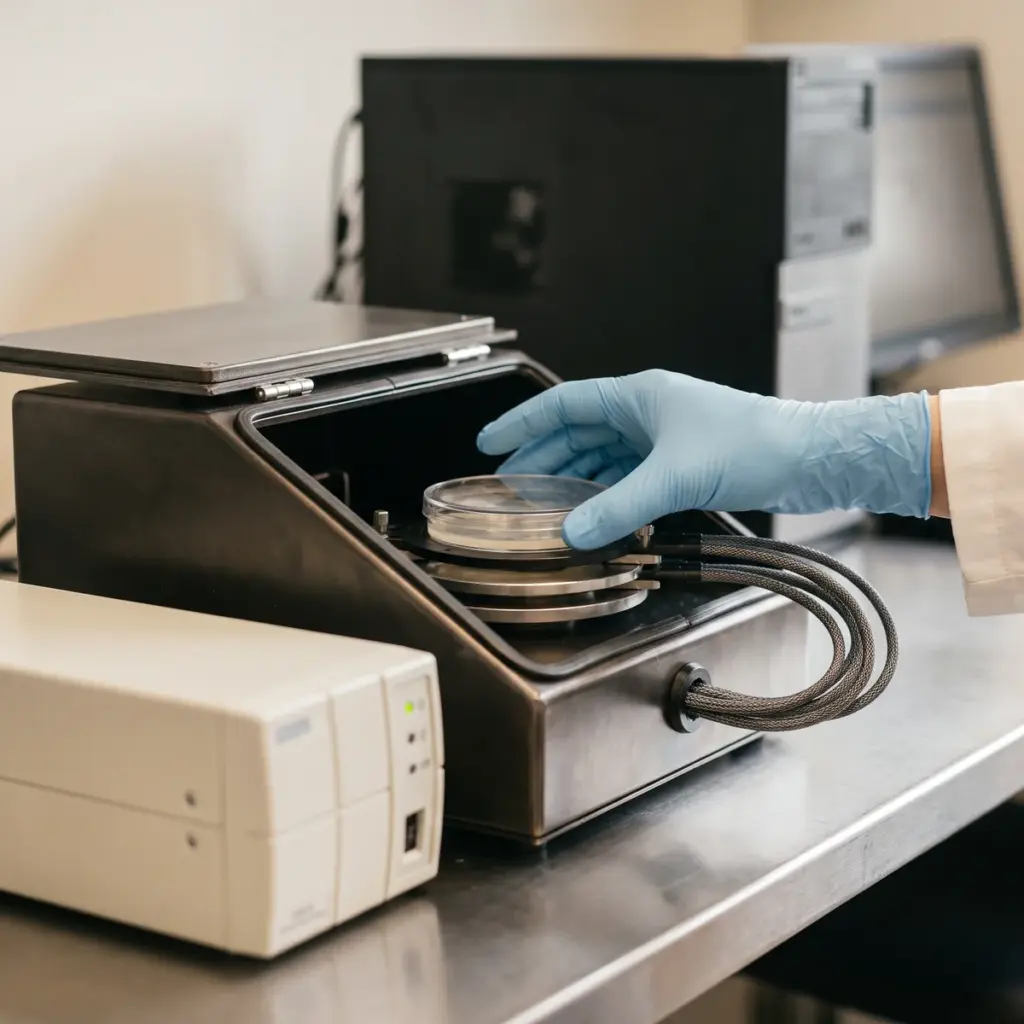
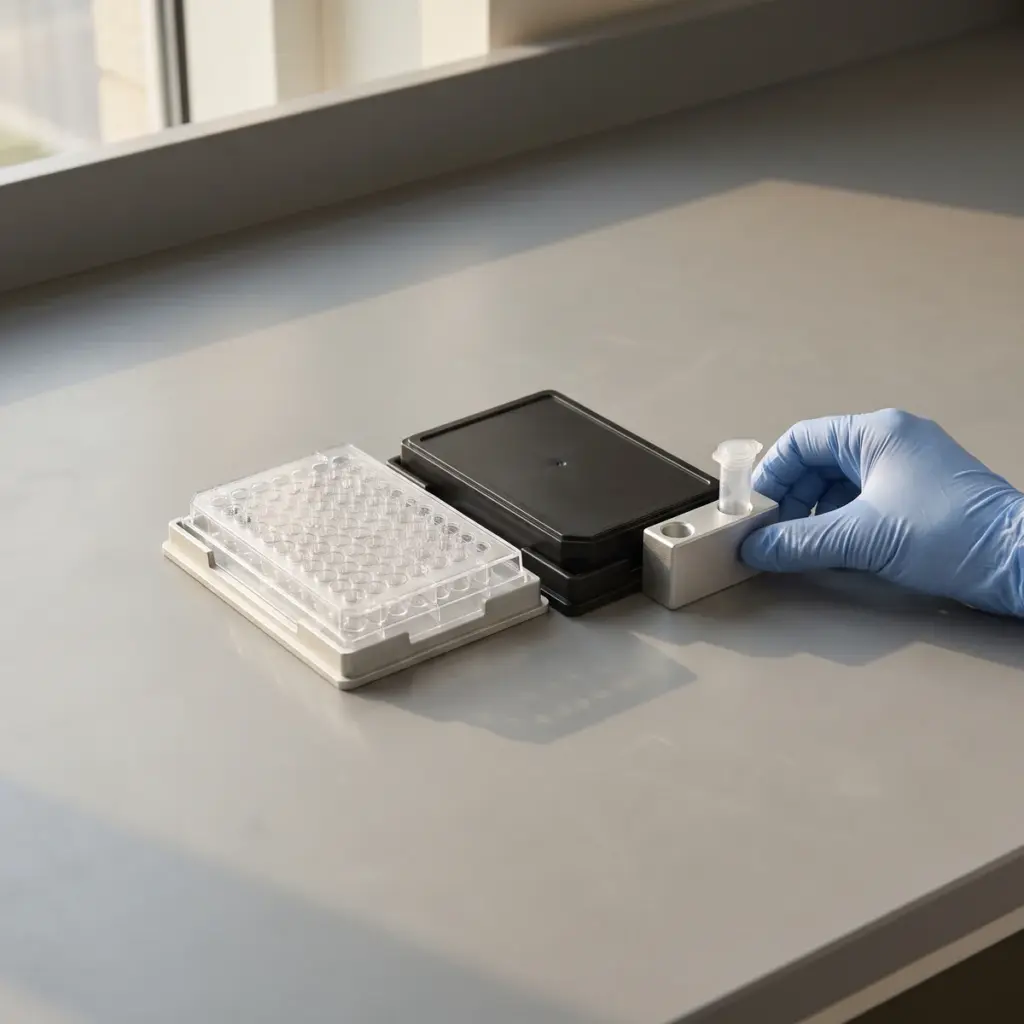
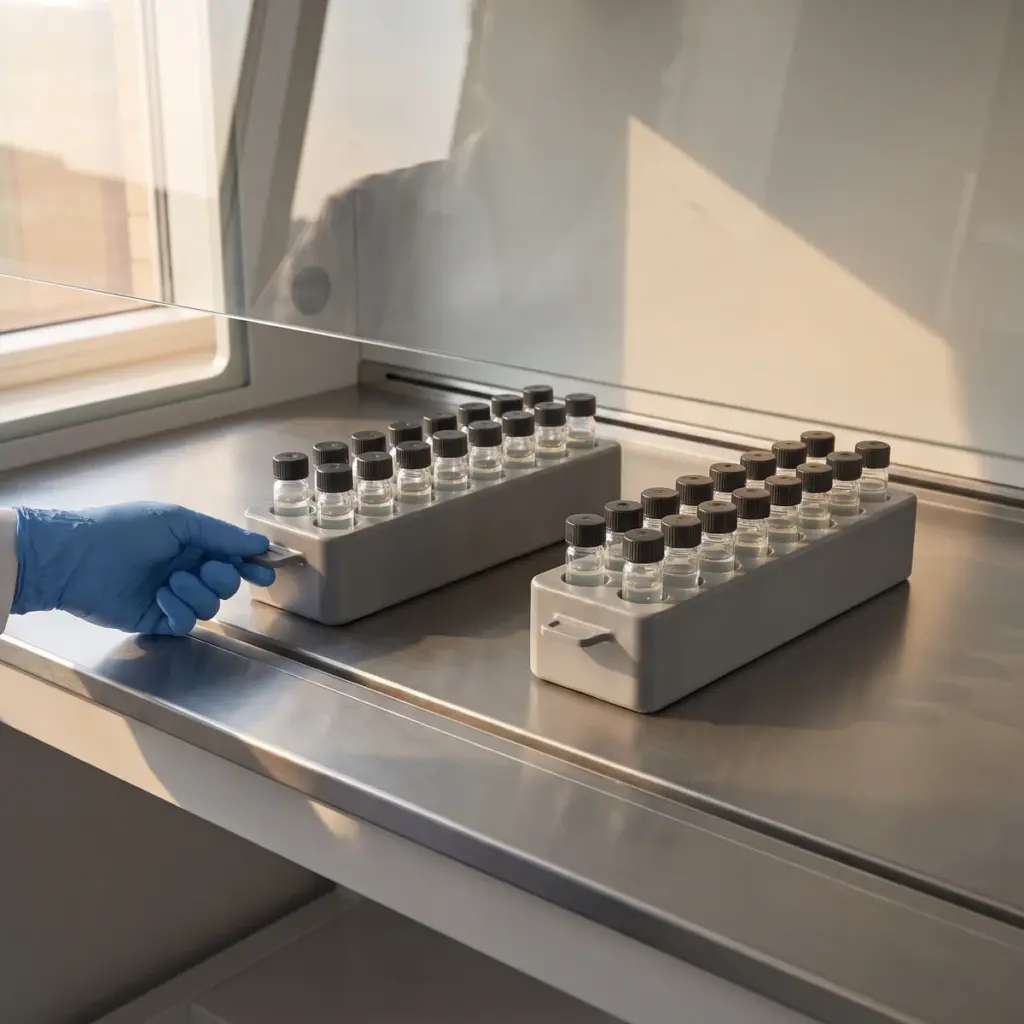
Inflammation and skin immunity studies stimulate keratinocytes, reconstructed epidermis or skin explants with an irritant, UVB or a neuropeptide. ELISA or multiplex assays then quantify IL-1 alpha, IL-6, IL-8, TNF-alpha or prostaglandin E2. Neurogenic models follow sensory receptor activation, and innate defence work tracks antimicrobial peptides.
Redness scores and cytokine marker levels reported
Volunteer studies report mean redness and comfort scores per visit, the change from baseline, statistics against the control and standardised photographs. Laboratory studies report marker levels for each concentration tested against untreated and reference controls.
Services in Skin Comfort Testing
Inflammation & Skin Immunity
Using skin soothing and comfort efficacy testing in development
Soothing projects usually move from a cell assay on the raw material to a volunteer study on the finished formula.
Screening actives before a clinical study
Cytokine assays are fast and use small amounts of material, so they suit the stage where you are choosing between several botanical extracts or deciding a use level. The candidate that lowers IL-8 or PGE2 most at a realistic concentration is the one worth formulating. The finished product then goes into a volunteer study that measures the redness and comfort a customer will notice.
Claims each design supports
A repeated-use study on reactive skin supports wording such as “visibly reduces redness” or “comforts sensitive skin”. A challenge study supports claims about calming skin after shaving, sun or cleansing. Self-assessment data supports perception claims that state the share of users who felt their skin was soothed, with the figure taken from your own results.
Sensitive skin screening and redness instrument questions
Ask how the laboratory defines and screens sensitive skin, which redness instrument it uses and whether the same dermatologist grades every visit. For challenge designs, ask which induction model it has validated. If the product also targets dryness, a combined protocol with skin barrier efficacy testing adds TEWL readings at the same visits.
More in Cosmetic Efficacy Testing
Cosmetic efficacy testing measures what a product or ingredient does for skin, hair, lips or nails, in volunteers or laboratory models, to back claims.