Makeup Wear & Performance Testing overview
Do you provide Makeup Wear & Performance Testing?
How makeup wear and performance studies are run
Recruitment follows the product. A foundation study needs a panel spread across the skin tones of the shade range and often includes oily skin. A mascara study needs contact lens wearers if you plan a claim for them. Volunteers arrive with clean skin, the product is applied in a standard amount, and a baseline image and colour reading are taken before wear begins.
Wear time, fading and smudging
Assessors grade the made-up area at planned intervals across the full period you want to claim, for example at the start of the day and every few hours after. Grading covers fading, creasing, feathering on lips, flaking of mascara and smudging of eyeliner. Volunteers continue their normal day between visits or stay in a controlled room, depending on the protocol.
Resistance challenges
- Transfer onto tissue, fabric or a glass after a defined contact
- Water resistance after controlled immersion or spraying
- Sweat resistance during exercise or time in a warm room
- Wear on oily skin and in set humidity or temperature
Colour and coverage measurements
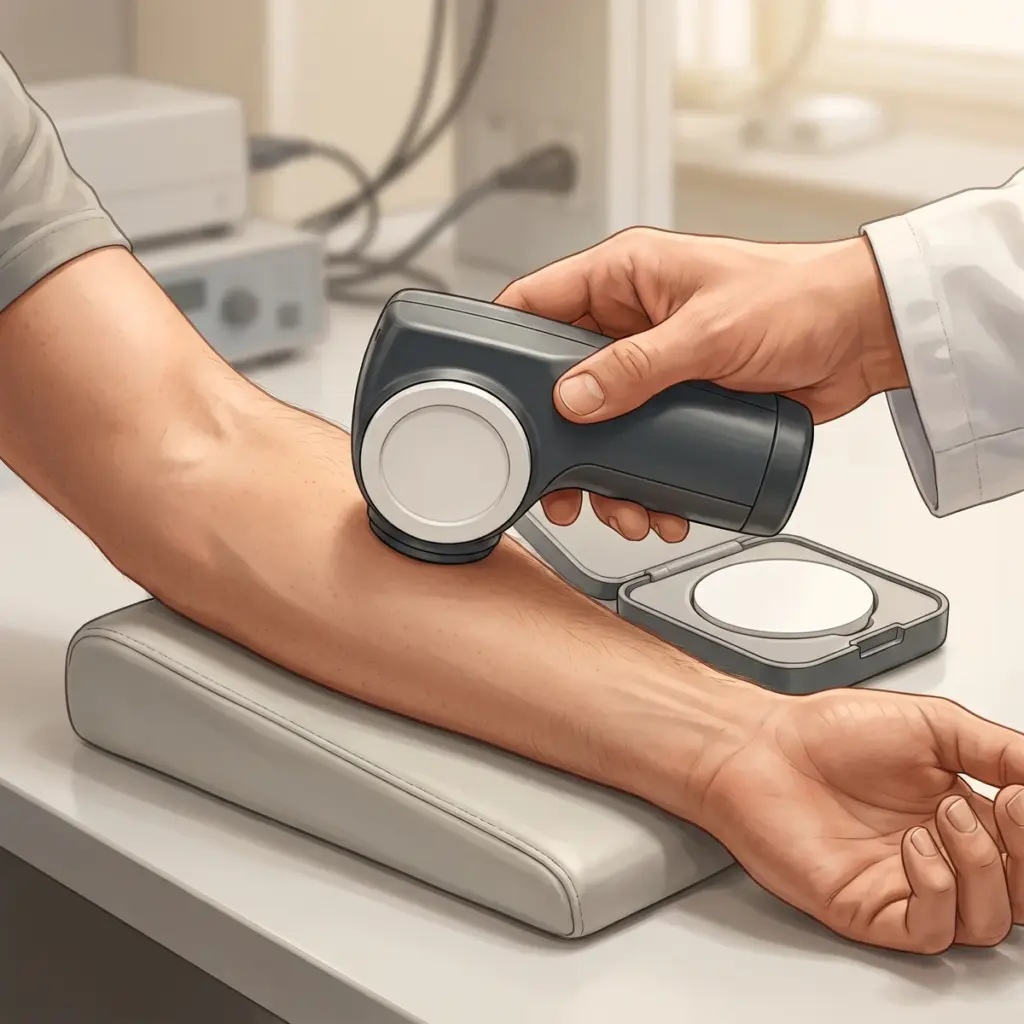
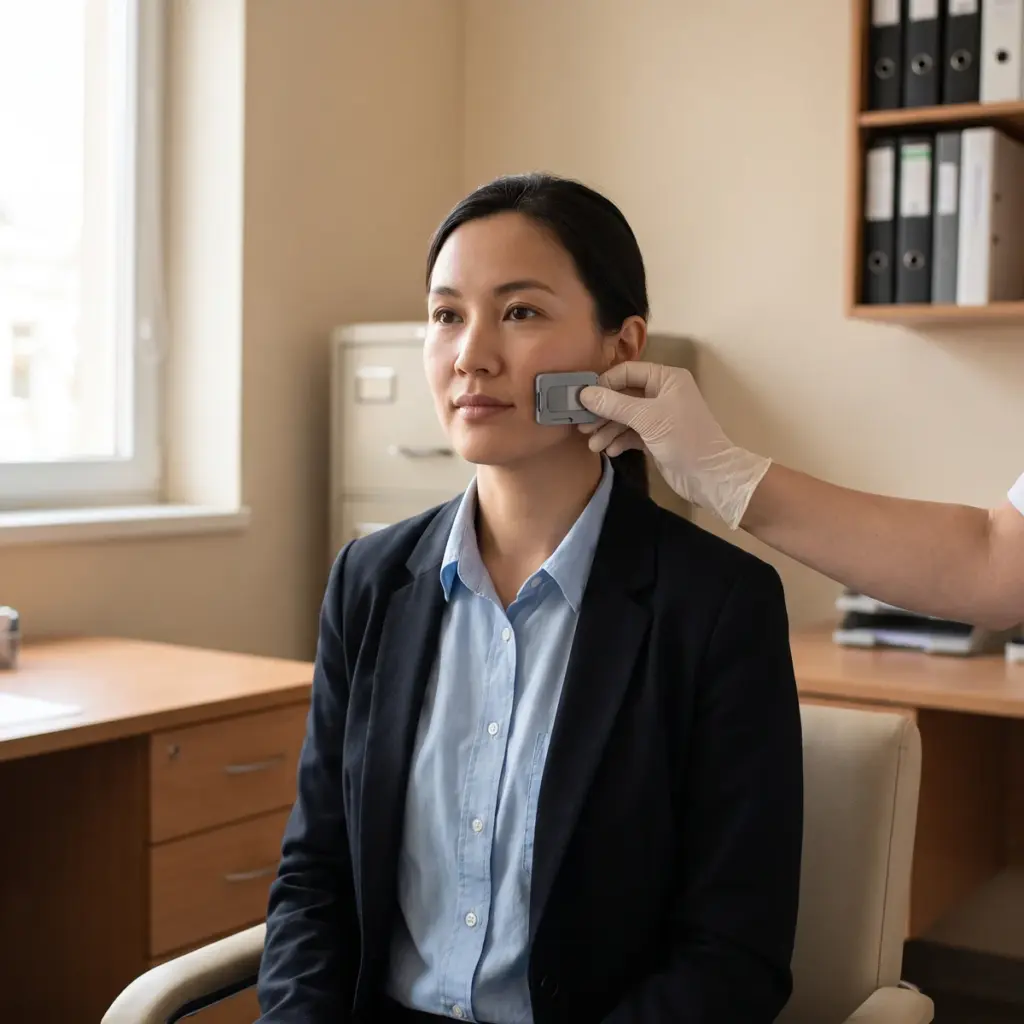
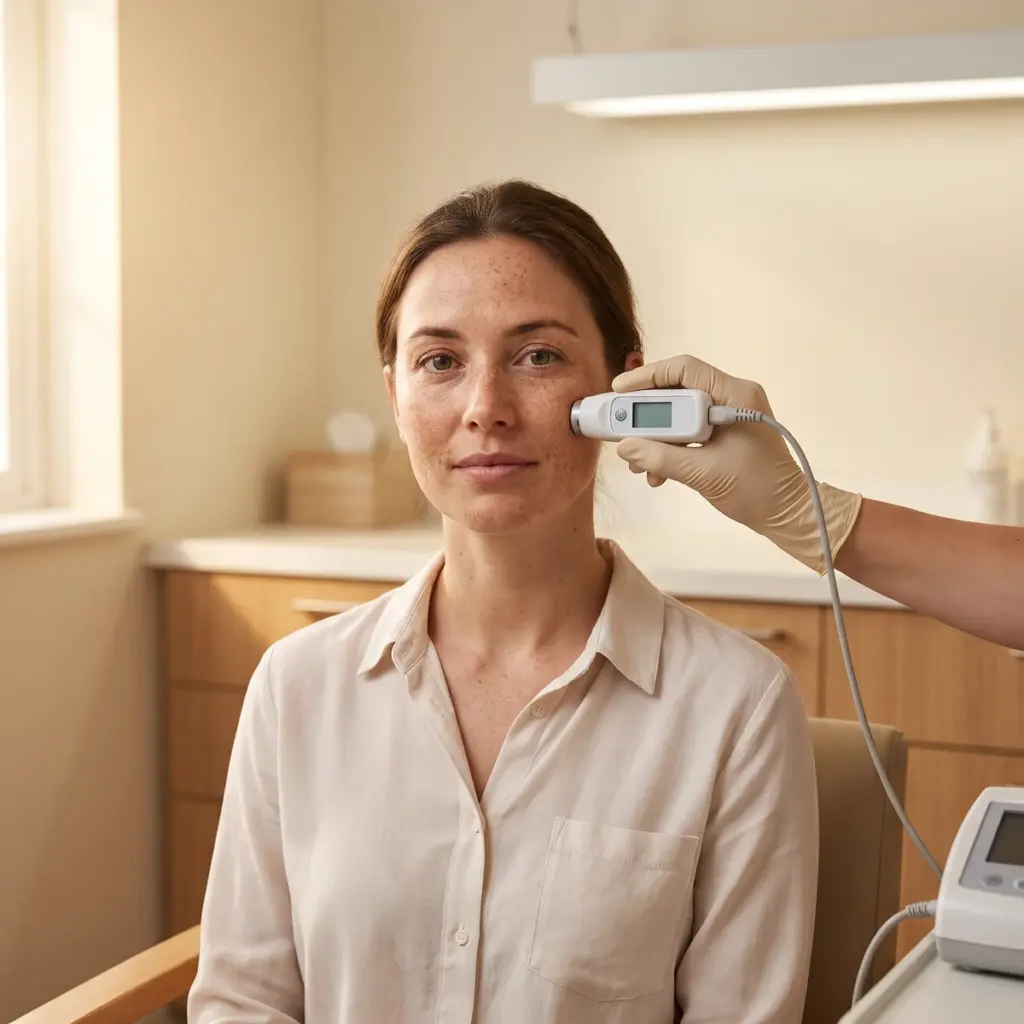
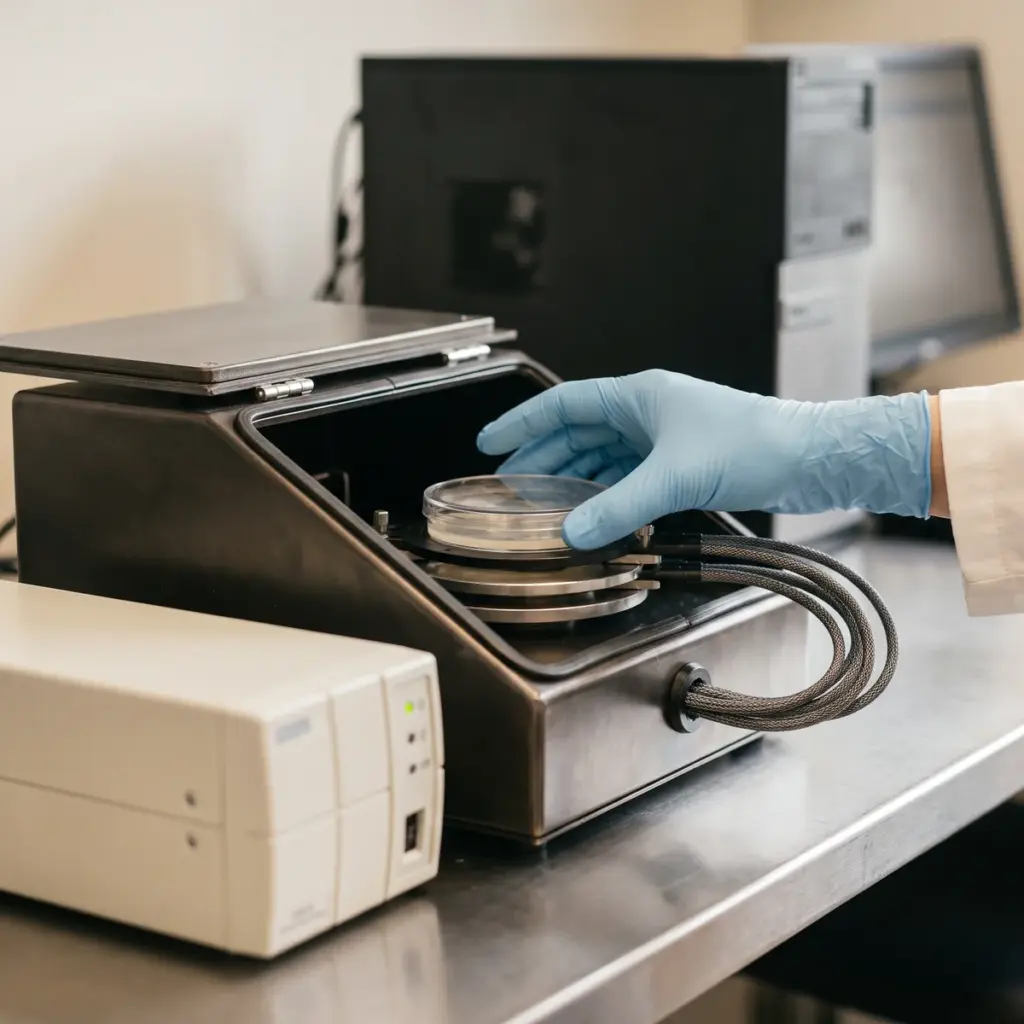
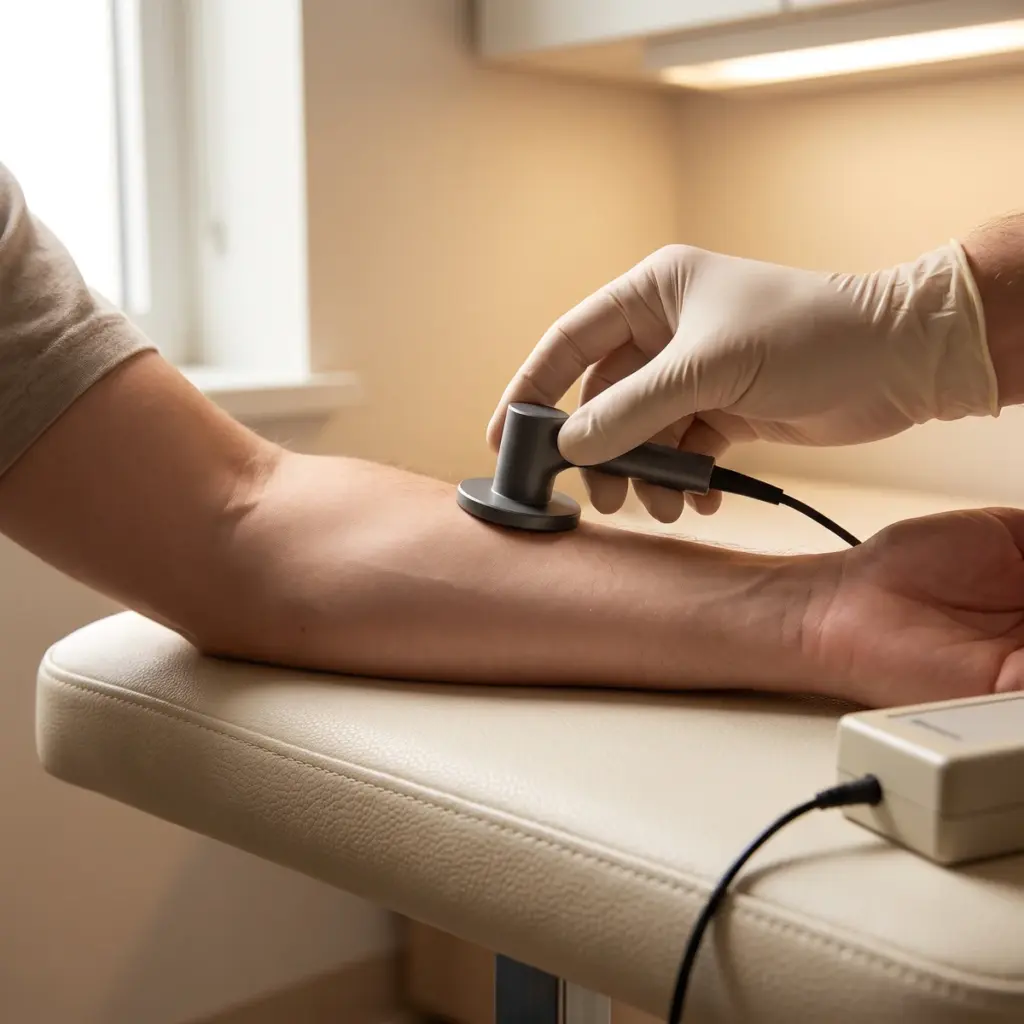
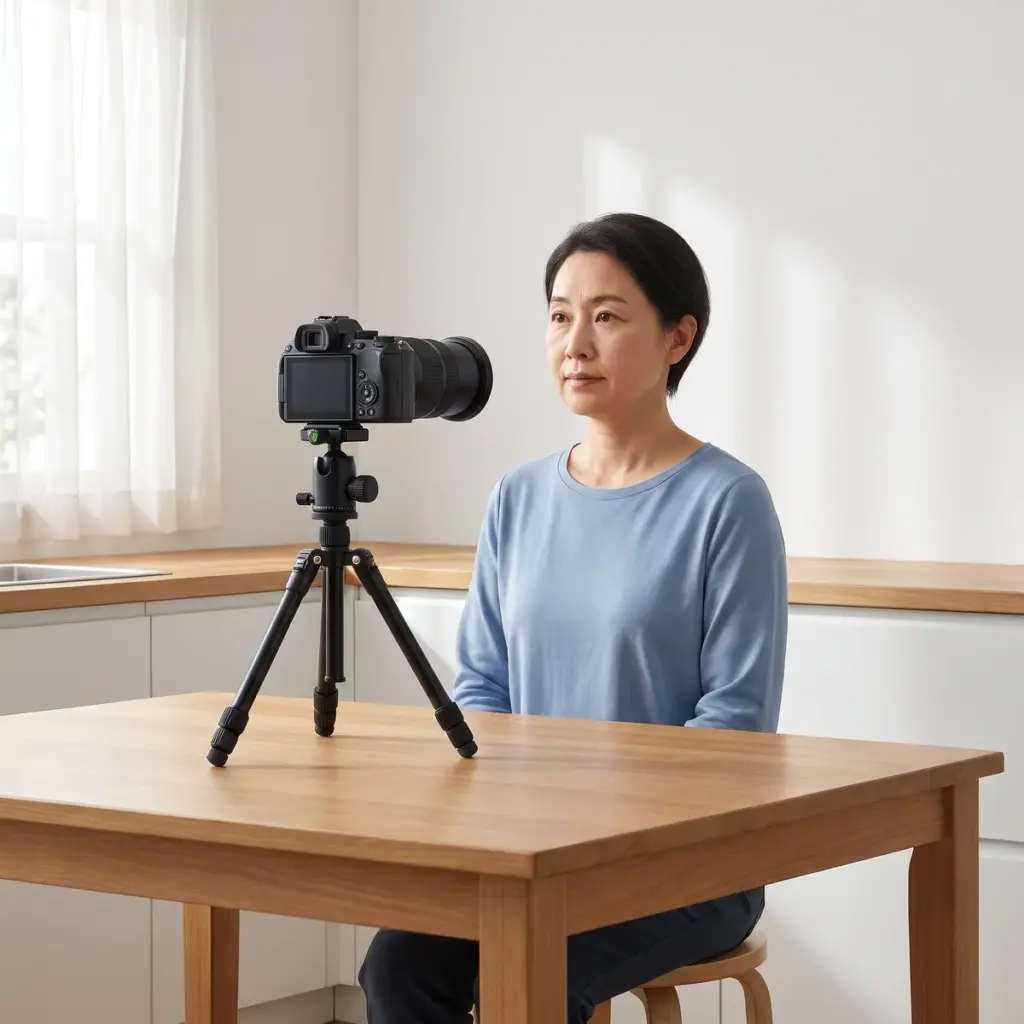
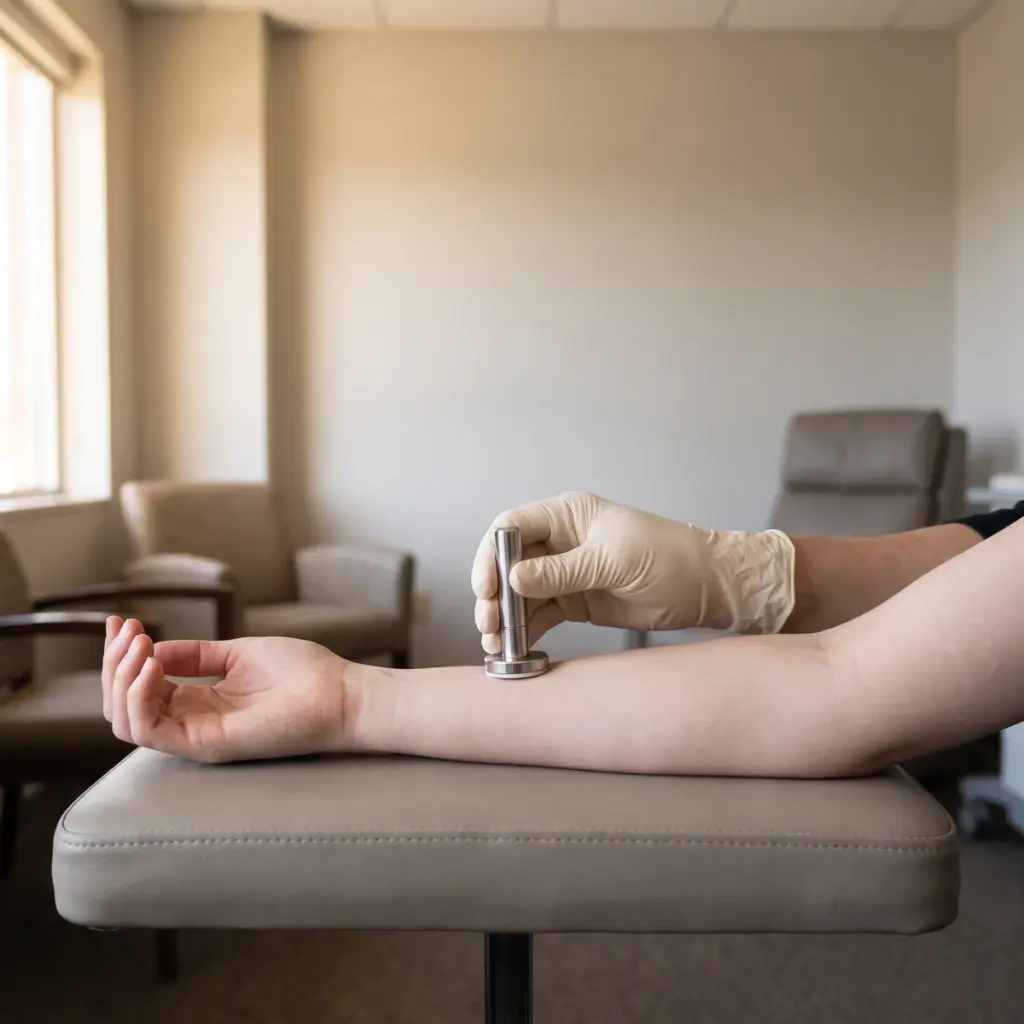
A spectrophotometer or chromameter records colour in L*a*b* values at each visit, and the colour difference from baseline shows how much the shade has shifted. Standardised photography under fixed lighting documents coverage and evenness. Expert grading of coverage can be run on each skin tone in the panel.
Volunteer experience
Questionnaires collect ease of application, blendability, colour payoff, comfort, dryness and ease of removal. You receive a report with the protocol, the scores at each time point, colour data, photographs, questionnaire results and the statistical analysis behind each claim.
Getting claims from Makeup Wear & Performance Testing
Colour cosmetics compete on wear claims, and retailers increasingly ask for the study behind them before listing a product.
Writing the claim before the protocol
The claim fixes the design. An all-day wear statement needs observations that span the full day you name. A transfer-proof lipstick needs a defined contact test. A smudge-proof eyeliner may need a heat and humidity challenge. Bring the exact wording to the provider at the start, and the protocol can be built to cover it without extra study arms.
Combining with other efficacy work
Foundations and primers often promise oil control or a matte finish across the day. Shine and sebum readings from sebum control testing can be taken on the same volunteers at the same visits. Skincare-infused makeup that claims hydration can add corneometer readings from hydration barrier testing. Eye products used by sensitive or lens-wearing consumers can include an ophthalmologist-supervised tolerance assessment in the same panel.
What sets a good makeup testing laboratory apart
Ask how many skin tones the volunteer pool covers, whether colour measurement and photography use calibrated lighting, and whether assessors are trained on makeup-specific grading scales. Climate-controlled rooms make sweat and humidity results repeatable from one study to the next.
More in Cosmetic Efficacy Testing
Cosmetic efficacy testing measures what a product or ingredient does for skin, hair, lips or nails, in volunteers or laboratory models, to back claims.