TLR modulation overview
Do you provide TLR modulation?
How TLR modulation testing identifies receptor activity
Toll-like receptors are sensors on the surface of skin and immune cells, and within their endosomes. TLR2, working with TLR1 or TLR6, recognises bacterial lipoproteins. TLR4 recognises lipopolysaccharide from Gram-negative bacteria. TLR3 detects double-stranded RNA and TLR5 detects flagellin. Human keratinocytes express several of these receptors, so they respond directly to microbes living on the skin surface.
Reporter cell screening
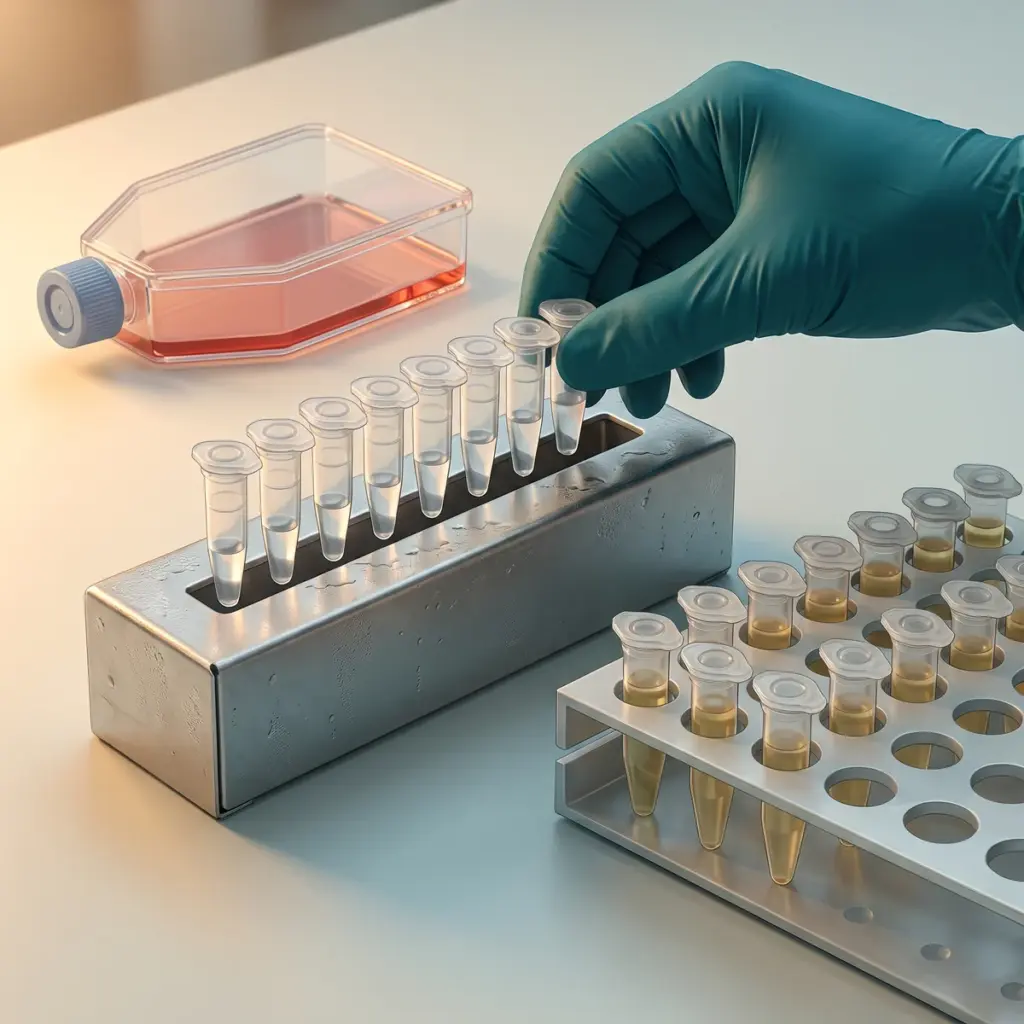
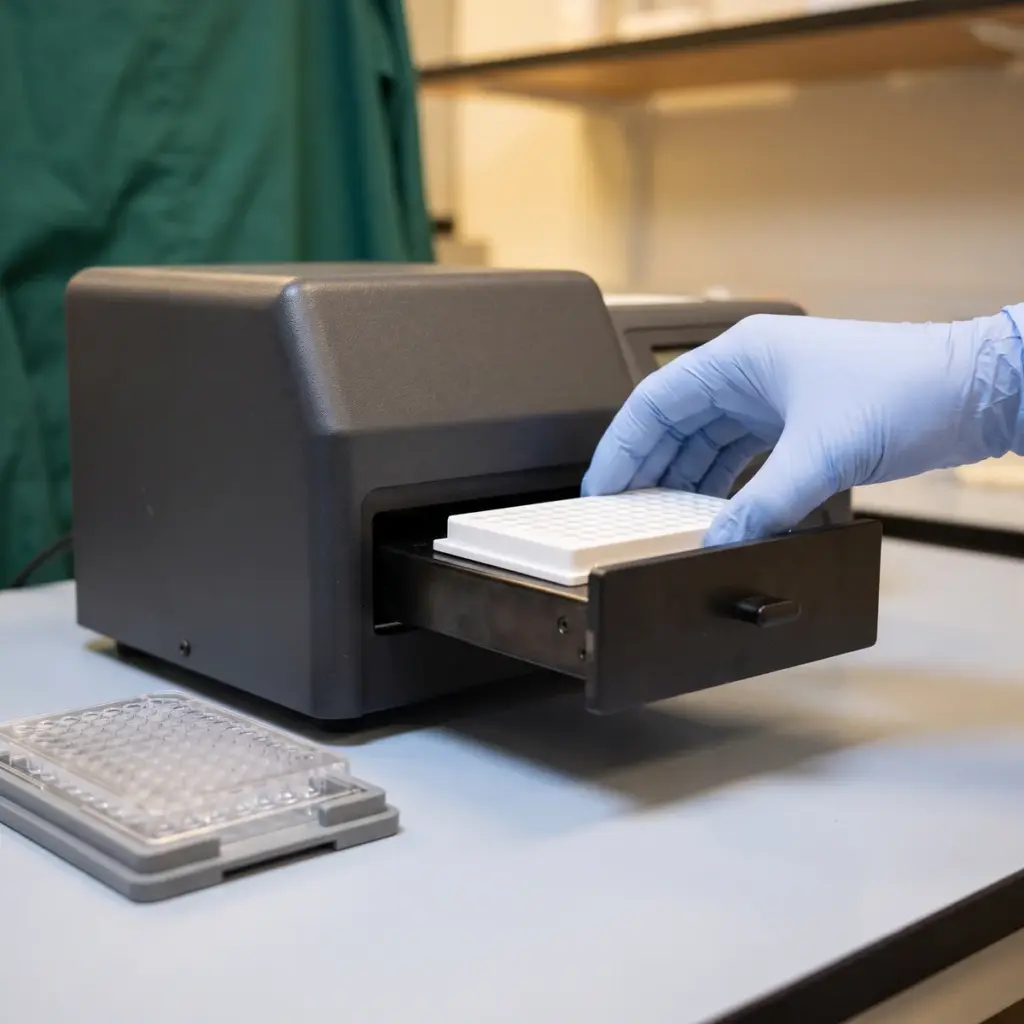
The standard first step uses HEK293 cells engineered to express one human TLR together with an NF-κB-inducible reporter gene, often secreted alkaline phosphatase. A colour change in the culture medium shows receptor activation. Running the ingredient across a panel of receptors gives a selectivity profile in a single experiment.
Agonist and antagonist modes
In agonist mode the material is added alone. In antagonist mode it is added with a reference ligand: Pam3CSK4 for TLR2/1, lipopolysaccharide for TLR4, poly(I:C) for TLR3. A reduced signal compared with the ligand alone shows inhibition, and a parallel viability read confirms the cells are healthy.
Confirmation in skin cells
Normal human keratinocytes or reconstructed epidermis are treated under the same conditions. IL-6, IL-8 and TNF-α release, TLR gene expression and antimicrobial peptide output show whether the receptor effect carries over into a skin cell.
The report gives activation or inhibition values per receptor, dose-response curves, keratinocyte confirmation data and raw files.
Applications of TLR modulation data in ingredient development
TLR data answers a narrow question with precision: which receptor responds to your material. That precision is what makes it useful in the projects below.
Characterising microbial and fermented ingredients
Lysates, ferments and postbiotics contain fragments of cell walls and nucleic acids that TLRs are built to detect. A TLR panel tells you which receptor drives the activity, for example TLR2 for a Gram-positive lysate. That gives your technical data sheet a named mechanism and lets you compare production batches on a functional basis.
Calming claims and endotoxin checks
For a soothing active, antagonist-mode data shows that it reduces the response to a microbial trigger. The same panel also works as a quality check. Plant extracts and fermentation products can carry endotoxin. A TLR4 signal in agonist mode flags it before it appears as unwanted cytokine release in a later efficacy study.
TLR reporter panel and null cell line controls
Ask which receptors are on the reporter panel and whether the cells express the human or murine receptor. Check that the laboratory runs a null cell line without the TLR, since this rules out reporter activation through another route. For coloured or turbid materials, ask how optical interference with the colorimetric readout is handled. Laboratories that also offer innate response activation panels can extend the study into a full keratinocyte profile.
More in Inflammation & Skin Immunity
Inflammation & Skin Immunity studies measure how an ingredient changes cytokine, neurogenic and innate defence responses in skin cells and tissue models.