Inflammaging overview
Do you provide Inflammaging?
Inflammaging testing in skin models
Inflammaging is the slow, steady rise in inflammatory signalling that comes with age and with repeated environmental stress. In skin it is linked to collagen loss, senescent cells and oxidative damage. Testing looks at how your ingredient changes these connected processes. Senescent cells are a large part of the mechanism, because they release a steady mix of cytokines and matrix-degrading enzymes known as the senescence-associated secretory phenotype.
Markers and endpoints
Cell-culture studies compare IL-1β, TNF-α and IL-6 with and without the test material. Depending on the claim, the laboratory adds markers that tie inflammation to other ageing processes.
- Pro-inflammatory cytokine expression or release
- Antioxidant enzyme activity
- Cellular senescence markers
- DNA damage and repair endpoints
- Collagen and elastin-related changes
Stress models
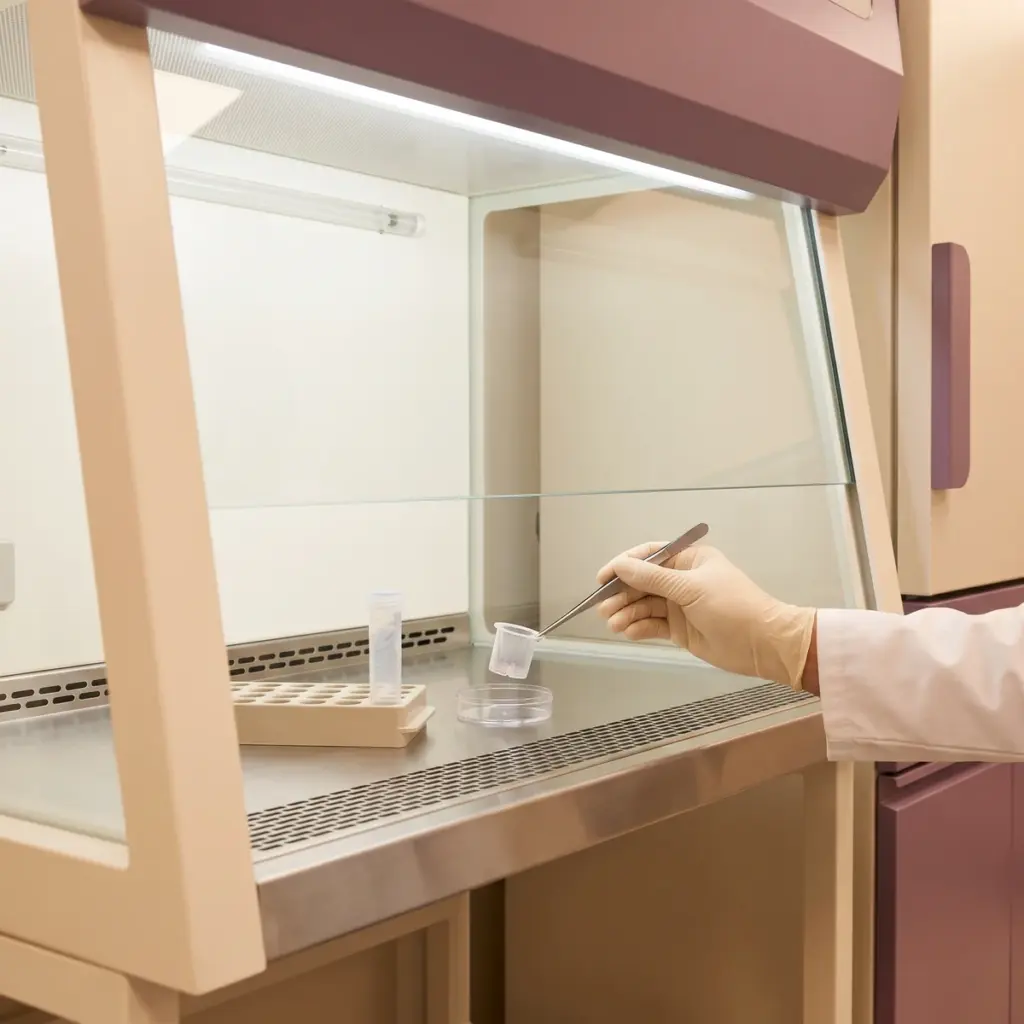
Reconstructed skin and fibroblast or keratinocyte cultures can be exposed to UV, pollution particles or chemical irritants to mimic everyday stress. Repeated or prolonged exposure and senescent-cell models bring the setup closer to chronic conditions. Time-course sampling shows how fibroblast activity and matrix markers follow the inflammatory signal. MMP-1 release and procollagen levels are common readouts on the matrix side.
Inflammatory, senescence and matrix marker data reported
The report names the model, the stress, the concentrations and the endpoints, and gives marker data with viability results. It explains how the inflammatory changes relate to oxidative, senescence and matrix findings, which gives you a mechanistic basis for an anti-ageing positioning.
Building an anti-ageing case with inflammaging data
Inflammaging gives an anti-ageing active a biological rationale that connects stress, inflammation and matrix loss, which is useful in both ingredient marketing and claim planning.
Choosing the stress
Match the challenge to the product’s positioning. A daily defence cream suits a pollution or repeated low-dose UV model. A night repair product may fit a senescence model better. Tell the laboratory the claim you have in mind, and it can select a stress and a time course that test it directly.
Linking to other studies
Inflammaging data shows the biology beneath visible ageing. To move from mechanism to appearance, plan a volunteer study measuring wrinkles, firmness or radiance on the finished product. For a deeper look at the cytokine side, a cytokine profile modulation panel adds more mediators. Barrier claims need their own functional measurement.
Repeated-exposure skin models and senescence assay experience
Look for experience with reconstructed skin under repeated exposure and with senescence assays, since both take longer to run than a single-challenge screen. Ask how the laboratory controls UV dose or particle concentration between runs.
More in Inflammation & Skin Immunity
Inflammation & Skin Immunity studies measure how an ingredient changes cytokine, neurogenic and innate defence responses in skin cells and tissue models.