Manufacturing & Packaging



Manufacturing & Packaging overview
Who provides Manufacturing & Packaging
Companies providing Manufacturing & Packaging


What cosmetic manufacturing and packaging services cover
Few beauty brands own a factory. Most rely on outside producers for some or all of the steps between a finished formula and a parcel at the customer’s door. The two service families in this group split that work.
Cosmetic manufacturing
Cosmetic manufacturing covers several business models. Contract manufacturing produces your own formula to your specification. Private-label and white-label supply sells you an existing formula from the manufacturer’s catalogue, packed under your brand. Turnkey suppliers handle formulation, sourcing, production and packing in one contract. Scale-up services transfer a laboratory formula to production vessels and adjust mixing, heating and cooling so batches match the prototype. Manufacturers work to good manufacturing practice, with ISO 22716 the standard most widely used for cosmetics.
Packaging and fulfilment
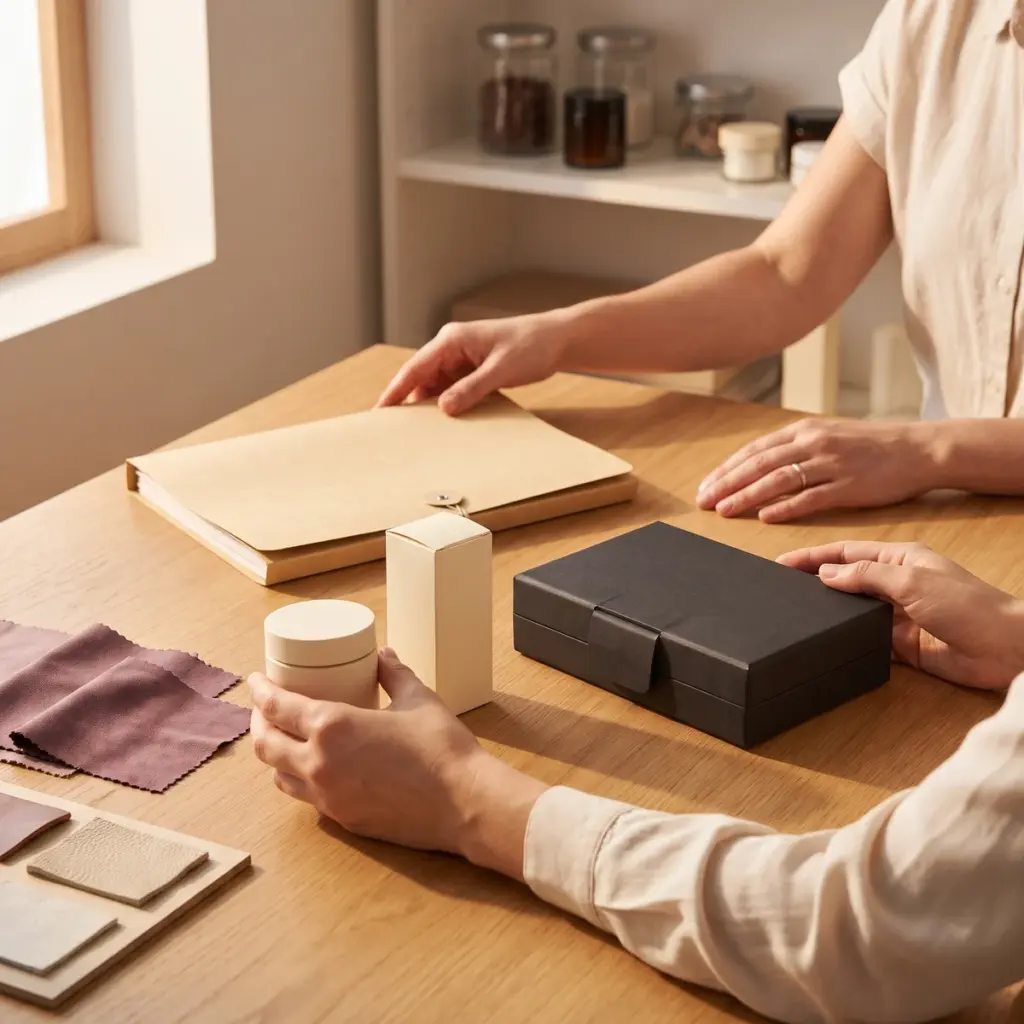
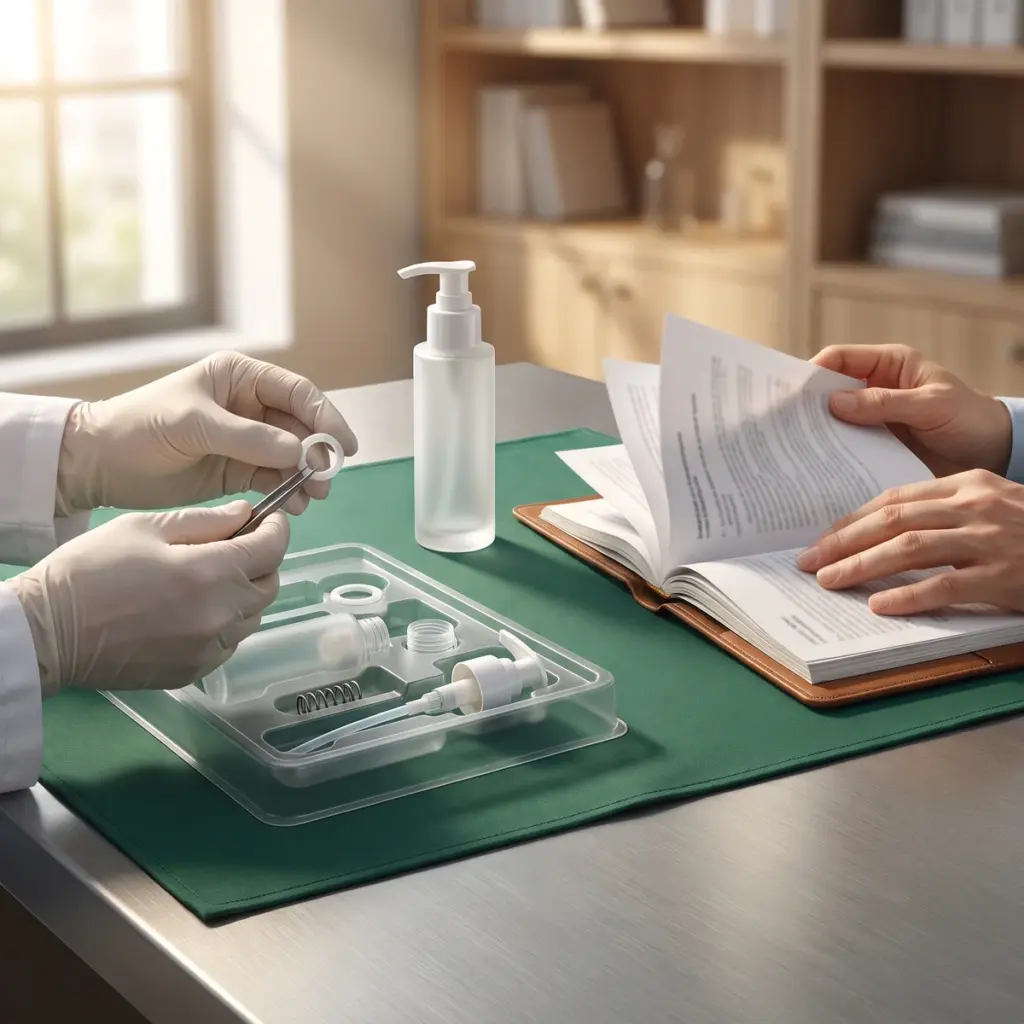
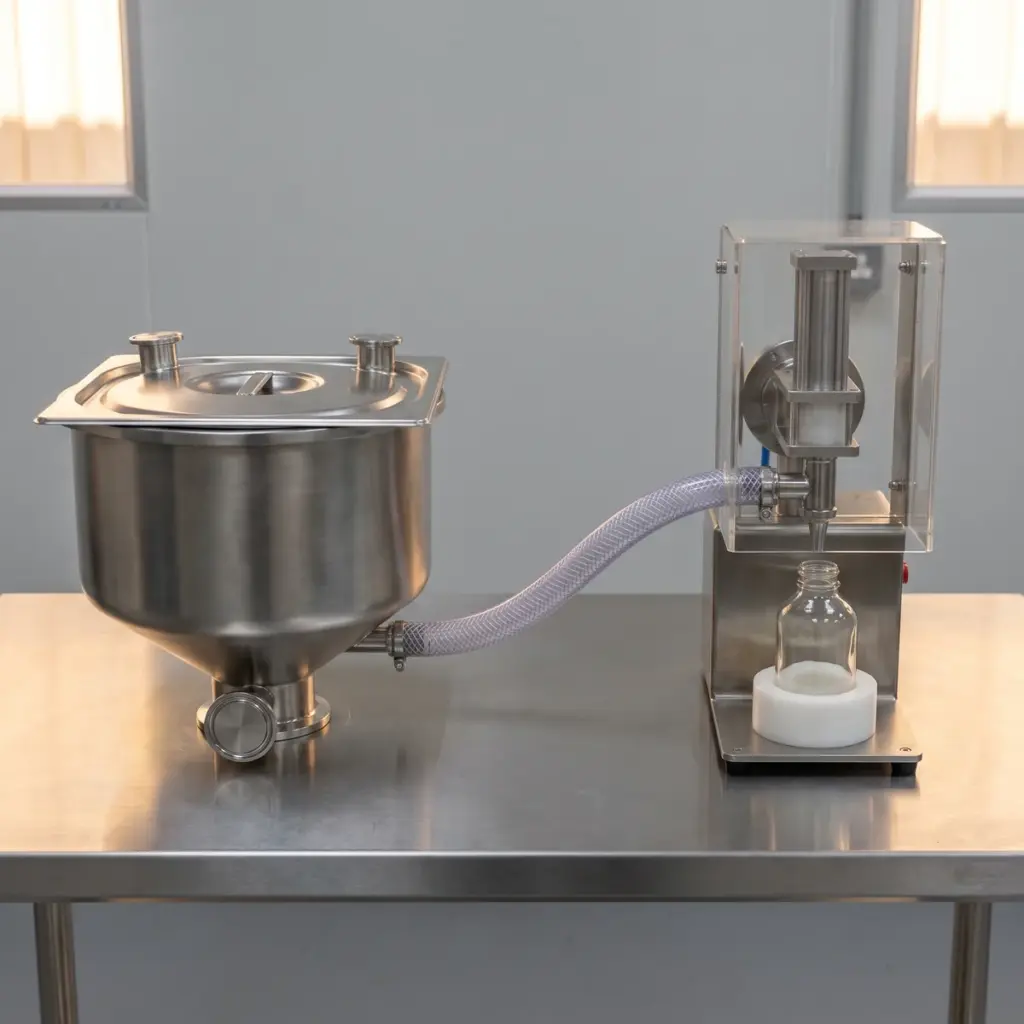
Packaging and fulfilment starts with sourcing bottles, jars, tubes, pumps and cartons. Filling lines dose the bulk into containers, apply closures and labels, and code each unit with its batch number. Assembly lines build gift sets and multipacks. Fulfilment warehouses hold stock, pick and pack orders, and ship to shops, marketplaces or individual customers.
Records that come with production
Each batch comes with a batch manufacturing record, a certificate of analysis against the agreed specification and traceability back to raw material lots. Filling and fulfilment providers supply stock reports and dispatch records.
Services in Manufacturing & Packaging
Packaging and Fulfilment
Cosmetic Manufacturing
Choosing a manufacturing and packaging route for your range
The right partner depends on who owns the formula, how many units you need and how much of the supply chain you want to manage yourself.
Own formula or catalogue product
If you already own a formula from cosmetic formulation work, look for a contract manufacturer and plan a technology transfer with pilot batches. If speed to market matters more to you than owning the formula, private label lets you launch with an existing, already tested product. Turnkey suppliers suit brands that want one contact for everything and accept less control over each step.
Volumes and minimum orders
Minimum order quantities vary widely between factories. Small-batch manufacturers and fillers suit a first launch, while large plants become cheaper per unit at high volumes. Ask each provider for its minimum batch size, its lead time from order to dispatch and whether it will hold your packaging components on site.
Questions for a manufacturer
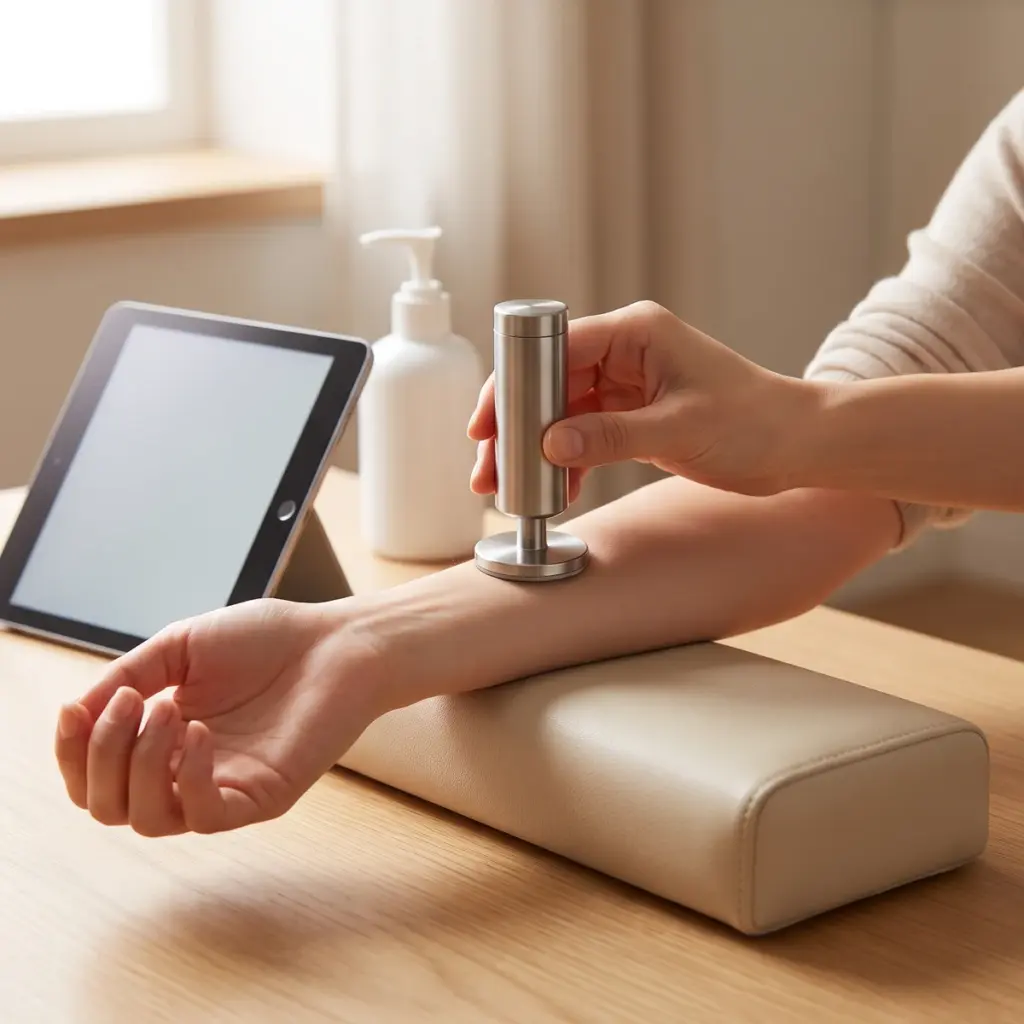
Ask which GMP certification the site holds, whether it has made products of your type (hot-pour emulsions, anhydrous balms, aerosols and powders all need different equipment), and how it handles batch release and complaints. Confirm which quality tests are run in-house and which go to an outside laboratory, and who supplies the stability and compatibility data your regulatory file needs.
More in Services
Find cosmetic development, testing, manufacturing, regulatory and commercial services.