Cosmetic ingredient development and production process services


Ingredient Production Processes overview
Who provides Ingredient Production Processes
Companies providing Ingredient Production Processes


How ingredient production processes are developed
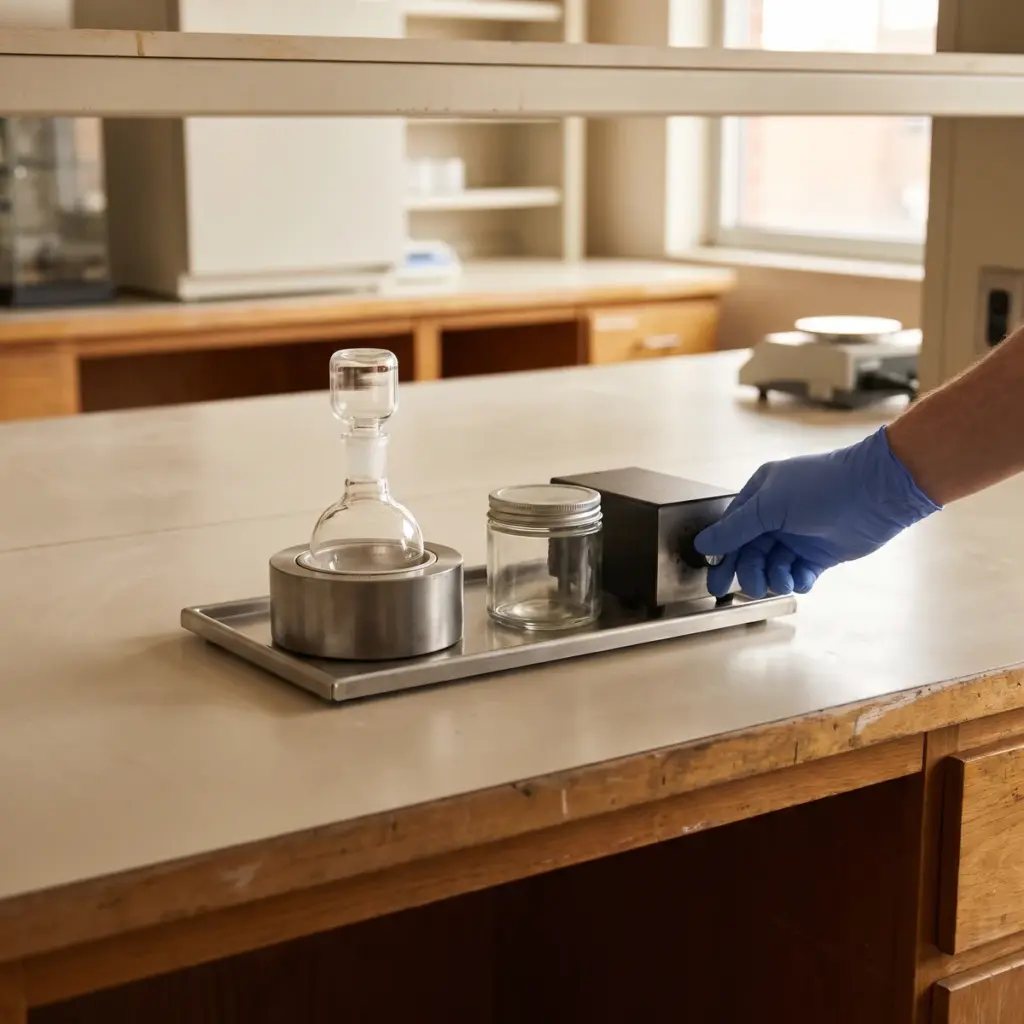
A promising candidate only becomes a product once someone can make it reproducibly. The services in this group differ by starting point and by production technology, and many projects use more than one.
Biotechnology-based ingredient development
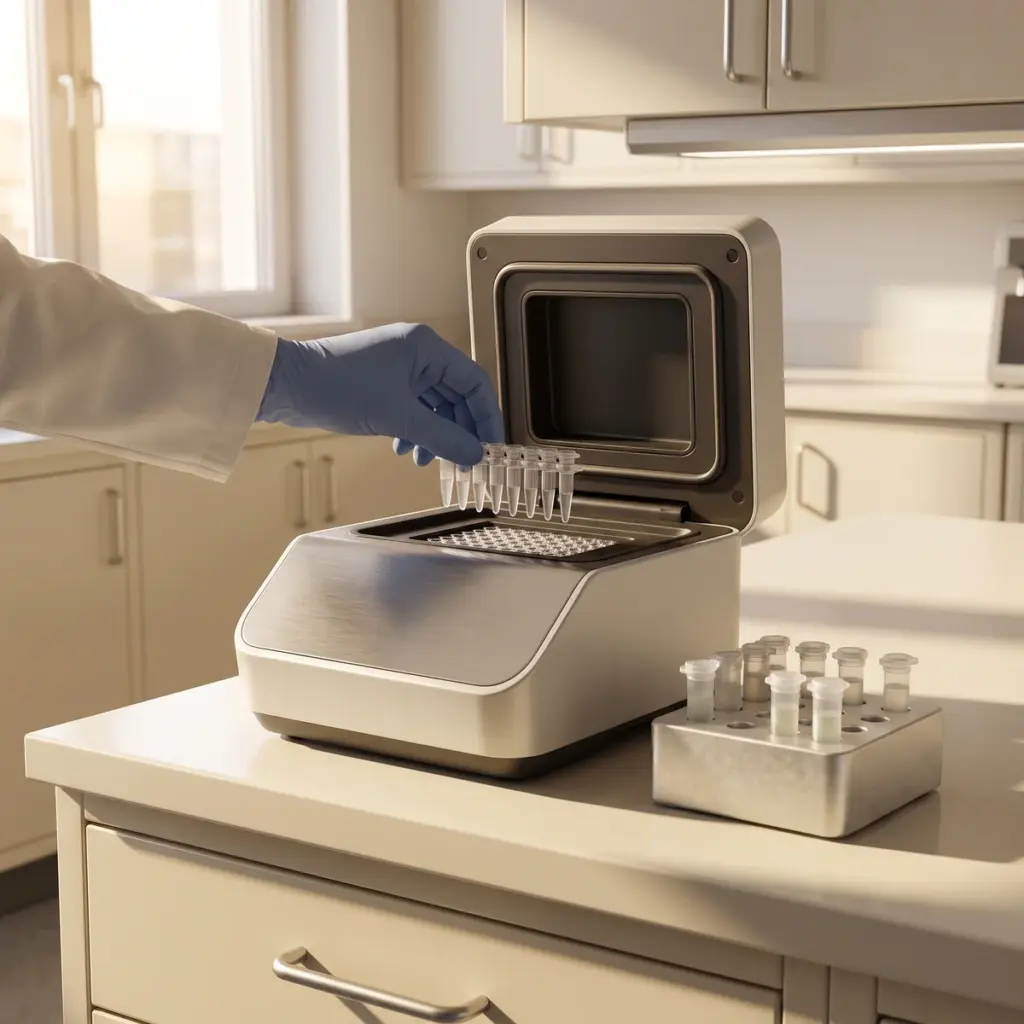
Biotechnology-based ingredient development uses living systems to make the material. Bacteria, yeasts, fungi or microalgae are selected or engineered and grown in fermenters, or plant cells are grown in bioreactors. Scientists adjust strain, culture medium, temperature, oxygen and feeding to raise yield, then develop the downstream steps that separate and purify the product. Typical outputs are ferments, peptides, polysaccharides such as hyaluronic acid, and plant cell culture extracts.
Green chemistry and process development
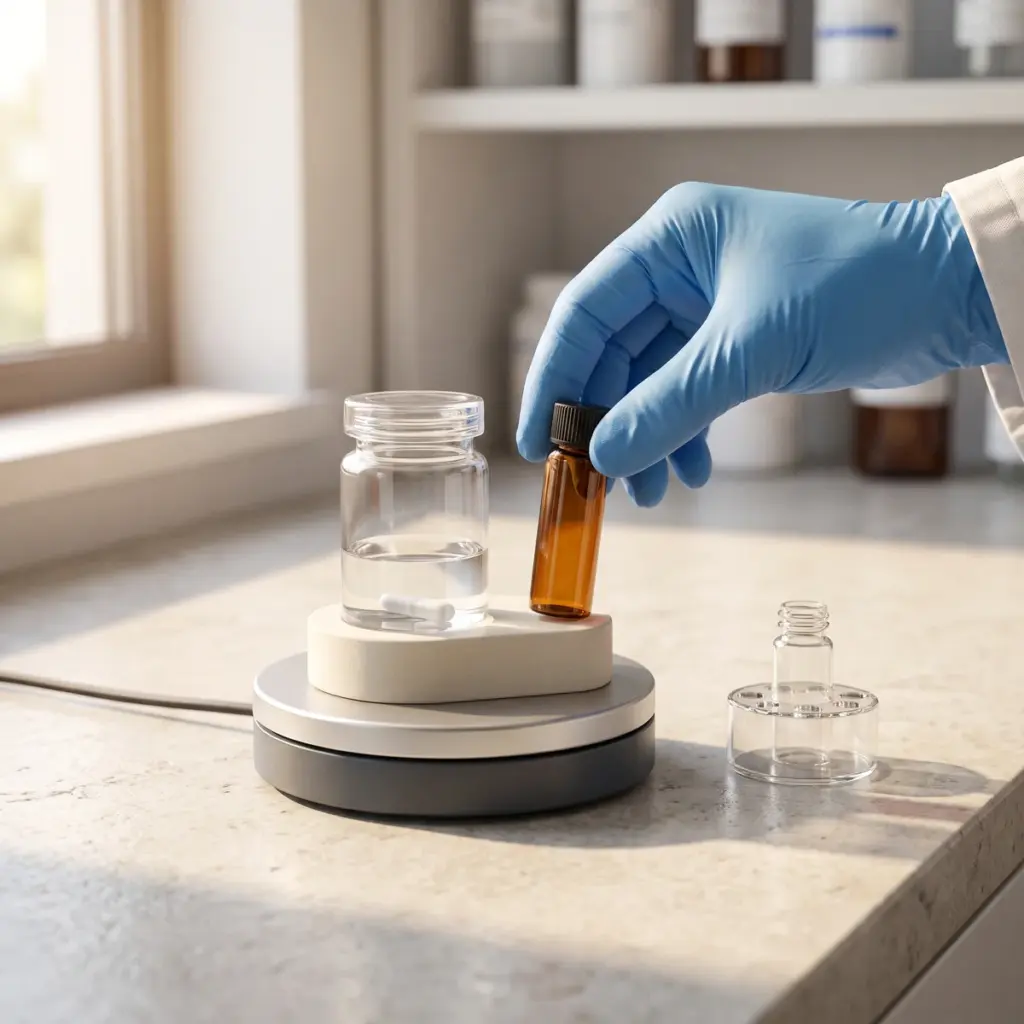
Green chemistry and process development designs or redesigns a chemical route with fewer hazardous reagents, safer solvents, lower energy use and less waste. Chemists compare routes on yield, atom economy and inputs, and may switch to enzymatic catalysis or renewable feedstocks.
Novel ingredient development
Novel ingredient development takes a newly identified candidate and turns it into a defined raw material. The work covers identity and composition analysis, impurity profiling, stability of the raw material and preparation of first samples for formulators.
Process development outputs
You receive a documented process description, analytical data on identity, purity and batch consistency, laboratory or pilot-scale samples, and a route comparison where several options were tested.
Services in Ingredient Production Processes
Biotechnology-Based Ingredient Development
Novel ingredient development
Using production process development in an ingredient project
Process work decides whether a promising active can be supplied at a price and quality formulators will accept.
When to bring in a process developer
Start process work as soon as a candidate looks worth pursuing, because the production route decides the cost, the supply security and much of the sustainability profile. A molecule found in ingredient candidate screening may be easy to test in milligrams and hard to make in kilograms. Early route work shows which candidates are practical.
What to include in the request
Describe the target material and its intended cosmetic function, the purity and form you need (powder, solution or extract) and the quantity of samples required. List constraints such as natural origin, vegan status, no genetically modified organisms or excluded solvents. Give the environmental measures you want compared if a green chemistry assessment is part of the brief. Send existing analytical data and any reference samples.
Matching the provider to the technology
For fermentation, ask about strain development capability, the fermenter volumes available and whether the provider can produce pilot batches or has partners who can. For chemical routes, check analytical capacity for impurity profiling. Agree in writing who owns the strain, the process and the resulting know-how, since these are often worth more than the samples.
More in Ingredient Development
Ingredient development finds, makes and characterises new cosmetic actives through screening, production-process research and mechanism studies.