Manufacturing From Your Formula

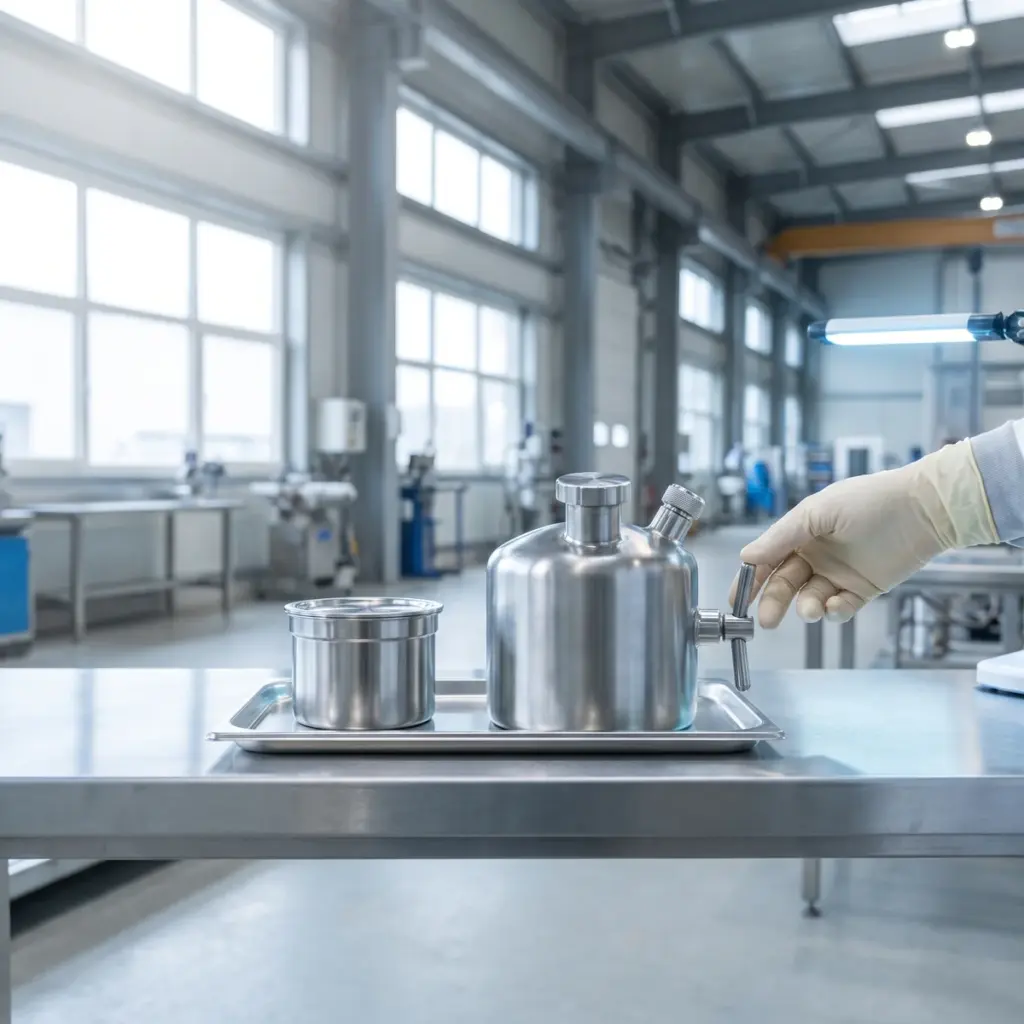
What is Manufacturing From Your Formula?
Production batches made from an approved formula and process.
Why do you need this service?
Use manufacturing from your formula when an approved formula and process are ready to be assessed for production. Agree specifications, responsibilities and any transfer work before commissioning routine batches.
Who provides Manufacturing From Your Formula services?
Companies linked to Manufacturing From Your Formula or a more specific service

Ephyla
French biotech laboratory developing naturally derived cosmetic actives through responsible sourcing, biomimetic research and formulation support.Cosmetic production services
Production translates an established formula and specification into repeatable manufacturing batches. Unlike formula development or private label selection, the starting point is a product whose composition is already agreed. The work focuses on process transfer, equipment suitability and controlled execution.
Scale-up and batch processing
Pilot work can establish mixing order, temperature, shear and processing time before larger runs. A formula that works on the bench may need process adjustments when vessel geometry or batch volume changes.
- Emulsification for creams and lotions
- Powder blending for dry formulations and makeup
- Heated processing or hot filling where appropriate to the product
- Multiphase mixing and controlled cooling
Hot filling is not equivalent to sterile manufacture. Processing conditions must suit the formulation and its microbiological controls.
Quality control and finished units
In-process checks may cover pH, viscosity, color, appearance and fill weight. Agreed release tests and batch records document whether production meets the specification and provide traceability. Filling, capping, labeling and secondary packaging can be coordinated within the same project, but their inclusion should be explicit. Capacity, minimum quantities and scheduling depend on equipment, materials and product complexity.
Producing an existing formula
Provide the formula version, ingredient specifications, process instructions and available product evidence. The manufacturer needs to determine whether the process can be reproduced on its equipment and whether further scale-up or qualification work is necessary.
Define material procurement, in-process checks, finished-product testing and the records supplied with each batch. Any formula or process change should be documented and reviewed for its effect on quality and existing evidence.
Compare proposals using the actual capacity, order requirements and included operations. Outsourcing does not guarantee a fixed capital saving or a particular increase in output, and manufacturing alone does not establish regulatory readiness.
Compare cosmetic manufacturing routes, from approved-formula production and scale-up to private label, white label and agreed turnkey development services. Explore another Cosmetic Manufacturing page on cosmetic-labs.com.