Microbiome Interaction Studies overview
Do you provide Microbiome Interaction Studies?
Models and methods used in Microbiome Interaction Studies
Five services sit in this family. They differ in the question they ask and in the model they use, from a single strain in a tube to the full bacterial community on a forearm.
Culture-based strain studies
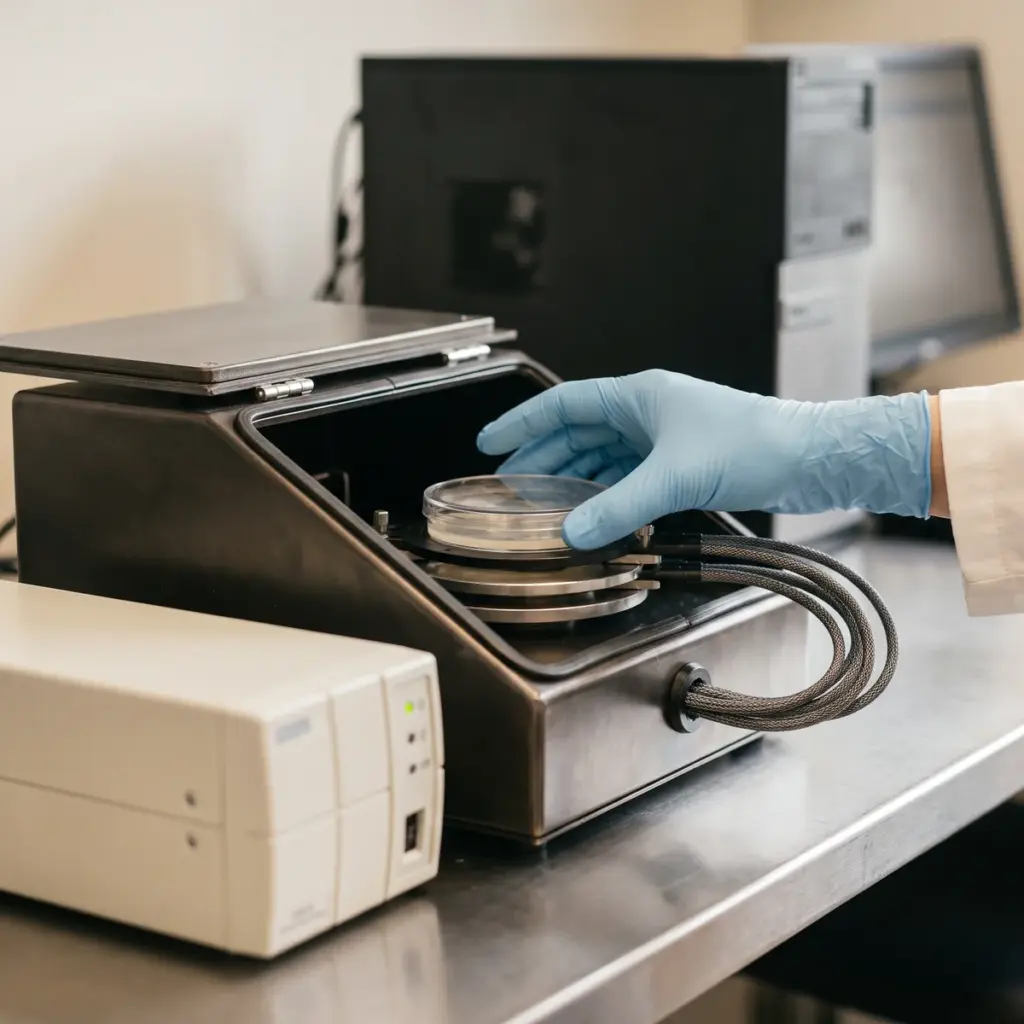
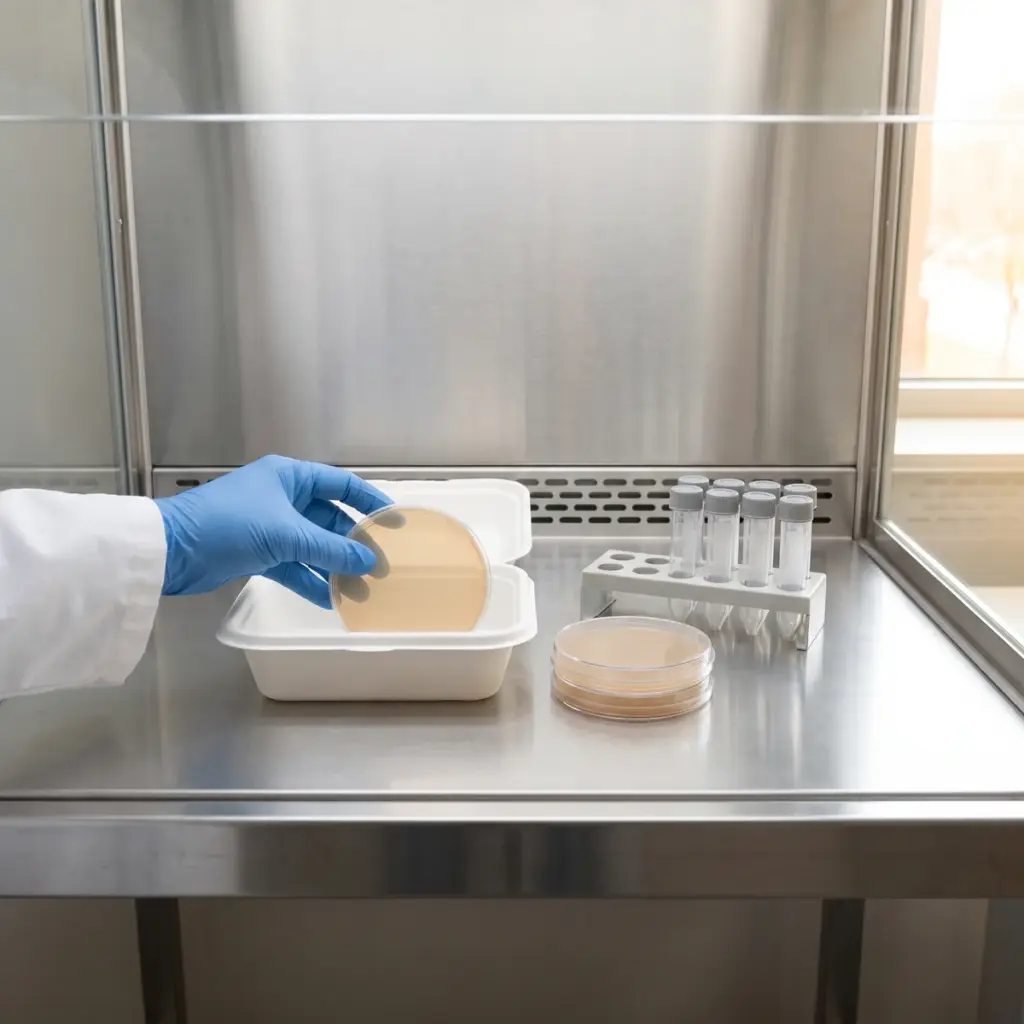
Probiotic bacteria promotion grows selected commensals with and without the test material and measures growth by optical density or colony counts. A prebiotic ingredient should increase the growth of the target species under the test conditions. The same set-up can compare a commensal with a less welcome species, for example S. epidermidis against Staphylococcus aureus, to show a selective effect. C. acnes needs anaerobic culture and a strain choice that reflects your claim.
pH and formulation compatibility
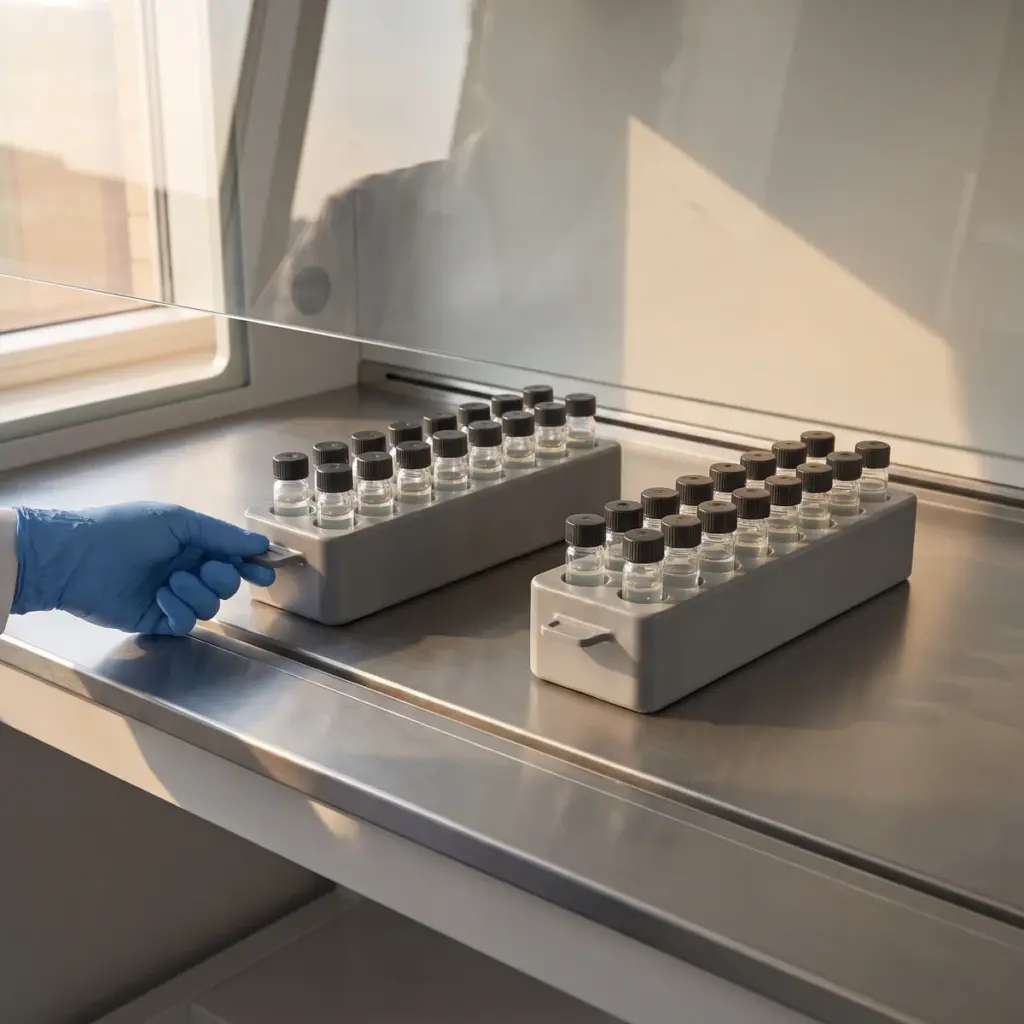
Microbial pH-Response Studies measure how the acidity of the test environment changes the growth of skin species. Microbiome friendly formulation testing exposes a defined panel of resident skin species to the finished product and compares the surviving populations with a control. Neutralisers stop the preservative in the formula from acting in the count medium, so the plate counts reflect the contact period alone.
Volunteer microbiota studies
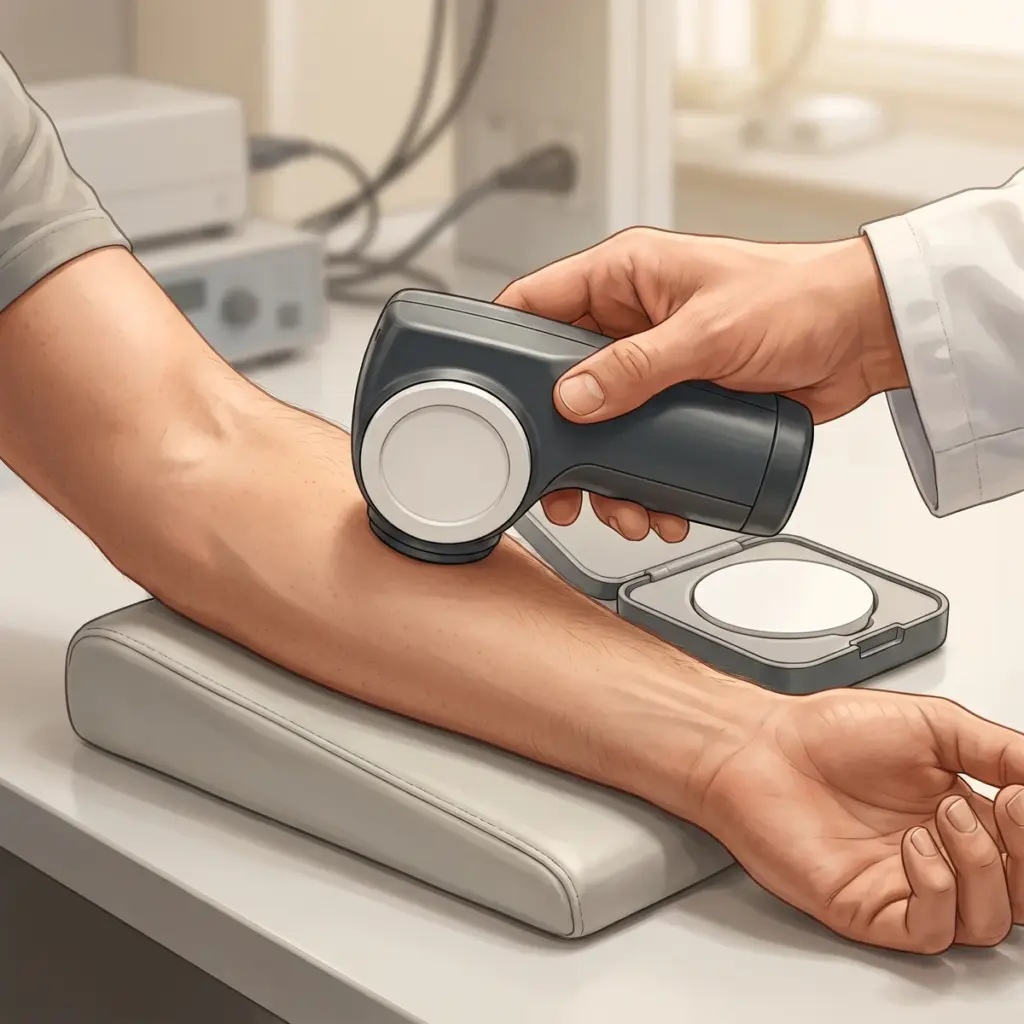
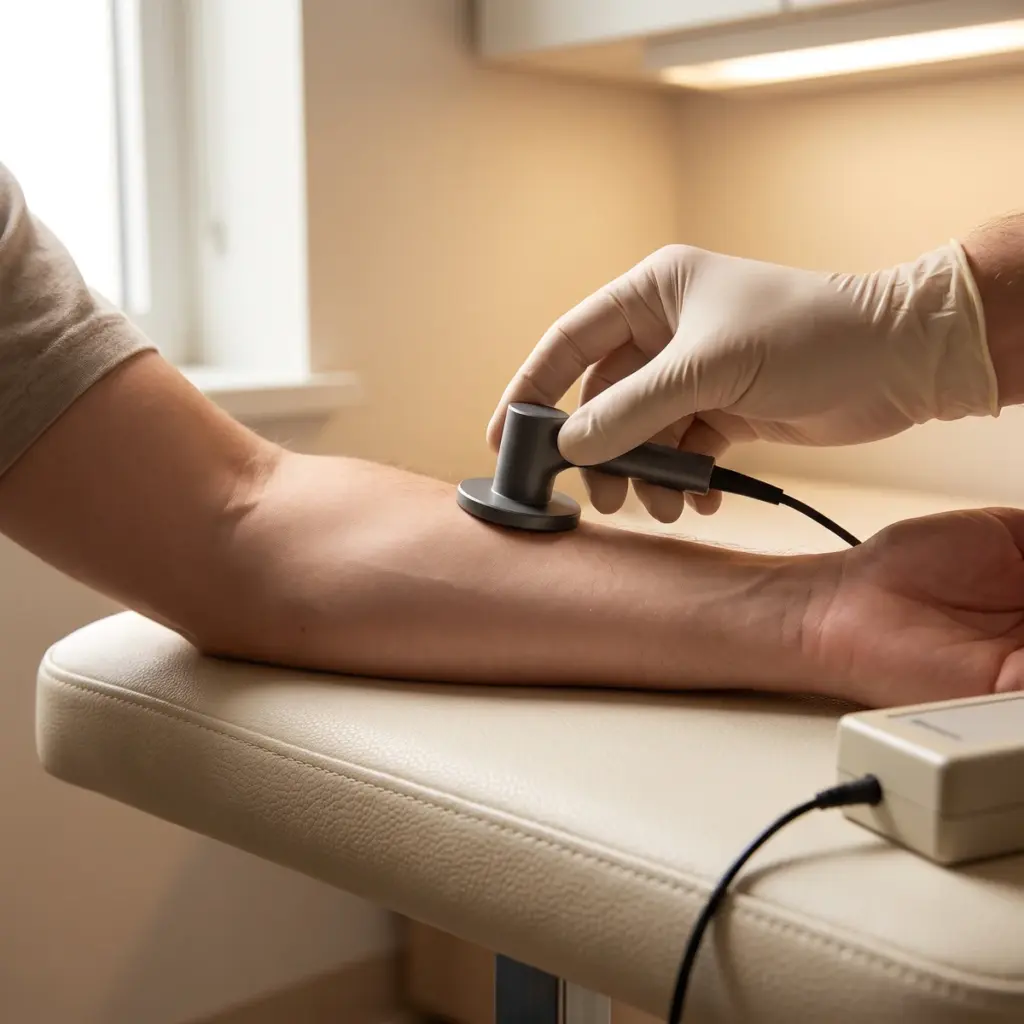
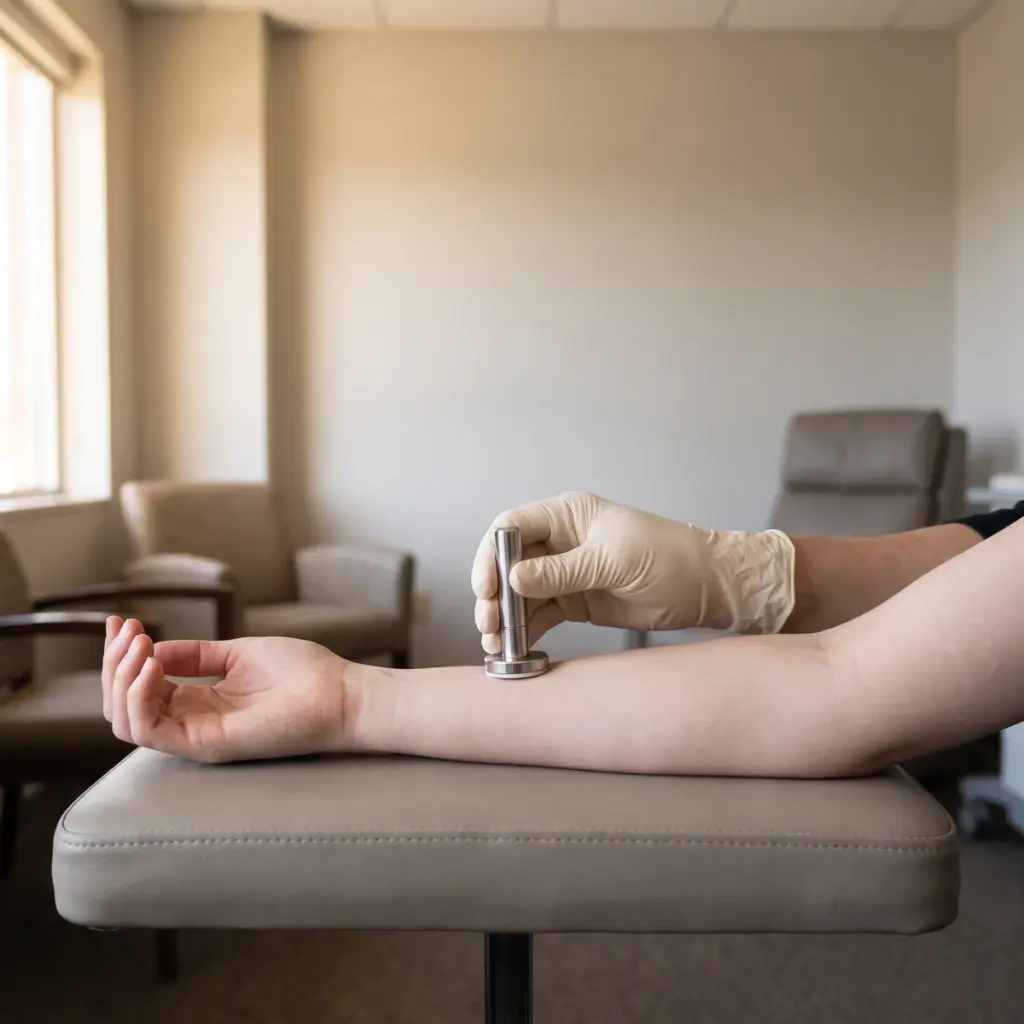
Skin microbiota efficacy testing samples volunteers with swabs or tape strips before and after a period of product use. DNA is extracted and the bacterial community is profiled by 16S rRNA gene sequencing, which reports the relative abundance of each genus and diversity indices across the panel.
Skin-cell signalling
Antimicrobial peptides production studies treat keratinocytes or reconstructed epidermis and measure peptides such as human beta-defensin 2 and LL-37 by qPCR or ELISA.
Each study ends with a report that sets out the strains or community analysed, the culture or sampling conditions, the counts or sequencing data and the statistical comparison with controls.
Services in Microbiome Interaction Studies
Picking the right Microbiome Interaction Studies for your product
The five services fit a development timeline, and most brands use two or three of them in sequence.
From ingredient screen to finished formula
An ingredient supplier usually starts with strain cultures, which are quick to run and rank several candidates at several concentrations. A brand with a near-final formula needs the microbiome-friendly panel test on the product itself. Volunteer sequencing comes last, once you want to describe what happens to the community on real skin during use.
Separating balance from inhibition
When the goal is to reduce a specific organism, for example on blemish-prone skin or a deodorant, the study you need is antimicrobial activity testing, with its MIC and time-kill endpoints. The microbiome services here are designed for claims of compatibility and support, so their readouts compare commensals with the control and with each other.
Questions to ask a microbiome laboratory
Check which reference strains the laboratory holds and whether they include isolates from human skin. Ask whether it runs anaerobic culture in-house for C. acnes. For sequencing studies, ask how sampling sites are standardised, which negative controls are sequenced alongside the samples and what bioinformatics output you receive. A provider that can run culture, product panel and volunteer work under one contract keeps strain choice consistent across the programme.
More in Cosmetic Efficacy Testing
Cosmetic efficacy testing measures what a product or ingredient does for skin, hair, lips or nails, in volunteers or laboratory models, to back claims.