Antioxidant & Redox Studies overview
Do you provide Antioxidant & Redox Studies?
Antioxidant & Redox Studies, from test tube to skin cell
The family runs from simple chemistry to cell biology. Each child service answers a different part of the question of how an active handles oxidation, so most programmes combine two or three of them.
Chemical radical scavenging
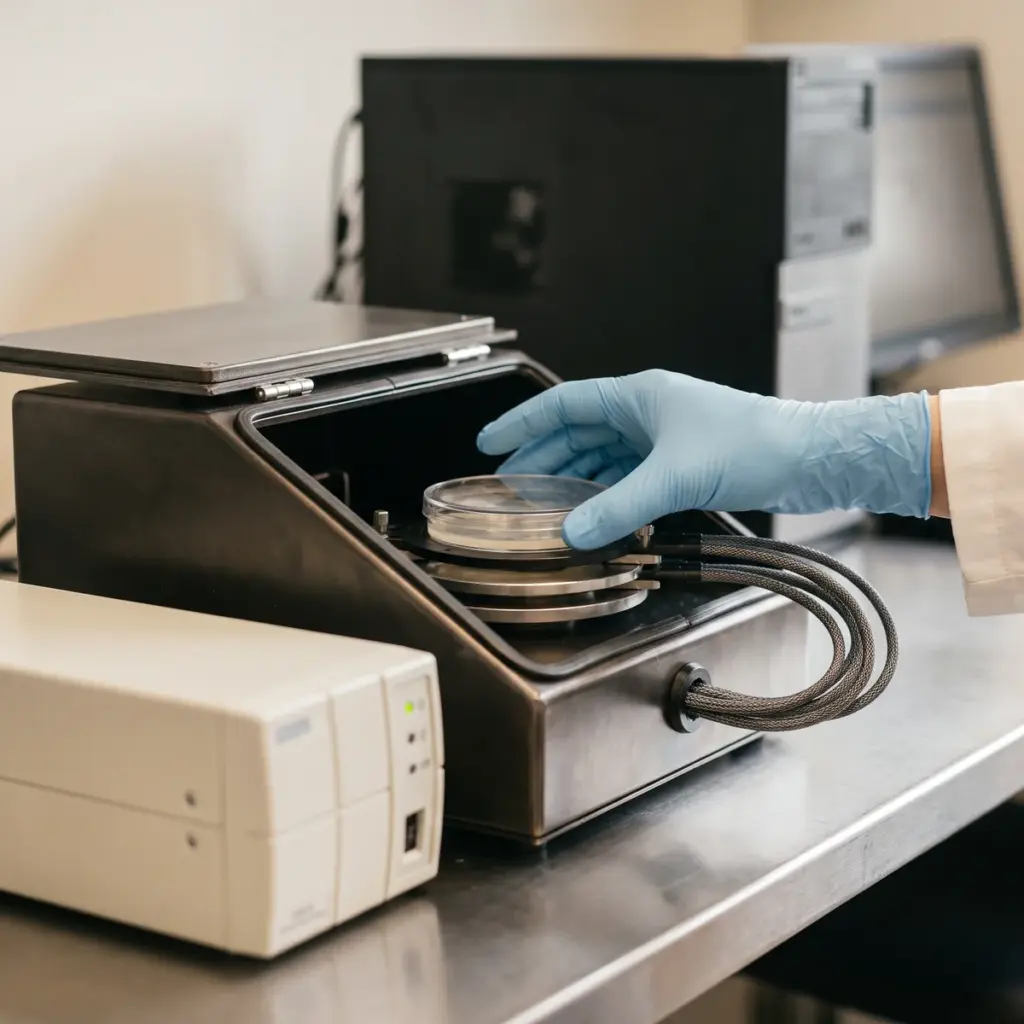
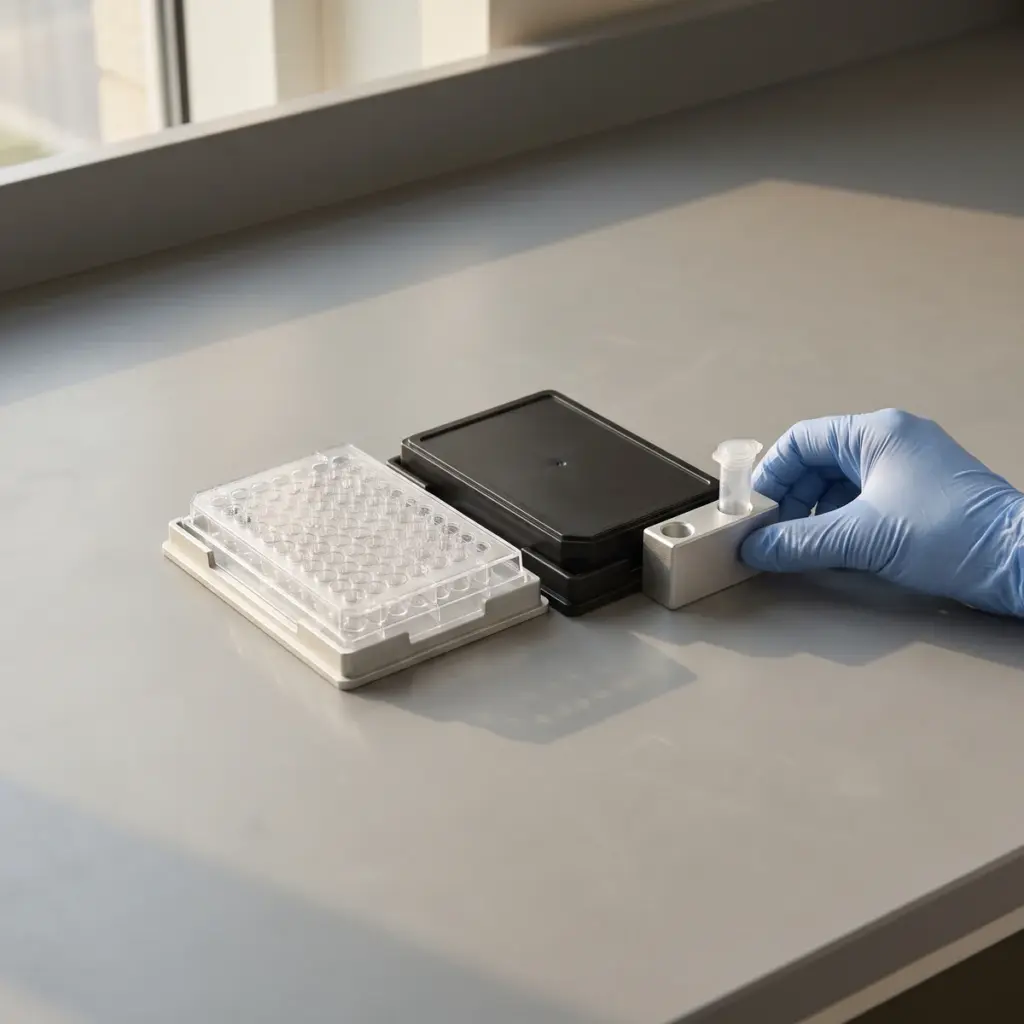
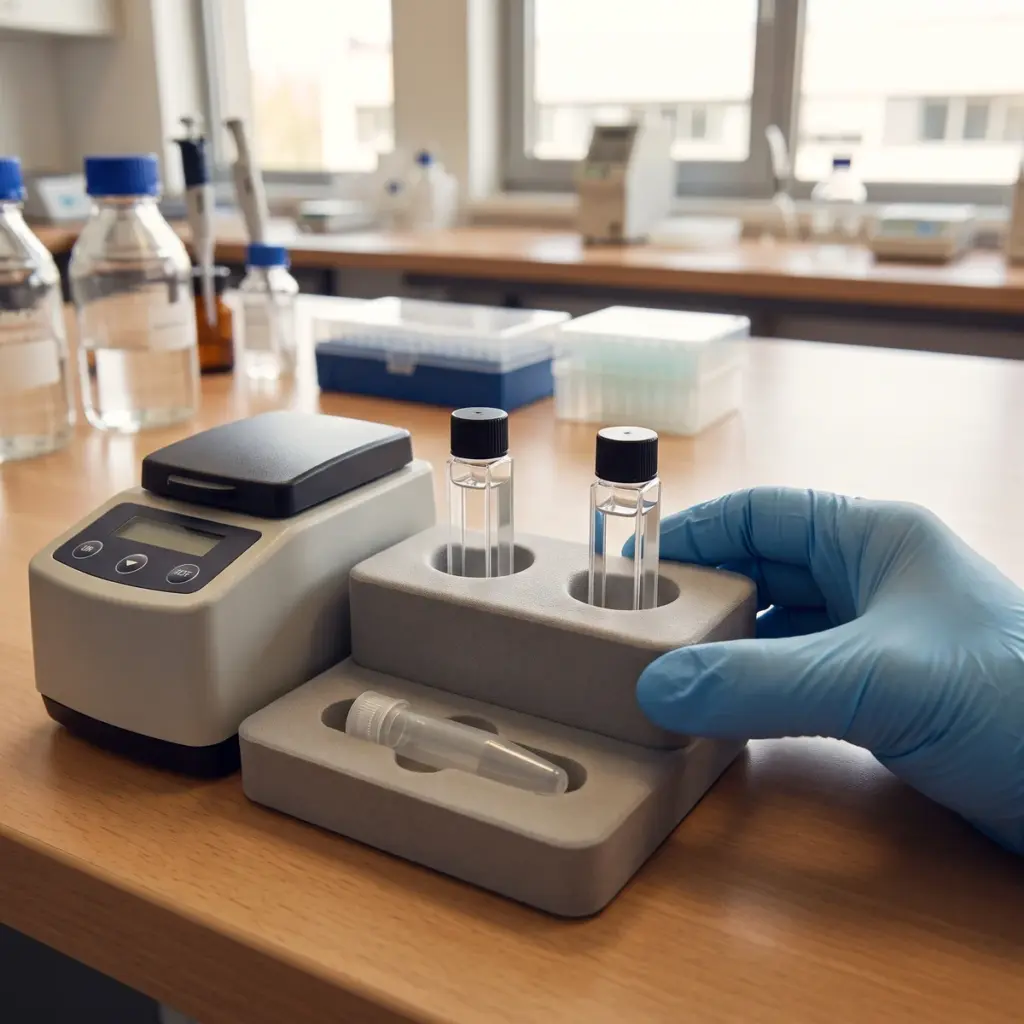
DPPH/ABTS radical quenching mixes the sample with a stable coloured radical and reads the loss of colour by spectrophotometry. Results are expressed as an IC50 or as Trolox equivalents, so several extracts can be ranked against a reference. Free radical scavenging services extend this to other radical species and to methods such as ORAC.
Oxidative stress in skin cells
Oxidative stress efficacy testing pre-treats keratinocytes or fibroblasts, applies a challenge such as UVA, hydrogen peroxide or pollutant particles, and reads intracellular reactive oxygen species with fluorescent probes like DCFH-DA. Lipid peroxidation block studies measure oxidised lipids with BODIPY-C11 or TBARS. Mitochondrial protection work uses MitoSOX and membrane potential dyes.
Endogenous defence pathways
- Nrf2 pathway activation by reporter assay, nuclear translocation or target genes such as HMOX1 and NQO1
- SOD/Catalase activation measured as enzyme activity and expression
- GSH synthesis stimulation through glutathione levels and the GSH/GSSG ratio
Controls and deliverables
Viability is measured at every concentration, and samples are checked for colour or fluorescence that could interfere with the readout. You receive dose-response curves, IC50 or percentage protection values against the challenged control, statistics and the full study conditions.
Services in Antioxidant & Redox Studies
Building an antioxidant claim with Antioxidant & Redox Studies
Antioxidant data are used at two moments: when an ingredient is selected, and when the brand writes the mechanism behind its claim.
Screen first, then go cellular
DPPH and ABTS are fast and inexpensive, which makes them the right first filter when you hold a dozen extracts or batches. Take the best performers into cell work, where the active has to reach the inside of the cell to lower the stress signal. A candidate that scores well in both stages gives formulators a clear choice.
Matching the endpoint to the product’s positioning
A daily-defence serum sold against urban pollution is best supported by a cellular study that uses particulate matter or ozone as the challenge. A product built around boosting the skin’s own antioxidant system needs Nrf2, glutathione or SOD and catalase data. Lipid peroxidation results suit products that talk about protecting skin lipids. UV-triggered oxidative stress pairs naturally with photoprotection testing when the finished product also carries a sun claim.
Taking the active into the finished product
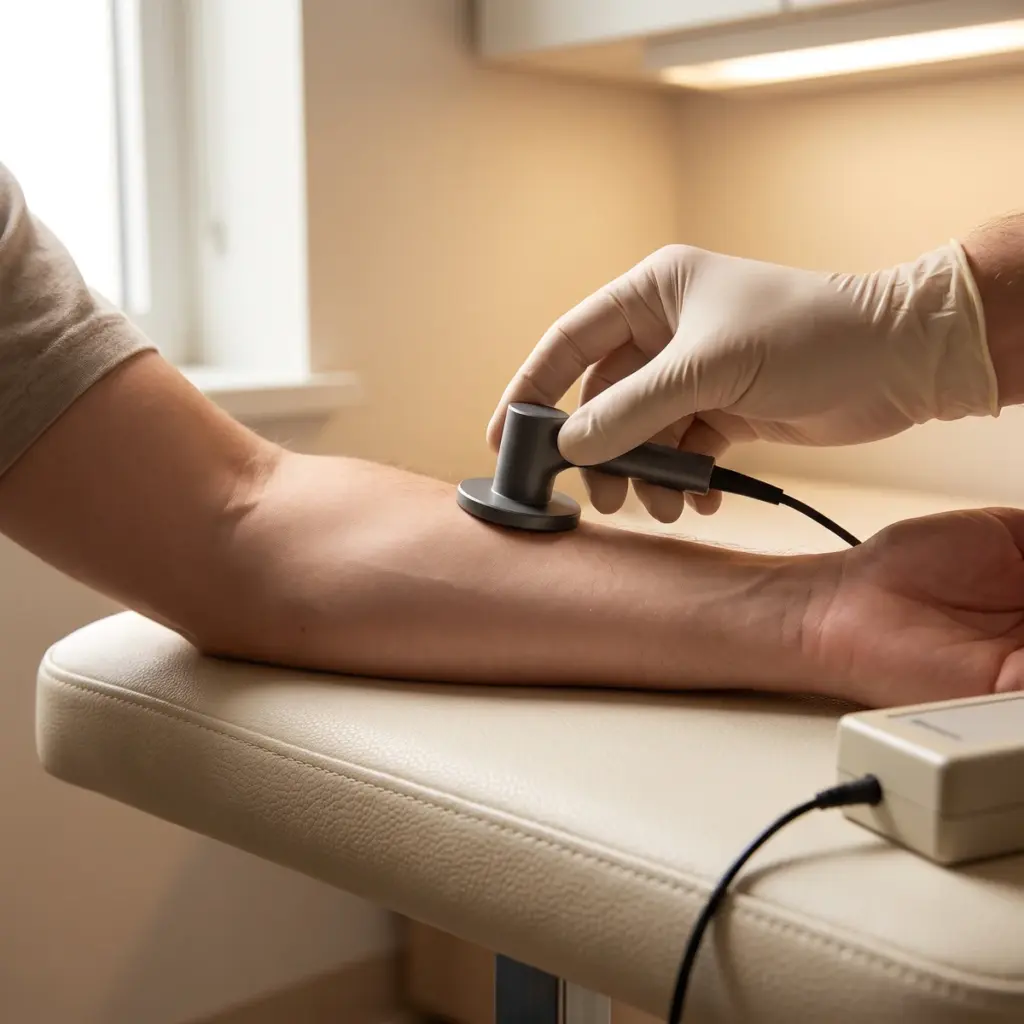
Once the active is chosen, brands often move to a volunteer study from skin ageing testing or radiance work, where the visible effect of the formula is measured on skin. Ask your cell laboratory to report the concentrations it tested, so the dose in your formula can be set from the active range.
More in Cosmetic Efficacy Testing
Cosmetic efficacy testing measures what a product or ingredient does for skin, hair, lips or nails, in volunteers or laboratory models, to back claims.