Be the first company on this service page

No published company profiles are linked to Lip Care Efficacy Testing or its more specific services yet. Explore the service categories or add an explicitly supported capability to your company profile.

Definition

Lip care efficacy testing

Lip care studies investigate the benefits of balms, treatments and tinted products under defined application conditions. Hydration, surface appearance, comfort and cosmetic wear are separate questions that may require different methods.

Hydration and barrier-related measurements

Suitable capacitance measurements assess hydration, while transepidermal water loss monitoring provides barrier-related information. The lip site’s shape and measurement conditions require a consistent technique for useful comparisons.

  • Baseline and post-use hydration readings
  • Water loss measurements where suitable
  • Visual scoring of dryness, texture and lip appearance
  • Participant ratings of perceived moisturisation and comfort

Immediate effects and repeated-use benefits should be tested separately. A lasting hydration claim requires readings that cover the claimed period; it cannot be inferred from an early measurement.

Sensory performance and wear

Structured panels can evaluate application smoothness, spreadability, absorption or residual feel. Tinted products may also be assessed for colour payoff and wear duration.

  • Comfort during and after application
  • Stickiness and residue
  • Ease of spreading
  • Colour retention and overall satisfaction

Study size, duration and comparator should suit the intended claim. Reports should identify subjective findings separately from instrumental data and avoid treating improved hydration alone as proof of environmental protection or complete barrier restoration.

Applications

Applications of lip care efficacy studies

Comparing lip condition

A protocol can combine suitable hydration measurements, assessor grading and standardized images where relevant. Application, acclimatization and other lip products should be controlled sufficiently for the comparison. The method must suit the lip site rather than being assumed equivalent to ordinary facial skin.

Supporting a specific statement

Single-application effects and repeated-use changes require different schedules. A duration or percentage claim needs observations and calculations that directly support it. Comfort questionnaires can describe experience but do not replace hydration measurements or establish universal tolerance.

Exploration
Learn more about Cosmetic Efficacy Testing

Cosmetic efficacy testing measures biological endpoints in cell, tissue or ex-vivo models to investigate mechanisms behind proposed benefits. Explore another Cosmetic Efficacy Testing page on cosmetic-labs.com.

Hydration Barrier Testing

Explore human skin hydration and barrier testing, including water-loss assessments, alongside laboratory studies of epidermal lipids and water handling.

Skin Comfort Testing

Find skin soothing and comfort studies for human redness and perceived comfort, plus laboratory investigations of inflammatory and innate immune responses.

Instrumental & Biophysical

Measure cosmetic performance in human participants through instrumental endpoints for skin, hair, scalp, nails or makeup under a defined study protocol.

Pigmentation Radiance Testing

Explore dark-spot, skin-tone and radiance testing, with human appearance assessments kept distinct from laboratory studies of pigmentation mechanisms.

Skin Ageing Testing

Find wrinkle, firmness and skin texture studies, alongside laboratory work on collagen, elastin and other ageing mechanisms, with clear limits on claims.

Sebum Control Testing

Explore oil-control and shine testing in users, alongside laboratory studies of sebocyte activity, with evidence scoped to the intended cosmetic claim.

Hair Scalp Testing

Find hair performance and scalp-care studies, plus laboratory investigations of follicle biology and fibre protection, with evidence matched to each claim.

Photoprotection Testing

Explore SPF and UV-protection testing alongside laboratory UV-response studies, with UVA protection and water-resistance scope specified for each enquiry.

Under-Eye Efficacy Testing

Assess under-eye dark circles, puffiness, fine lines or hydration in human studies using measurements matched to the specific product benefit.

Adipocyte & Vascular Studies

Investigate adipocyte metabolism, matrix responses and vascular mechanisms in suitable models, separately from human body-contouring efficacy outcomes.

Nail Care Performance Testing

Assess nail condition and cosmetic product performance in human-use studies, with nail-specific endpoints and defined comparison conditions.

Makeup Wear & Performance Testing

Assess makeup wear, coverage, colour retention and transfer resistance in human-use studies, with test conditions matched to the intended claim.

Microbiome Interaction Studies

Investigate cosmetic interactions with skin microbes through growth, inhibition and pH-response assays, with conclusions scoped to the organisms tested.

Antimicrobial Activity Testing

Measure inhibition or killing of microorganisms in defined assays, keeping ingredient activity distinct from finished-product preservation testing.

Antioxidant & Redox Studies

Investigate antioxidant and redox responses through chemical scavenging, cellular defence and oxidative-damage assays with model-specific interpretation.

Xenobiotic & Cellular Clearance Studies

Investigate xenobiotic responses and cellular clearance through metabolism, autophagy and protein turnover studies with endpoint-specific interpretation.

Skin-Cell Energy & Metabolism Studies

Investigate skin-cell energy and metabolism through ATP content, respiration, glucose use and redox measurements interpreted as complementary endpoints.

Skin Circadian Rhythm Studies

Investigate skin-cell circadian biology through clock-gene expression, synchronisation and timed stress or repair responses in suitable laboratory models.

Lip Care Efficacy Testing
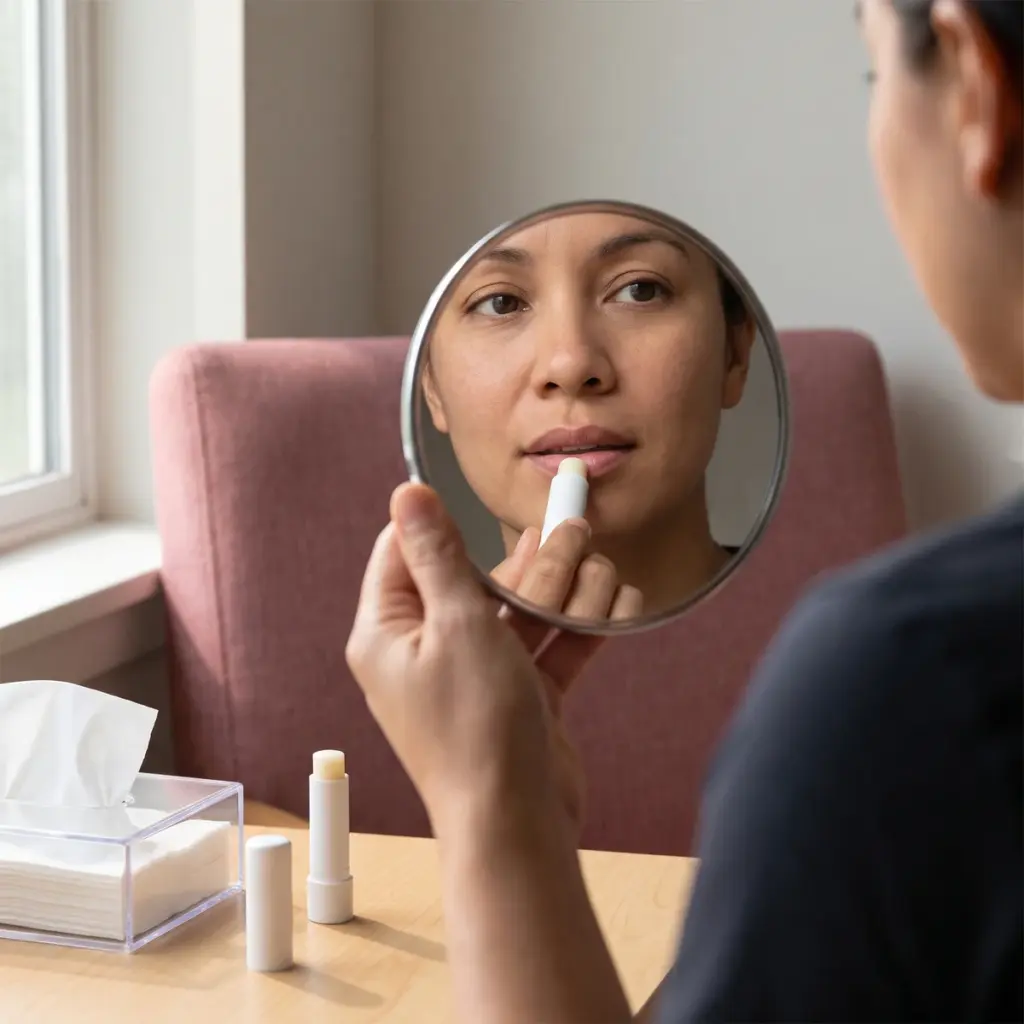
Assess lip condition, hydration and comfort in human product studies, selecting endpoints and comparison conditions suited to the intended benefit.

Continue with

What does “Verified” mean?

Verified means the claimant’s company affiliation was checked.

Something not right?

Let us know if any information on this page is incorrect or if you have concerns about who manages it.