Sebum Control Testing overview
Do you provide Sebum Control Testing?
Measuring oil control and skin shine
The group has two services. One measures what happens on the skin surface of real users, and the other looks at the sebaceous cell itself.
Surface oil and shine on volunteers
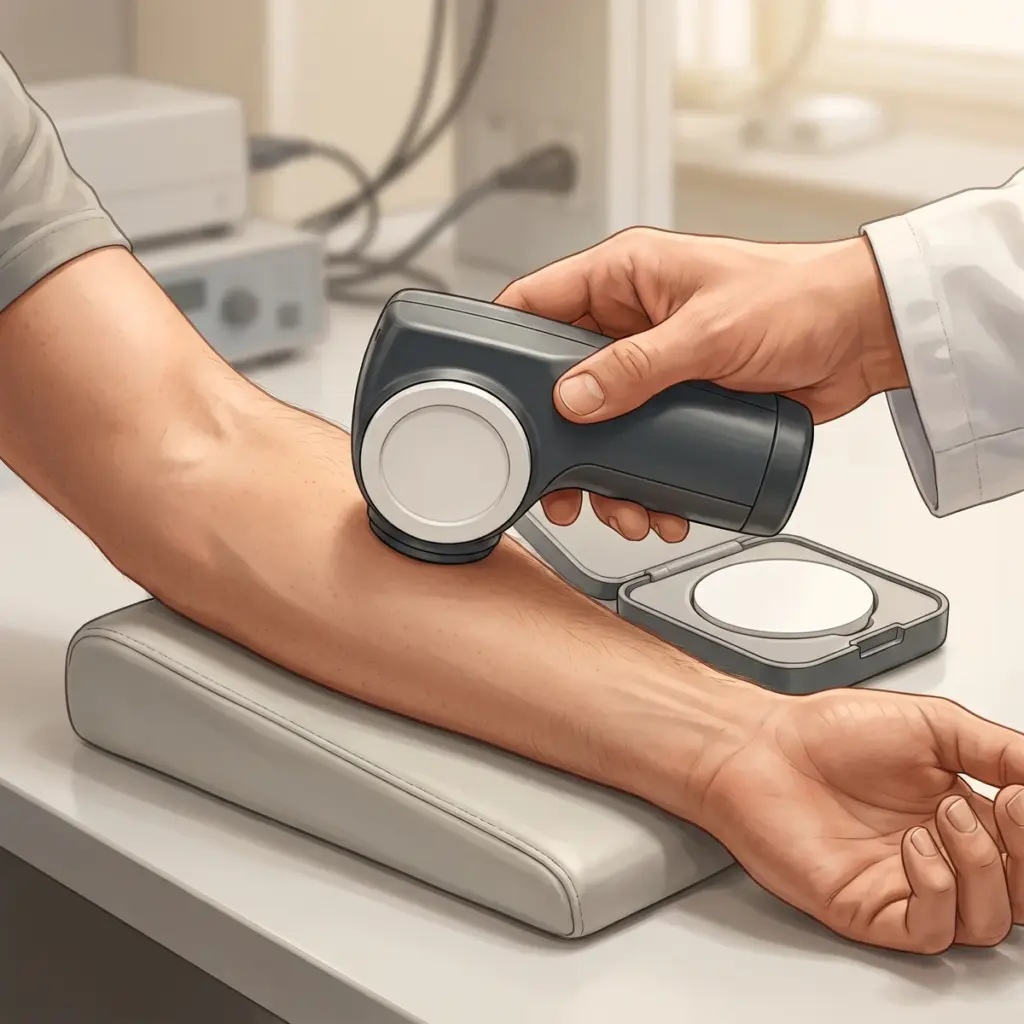
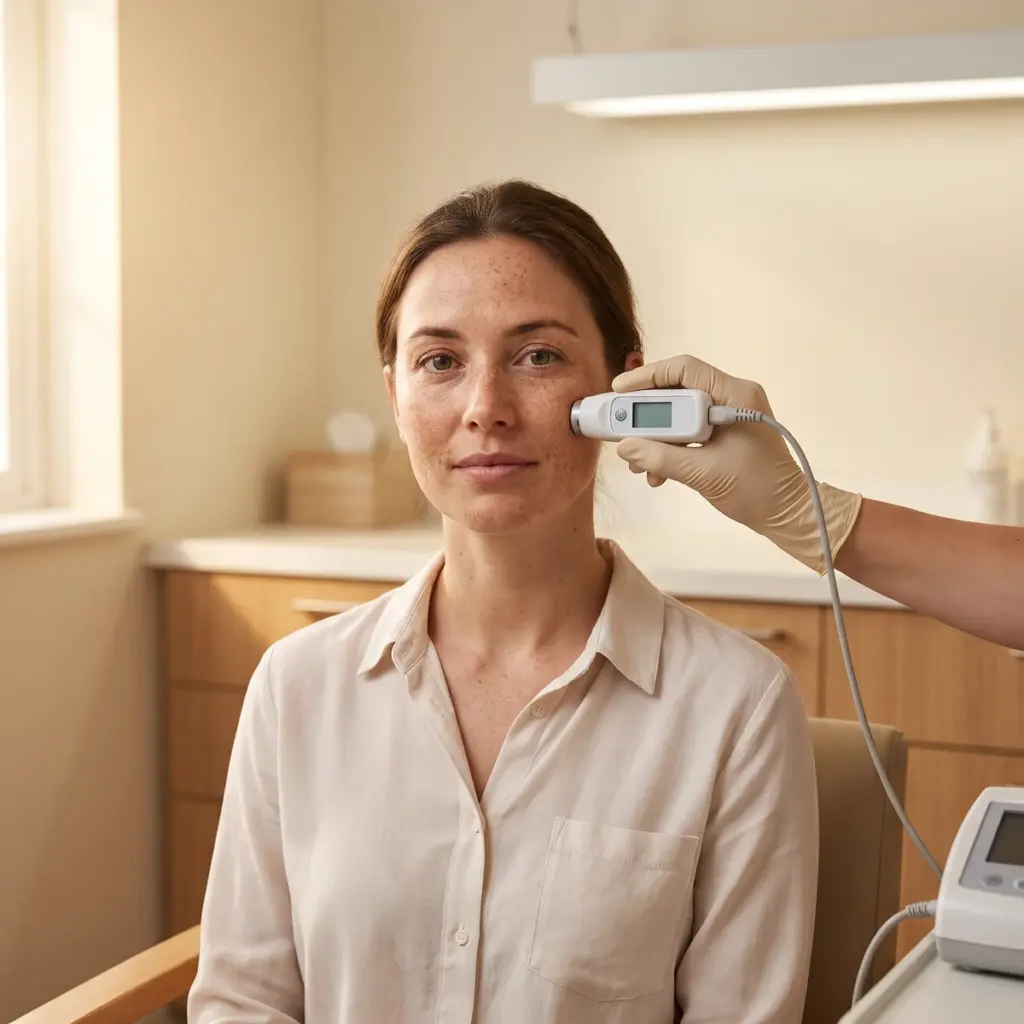
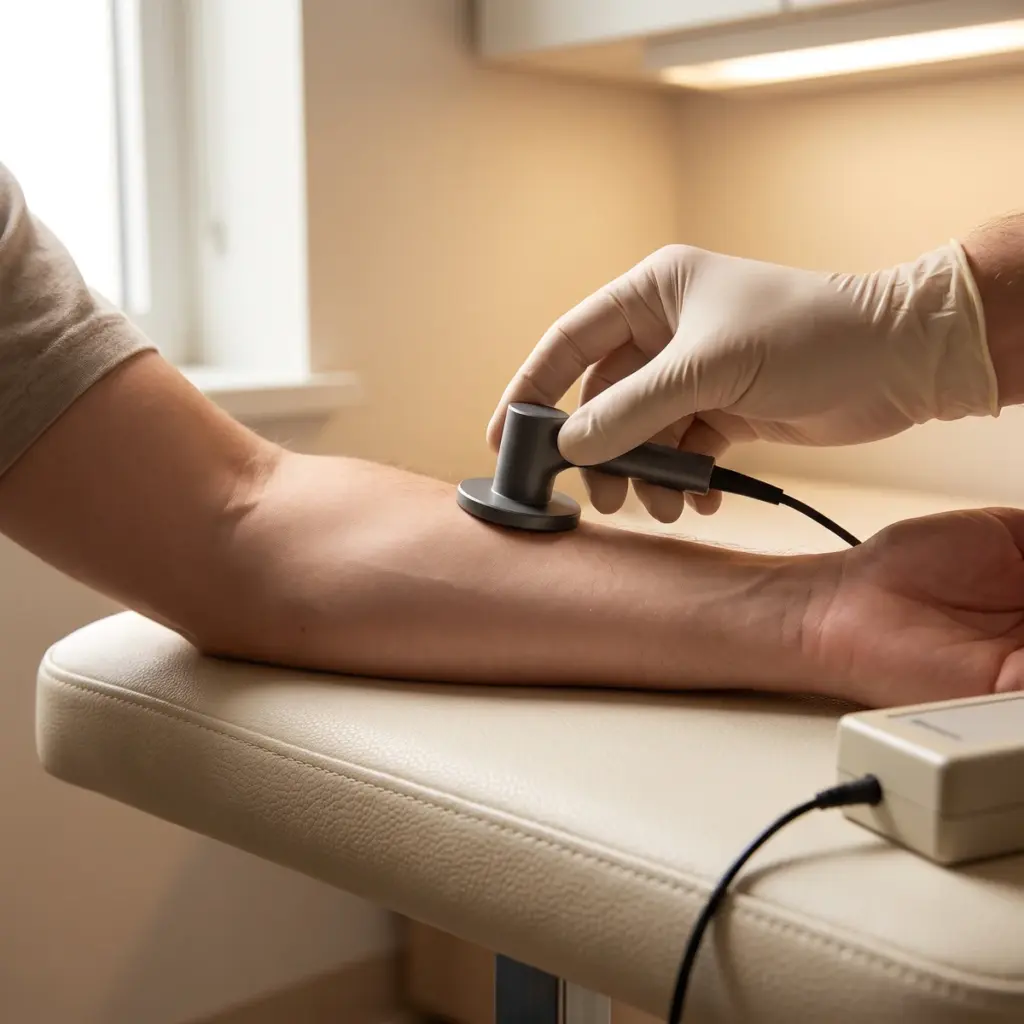
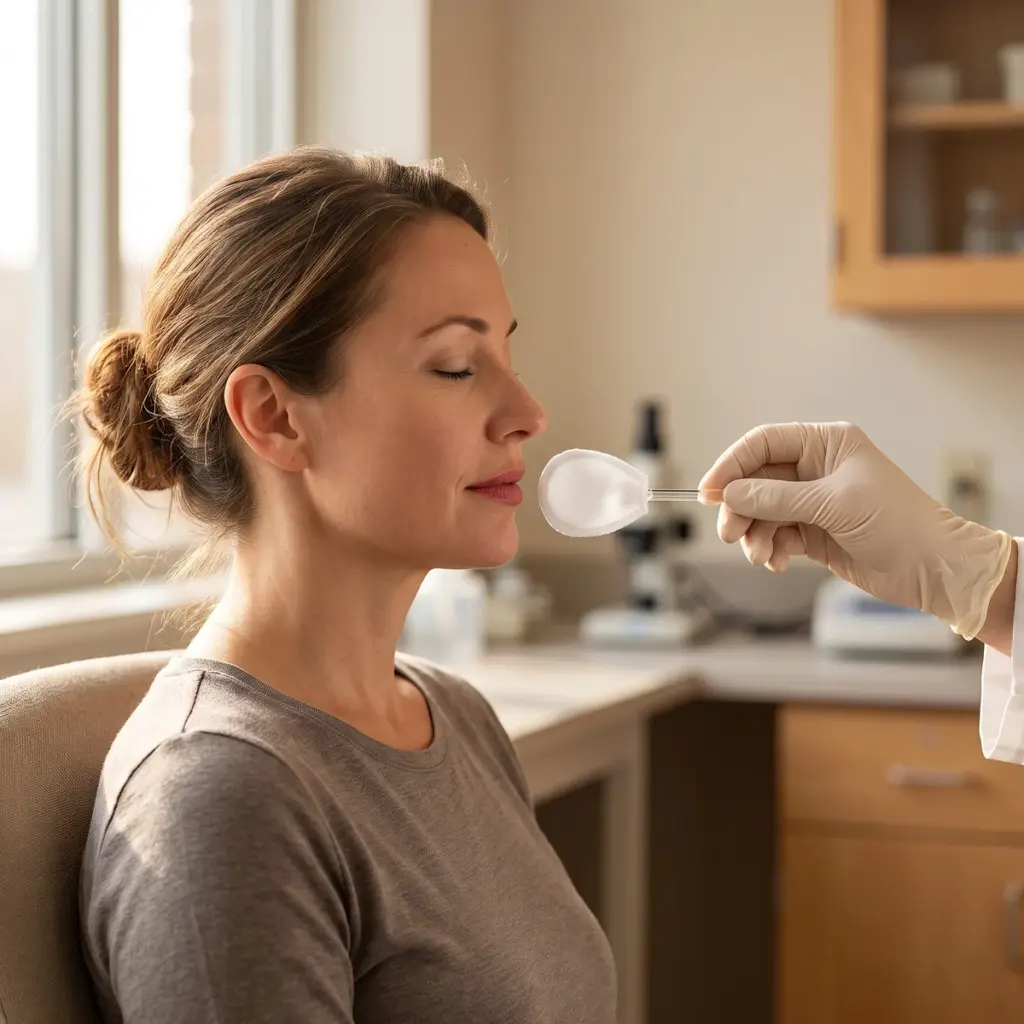
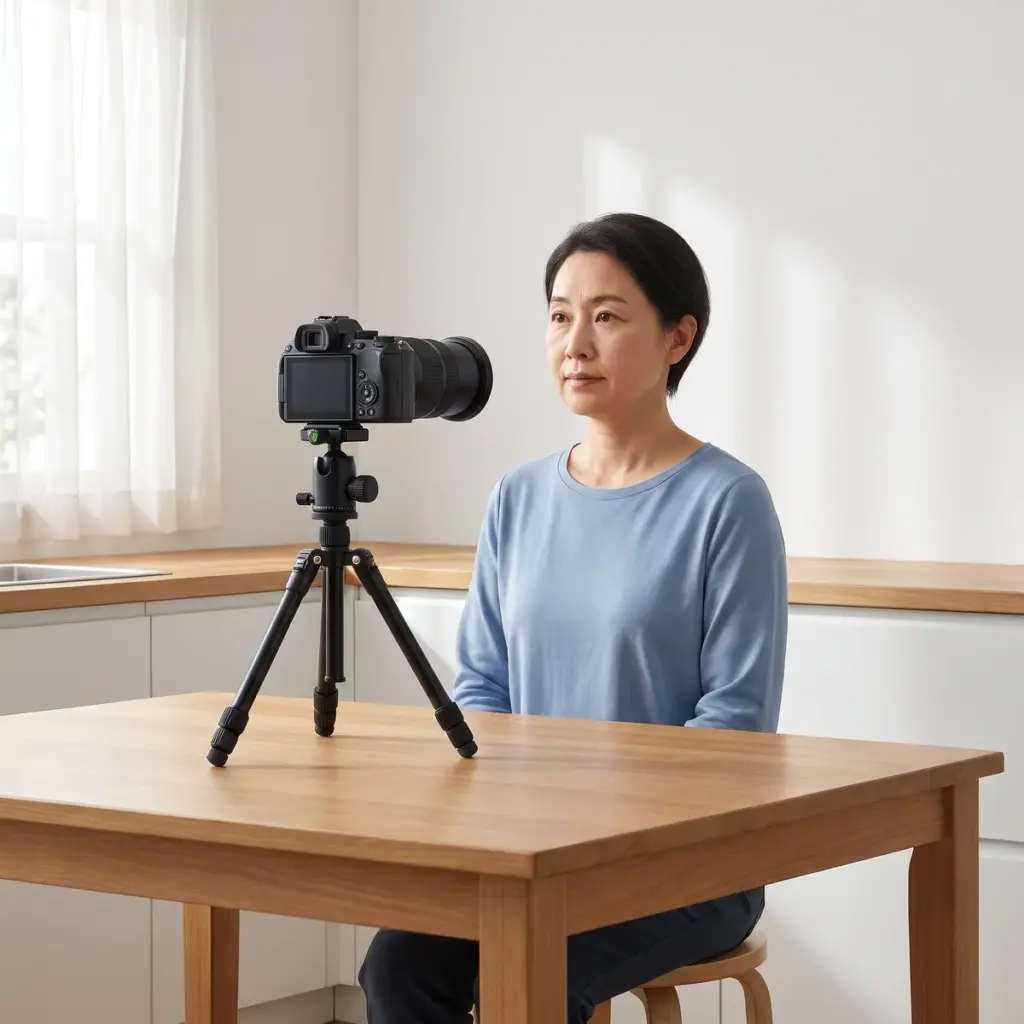
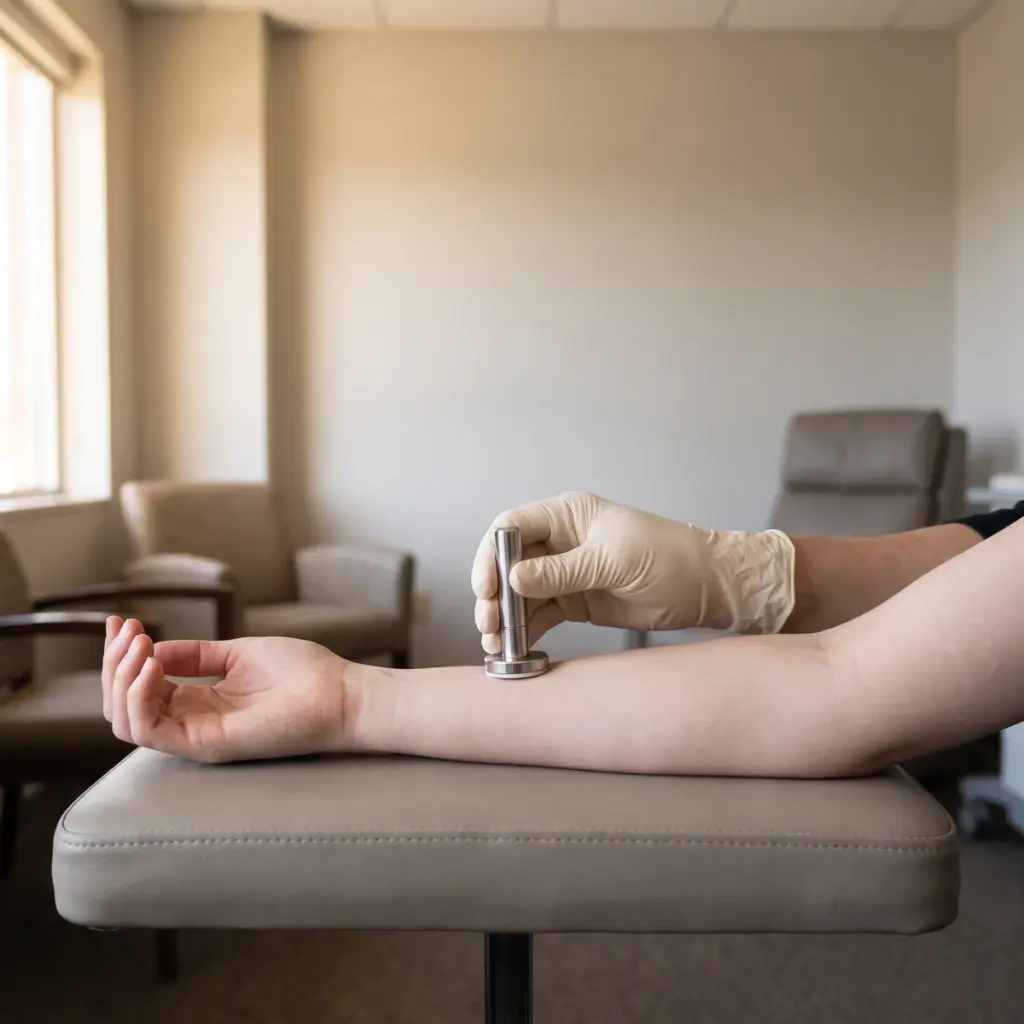
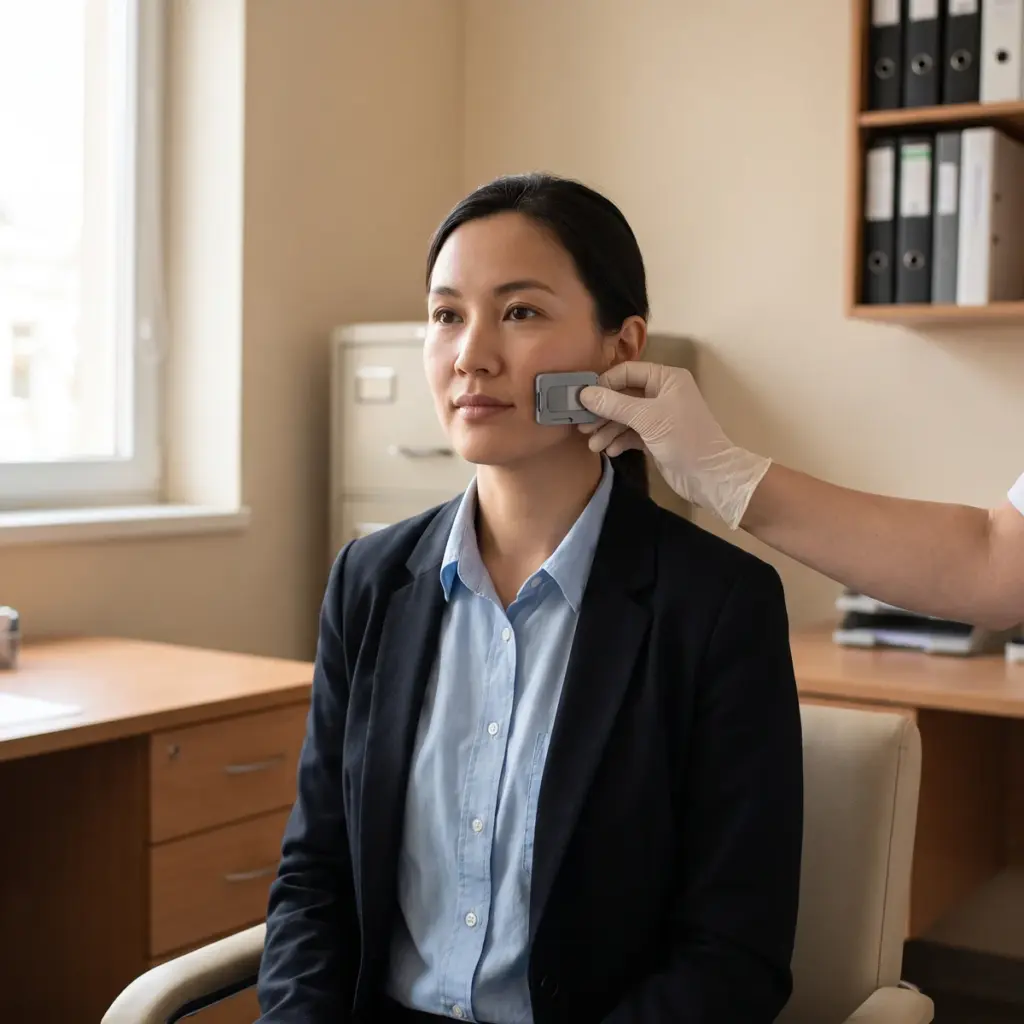
Oil-control and shine efficacy testing recruits people with oily or combination skin, usually confirmed by a baseline sebumeter reading on the forehead. Before each session the face is cleansed in a standard way and volunteers wait in a controlled room. The sebumeter tape is pressed to the T-zone, and its change in transparency gives the lipid quantity per area. Polarised or cross-polarised photographs, often with image analysis, quantify shine. Expert graders score oiliness and shine, and participants rate how matte their skin feels.
An immediate mattifying study takes readings at set hours after one application, which shows how long the matte finish lasts through the day. A repeated-use study measures sebum and shine on bare skin after several weeks, which shows whether the routine changes oiliness over time. Pore appearance is often recorded at the same visits.
Sebocyte and lipid mechanism studies
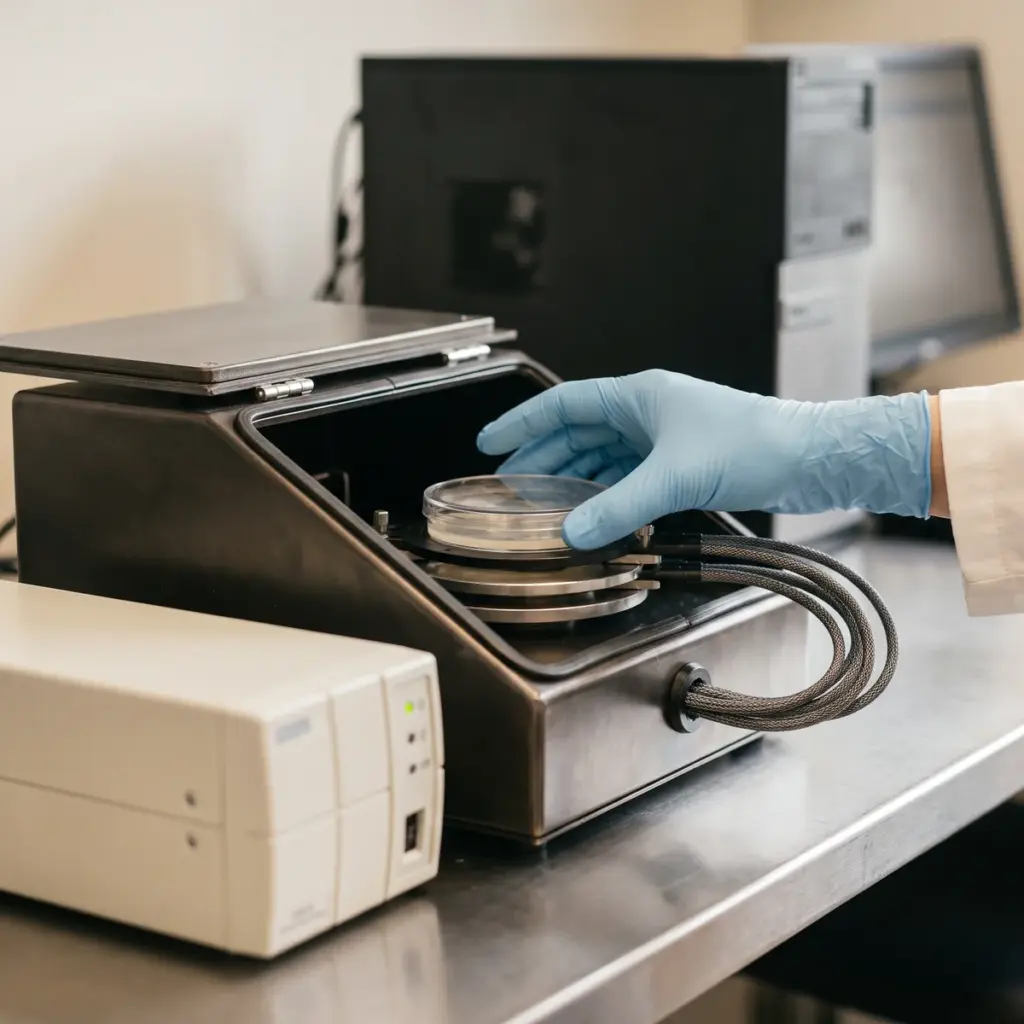
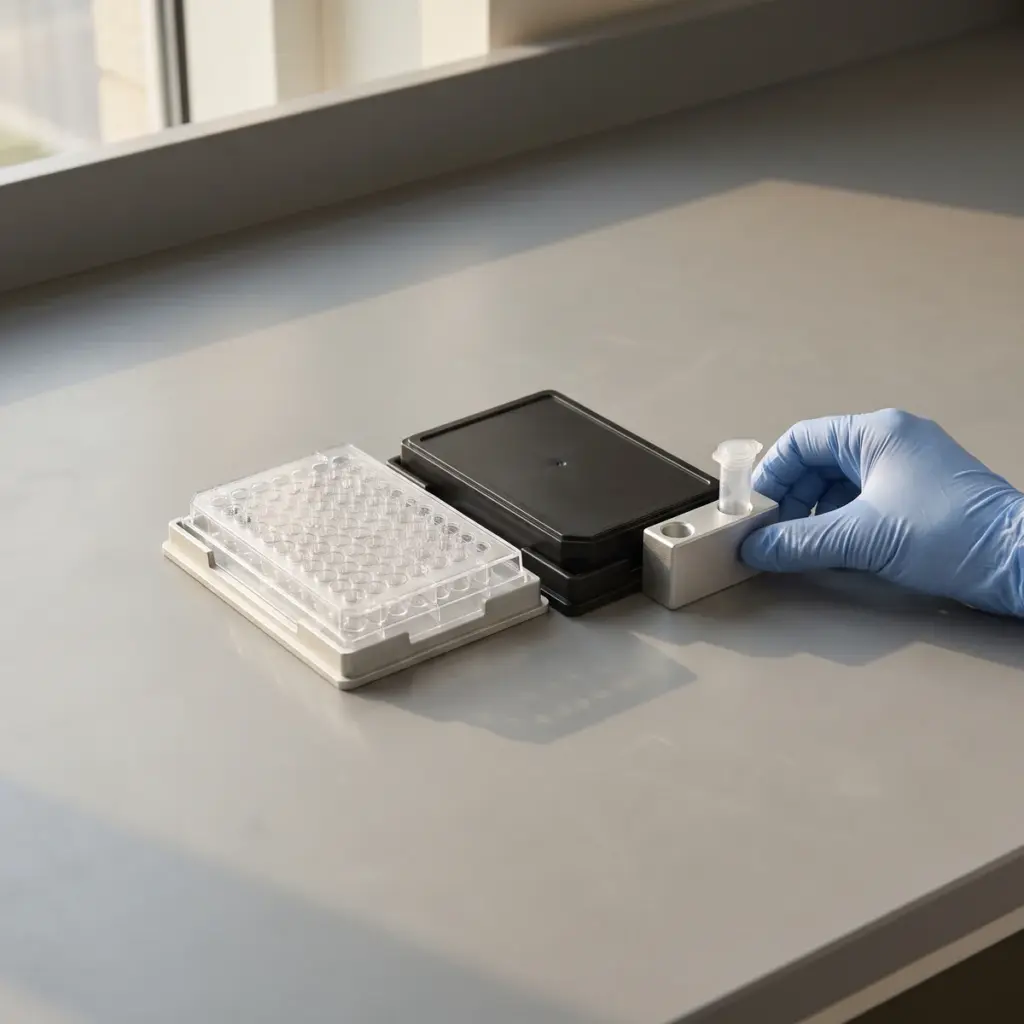
Sebaceous gland and oily-skin studies culture human sebocytes and stimulate lipid production, for example with an androgen or a fatty acid. Lipid stains such as Nile red, lipid profiling and markers of lipogenesis then show whether an active lowers output.
Sebumeter values, shine scores and lipid data
Expect sebumeter values and shine scores per time point, change against baseline and the untreated side, standardised photographs and questionnaire results. Laboratory work delivers lipid levels by concentration with stained cell images.
Services in Sebum Control Testing
Choosing a sebum control study for your product
Oil-control claims fall into two families with different study timetables, and a product can need one or both.
Instant mattifying or long-term oil control
The two claims need different timetables. A claim that skin stays matte through the working day comes from a kinetic study that reads the same sites at intervals through one day. “Visibly less oily skin after four weeks” comes from repeated use with readings on bare, cleansed skin at each visit. A powder or primer usually needs the first design only. A serum built around a sebum-regulating active usually needs both, plus sebocyte data on the active itself.
Setting up the panel
Oil production varies with season, climate and time of day, so tell the provider when you need results and where the product will be sold. Ask how it confirms oily skin at inclusion and whether volunteers must avoid other mattifying products during the study. Agree the zone to be measured, since the forehead and nose give higher readings than the cheeks.
Related studies
Shine is partly an optical property, so a foundation or tinted primer may need makeup wear and performance testing in addition. For oily skin with visible pores, texture endpoints can be added to the same visits.
More in Cosmetic Efficacy Testing
Cosmetic efficacy testing measures what a product or ingredient does for skin, hair, lips or nails, in volunteers or laboratory models, to back claims.