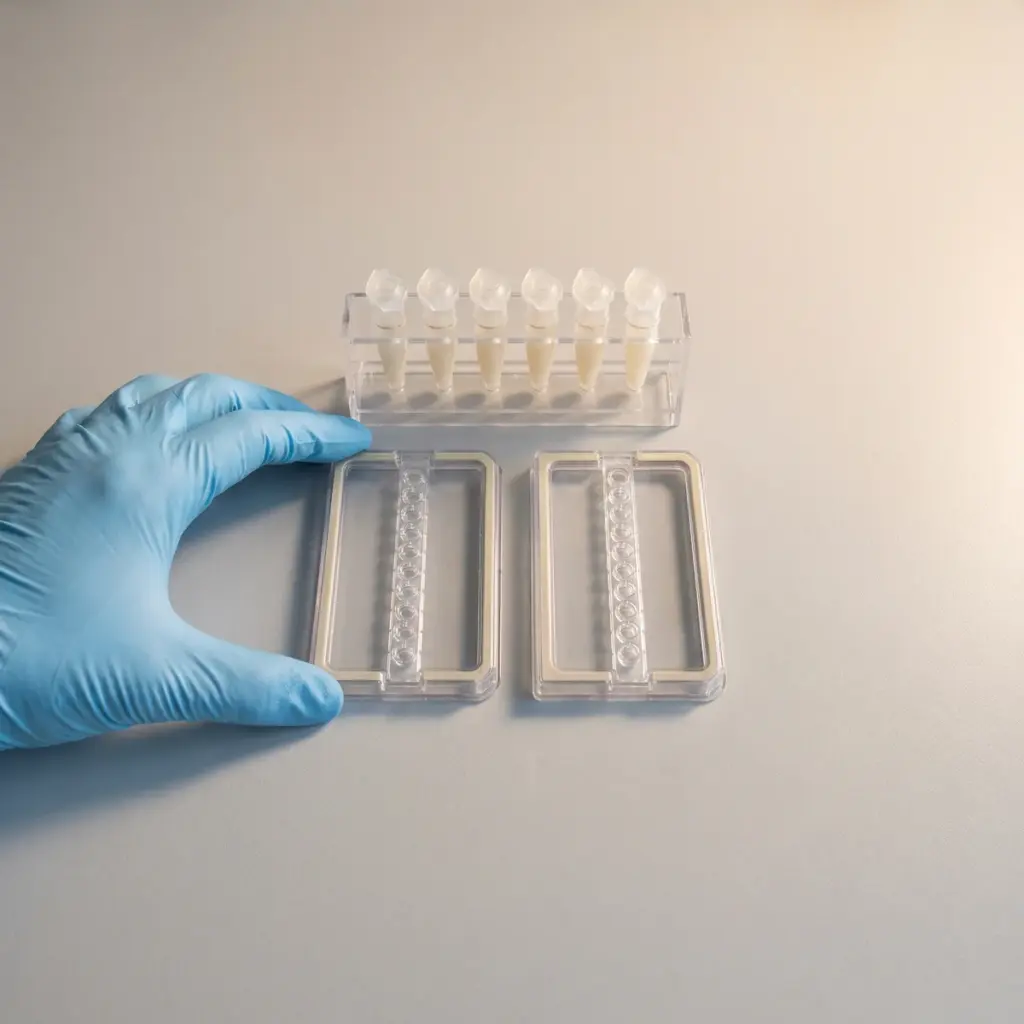
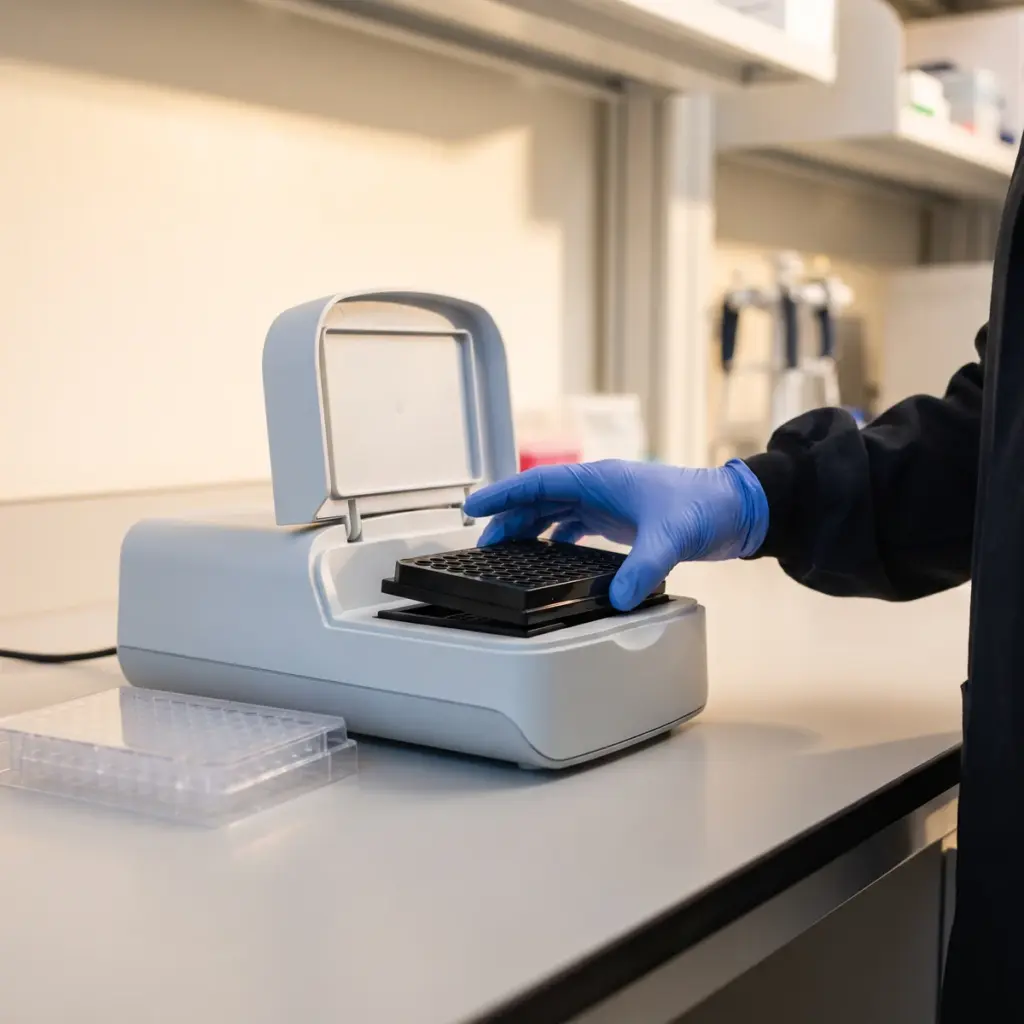
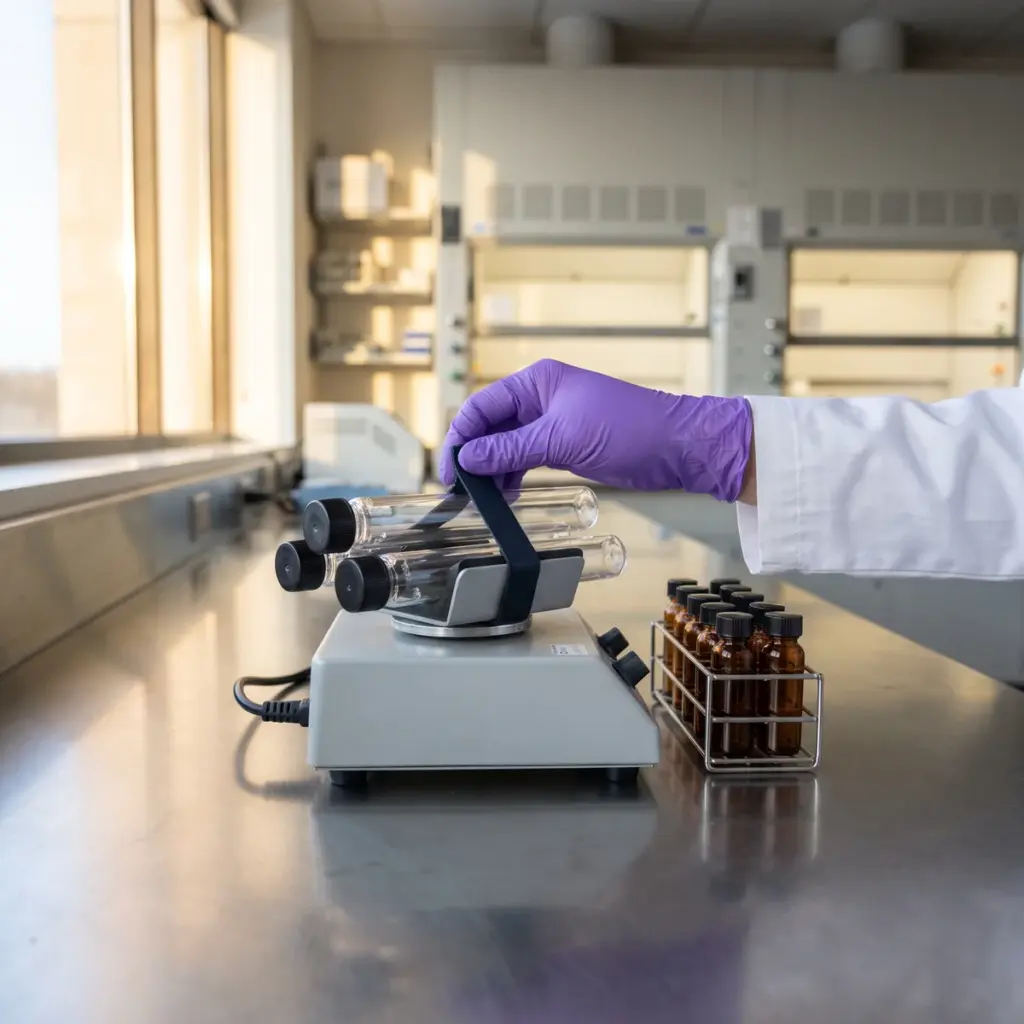
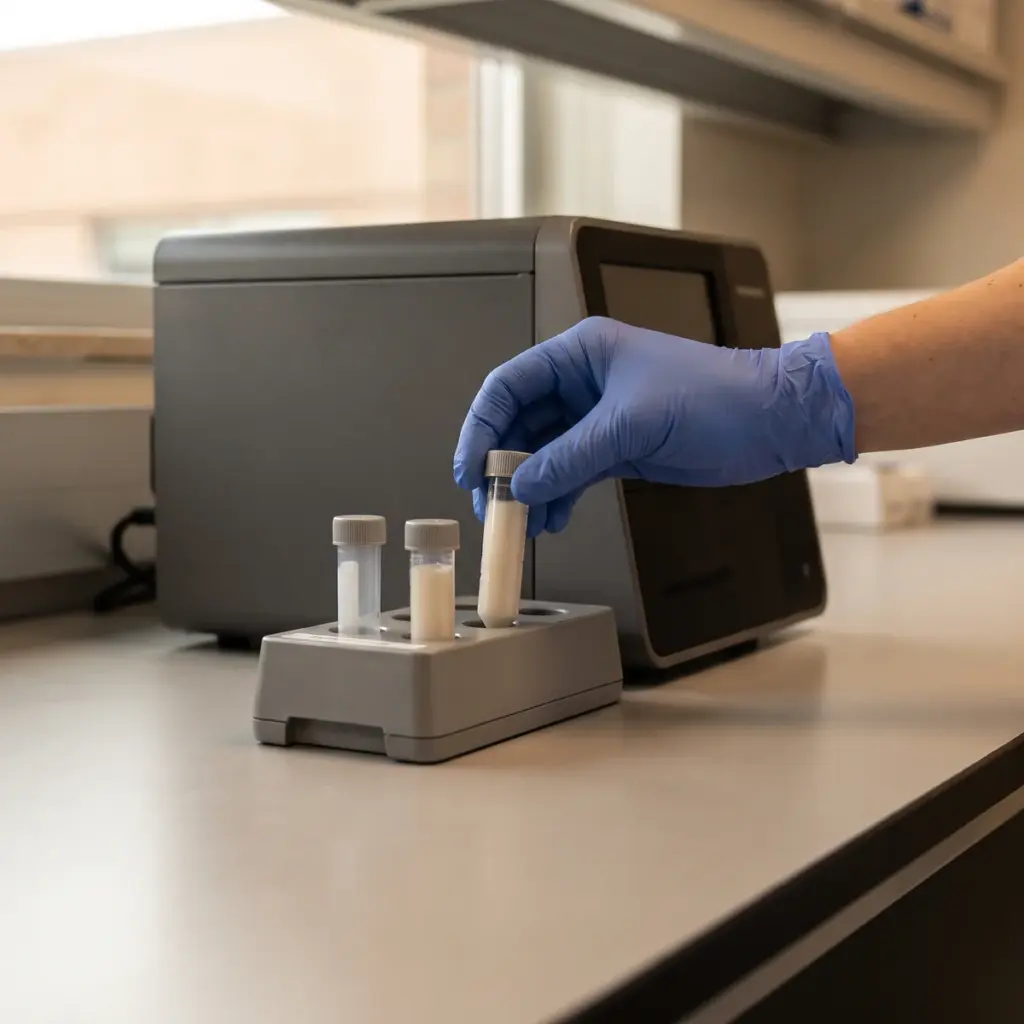
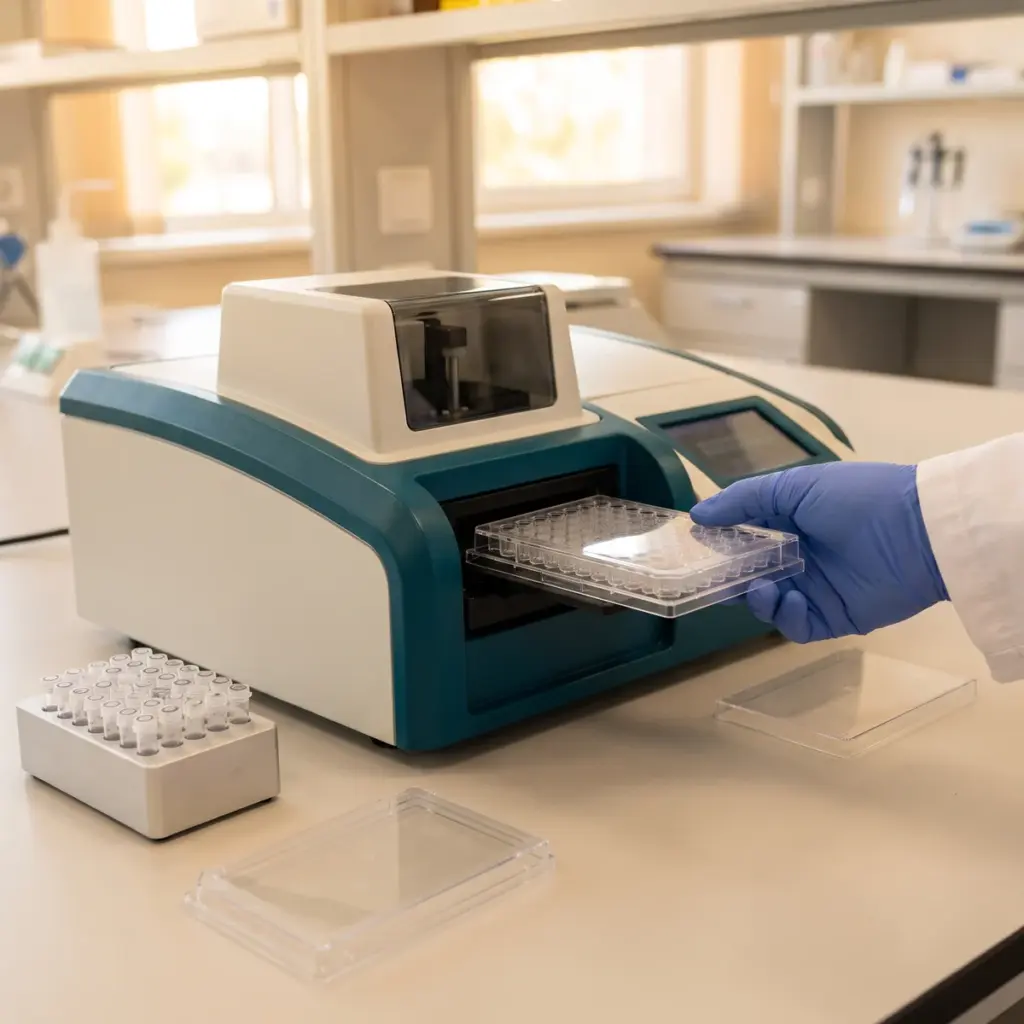
β-defensin expression overview
Do you provide β-defensin expression?
β-defensin expression testing by qPCR and ELISA
Human skin produces several β-defensins. hBD-1 is made constantly at a low level. hBD-2 is the most inducible: keratinocytes raise it sharply after contact with bacteria, with IL-1 or with certain microbial fragments. hBD-3 is also inducible and acts on a broad range of microbes. A focused defensin study measures how the test material moves these levels.
Models
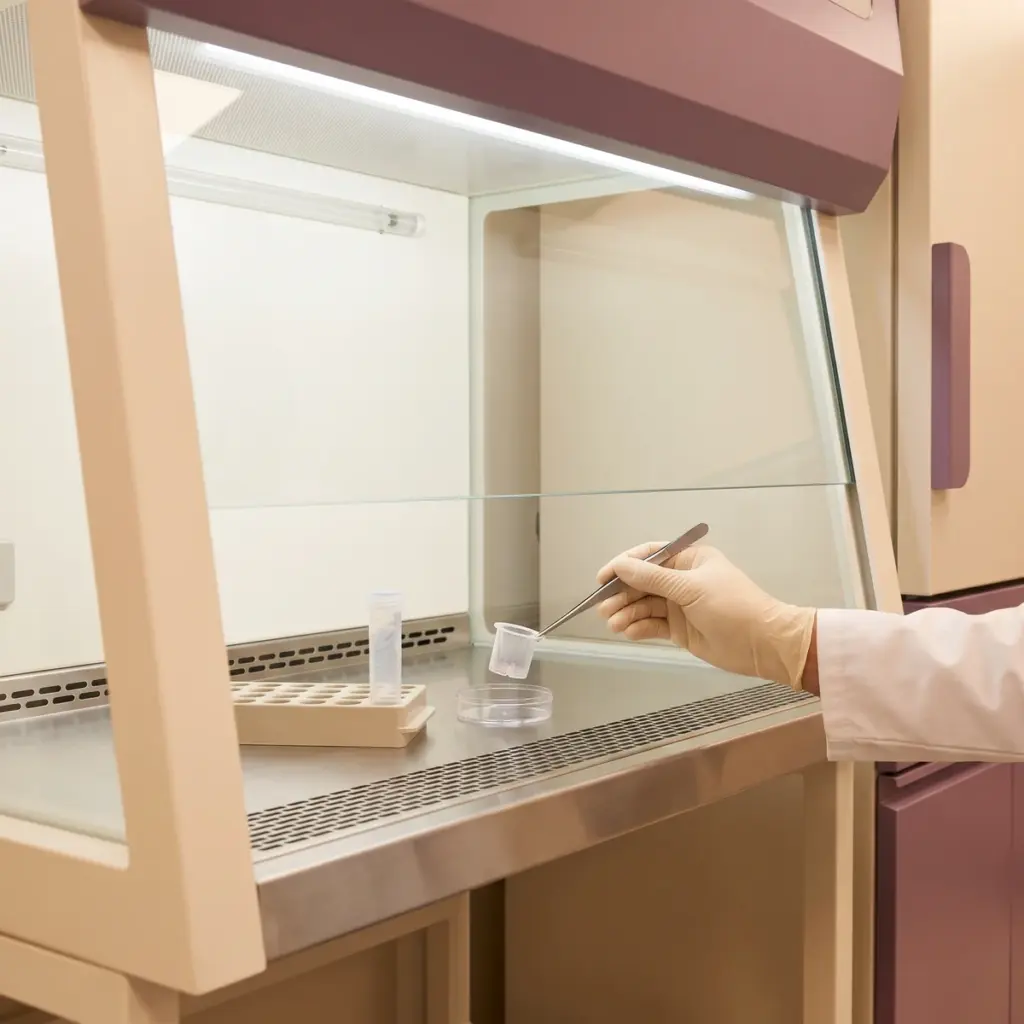
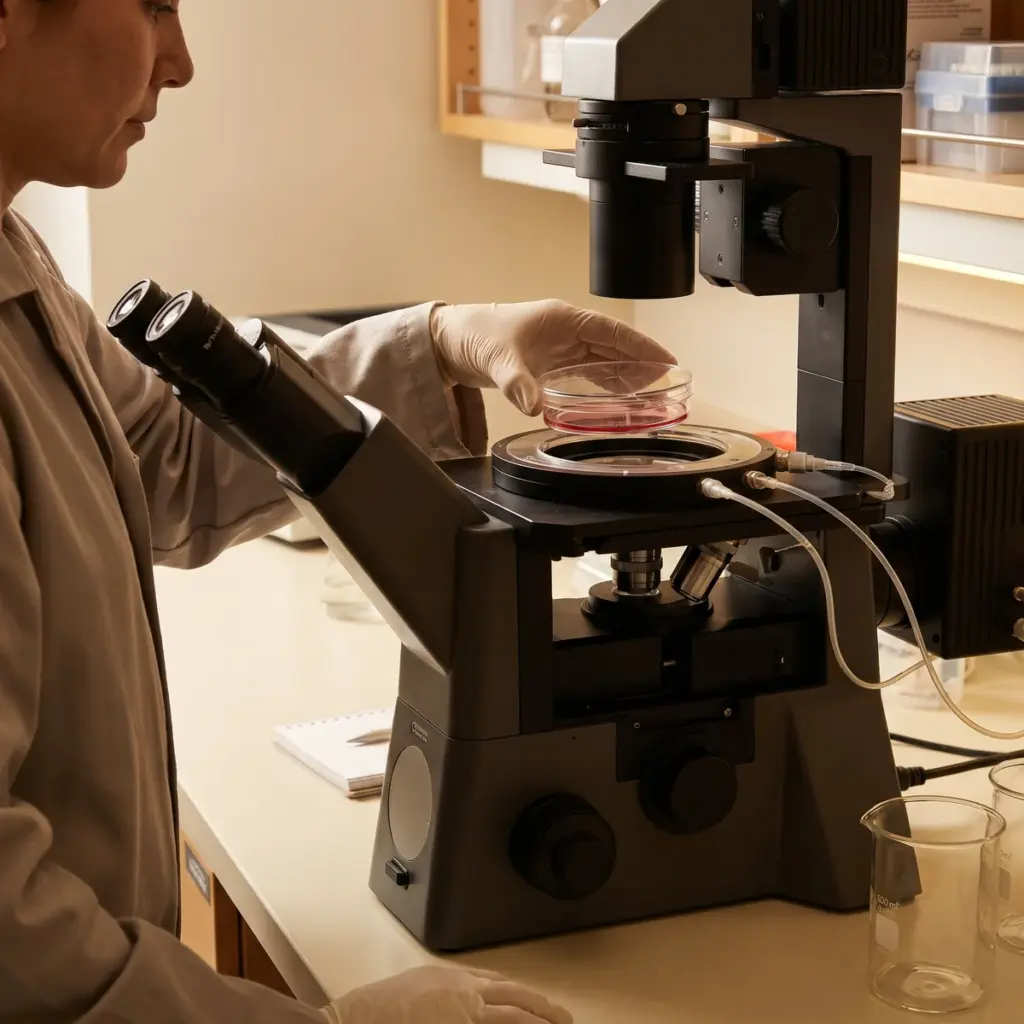
Primary human keratinocytes give a sensitive, low-cost screen. Reconstructed human epidermis has a stratum corneum and allows topical application of the finished product at in-use doses. For induced expression, cells or tissues can be co-stimulated with IL-1β, a TLR2 ligand or heat-killed skin bacteria, and the ingredient is tested for an additional or modulating effect.
Measurement steps
- Treatment at several concentrations and time points
- RNA extraction and qRT-PCR for DEFB1, DEFB4 and DEFB103
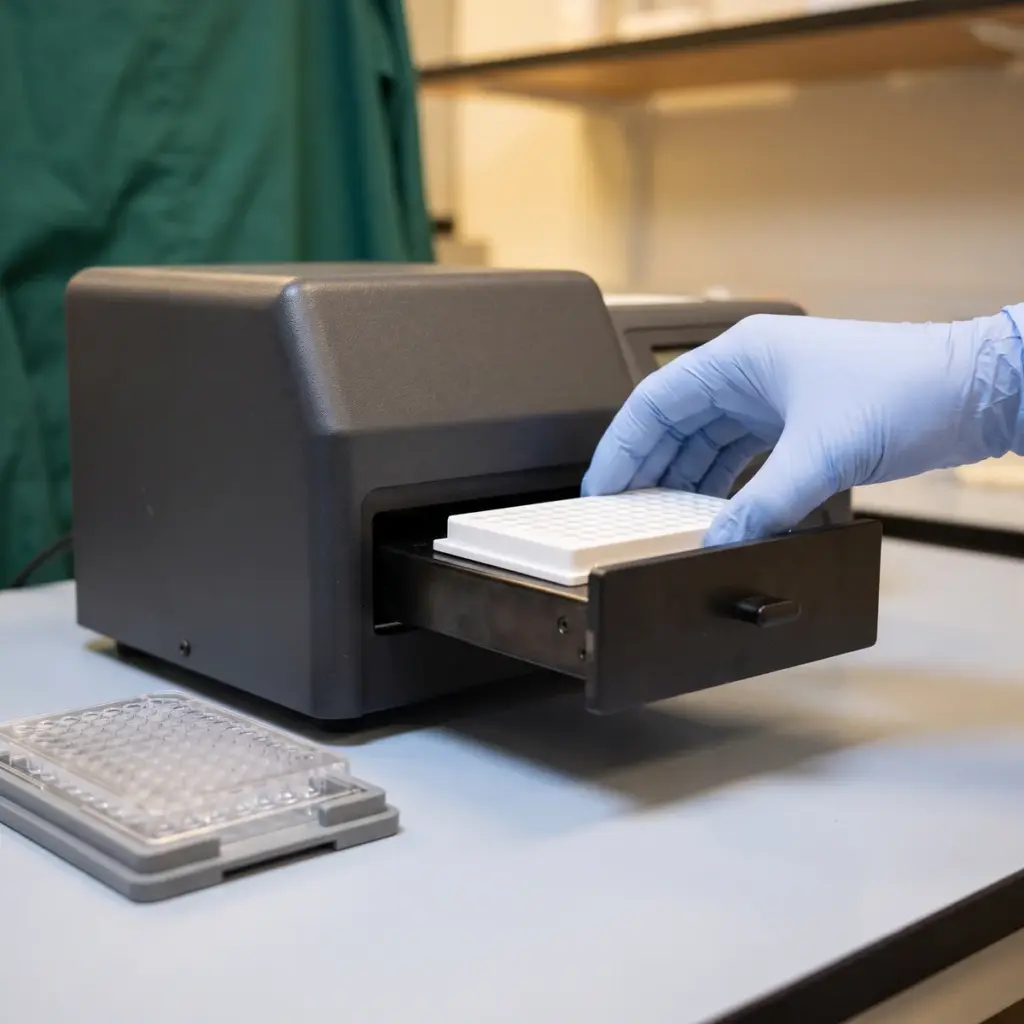
- ELISA of hBD-2 and hBD-3 in culture medium or tissue extract
- Optional immunostaining of tissue sections
- Viability measurement for each condition
Defensin fold change and protein concentrations reported
Gene expression is reported as fold change by the comparative Ct method, normalised to stable reference genes. Protein results are given in concentration units with the assay’s quantification range. Statistical comparison against vehicle, positive control values and viability are included, along with images where staining was performed. Seeing transcript and protein results side by side tells you whether the increase reaches the secreted peptide.
Using β-defensin expression results in claims and formulation
β-defensins are among the best documented antimicrobial peptides in human skin, so a clean defensin result is easy for a technical buyer to read. Most requests come from suppliers of ferments, lysates and plant extracts.
Gene or protein endpoint
qRT-PCR is fast and sensitive, and works well for screening many candidates or concentrations. ELISA confirms that more peptide is actually released, which carries more weight in a technical dossier. A common plan is a qPCR screen on keratinocytes followed by hBD-2 protein measurement on reconstructed epidermis for the selected candidate.
Reading defensin data alongside inflammation markers
hBD-2 rises with inflammatory signals as well as with defence-priming actives. Measuring IL-1α or IL-8 from the same samples lets you show that the defensin increase happens without a matching inflammatory surge, which is the profile a defence active should have. Laboratories offering cytokine profile modulation can add these markers at little extra handling.
Wider antimicrobial peptide studies
If the ingredient may act on several peptide families, a broader AMP production study including LL-37 and psoriasin gives a fuller picture before narrowing down to defensins.
More in Inflammation & Skin Immunity
Inflammation & Skin Immunity studies measure how an ingredient changes cytokine, neurogenic and innate defence responses in skin cells and tissue models.