Antimicrobial Activity Testing overview
Do you provide Antimicrobial Activity Testing?
Antimicrobial Activity Testing methods: MIC, time-kill and biofilm
Every study begins with an organism panel chosen for your product. A deodorant brief might include odour-forming skin bacteria such as corynebacteria and Staphylococcus hominis. A purifying skincare brief usually names Cutibacterium acnes and Staphylococcus aureus. Reference strains are identified by species and collection number, so the work can be repeated later.
Broth dilution and MIC
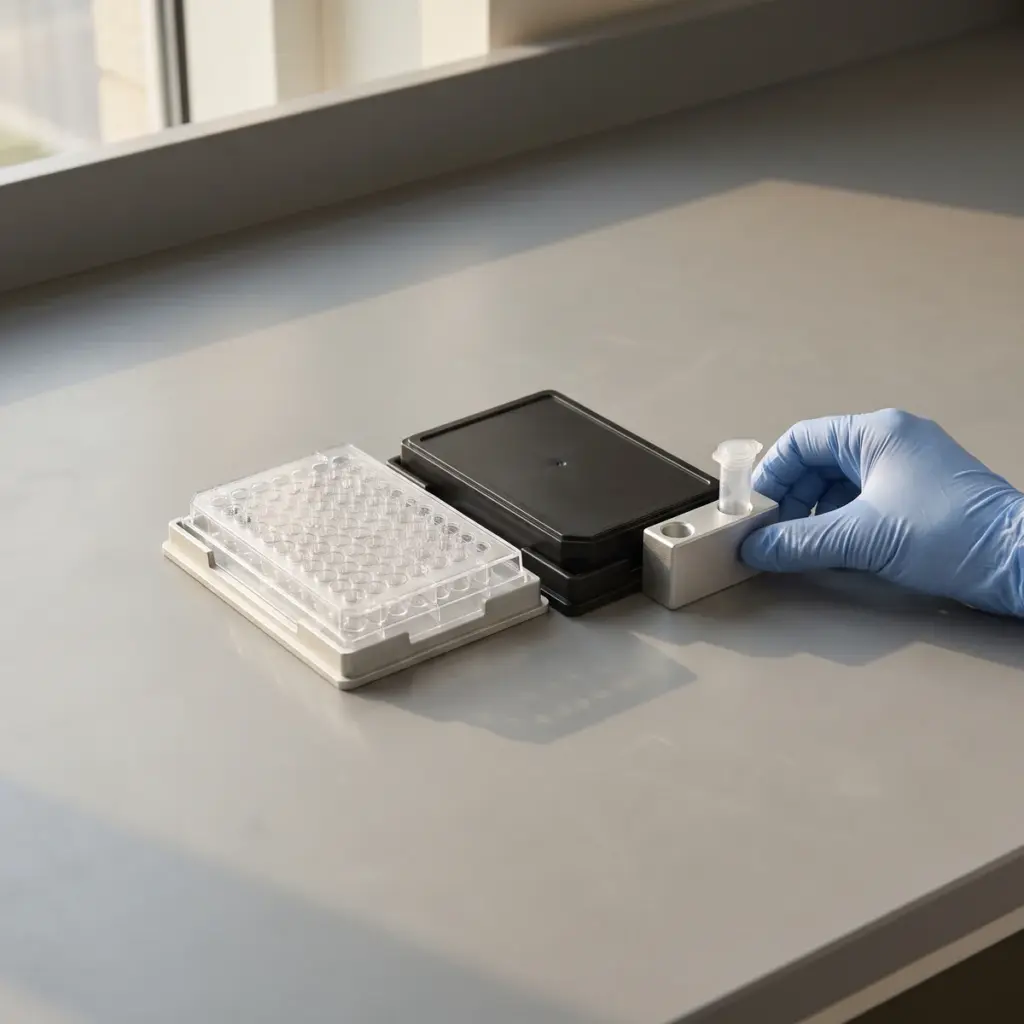
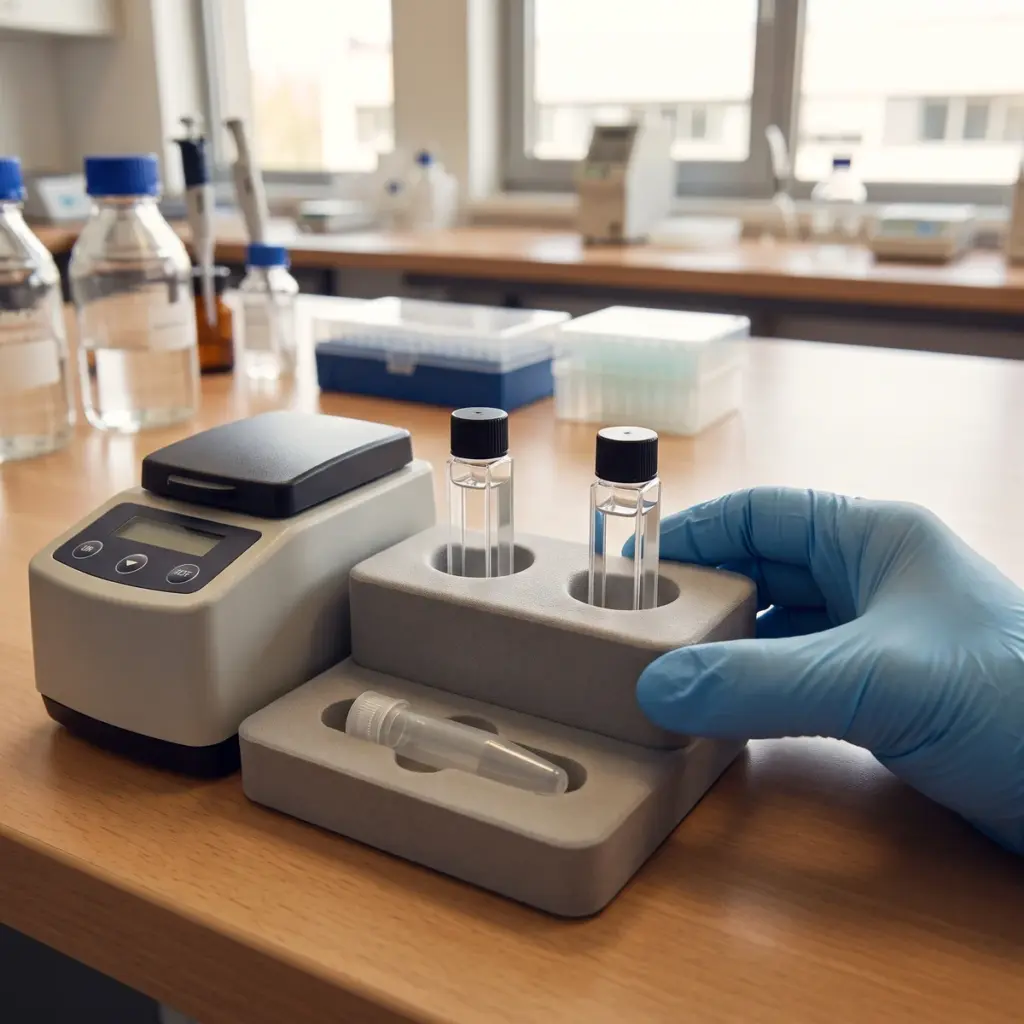
The test material is diluted in series in liquid medium and each dilution is inoculated with a standard count of the organism. After incubation, the lowest concentration with no visible growth is the minimum inhibitory concentration. Subculturing the clear wells gives the minimum bactericidal or fungicidal concentration. MIC values let you rank several actives against the same organisms on one plate.
Time-kill studies
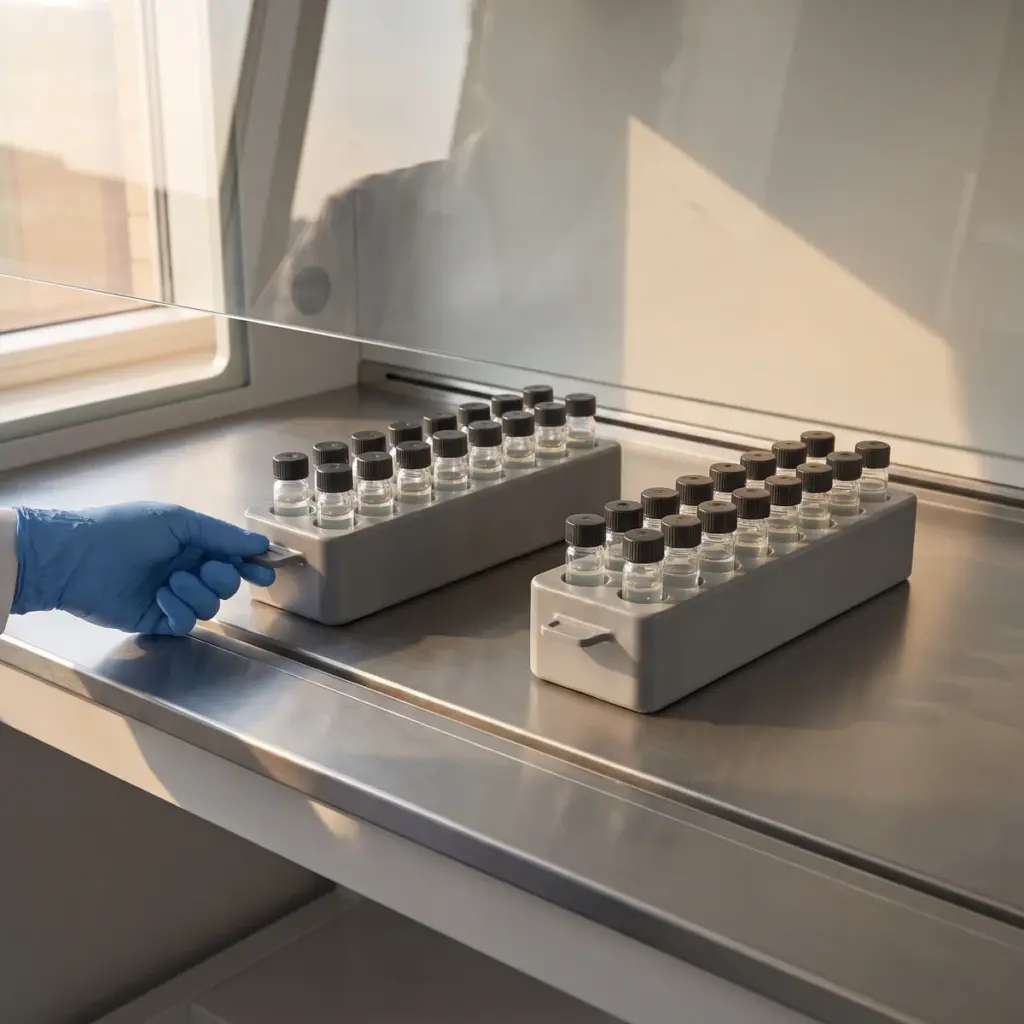
A time-kill study mixes the sample with a known inoculum and withdraws aliquots at set contact times, for example after minutes and hours. A validated neutraliser stops the activity at each point, and viable organisms are counted on agar. The output is a log reduction curve that shows how fast and how far the population falls.
Diffusion screens and biofilm assays
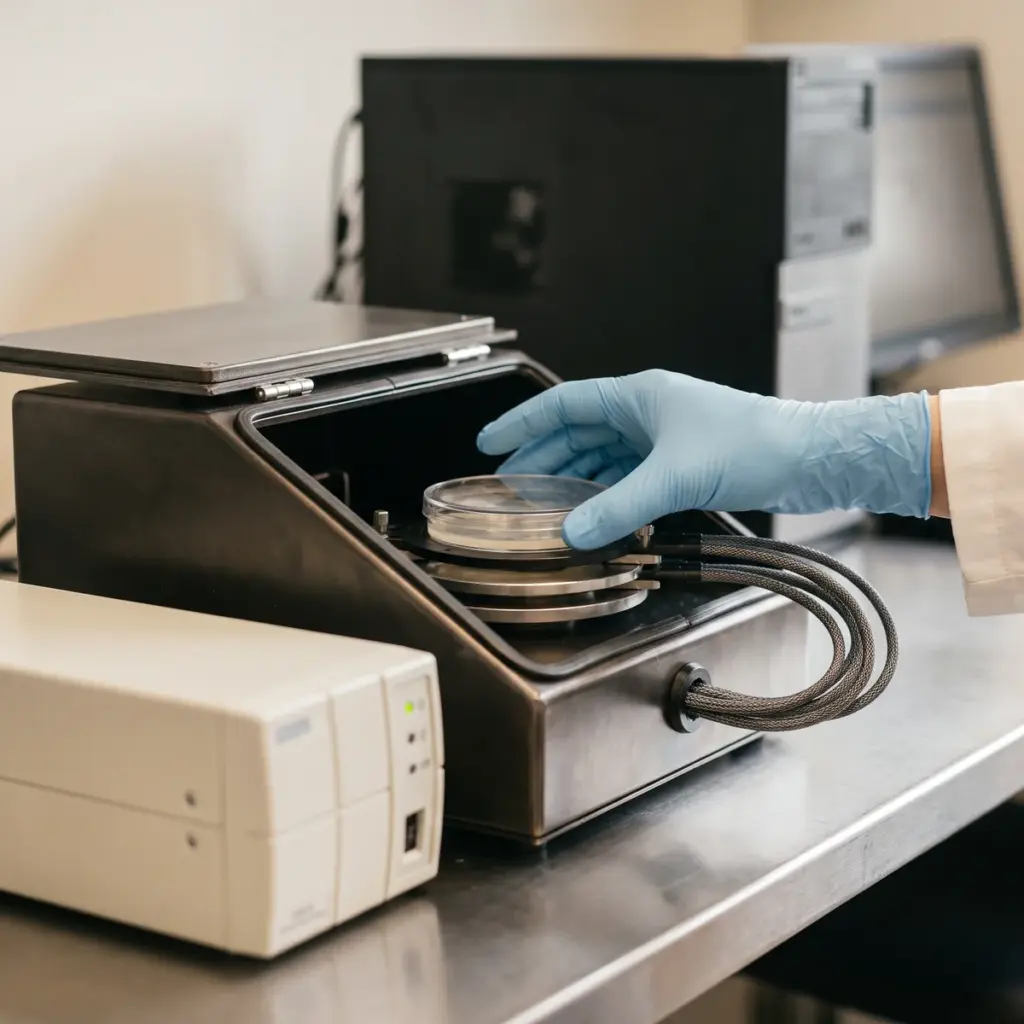
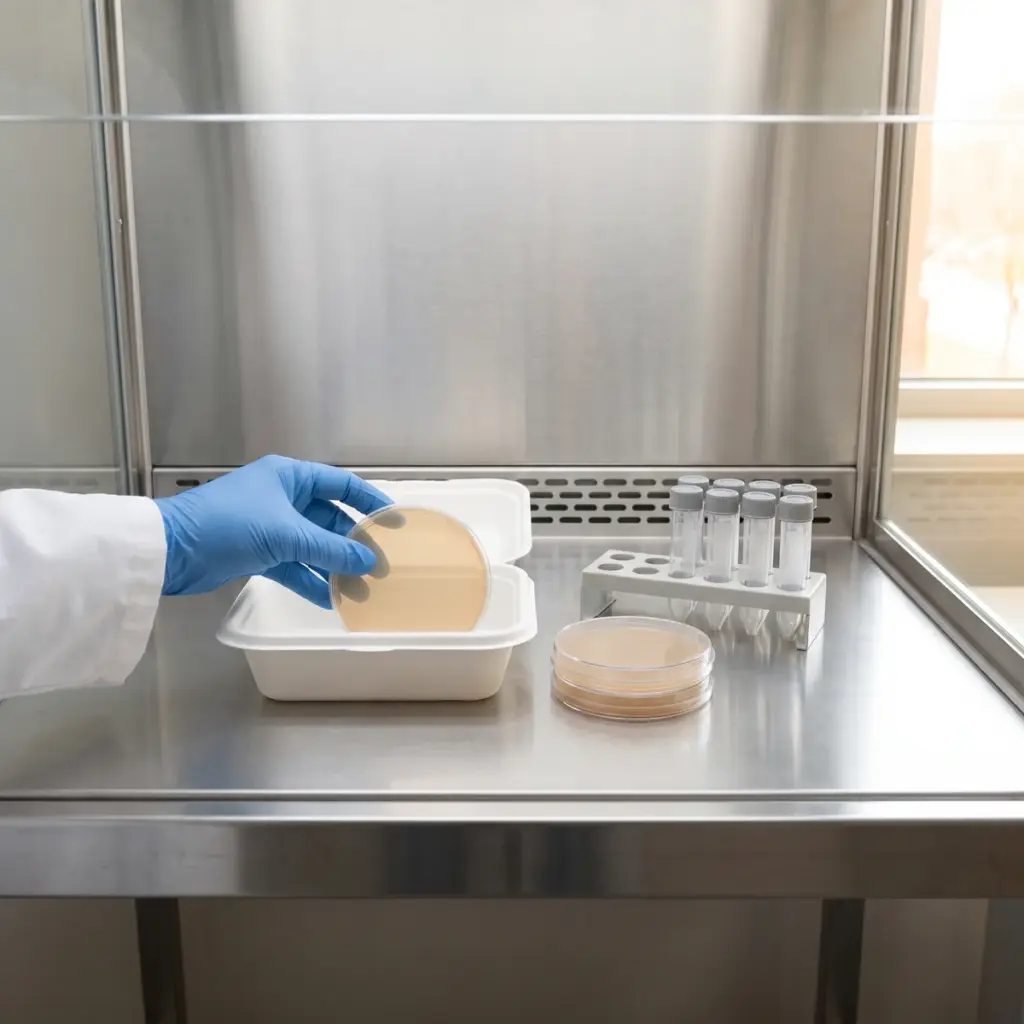
Agar diffusion places the sample in a well or on a disc and measures the clear zone around it, a quick first screen for many extracts. Biofilm assays grow bacteria on plates or coupons, then quantify the attached biomass with crystal violet staining or count the surviving cells after treatment.
Controls and your report
Each run includes growth, sterility, vehicle and reference antimicrobial controls, and neutraliser validation for count-based methods. The report gives MIC and MBC tables, log reduction values at each time point, zone diameters or biofilm results, and the strains and conditions used.
Putting Antimicrobial Activity Testing to work in development
The test is most useful early, while you are still choosing actives and setting their concentration in the formula.
Choosing the organism panel and endpoint
Pick organisms that match the benefit your product is built around. Underarm products are tested on odour-forming bacteria, scalp products often include the yeast Malassezia, and purifying face care uses C. acnes. Use MIC to rank actives and set a working concentration. Use time-kill when the claim depends on speed, such as a rinse-off cleanser in contact with skin for a short time. Add a biofilm assay if the target bacteria live in attached communities on the skin surface.
Where it sits next to other microbiology work
Antimicrobial activity testing describes the effect on target organisms. Preservation of the finished formula is assessed separately with a challenge test such as ISO 11930. If you also want to show that your product spares beneficial skin bacteria, add a commensal panel from microbiome interaction studies, so inhibition of the target and tolerance of residents are measured side by side.
Safety data sheet, carrier and preservative details to send
Send the material safety data sheet, the solvent or carrier, the concentration range and whether the sample is an ingredient or a finished product. Coloured, oily or turbid samples can interfere with optical readings, so the laboratory may recommend plate counts. Mention any preservative in the formula, because it affects neutraliser choice.
More in Cosmetic Efficacy Testing
Cosmetic efficacy testing measures what a product or ingredient does for skin, hair, lips or nails, in volunteers or laboratory models, to back claims.