Neurogenic reduction overview
Do you provide Neurogenic reduction?
Neurogenic reduction testing across the nerve-to-skin cascade
Neurogenic inflammation links a sensation to a visible reaction. A trigger activates a sensory nerve, the nerve releases calcitonin gene-related peptide (CGRP) and substance P, and these peptides dilate blood vessels and prompt skin and immune cells to release inflammatory cytokines. Studying the cascade as a whole shows where an active acts and how much of the downstream response it removes.
Innervated skin models
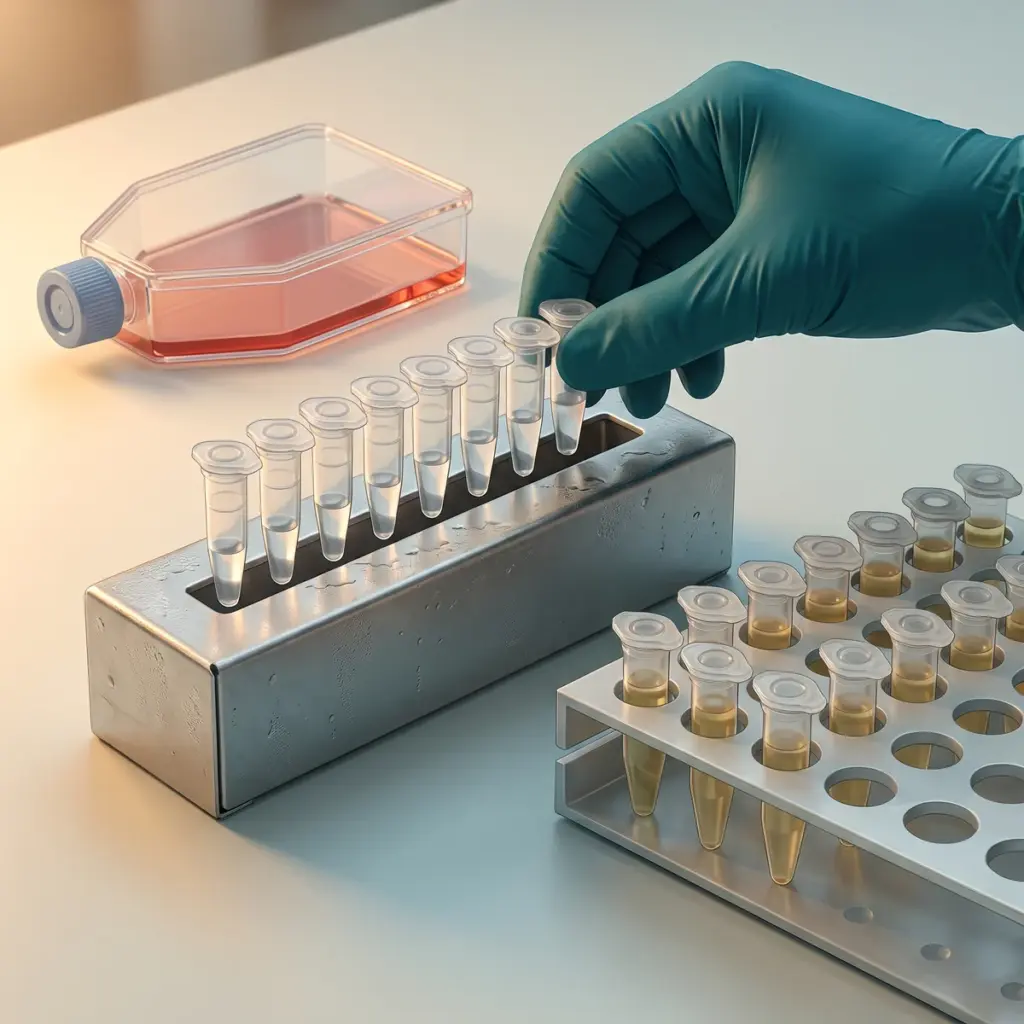
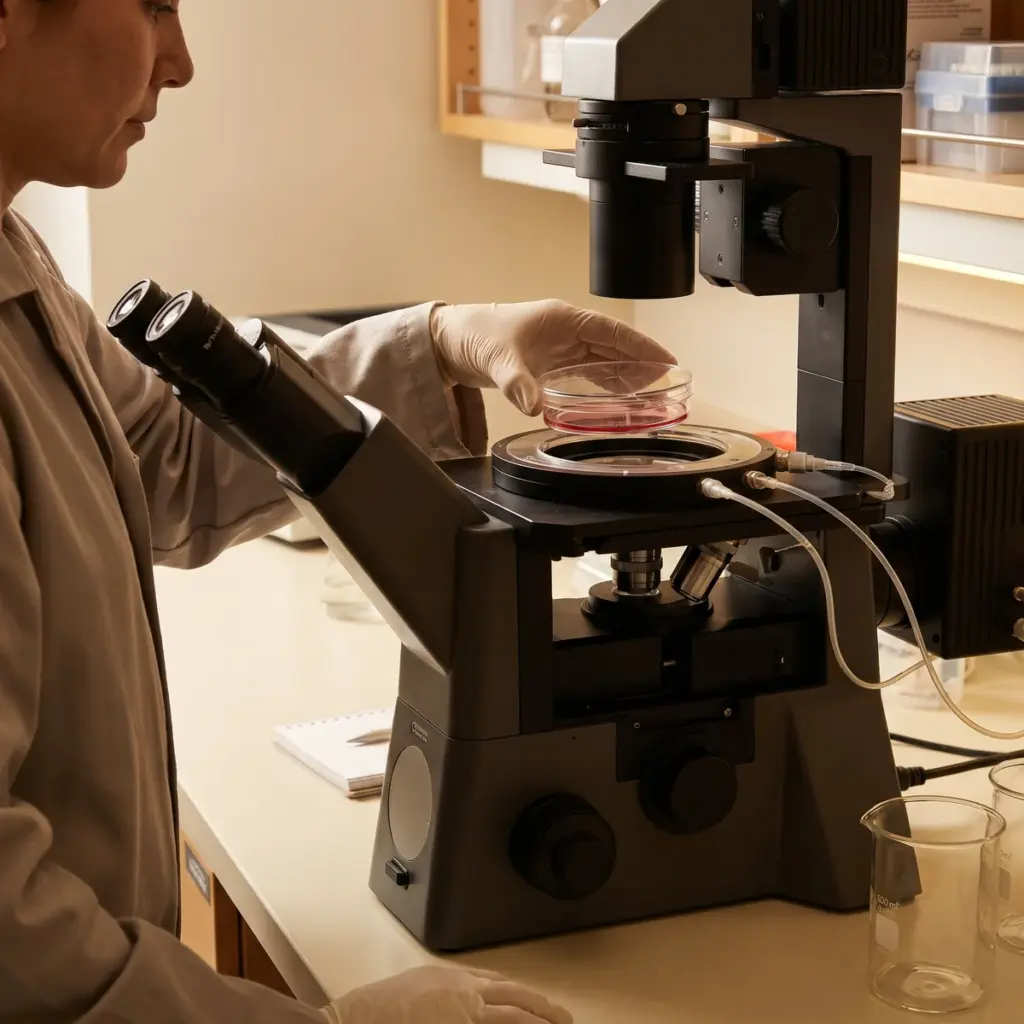
The central tool is a co-culture of sensory neurons with keratinocytes or with a reconstructed epidermis. Some systems place neurons in a separate compartment so that their axons grow towards the skin cells, which lets the test material be applied to the skin side only. Neuron-only cultures are used for faster screening of release.
Study sequence
- Culture and maturation of the neuron or co-culture model
- Pre-treatment with the test material and controls
- Challenge with capsaicin, heat or another defined stimulus
- Sampling of medium and cells at set time points
- Analysis of nerve activation, neuropeptides and cytokines
Endpoints along the cascade
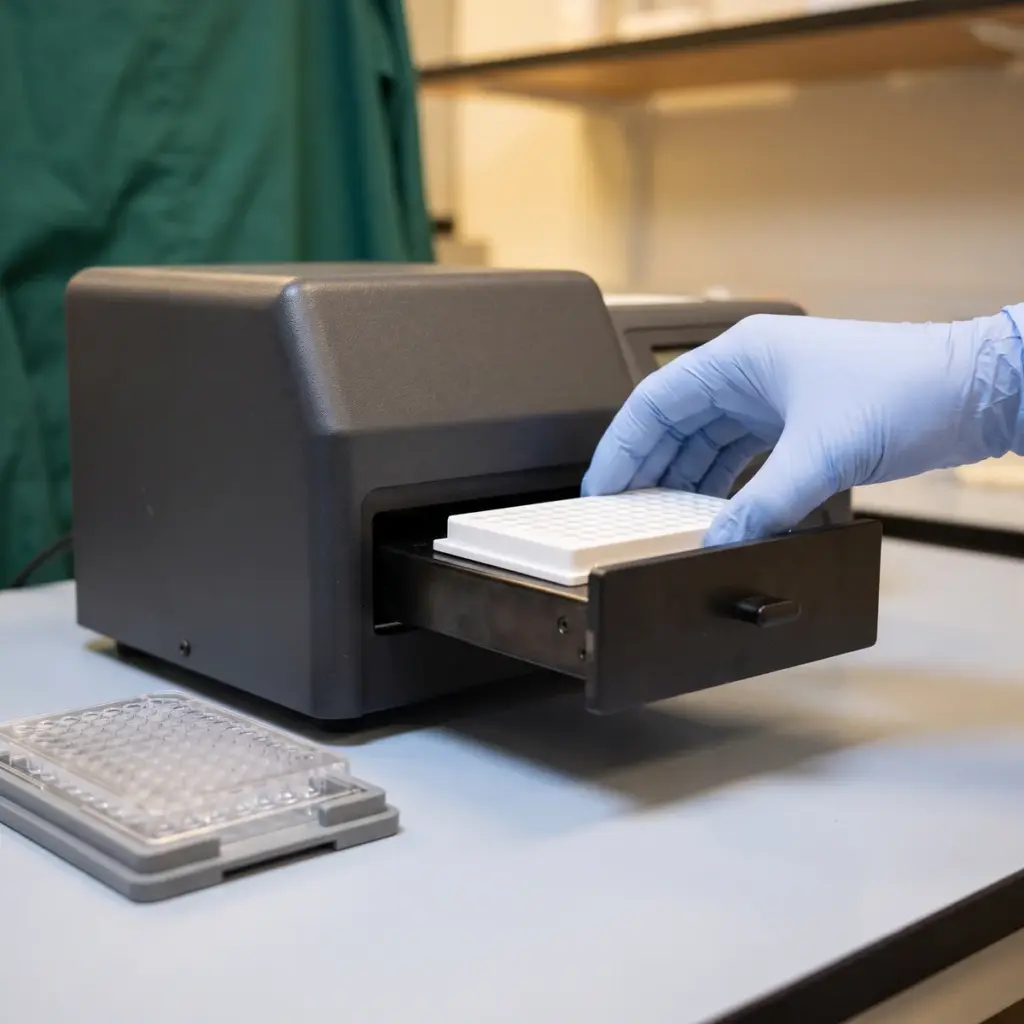
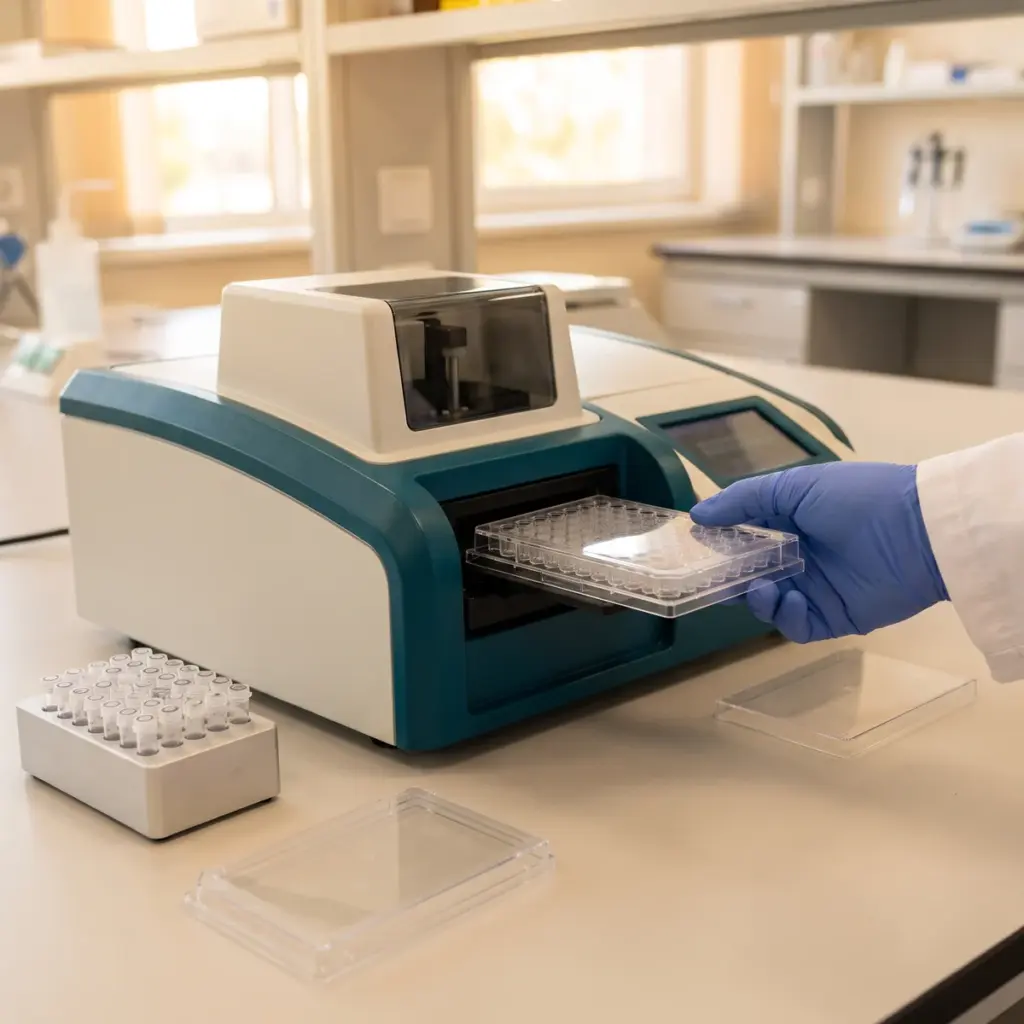
Calcium imaging records how many neurons fire after the challenge. ELISA quantifies CGRP and substance P in the medium. Cytokines released by the skin cells, such as IL-6, IL-8 and TNF-α, are measured by ELISA or multiplex bead assay, and gene expression can be added by qPCR. Viability is checked in both cell types.
The report sets out each endpoint against the challenged control and a reference soothing compound, with dose-response data and statistics, so you can see which stage of the cascade the active changes most.
Where neurogenic reduction data fits in a soothing claim
A neurogenic study is the most complete of the sensory assays and also the most involved to set up, since the neurons need time to mature and connect with the skin cells.
Single marker or full cascade
If you only need to show that an active quiets the nerve itself, a TRPV channel assay or a release study is faster and cheaper to run. The neurogenic model earns its place when the claim concerns both sensation and redness, or when a supplier wants a single study showing nerve activity, neuropeptide release and skin-cell response in one design.
From the laboratory to a comfort panel
Results from an innervated model are a strong basis for choosing the dose and the formula that go into human testing. The volunteer study then measures what consumers notice: stinging scores, comfort ratings and redness measured with a chromameter after a controlled trigger. Sensitive skin comfort studies group these approaches for reactive-skin products.
Neuron co-culture and CGRP release validation
Ask whether the neurons are human, from stem cells, or rodent, and how the co-culture has been characterised. A provider should be able to show that its model responds to capsaicin with a reproducible CGRP release and that a reference inhibitor reduces it. Check whether topical application of a finished product is possible, or whether the model accepts only materials dissolved in the culture medium.
More in Inflammation & Skin Immunity
Inflammation & Skin Immunity studies measure how an ingredient changes cytokine, neurogenic and innate defence responses in skin cells and tissue models.