C. acnes inhibition overview
Do you provide C. acnes inhibition?
How C. acnes inhibition assays quantify antimicrobial activity
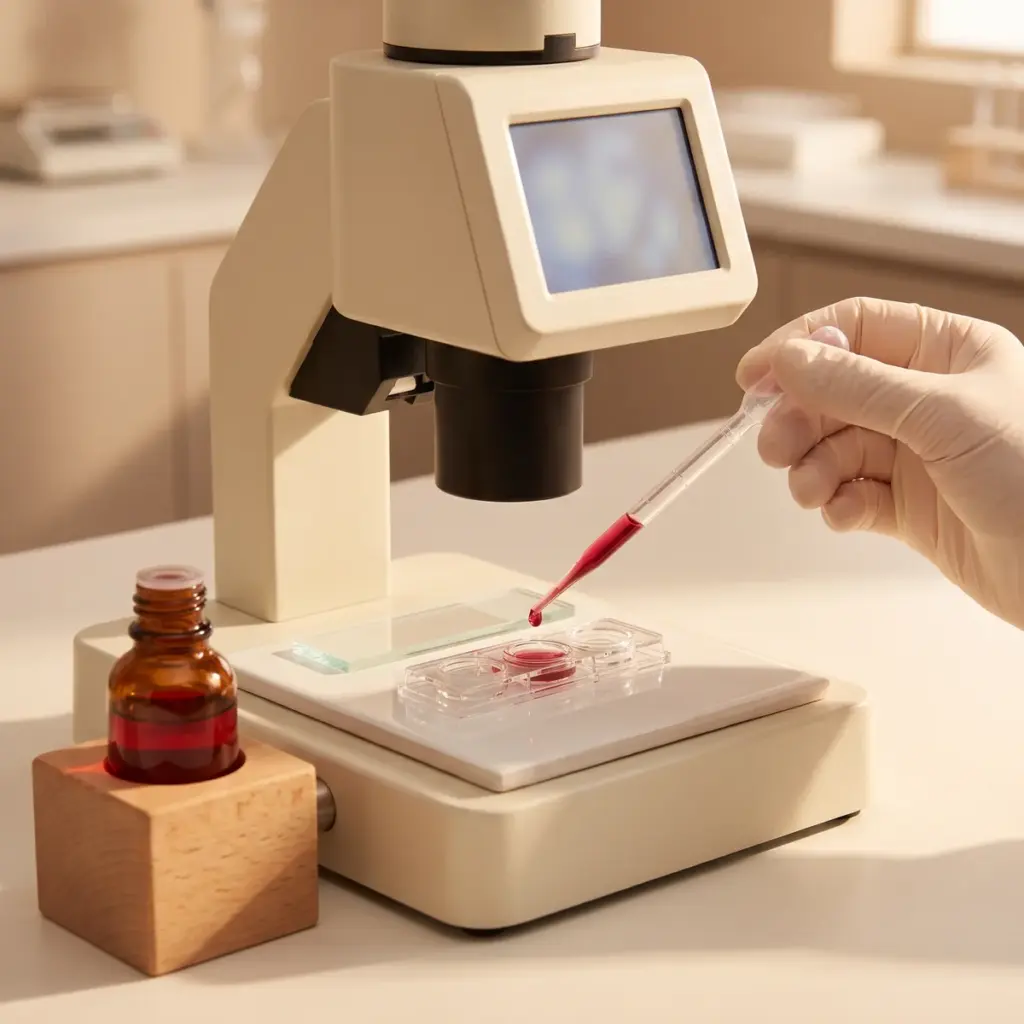
Cutibacterium acnes, formerly Propionibacterium acnes, is a resident of sebaceous skin whose behaviour varies by strain. The service measures what your ingredient does to its growth and survival, using identified C. acnes strains grown in anaerobic culture. Method choice follows the sample and the question you are asking.
Culture methods and endpoints
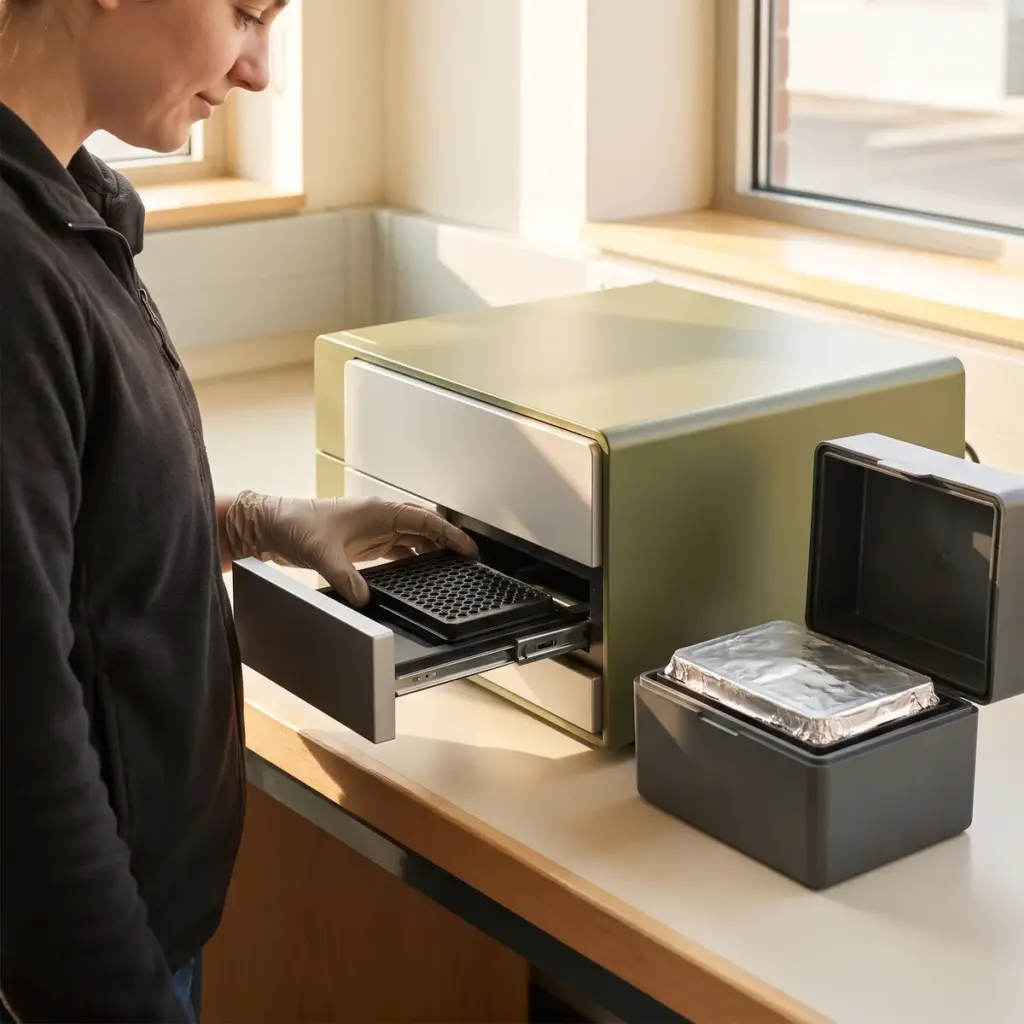
Broth microdilution gives a minimum inhibitory concentration when the material dissolves and the method allows a clean read. Time-kill studies track viable counts over an exposure period and show how fast an active works. Agar diffusion suits water-soluble materials that spread well through the gel and gives a quick first comparison. Controls run on every assay:
- Growth, sterility, vehicle and reference-antimicrobial controls
- Neutralisation and carryover checks for viable-count work
- Strain identity and defined exposure time and concentration
- Biofilm assays where biofilm is a stated objective
Sebum-like matrices and combinations
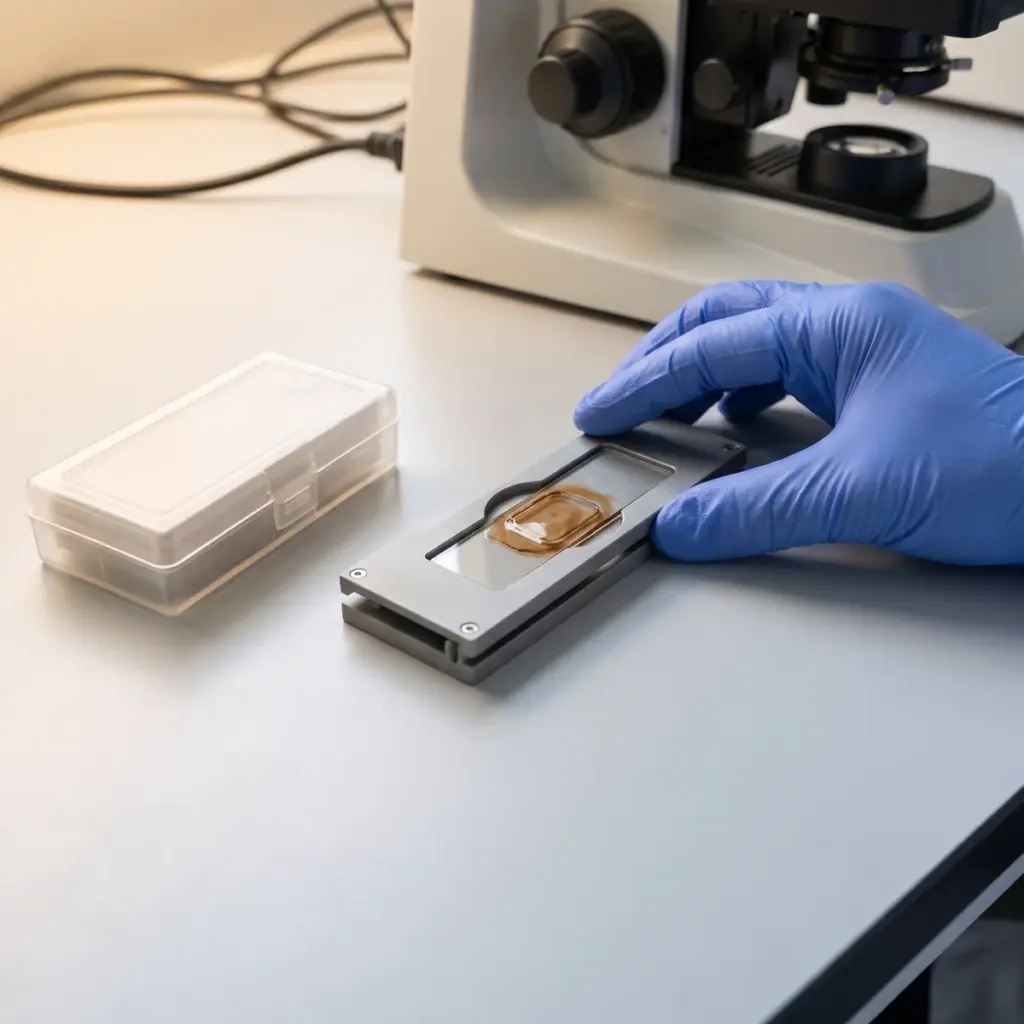
Activity can be assessed in a lipid-rich matrix that mimics the sebaceous environment, which sometimes changes how an ingredient performs. Two or more actives can be compared in the same design to look for interaction, with a proper layout when synergy is the aim. You receive MIC or kill-curve values, the strain and condition records, the control data and an interpretation. For the visible side of the benefit, pair this with clinical oily skin efficacy testing.
Choosing and briefing a C. acnes inhibition study
The study suits two moments: screening raw materials for antibacterial potential against this organism, and backing a technical claim that a finished active lowers C. acnes under lab conditions. Decide the moment first, because an early screen can lean on MIC values while a claim file usually wants time-kill data in a representative matrix.
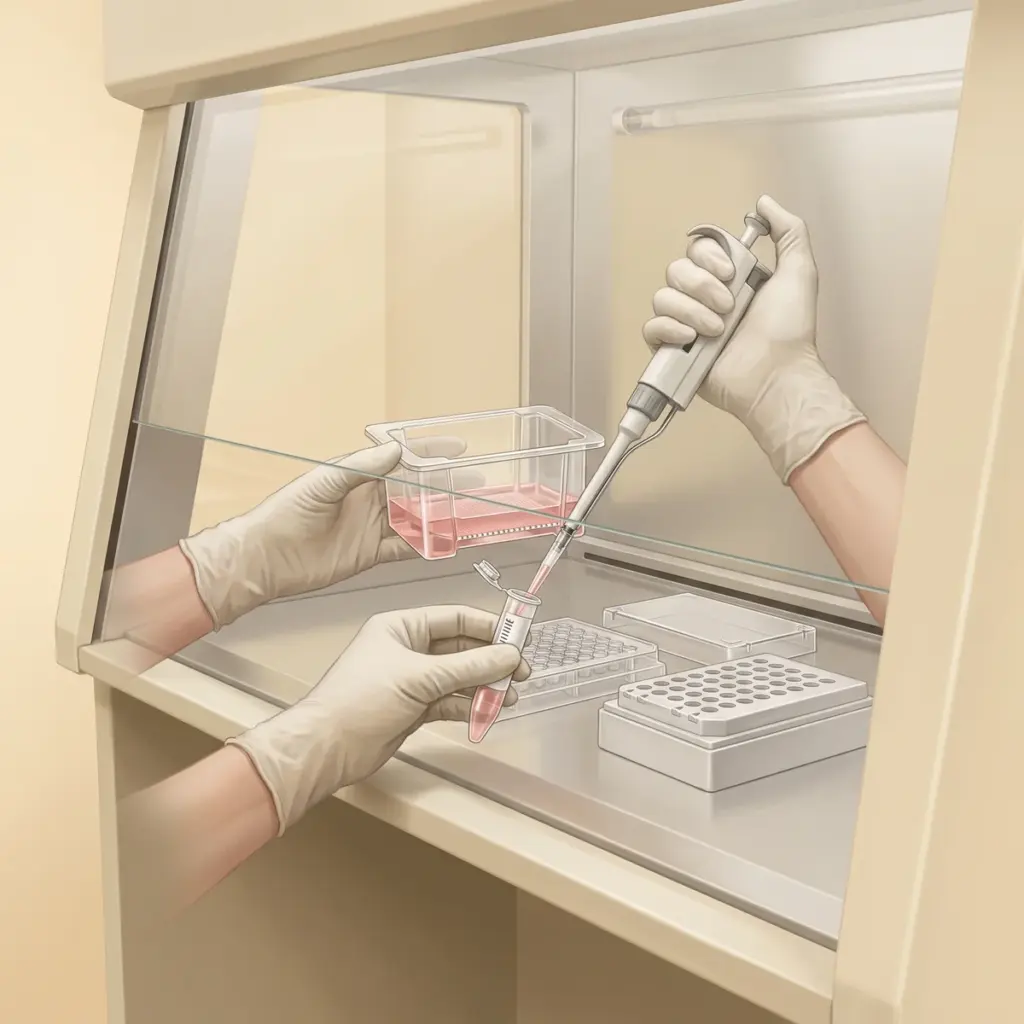
Anaerobic C. acnes culture and neutralisation to check
Anaerobic handling is the thing that matters here. Look for a provider that maintains identified C. acnes strains, cultures them under reliable anaerobic conditions, and validates neutralisation so residual actives do not carry into the viable count. Ask how they report strain identity and exposure, and consider testing several strains if your claim refers to C. acnes in general.
Selectivity against Staphylococcus epidermidis and inflammation data
If your claim is about targeting one bacterium, add a comparison against other skin organisms such as Staphylococcus epidermidis to show selectivity. Read the antimicrobial data next to inflammatory mediators regulation to connect microbial activity with the signalling side of blemish-prone skin.
More in Sebaceous Gland & Oily Skin
Sebaceous Gland & Oily Skin testing screens oil-control actives in sebocyte models for lipid production, androgen signalling and C. acnes activity.