Private Label Product Supply overview
Do you provide Private Label Product Supply?
How private label product supply adapts an existing formula
A private label project starts from a base formula that the manufacturer has already scaled up and documented. The development team then makes the changes you agree, checks their effect and takes the adjusted product into production.
Choosing the base formula
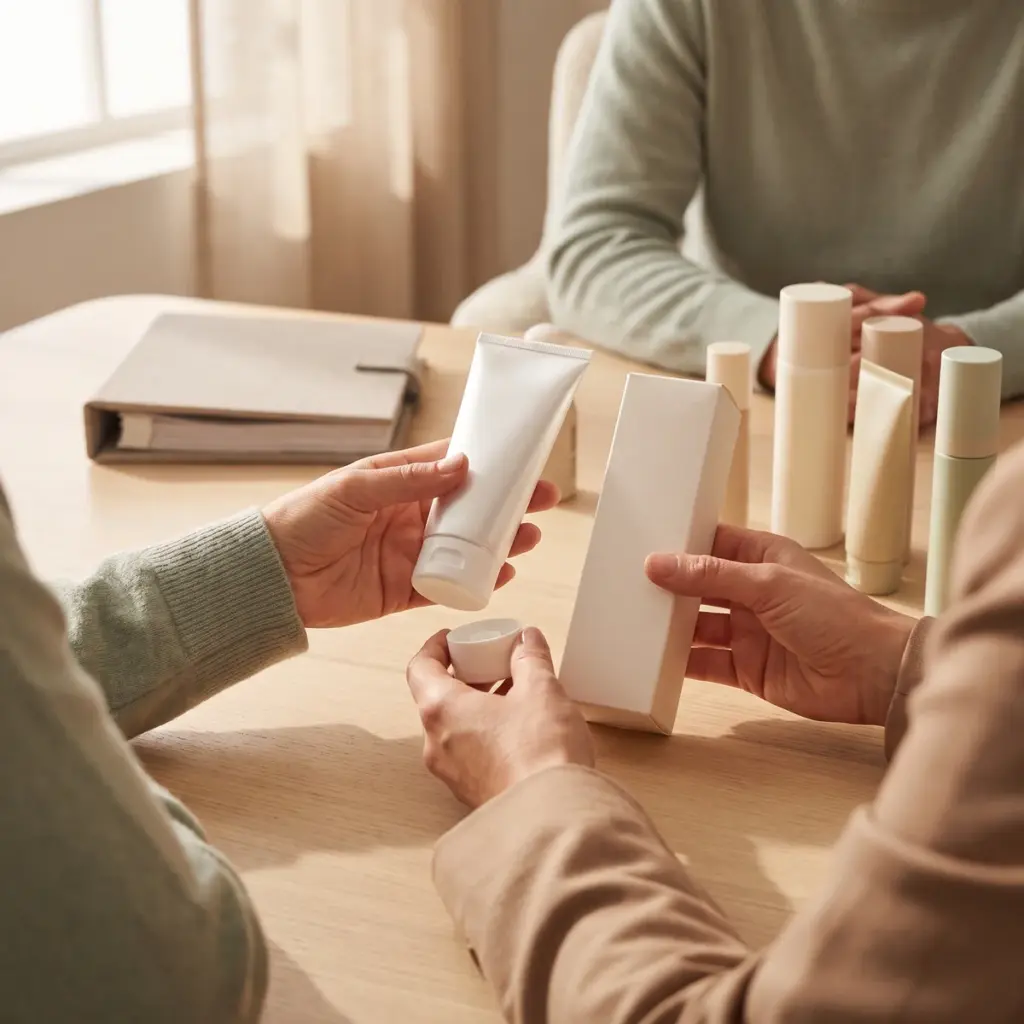
You review the catalogue, test samples and shortlist the bases closest to your brief, for example a gel cream for oily skin or a long-wear liquid foundation. The manufacturer shares the INCI list, key properties and the packs each base is already tested in.
Agreed customisation
- Fragrance choice or a fragrance-free version
- Shade matching for colour cosmetics
- Texture and viscosity adjustment
- Addition of a chosen active or botanical extract
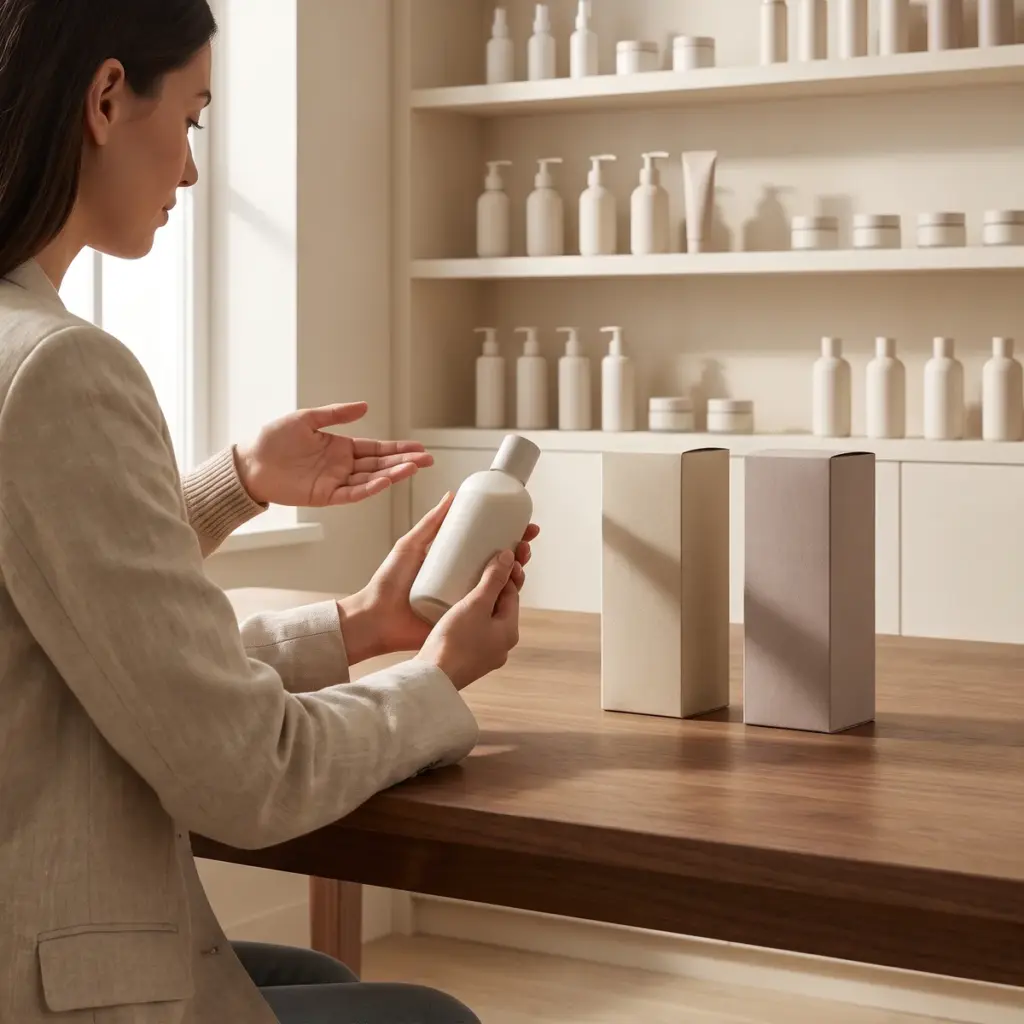
- Pack, decoration and label design
The laboratory produces adjusted samples for your approval. Once you sign off a sample, it becomes the standard for production.
Testing the adjusted product
Each change is assessed against the existing data. A new fragrance or active usually needs a fresh stability run in the final pack, a preservative efficacy check and an updated safety assessment. A new container needs compatibility testing with the formula.
Production and supply
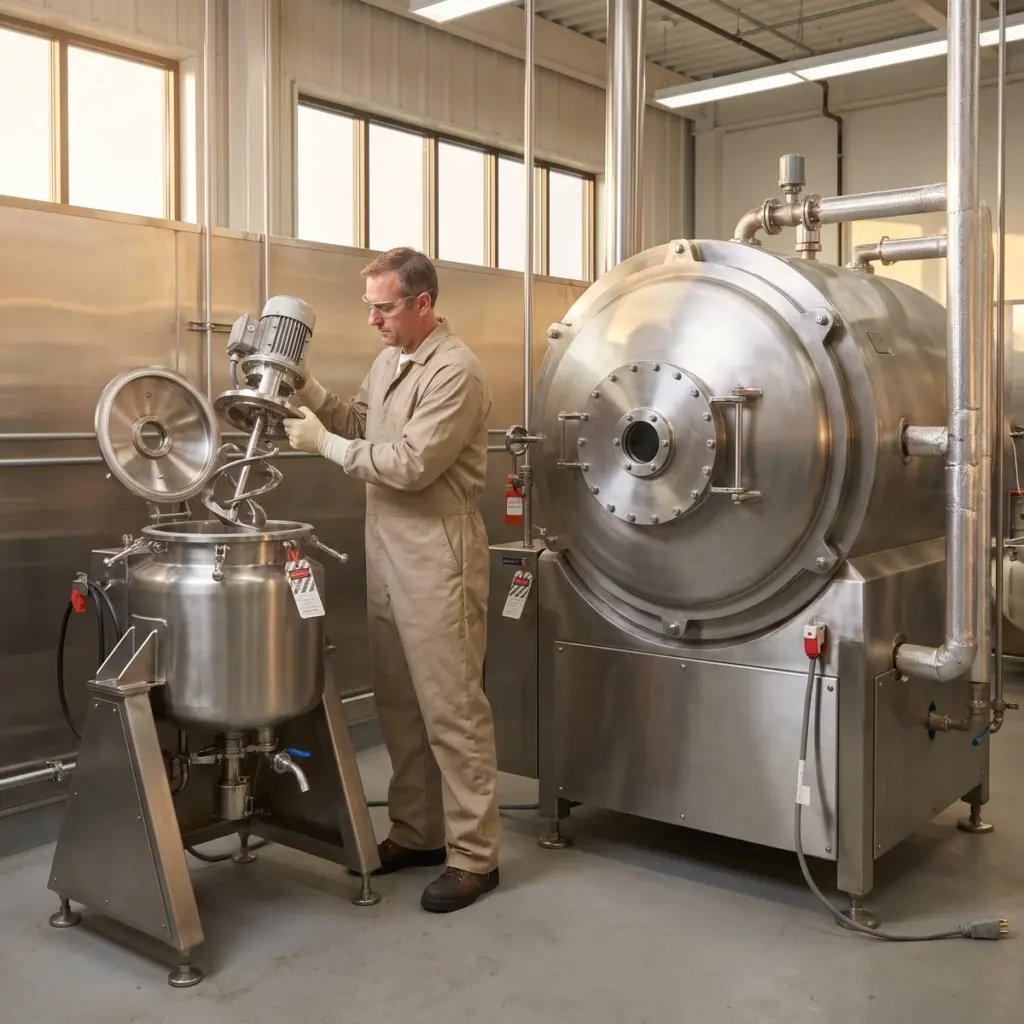
After approval, the manufacturer buys materials, produces and fills the batches, and releases them against the agreed specification. You receive finished units with a certificate of analysis and the technical documents you need as brand owner.
Getting the most from private label supply
The commercial terms and the test plan matter as much as the formula you choose.
Exclusivity and ownership terms
The adjusted formula usually remains the manufacturer’s intellectual property. Negotiate exclusivity for your fragrance, shade or full adjusted formula, by territory or channel and for a set period. Agree whether you may take the formula to another manufacturer, and on what terms, if the relationship ends.
Planning testing into the timeline
Ask the supplier early which tests its existing data covers for your chosen changes and pack. A fragrance swap in a stock bottle may only need a short stability confirmation, while a new active in a new airless pack needs a full stability, compatibility and preservation programme. Knowing this at the outset sets a realistic launch date.
Moving on from private label
When a private label product becomes a best-seller, some brands commission their own version. Turnkey development and manufacturing creates a formula you own from a brief. Brands that want no formula changes at all and the lowest first order can start with white label supply instead.
More in Cosmetic Manufacturing
Cosmetic manufacturing, private label and production scale-up: routes for making your product, from a catalogue base to your own formula.