Skin-Cell Energy & Metabolism Studies overview
Do you provide Skin-Cell Energy & Metabolism Studies?
How Skin-Cell Energy & Metabolism Studies are measured
Skin cells spend energy on division, on building collagen and lipids, and on repair after stress. The child services in this family look at different steps of that energy supply, from the fuel a cell takes in to the ATP it produces.
Respiration and mitochondrial function
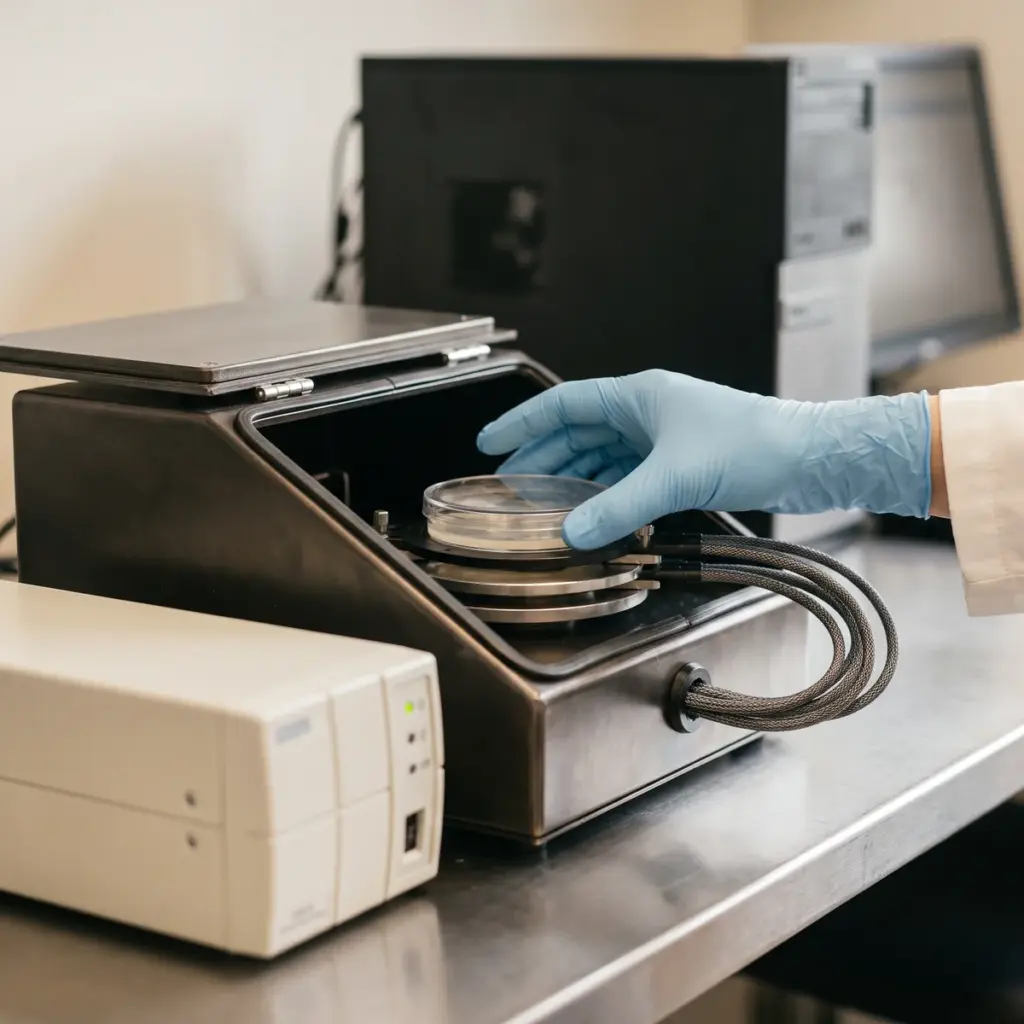
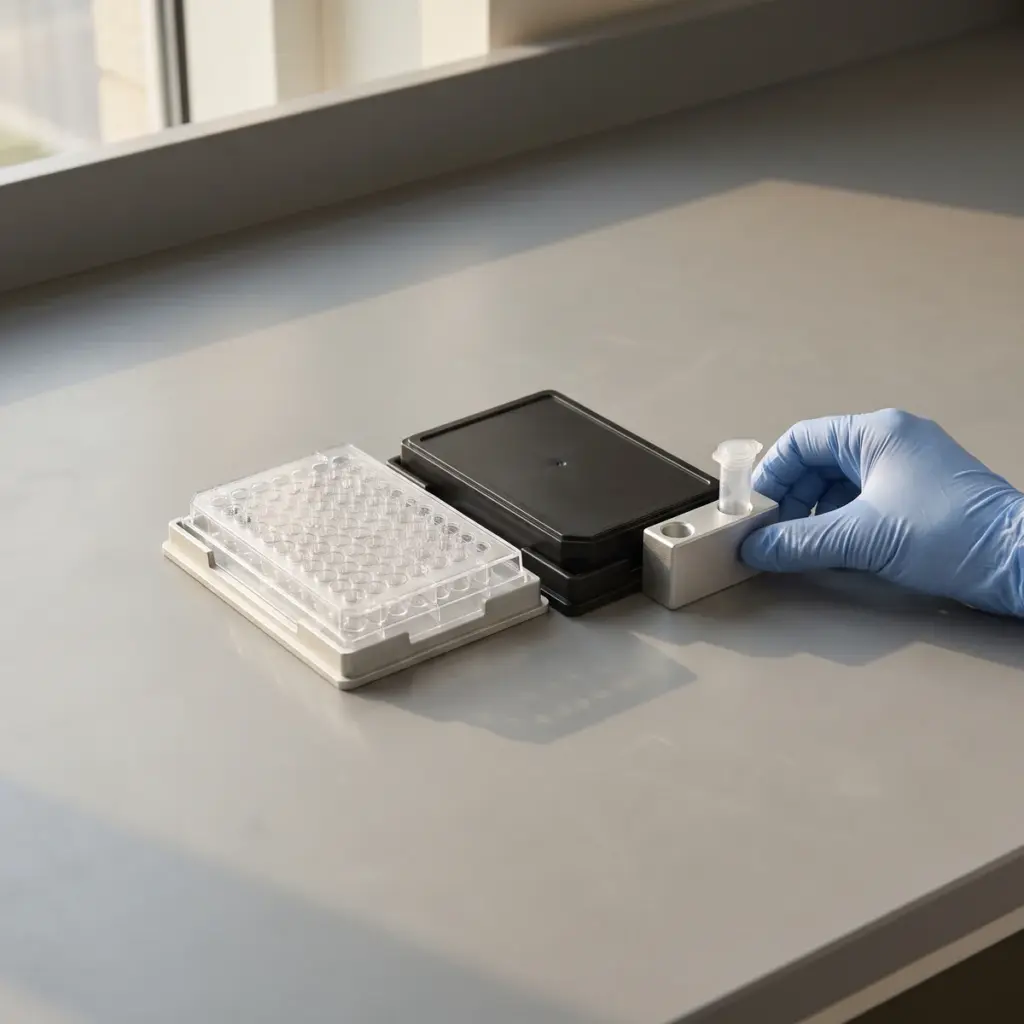
Oxygen consumption (OCR) studies use an extracellular flux analyser. Injections of oligomycin, FCCP and rotenone with antimycin A during a single run give basal respiration, ATP-linked respiration, maximal capacity and spare capacity. The same instrument reports the extracellular acidification rate, a readout of glycolysis. Mitochondrial function work adds membrane potential dyes such as TMRM or JC-1, mitochondrial mass and mitochondrial DNA copy number.
ATP, NAD+ and fuel use
Cellular ATP & Energy-Response Studies read ATP by luciferase luminescence. NAD+/NADH balance assays extract both forms and report the ratio. Glucose utilisation is followed with a fluorescent glucose analogue or by measuring glucose consumed from the medium and lactate released.
Energy-sensing pathways
AMPK/mTOR sensing pathways studies use western blot or ELISA for phosphorylated AMPK, mTOR and their downstream targets, to show whether the cell reads its energy state as low or high.
Your data package
- Respiration and glycolysis profiles normalised to cell number or protein
- ATP and NAD+/NADH values with dose-response
- Pathway phosphorylation results
- Viability data at each concentration
- Statistical comparison with untreated and stressed controls
Services in Skin-Cell Energy & Metabolism Studies
Applying Skin-Cell Energy & Metabolism Studies to an energising claim
Energy data are most persuasive when the endpoint matches the way the active is described to formulators and consumers.
Which measurement suits which positioning
An active presented as recharging tired skin is best described with ATP and respiration data side by side. A NAD+ precursor needs the NAD+/NADH ratio. A product for mature skin benefits from comparing young and aged fibroblasts, or cells aged by repeated passage, so you can show the active restoring respiration toward the younger profile. Glucose and AMPK readouts suit actives that act on how cells use nutrients.
Designing the challenge
Energy effects are clearest when cells are under demand. Common set-ups expose cells to UVA, oxidative stress or nutrient restriction, then compare recovery with and without the active. If oxidative damage to mitochondria is part of your claim, run a parallel arm from antioxidant and redox studies on the same cells. Night-use products can add timing work from skin circadian rhythm studies, since cell metabolism follows the daily clock.
Cell type, stress model and flux analysis details
Tell the laboratory the cell type you want, whether you need a stress model, the concentration range and how the active is dissolved. Ask whether flux analysis is run in-house and how results are normalised.
More in Cosmetic Efficacy Testing
Cosmetic efficacy testing measures what a product or ingredient does for skin, hair, lips or nails, in volunteers or laboratory models, to back claims.