Skin Circadian Rhythm Studies overview
Do you provide Skin Circadian Rhythm Studies?
Skin Circadian Rhythm Studies, step by step
Cultured skin cells keep a working clock but lose synchrony with each other. Every study therefore starts by resetting them together, then tracks the rhythm as it unfolds.
Synchronisation and sampling
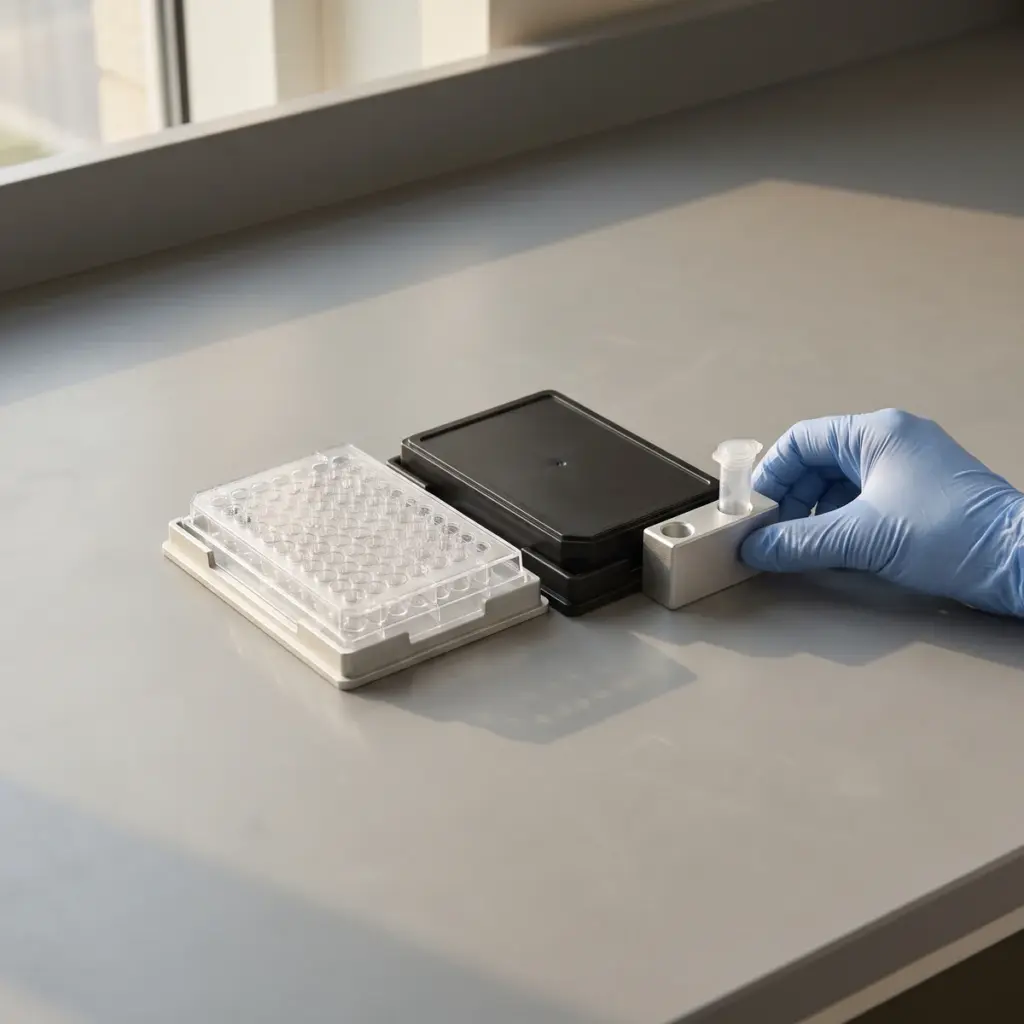
Cell synchronisation uses a serum shock, dexamethasone or a temperature cycle to set all cells to the same phase. The active is added before or after this reset, depending on the question. Samples are then taken every few hours across at least one full cycle, or the cells are recorded continuously.
Clock gene measurement
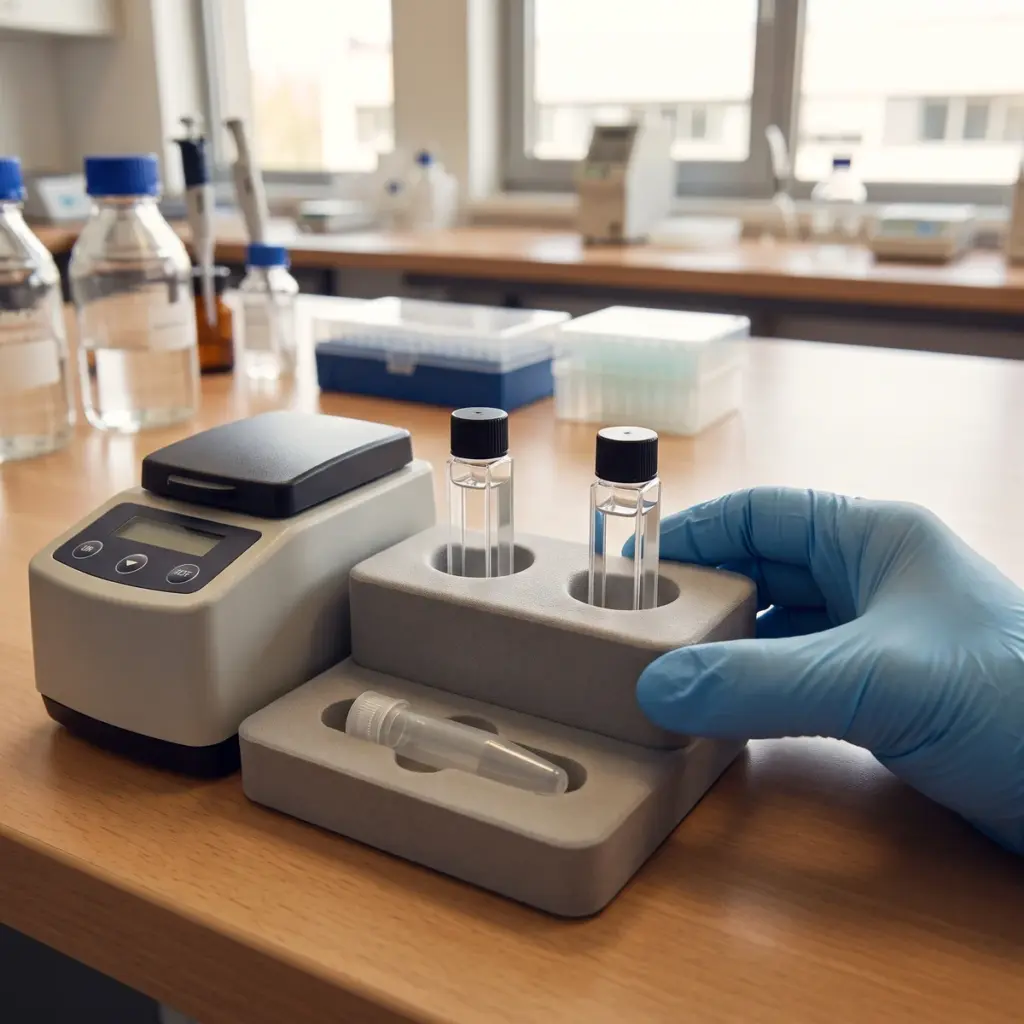
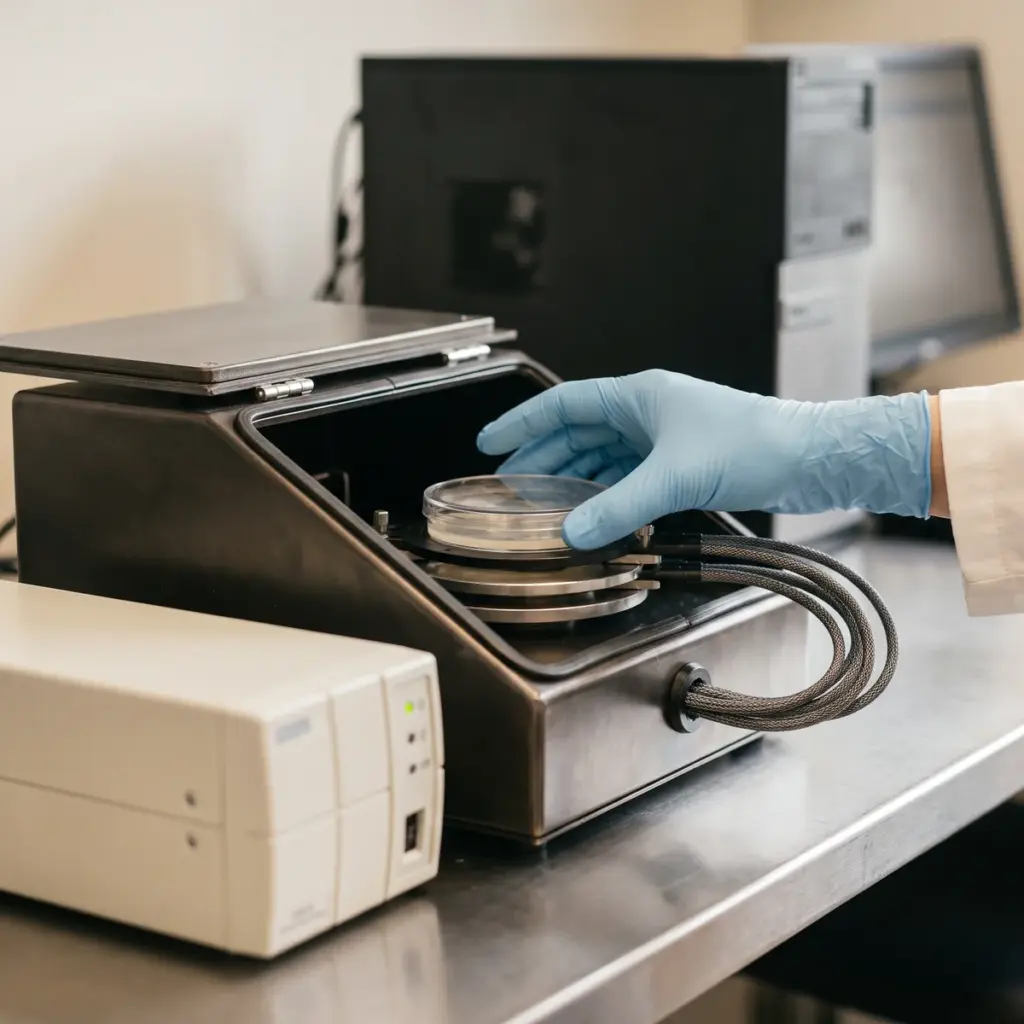
Clock genes expression studies quantify BMAL1, CLOCK, REV-ERBα and RORα by qPCR at each time point. PER/CRY gene regulation focuses on PER1, PER2, CRY1 and CRY2, the repressor arm of the loop. Reporter cells carrying a luciferase gene under a BMAL1 or PER2 promoter give a continuous light signal, which is fitted to a curve to extract phase, period and amplitude.
Timed functional responses
Repair mechanisms timing challenges cells with UV at different phases and measures DNA damage removal. Stress response timing follows heat shock and antioxidant responses across the day. Melatonin pathway work looks at melatonin receptors and their signalling in skin cells.
Clock gene curves and fitted rhythm parameters
The report includes expression curves across the cycle, fitted rhythm parameters for treated and control cells, functional results at each phase tested, viability data and the statistical model used to compare rhythms.
Services in Skin Circadian Rhythm Studies
Using Skin Circadian Rhythm Studies in day and night product design
Chronobiology data are most useful when the product has a defined time of use, morning or evening.
Claims that rest on a rhythm
A night cream positioned on the skin’s own repair hours is supported by repair timing data showing when DNA damage clearance peaks, and by evidence that the active amplifies that response. An active that restores clock gene amplitude in cells disturbed by blue light, cortisol or ageing supports a rhythm-resynchronising claim. Day creams can be paired with the stress response timing data that show when defences run low. Circadian rhythm efficacy testing brings these elements together for a finished-product programme.
Reading a chronobiology quote
The number of time points and the length of the recording drive cost and statistical power. Fewer points save money but make phase hard to fit. Ask the provider how many cycles it records, how it fits rhythm curves and whether it runs reporter cell lines or relies on qPCR alone. Continuous luminescence gives a smoother curve from fewer samples.
Combining circadian data with cell energy studies
Cell energy follows the daily clock, so a night-repair active is often profiled with skin-cell energy and metabolism studies on the same model.
More in Cosmetic Efficacy Testing
Cosmetic efficacy testing measures what a product or ingredient does for skin, hair, lips or nails, in volunteers or laboratory models, to back claims.