Substance P regulation overview
Do you provide Substance P regulation?
Substance P regulation: study designs and measurements
Substance P is released from the endings of sensory nerves when they are activated by heat, chemicals or mechanical stress. In the skin it binds the neurokinin-1 receptor on keratinocytes, mast cells and blood vessel cells, which leads to vessel dilation, mast cell degranulation and cytokine release. A study can target either side of this exchange.
Release design
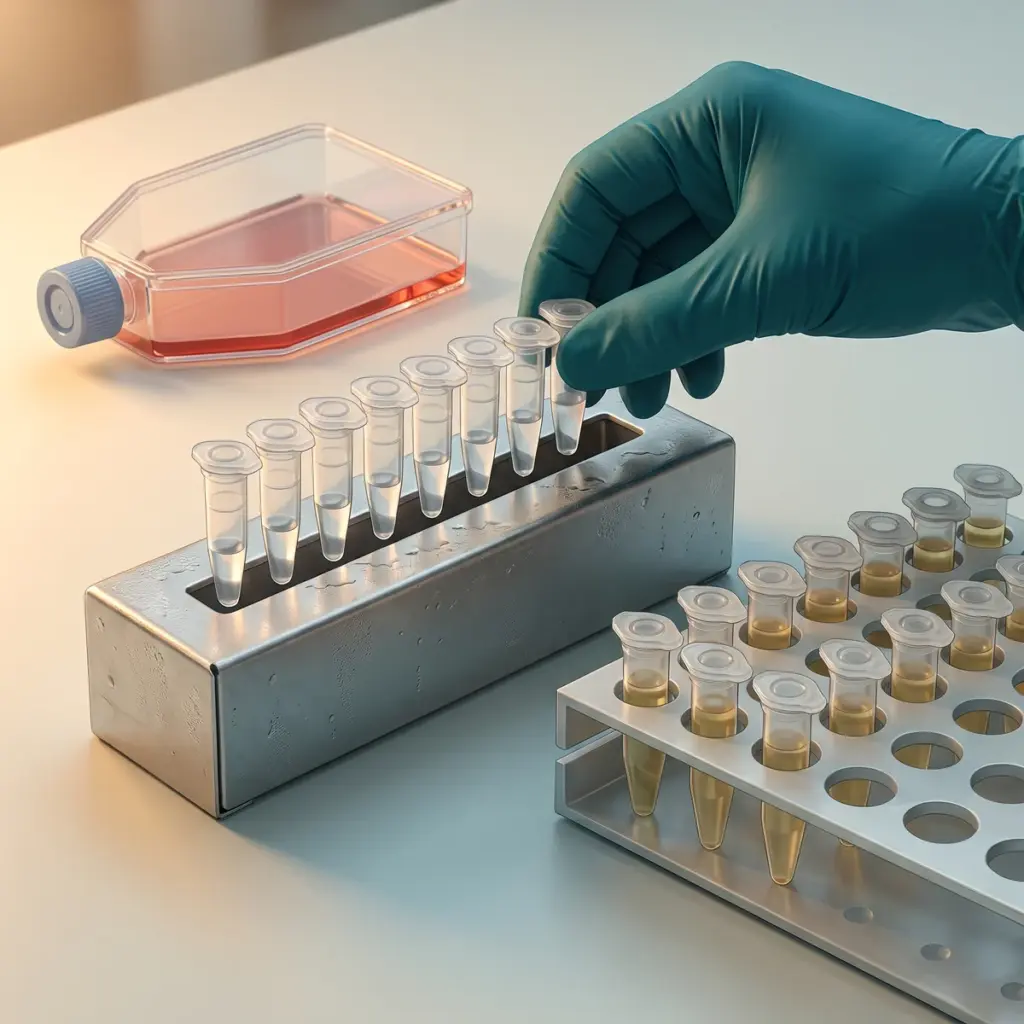
Sensory neurons, from primary cultures or derived from human stem cells, are pre-treated with the test material and then stimulated, commonly with capsaicin or potassium chloride depolarisation. The medium is collected at set time points and substance P is quantified by ELISA. A lower concentration than in the stimulated control shows that the active reduces neuropeptide output.
Challenge design
Here the laboratory adds substance P to keratinocytes, fibroblasts or a reconstructed epidermis, with and without the active. The readout is the response of those cells, typically IL-1, IL-6 or IL-8 release, or receptor-linked signalling. This design suits actives that act on the skin side of the pathway.
Models with nerves and skin together
Co-cultures of sensory neurons with keratinocytes or reconstructed epidermis allow both designs in one system. They are used when you need to show that a topically applied active reaches the cells and changes the dialogue between nerve and skin.
Substance P levels, cytokines and viability reported
- Substance P concentrations per condition and time point
- Downstream cytokine data where included
- Percentage change against the stimulated control
- Viability results and statistical analysis
Applying substance P regulation data to neurocosmetic actives
Substance P data is requested most often for actives sold into the neurocosmetic and reactive-skin segment, where buyers expect a named mechanism on the technical data sheet.
Writing the study brief
State which design you need. A supplier documenting an active that quiets nerve endings wants the release design. A brand formulating a product to calm redness after shaving or exfoliation may get more from the challenge design, because it reads the skin cell response directly. Give the laboratory the solubility of the material and its use level, and say whether the finished formula or the raw material will be tested.
Where substance P fits among comfort studies
Substance P sits in the middle of the sensory cascade. Upstream, TRPV channel assays show whether the active stops the nerve from firing in the first place. Downstream, mast cell stabilisation testing measures histamine release, one of the main effects of substance P in skin. Combining two of these steps lets a supplier describe the mechanism with more than one data point.
Sensory neuron source and ELISA sensitivity
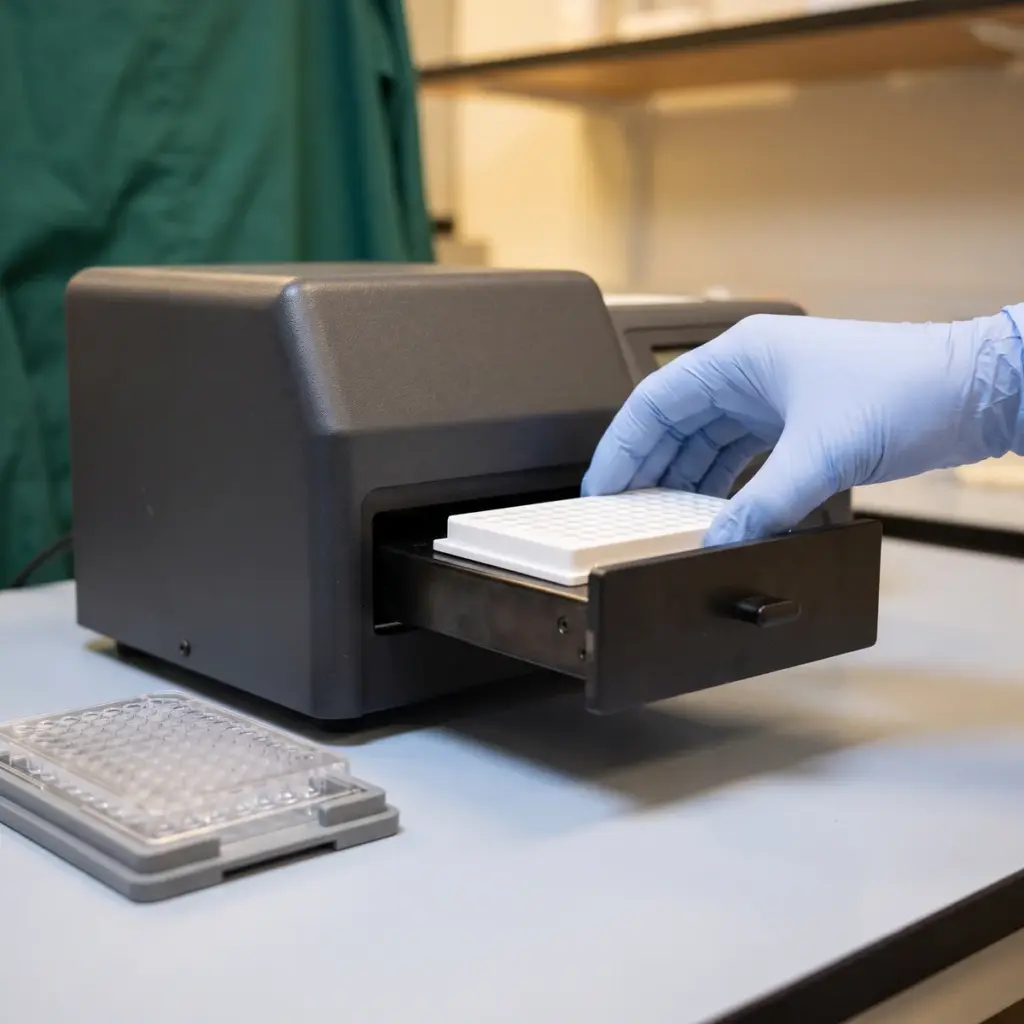
The neuron source matters. Rodent dorsal root ganglion cultures have a long publication record, while human stem cell derived sensory neurons give a human system. Ask for the lower limit of quantification of the substance P ELISA, since basal release from neurons is low and the assay must detect the difference between conditions.
More in Inflammation & Skin Immunity
Inflammation & Skin Immunity studies measure how an ingredient changes cytokine, neurogenic and innate defence responses in skin cells and tissue models.