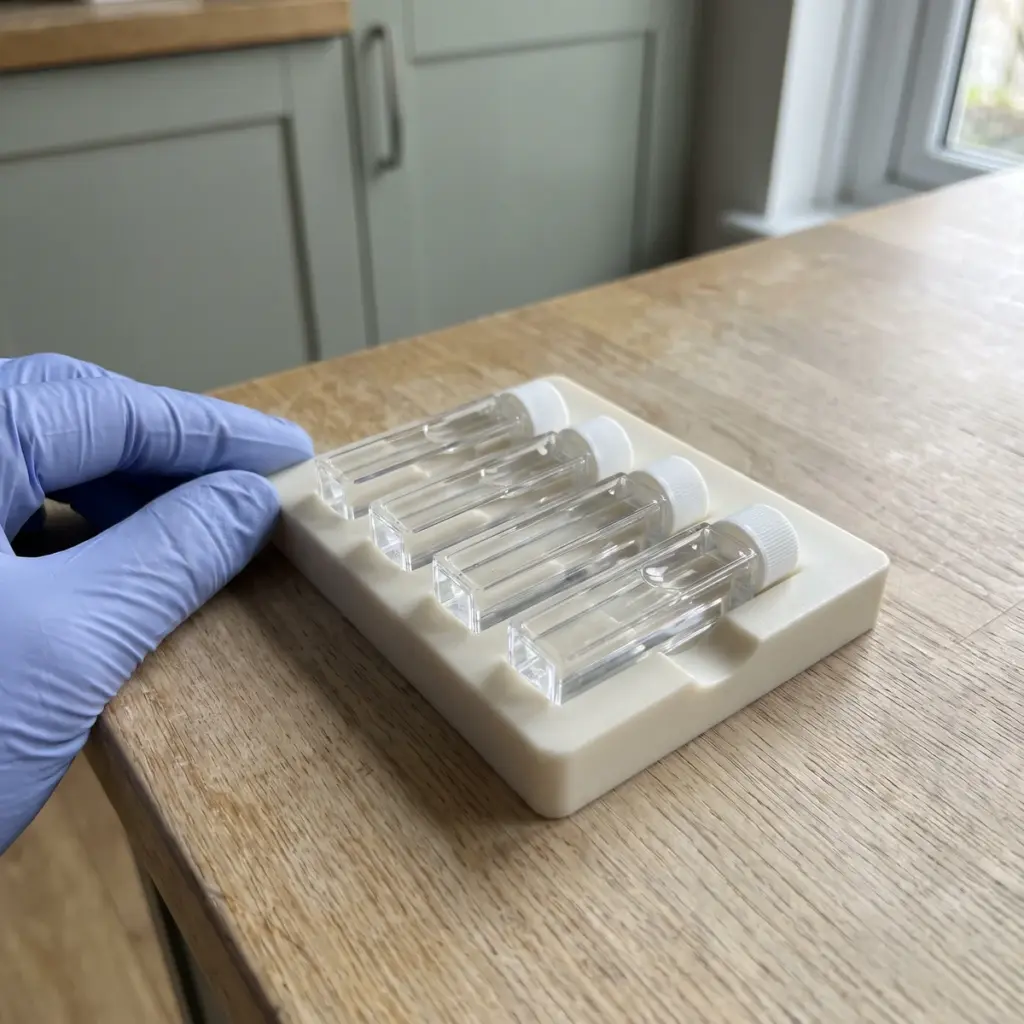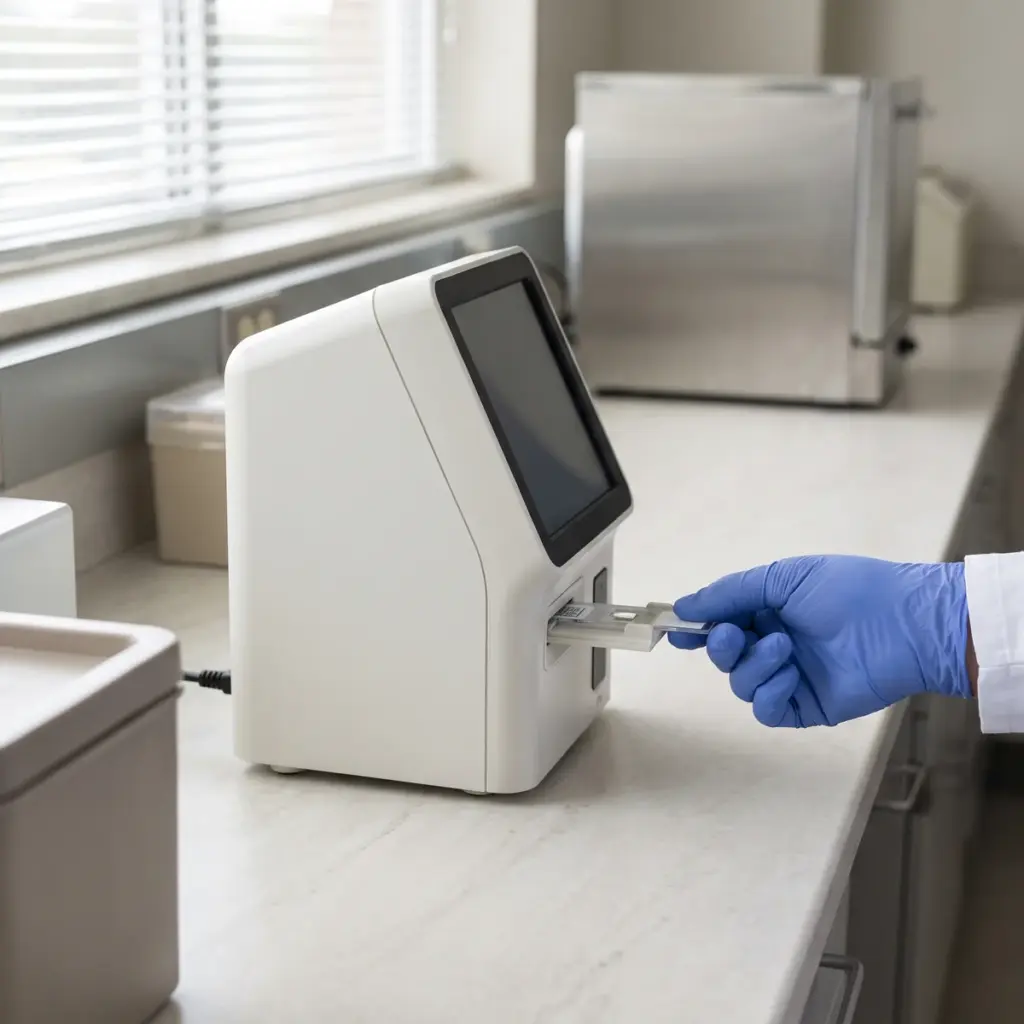
GSH synthesis stimulation overview
Do you provide GSH synthesis stimulation?
How GSH synthesis stimulation is assessed in skin cells
Cells make glutathione in two enzyme steps. Glutamate-cysteine ligase, with its catalytic (GCLC) and modifier (GCLM) subunits, joins glutamate and cysteine, and glutathione synthetase adds glycine. The first step limits the rate, so it is a primary target for actives that claim to stimulate synthesis.
Glutathione quantification
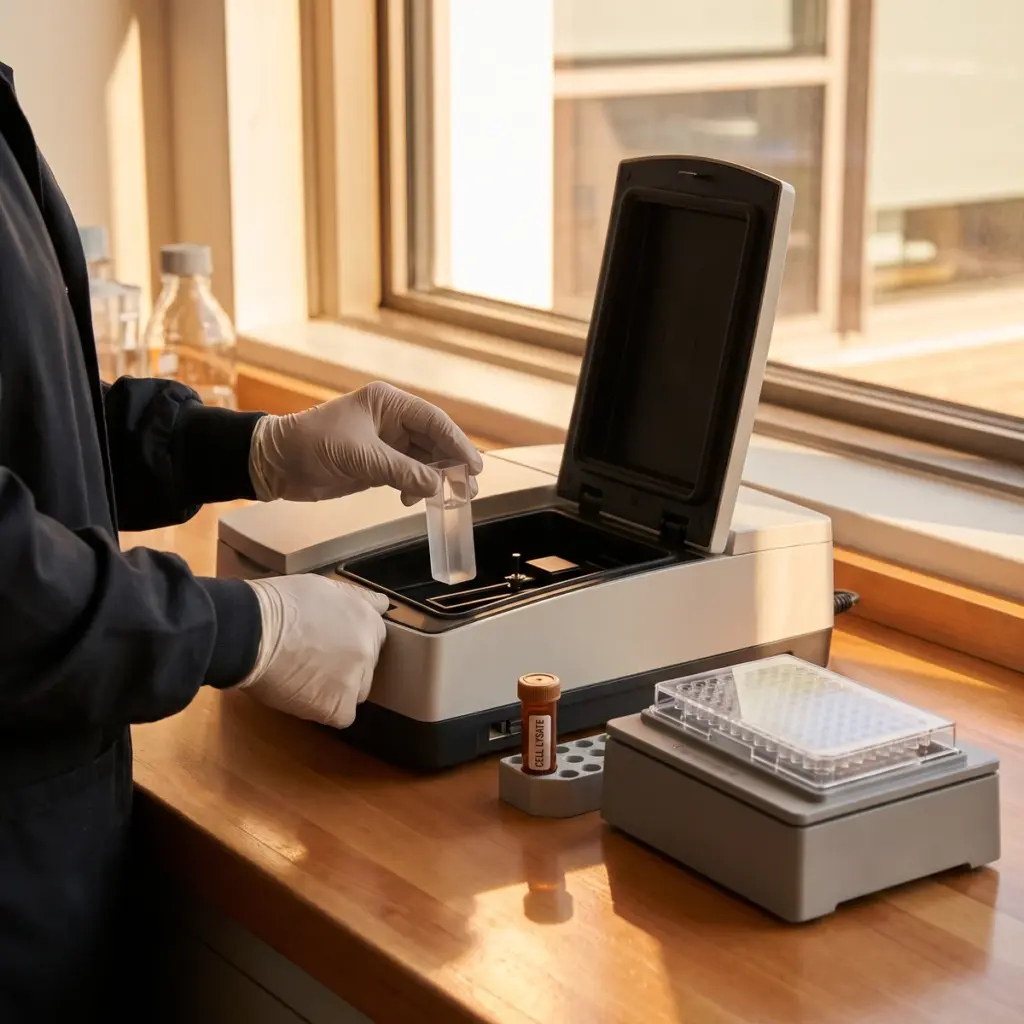
After treatment, cells are lysed under conditions that stop GSH oxidising during handling. The enzymatic recycling assay with DTNB and glutathione reductase gives total glutathione, and a masking agent lets the laboratory read GSSG separately. Fluorescent probes such as monochlorobimane measure GSH in living cells, and HPLC or LC-MS gives direct quantification of both forms when higher specificity is needed. Values are normalised to protein or cell number.
Synthesis evidence
RT-qPCR of GCLC, GCLM and glutathione synthetase shows whether the cell has turned up the production machinery. Where the client wants to separate new synthesis from recycling, the laboratory can add buthionine sulfoximine, an inhibitor of the first enzyme, to a parallel set of wells.
Challenge and recovery
A second arm exposes treated cells to UVA, hydrogen peroxide or a pollutant and measures how far glutathione falls and how fast it returns.
GSH/GSSG ratio and synthesis gene data reported
- GSH and GSSG concentrations and their ratio
- Time-course and concentration-response data
- Expression of synthesis enzyme genes
- Depletion and recovery after challenge
- Viability and normalisation data
Putting GSH synthesis stimulation data into a product dossier
Glutathione results carry most weight when they sit next to the right companion studies.
When the study is worth commissioning
Glutathione is a familiar name to consumers, so suppliers of cysteine precursors, peptides and yeast ferments often want direct evidence that their material raises it. The study fits when your active is expected to work by feeding or switching on the cell’s own production, since a direct scavenger would show its value better in chemical assays.
Linking it to other redox endpoints
The genes that make glutathione are themselves Nrf2 targets, so glutathione data and Nrf2 pathway activation data often sit together in the same file. A damage endpoint completes the picture: mitochondrial protection testing shows whether a fuller glutathione pool keeps cells working during an oxidative challenge.
Choices to make before the quote
Decide whether you need total glutathione or the GSH to GSSG ratio, which gives a better reading of redox state. Ask for at least two time points, since glutathione rises over hours after a stimulus. If the ingredient contains free thiols, such as cysteine or N-acetylcysteine derivatives, mention it so the laboratory plans for interference with the detection chemistry.
More in Antioxidant & Redox Studies
Antioxidant & Redox Studies measure radical scavenging, cellular oxidative stress and the skin’s own defence enzymes to profile cosmetic antioxidants.