Regulatory & Certification


Regulatory & Certification overview
Who provides Regulatory & Certification
Companies providing Regulatory & Certification

Regulatory compliance and certification for cosmetics
Every cosmetic sold has to meet the law of the country where it is sold. Many brands also choose to meet the rules of a private scheme. The two tracks share documents but are run by different parties.
Market compliance and regulatory affairs
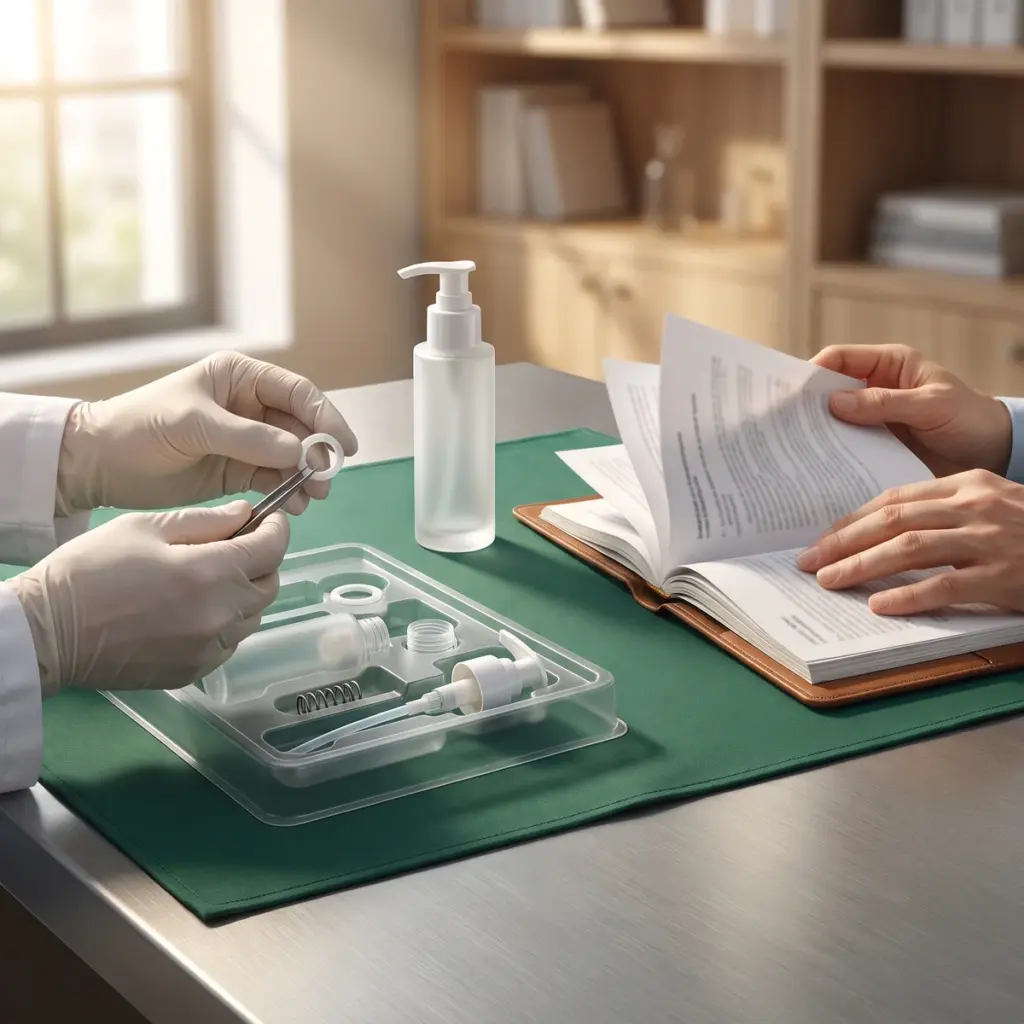
Cosmetic regulatory compliance starts by confirming the product is a cosmetic in the target market and not a drug or biocide. A specialist then checks each ingredient against banned, restricted and permitted lists, reviews claims and label wording, and assembles the technical file. In the European Union, Regulation (EC) No 1223/2009 requires a responsible person, a product information file with a safety report, and notification before the product goes on sale. Other markets, such as the United Kingdom and the United States, have their own registration, listing and labelling duties. Regulatory affairs work keeps these files current as formulas, suppliers and rules change.
Voluntary certification
Cosmetic certification covers schemes for natural and organic content, vegan formulas, cruelty-free supply chains, halal and kosher status, and environmental attributes. Advisers check eligibility, collect supplier declarations and ingredient certificates, and prepare the application and audit. The scheme’s own certification body inspects and decides.
What you end up with
- a formula and label compliance review per market
- a product information file or equivalent technical dossier
- notification or listing records from the authority portal
- a certificate and licence to use the scheme logo
Services in Regulatory & Certification
Cosmetic Regulatory Compliance
Planning regulatory and certification work by market
Compliance work is cheapest when it happens before the formula is frozen and the artwork is printed.
Decide the markets first
Requirements differ more between countries than most brands expect. A preservative allowed in one region may be restricted in another, and label rules on ingredient names, warnings and languages vary. List your launch markets and the next two you plan to enter, so the formula and artwork are checked once against all of them. Changing a label after printing costs far more than a review at artwork stage.
What to send a regulatory consultant
Prepare the full quantitative formula, raw material specifications and safety data sheets, draft artwork and intended claims. Add the results of any stability, microbiology and safety testing already done. Say which legal entity will be responsible for the product in each market, or whether you need the consultant to take that role.
Adding a certification
Pick the scheme that your customers recognise in your sales channels, then check eligibility before you finalise the formula, since many organic and natural schemes limit which ingredients and processes are allowed. Your manufacturer and raw material suppliers will need to provide documents, and some schemes audit the factory, so bring them in early. Certification and trademark protection for your brand name often run in parallel before launch.
More in Services
Find cosmetic development, testing, manufacturing, regulatory and commercial services.