Anti-glycation activity overview
Do you provide Anti-glycation activity?
Anti-glycation assays: from AGE formation to collagen cross-links
Glycation slowly modifies long-lived proteins. In the dermis it affects collagen and elastin, creating cross-links that stiffen fibres and yellow-brown AGE products that change the look of the skin. Anti-glycation testing measures whether an ingredient slows those reactions under controlled conditions.
Protein glycation screening
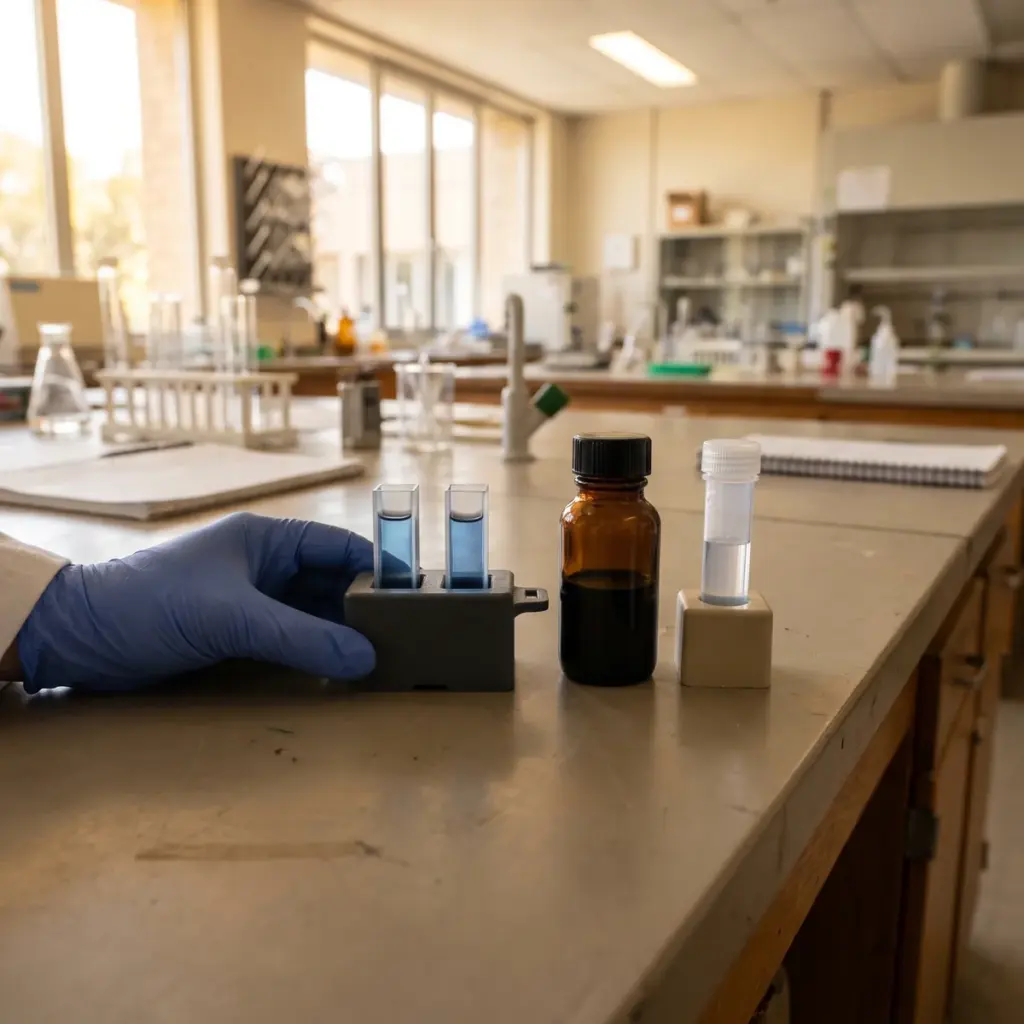
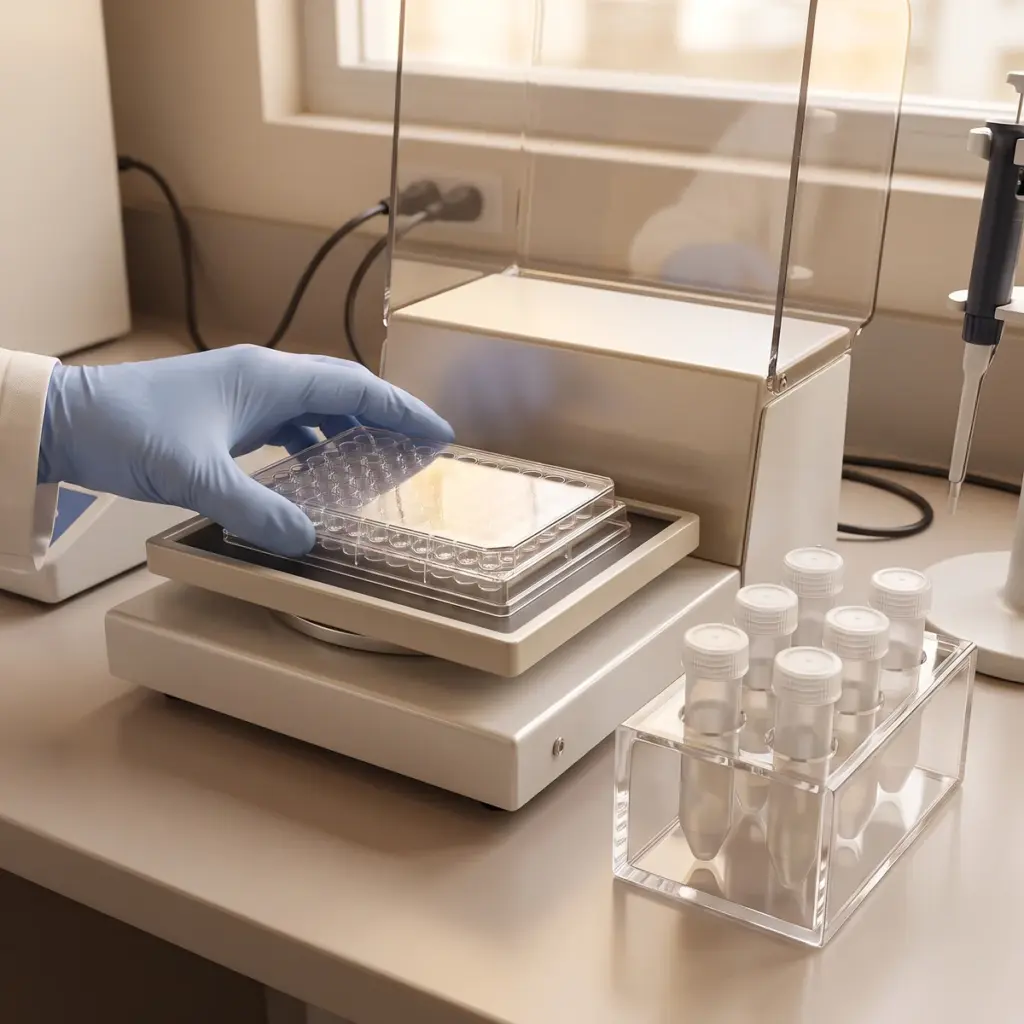
Bovine serum albumin or collagen is incubated with a glycating sugar at physiological temperature for several days or weeks. The test material is added at a range of concentrations, and aminoguanidine is commonly run as the reference inhibitor. AGE formation is read by its characteristic fluorescence. The core results are:
- Percentage inhibition at each test concentration
- Concentration-response curves
- IC50 values where the curve allows
- Comparison with the reference inhibitor
Sample blanks correct for colour, fluorescence and quenching from the test material, which matters for strongly coloured plant extracts.
Collagen and tissue models
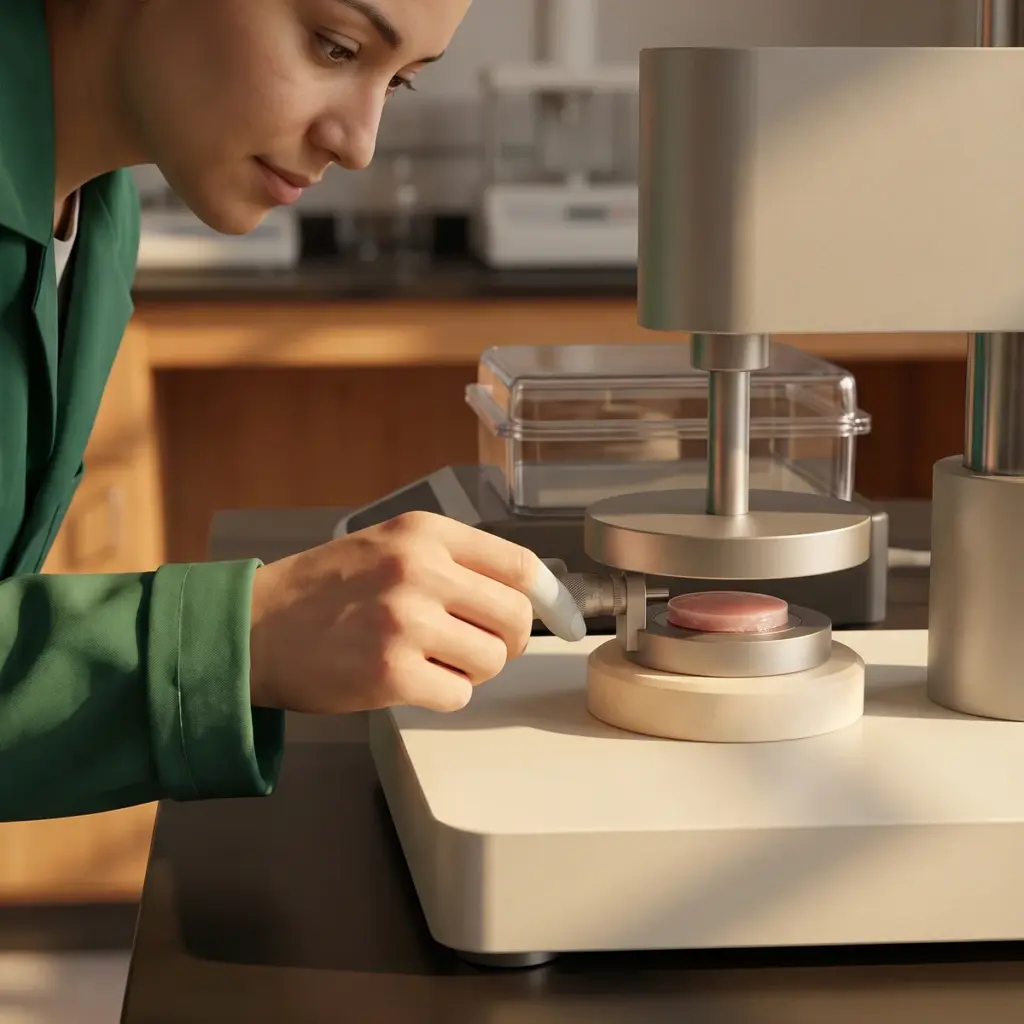
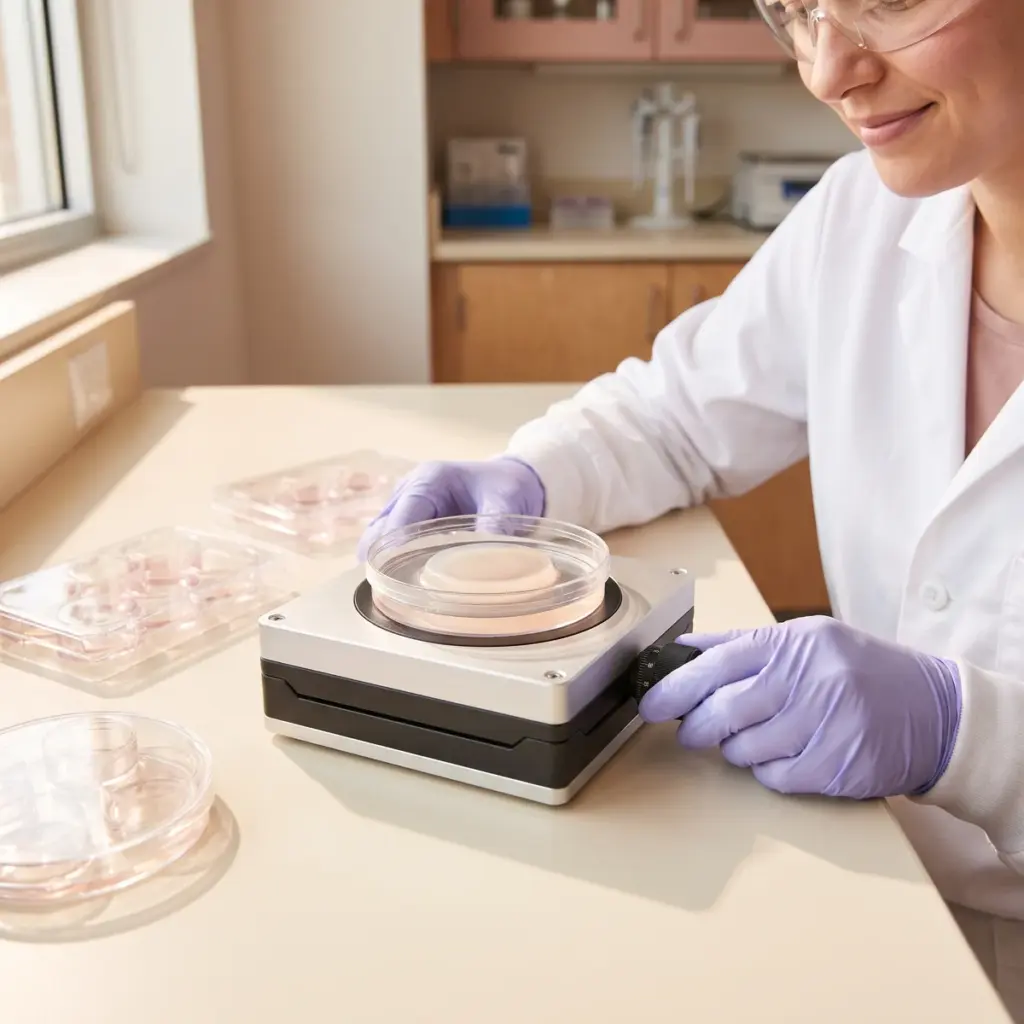
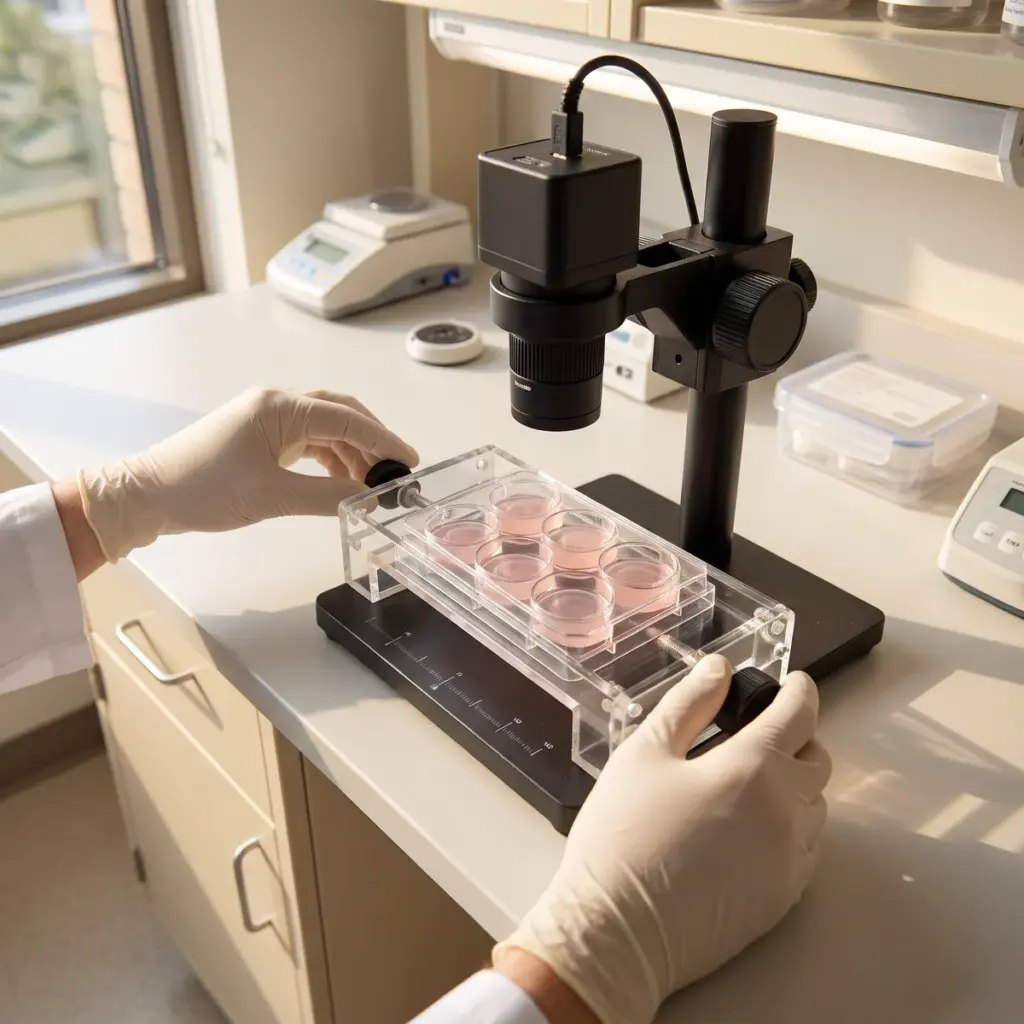
Methylglyoxal or glyoxal produce glycation quickly, so they are used to challenge collagen gels, fibroblast cultures or skin explants within a practical study period. The laboratory then measures AGE-specific epitopes such as carboxymethyl-lysine by immunostaining or ELISA, collagen cross-linking and changes in fibre structure. Some studies add elastin glycation or run antioxidant assays on the same material, since many anti-glycation actives also scavenge free radicals.
Glycation study report
The report states the protein, glycating agent, incubation conditions and detection method, then gives inhibition data, IC50 values, statistics and images from any tissue work.
Putting anti-glycation results to use
Anti-glycation data give an active a protective angle that sits well beside collagen and antioxidant results.
Where glycation fits an ageing product’s positioning
Glycation suits products for dull, yellowed or tired-looking mature skin, and for ranges built around diet- or sugar-related skin ageing. It is a distinct mechanism from collagen stimulation, so it adds a second dimension to a matrix claim. Many suppliers present it next to collagen synthesis data: one shows new collagen made, the other shows existing collagen protected.
Choosing between screening and tissue studies
Albumin and fluorescence assays are fast and inexpensive, which makes them a good first filter for many extracts and for batch release of a standardised ingredient. Collagen and explant models take longer but produce images and AGE-specific data that carry more weight in a technical dossier. A common route is to screen broadly, then take the best two or three candidates into explants.
Colour, fluorescence and IC50 needs to share
Send the material’s colour, solubility and any known fluorescence, plus the concentration range used in formulas. Say whether you need an IC50 for comparison with competitors, or tissue images for marketing material, since the two call for different designs. If the active is positioned more broadly on ageing, combine this study with other assays in an anti-ageing efficacy panel.
More in ECM & Skin Ageing
ECM & Skin Ageing testing measures how actives affect collagen, elastin, matrix enzymes, glycation and senescence in skin cell and tissue models.