Cosmetic Efficacy Testing

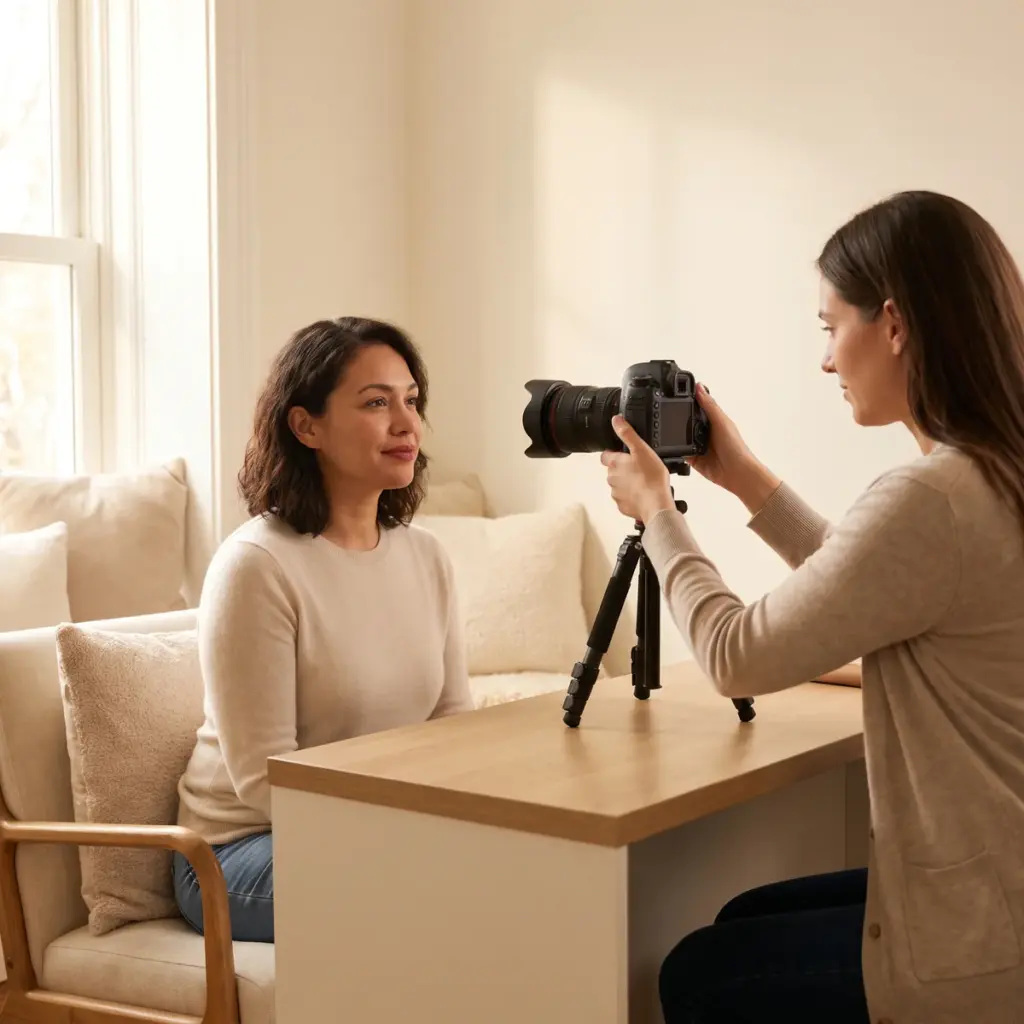
Cosmetic Efficacy Testing overview
Who provides Cosmetic Efficacy Testing
Companies providing Cosmetic Efficacy Testing

Cosmetic efficacy testing by benefit area and study type
The services in this family split two ways: by the benefit you want to demonstrate, and by whether the work is done on people or in a laboratory model.
Human outcome studies by benefit
Most claim support comes from volunteer studies, grouped by the benefit measured. Hydration barrier testing uses corneometry and transepidermal water loss. Skin ageing testing covers wrinkles, firmness and elasticity through fringe projection, cutometry and expert grading. Pigmentation radiance testing, sebum control testing, skin comfort testing, hair scalp testing and photoprotection testing each have their own endpoints. Targeted services cover the under-eye area, lips, nails, makeup wear, and body skin through adipocyte and vascular studies. Instrumental and biophysical measurement is offered as a separate service for brands that need specific device readings across several areas.
Laboratory mechanism studies
Mechanism services run on cell cultures, reconstructed epidermis and skin explants. They cover microbiome interaction, antimicrobial activity, antioxidant and redox responses, xenobiotic and cellular clearance, skin-cell energy and metabolism, and skin circadian rhythm. Readouts include gene and protein expression, enzyme activity, metabolite levels and imaging of stained tissue, always run against untreated and reference controls.
Efficacy reports and data
Human studies deliver a report with the protocol, panel description, measurements at each time point, statistical analysis against baseline or placebo and standardised photographs. Laboratory studies deliver dose-response data, control comparisons and a mechanism summary you can cite in a technical dossier or ingredient brochure.
Services in Cosmetic Efficacy Testing
Instrumental & Biophysical
Hair Scalp Testing
Skin Comfort Testing
Choosing the right cosmetic efficacy testing
With nineteen services in the family, the fastest route to the right study is to work backwards from what you want to say.
Matching volunteer or laboratory studies to the claim
Write the claim first, then pick the study. A claim that a cream reduces the look of fine lines calls for a volunteer study with wrinkle measurement at the time point named in the claim. Boosts cellular energy calls for a skin-cell energy and metabolism study. A visible-result claim on pack needs volunteer data. Mode-of-action evidence for a new ingredient is built from laboratory work.
Combining laboratory and human evidence
Ingredient suppliers often run a mechanism study first to select the best active and concentration, then confirm the effect in a volunteer study on a finished formula. Brands buying an active with a supplier dossier can go straight to a human study on their own product. Pairing the instrumental results with participant questionnaires lets one study support both measured and perceived claims.
Briefing a laboratory
Tell providers the product type, the claims you want, the target users, any placebo or competitor comparison and the market. For volunteer studies, ask which instruments they own and how they control the room conditions during measurements. For mechanism studies, ask which models they run in-house and which controls they include. Planning support for a full claims programme is available through claims evidence planning.
More in Efficacy & Claims
Efficacy and claims services measure what a cosmetic does on skin or hair and build the evidence behind the claims printed on pack and in adverts.