At-home usage trial overview
Do you provide At-home usage trial?
How an at-home usage trial is run
The protocol fixes who takes part, how they use the product and what they report. Typical inclusion criteria cover age, skin or hair type, current product habits and any concerns the product addresses, such as dry skin or frizz. Participants agree to stop competing products in the same category for the study period.
Recruitment and product placement
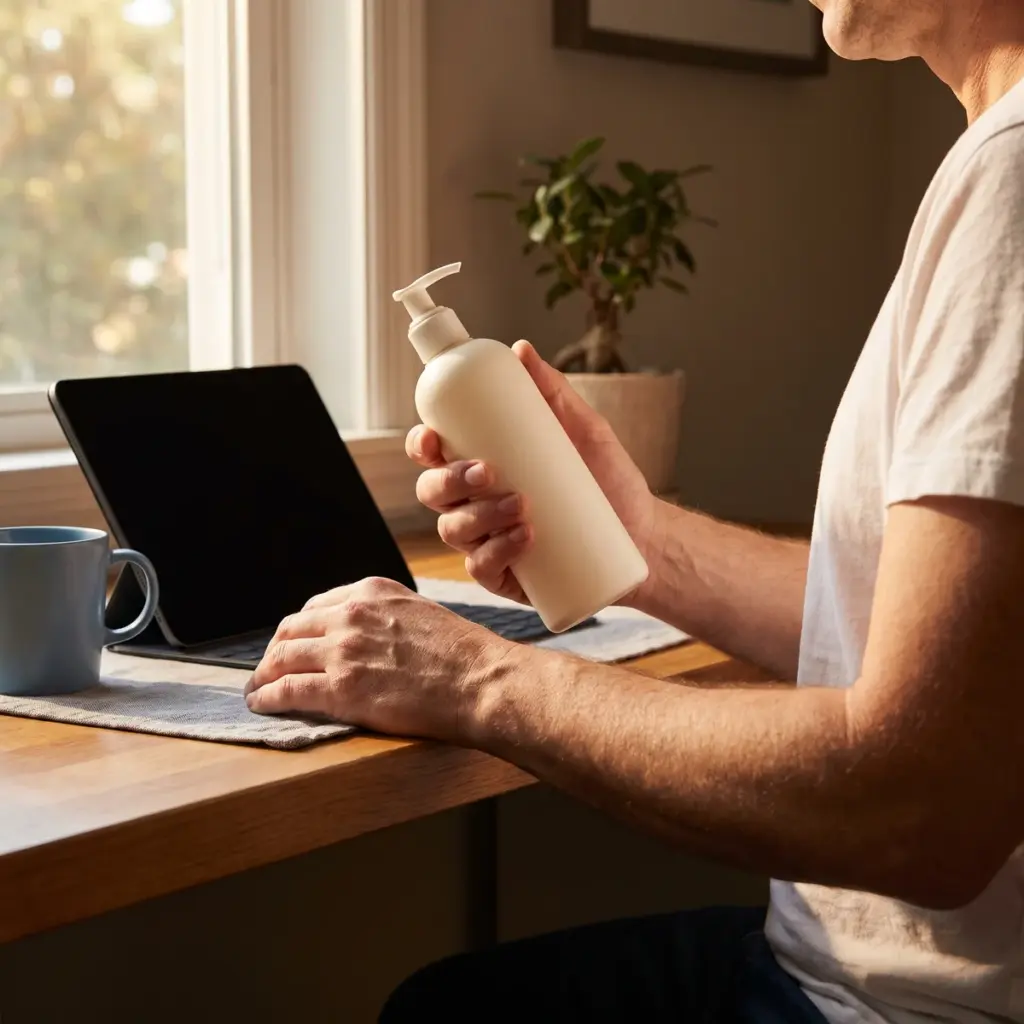
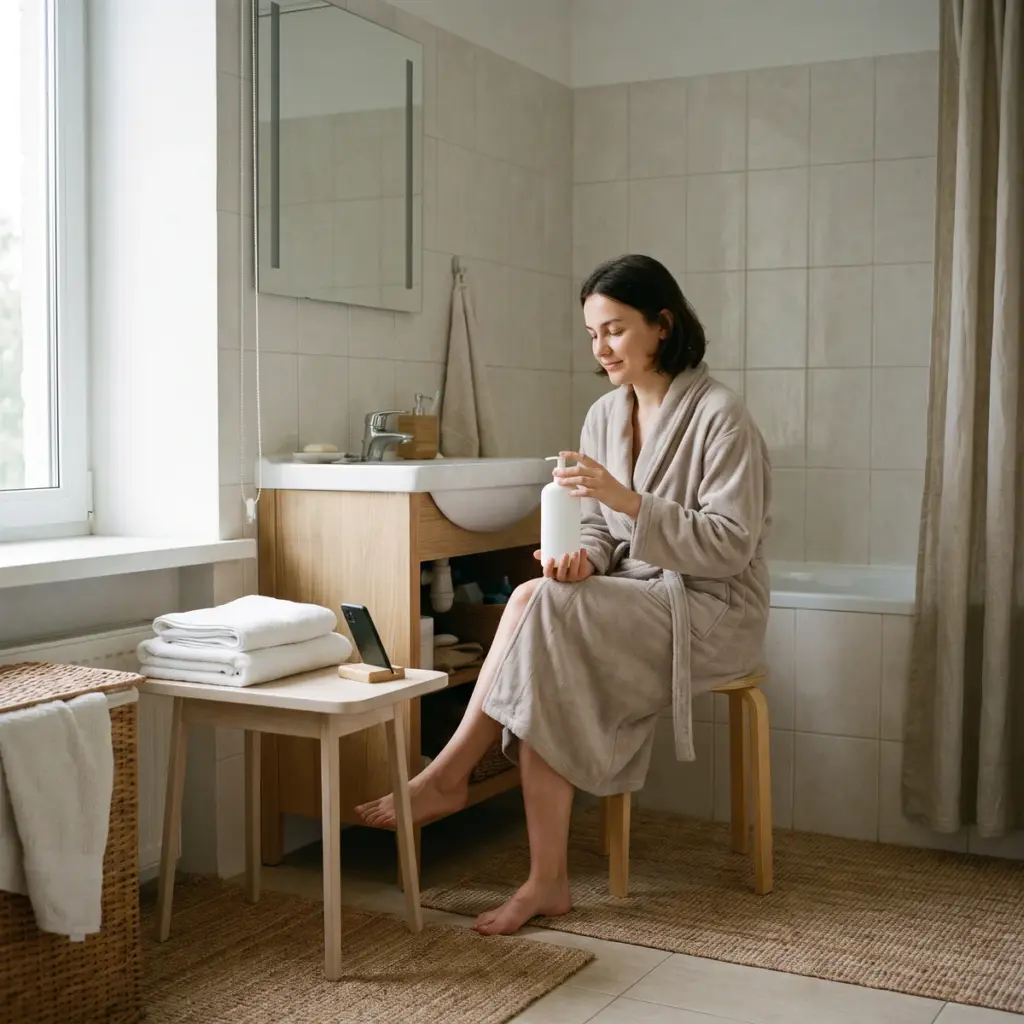
The provider screens volunteers from its database, collects informed consent and sends or hands over coded product with usage instructions. Instructions state the dose, frequency and time of day, for example a pea-sized amount morning and evening on cleansed skin. Products can be blinded, and a comparator or placebo base can be included when the design calls for it.
Diaries, questionnaires and photographs
Participants complete a usage diary and answer questionnaires at baseline and at set points, often after the first use and at the end of the period. Some designs add self-taken photographs under set lighting instructions, which give the study team visual context for the comments.
- Application frequency and amount used
- Perceived results and sensory experience
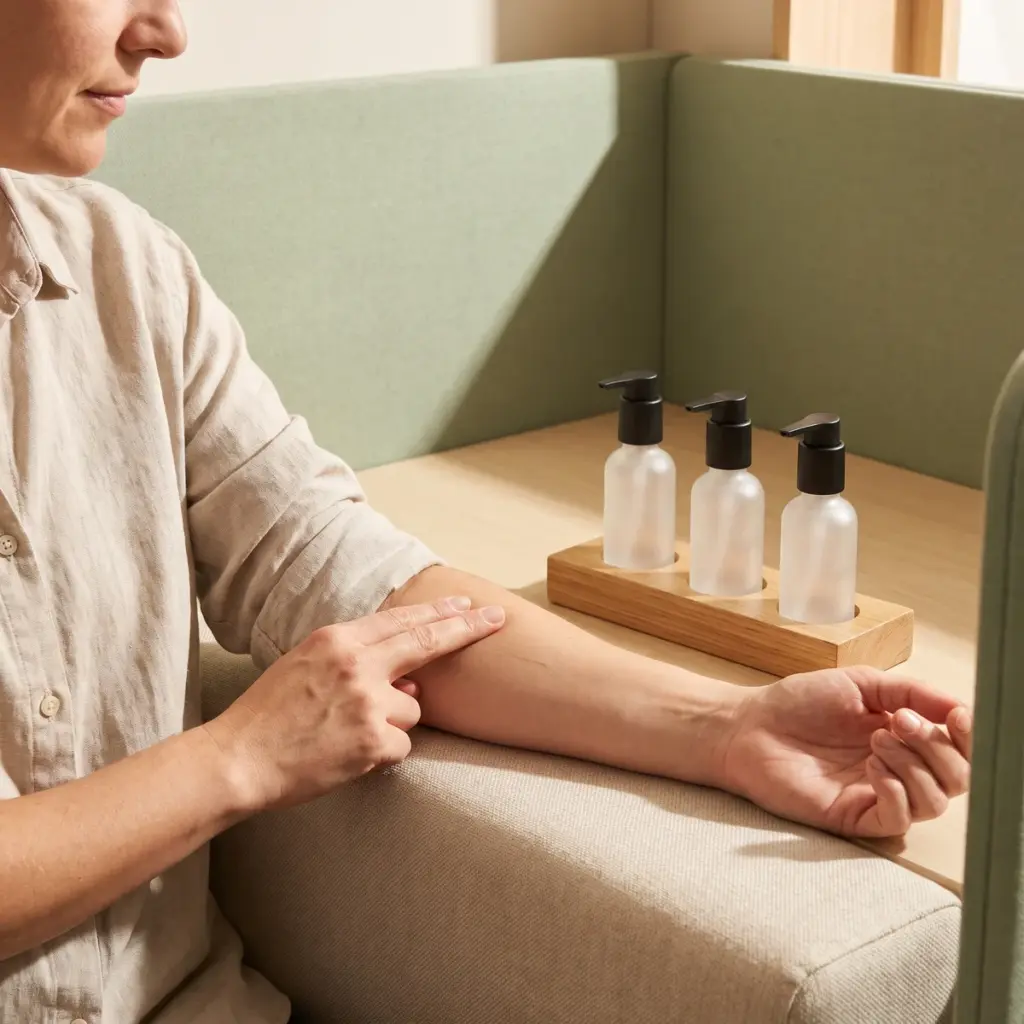
- Comfort and any reported reactions
- Packaging function and ease of dispensing
- Overall satisfaction and intention to keep using
Tolerance follow-up
A study coordinator reviews diaries for signs of discomfort and contacts participants who report a reaction. Where the protocol includes it, a dermatologist examines reported cases and records them in the final file.
Compliance figures and claim-ready percentages reported
The final report gives the participant profile, compliance figures, results for each question and a summary of reported reactions. You also receive the claim-ready statements with their supporting percentages and the anonymised dataset.
Planning an at-home usage trial for claims and launch
The protocol is built backwards from the claims and the launch date, so the planning decisions come first.
Matching duration and questions to the claim
Write the claims you want before the protocol is drafted. A claim about how skin feels after one week needs a questionnaire at day seven, and a claim about a routine of four weeks needs the study to run that long. Each claim maps to one question, so the provider can design the response scale and timing around it. For questionnaire design itself, read about consumer self-assessment studies, which are often embedded in a home-use trial.
Combining home use with instrumental studies
A home-use trial is the place to test perception and practicality. When you also want a measured figure, for example skin hydration by corneometry, the provider can run instrumental readings on a sub-group at the start and end of the same period. That gives you a consumer claim and a measured claim from one panel.
Information to give the provider
Supply finished product in its retail pack, or in neutral packaging if you want blind results. Add the target user profile, the usage instructions printed on the label, the planned claims and the safety assessment or any prior tolerance data. Providers who run regular home-use work can tell you how many volunteers in your target group they hold and how they handle drop-outs.
More in Consumer Sensory Testing
Consumer sensory testing records how people feel, use and rate a cosmetic, through trained panels, home-use trials and questionnaires.