Development: define the product and deliverables
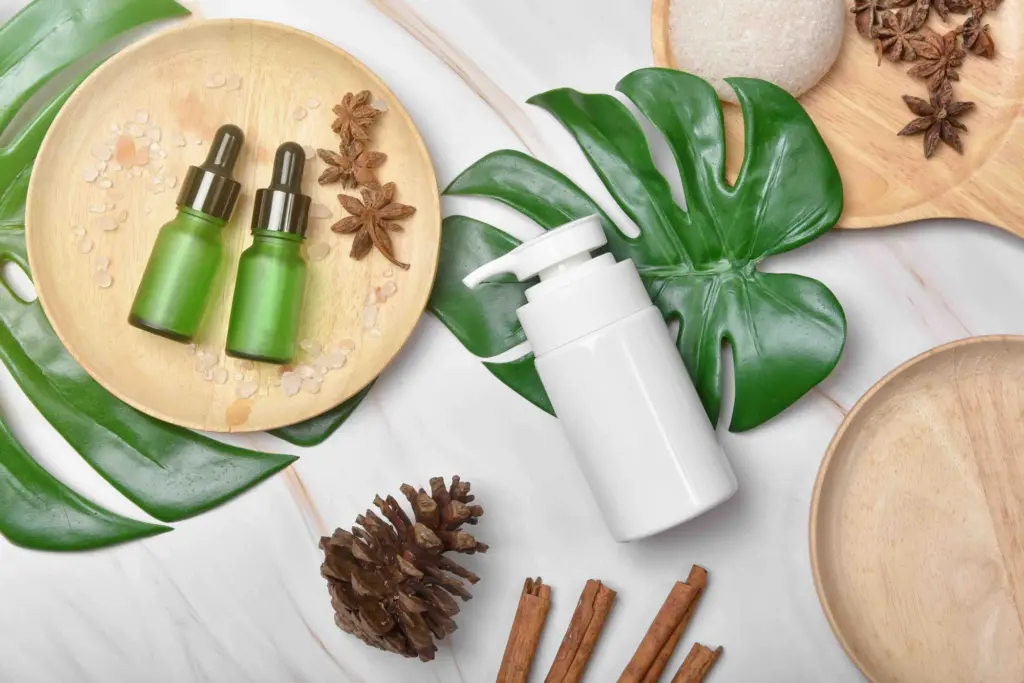
Development can include ingredient research, formulation and prototypes. Specify the intended users, format, reference, acceptance criteria and documents you need.
Natural skincare and cosmetic products
An active ingredient is selected for a defined intended function. Its concentration, formulation, exposure and supporting evidence matter.
Computational models can help prioritize hypotheses and ingredient choices. Their predictions depend on assumptions and require appropriate experimental confirmation.
Use the Development category to compare distinct research and formulation tasks. Confirm a provider’s actual scope.
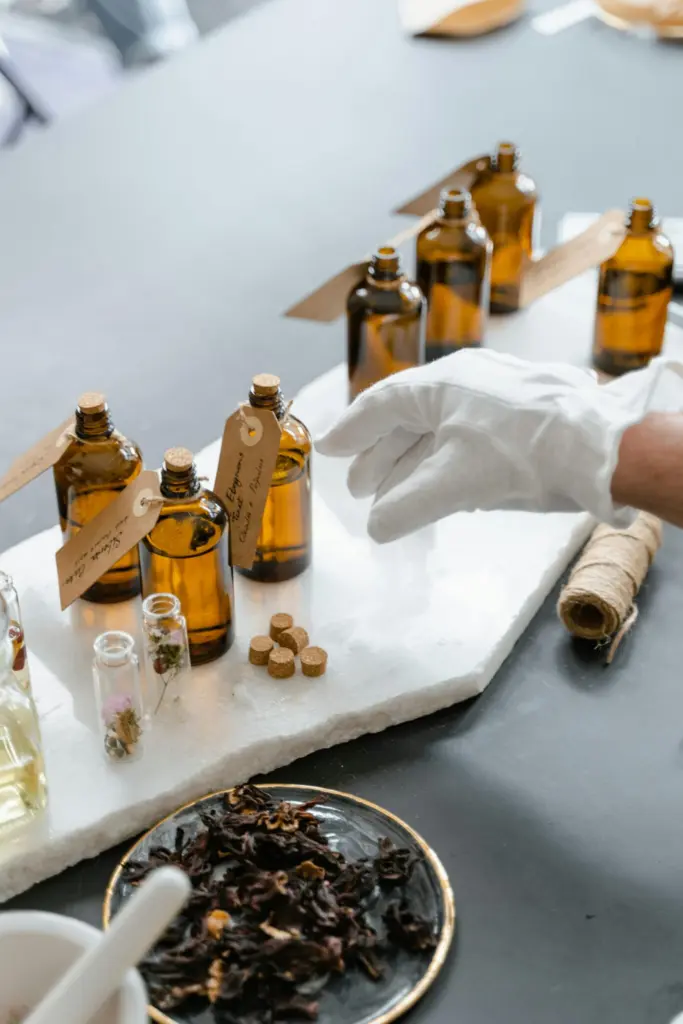
Cosmetic product formulation

Formulation develops a composition against a product brief. Agree which development tasks, evidence and documents are in scope.
Formula creation: develop a composition against defined requirements and target-market constraints.
Formula improvement: investigate a defined problem and agree measurable acceptance criteria and retesting.
Stability testing: assess specified properties under agreed conditions.
Technical documentation: specify which formula records, specifications and manufacturing instructions are included and who owns them.
Prototype development: evaluate trial samples.
Confirm acceptance criteria, formula rights, transfer requirements and further testing directly with the provider.

Quality & Safety: choose the right evidence
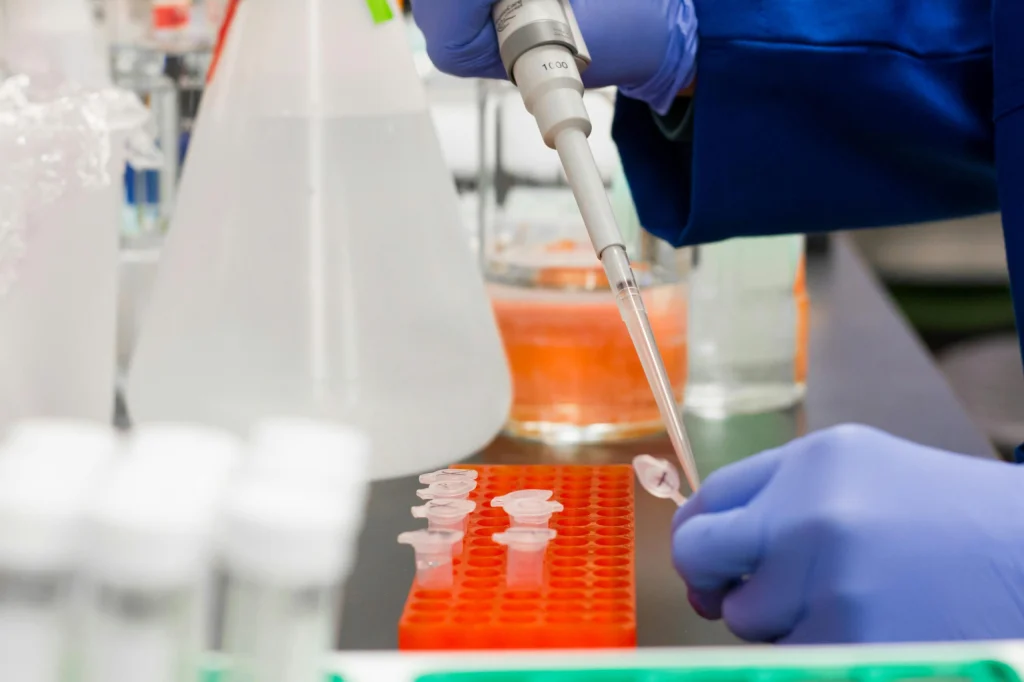
Quality, stability, preservation, packaging compatibility and safety assessment answer different questions. Select the relevant methods for the product and intended market.

What do we mean by cosmetic “claim”?

A claim is what you say your product does, for example, “reduces wrinkles in 28 days” or “24-hour hydration.” Each claim needs proof, and different countries have different rules about what you can and can’t say.

How does efficacy testing work?

Efficacy testing investigates a defined endpoint using a suitable model, instrument, expert assessment or participant study. Agree the claim, formula version, intended users, comparison, time points and analysis before the work starts. The report should state what the results support and their limitations.

What about benchmark studies?

Benchmarking compares selected properties of a reference product to guide development. Agree which characteristics and analytical limits matter.

Efficacy & Claims: substantiate a defined benefit

Qualified providers design studies around a specific claim and product. Consumer perception, instrumental measurements and expert assessment are different evidence types.

Clinical efficacy

Study duration and methods depend on the proposed claim, endpoint, product and population. Immediate and repeated-use effects need different designs. Agree the protocol, comparison, measurement schedule and reporting limits with a qualified provider.

Safety assessment

Safety assessment considers the formulation, exposure, intended users and available evidence. Ask a qualified assessor which evidence and exclusions apply to your product and market.

Consumer experience

Sensory labs evaluate texture, fragrance, absorption, and user satisfaction. The best formula means nothing if it pills under makeup or feels sticky on skin.

Clinical documentation

Request the agreed protocol, report, formula identity, deviations, results and limitations. Clarify who maintains the safety assessment and product information file.

Manufacturing beauty products

Production

Agree pilot and production scale, equipment fit, process parameters, specifications and release responsibilities with the manufacturer.

Packaging

Packaging compatibility studies examine the selected formula and container under specified conditions. Agree failure criteria, sampling and duration.

Private label

Private-label options may use an existing base, but customization can change the testing and documentation needed. Confirm MOQ, formula rights, included evidence and market responsibilities directly.

Regulatory & Certification

Launching successfully requires navigating regulations and creating compliant marketing. Find the right experts for each market challenge.

Regulatory affairs

Regulatory requirements depend on product and destination market. Ask the consultant to define applicability, responsible roles, required records and notifications.

Marketing for cosmetic products

Brand and claims work should stay within the evidence actually held for the product. Agree review of wording, images and limitations.

Brand & IP

Define the brand, design or intellectual-property task separately from testing and manufacturing. Explore Brand & IP services and confirm the specialist’s qualifications, jurisdiction and scope directly.

Cosmetic Lab Services for Your Product Development

Find cosmetic development, testing, manufacturing, regulatory and commercial services.

Or continue with email