Cosmetic formula production readiness and technical transfer services




Formula Production Readiness overview
Who provides Formula Production Readiness
Companies providing Formula Production Readiness


What cosmetic formula production readiness covers
Two services sit in this group. One documents the formula. The other tests how the formula holds up before production commits to it.
Specifications and manufacturing instructions
Formula specifications and manufacturing instructions turn a bench recipe into documents a plant can follow. The package usually includes:
- Quantitative formula with INCI names, trade names and suppliers
- Raw material specifications and approved alternatives
- Order of addition, phase temperatures, mixing speeds and times
- In-process checks and their target values
- Finished product specification for appearance, odour, pH and viscosity
The formulator records what is known about process sensitivities, such as a gum that must be pre-dispersed or an active added below a set temperature, so the plant can plan for them on its own equipment.
Early formulation stability screening
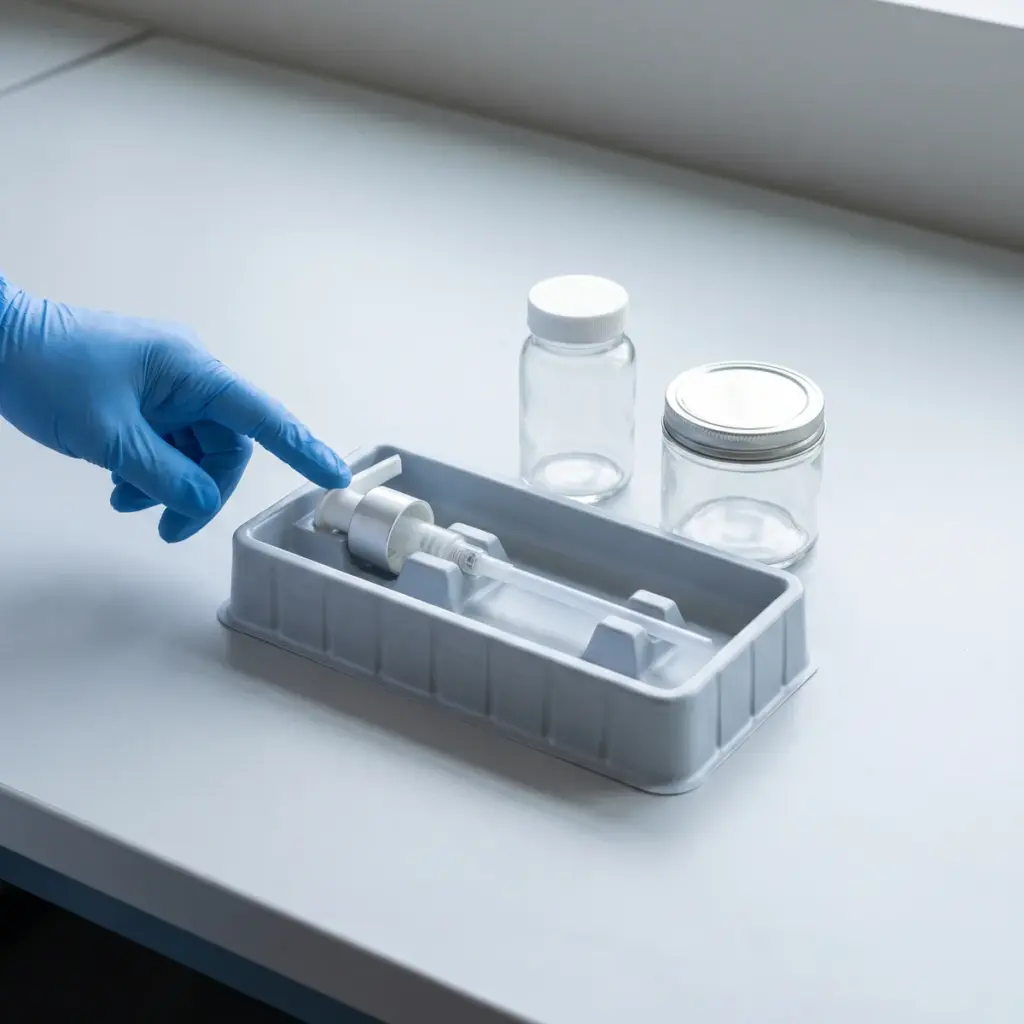
Early formulation stability screening puts candidate formulas under stress conditions such as elevated temperature, freeze-thaw cycling and centrifugation. Samples are checked at set intervals for separation, colour change, odour drift, pH and viscosity shifts. The data show which version is the most stable and flag weak points before a full stability programme begins.
Which service to order first
When two or three prototypes are still in contention, screen them for stability first and document only the winner. When a single formula is already chosen and the manufacturer is waiting, commission the documentation and run the screening in parallel. Both feed the same transfer package.
Services in Formula Production Readiness
Formula Specifications & Manufacturing Instructions
Early Formulation Stability Screening
Using production readiness work for a smooth technical transfer
The transfer package is written for one reader: the manufacturer that will make your first commercial batch.
Find out what the plant expects
Ask the receiving manufacturer for its template or checklist before work begins. Plants differ in the detail they want on process steps and in the format of specifications. Some will only accept raw materials from their approved suppliers, which can trigger an equivalence check on one or more ingredients.
Material to hand over to the provider
Send the approved formula version, raw material data sheets, prototype batch records and notes on anything that went wrong at the bench. Include the chosen pack, or the shortlist, since pack material influences which stability conditions are worth screening.
Using the package at scale-up
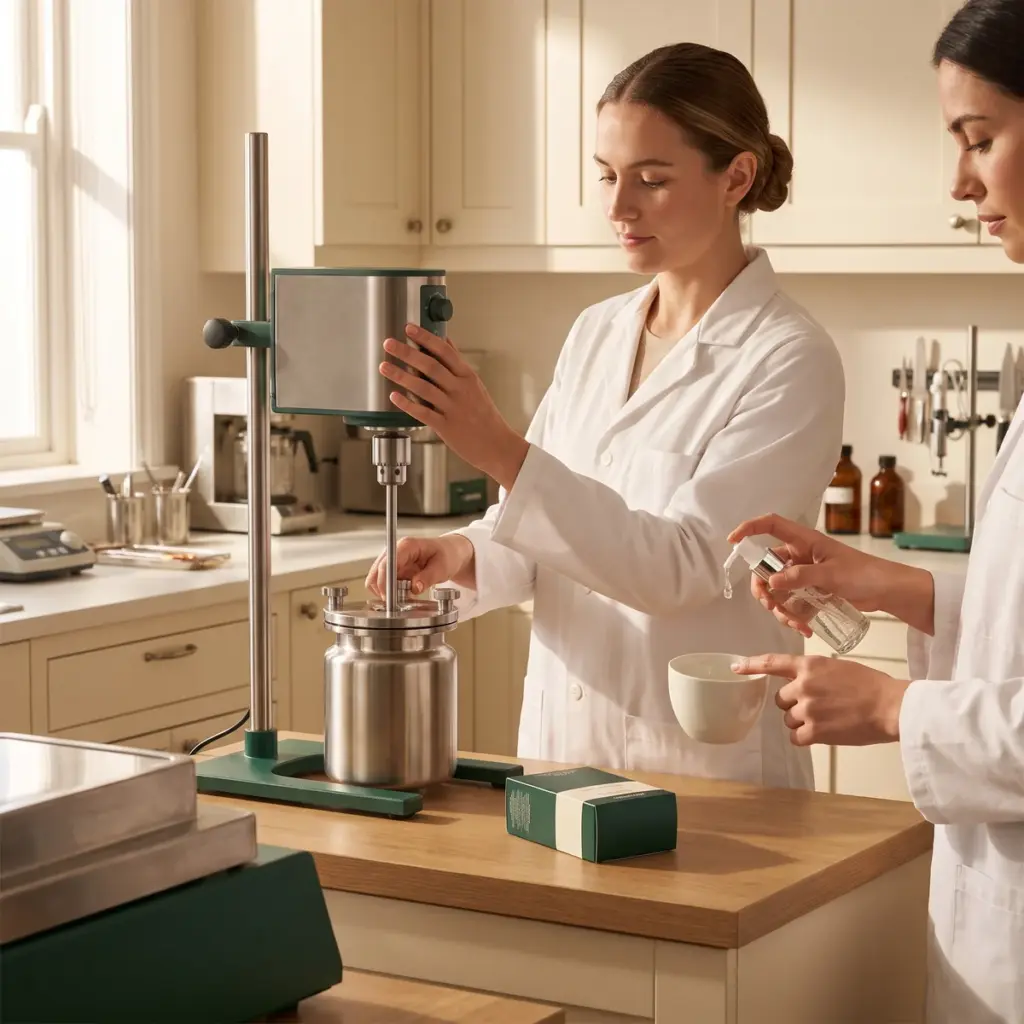
The transfer package is the reference for the manufacturer’s pilot batch. Differences in vessel size, shear and heating rate can change viscosity or droplet size, and the in-process checks in the instructions show the plant where to look. Keep each document tied to a formula version number so any adjustment at scale-up is recorded against the right version. If screening reveals a stability weakness, a round of formula optimisation can address it before the transfer is signed off.
More in Cosmetic Formulation
Cosmetic formulation services create new formulas, improve existing ones and prepare them for manufacture, from brief and prototypes to handover.