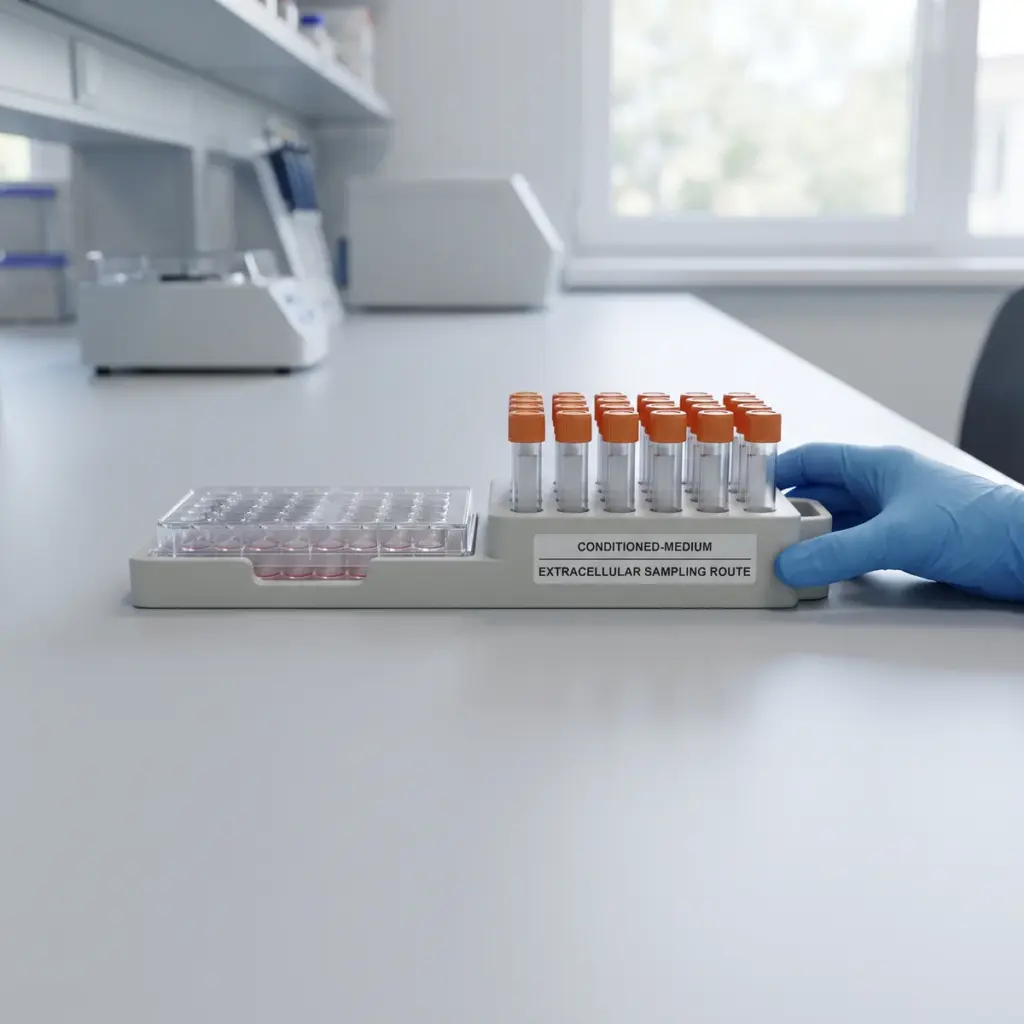
5α-reductase inhibition overview
Do you provide 5α-reductase inhibition?
How the 5α-reductase inhibition assay is run
Two isoforms of the enzyme exist. Type 1 dominates in sebaceous glands, so oil-control work normally uses it, while type 2 is linked more to hair follicles and the prostate. The laboratory confirms the isoform with you before starting.
Enzyme source and reaction
The enzyme comes from a recombinant preparation, microsomes from cells that express it, or whole cells such as sebocytes. The reaction contains testosterone, the cofactor NADPH and the test ingredient at a series of concentrations. A known inhibitor, such as finasteride or dutasteride, runs as the reference, and a vehicle control sets full enzyme activity.
Measuring DHT formation
LC-MS/MS measures DHT directly and is the most specific readout. Some laboratories use an immunoassay for DHT, or follow NADPH consumption by absorbance, which is quicker but indirect and needs controls for reactions that also use the cofactor. Plant extracts can interfere with optical readouts, so a matrix blank is included.
Cellular follow-up
In sebocytes, the same concentrations can be tested for lipid accumulation after testosterone stimulation, with viability measured in parallel. This links the enzyme result to the cell’s lipid response.
Percentage inhibition, IC50 and reference inhibitor data
- percentage inhibition at each concentration
- an IC50 value where the curve supports one
- reference inhibitor results run on the same day
- sebocyte lipid and viability data, if ordered
- full method and analytical conditions
Applying 5α-reductase inhibition data in development
Enzyme data are most useful early, when you are choosing between botanical extracts or setting the dose of an oil-control active.
Ranking extracts and setting a use level
An IC50 is a single number that lets you compare extracts, batches or suppliers on the same assay. Testing two or three production batches also shows whether activity is stable enough to put on a specification. The concentration range where inhibition is clear guides the use level the formulator starts from.
Wording for sebum-related claims
The data supports mechanism wording on the ingredient sheet, such as an active that limits the conversion of testosterone in sebaceous models. Keep finished-product wording to skin appearance, such as less shine or a more matt complexion, and back it with oil-control and shine testing on volunteers. Hormone-related claims on a cosmetic attract close scrutiny, so the volunteer data is what carries the consumer claim.
Same enzyme, different target
The type 2 isoform is the focus in hair work. If your active is also intended for scalp or thinning-hair products, the follicular 5α-reductase assay tests it against the isoform and cells relevant to the follicle, and can often share the same sample and reference set.
More in Sebaceous Gland & Oily Skin
Sebaceous Gland & Oily Skin testing screens oil-control actives in sebocyte models for lipid production, androgen signalling and C. acnes activity.