Cytokine cascade modulation


Cytokine cascade modulation overview
Who provides Cytokine cascade modulation
Companies providing Cytokine cascade modulation
How cytokine cascade modulation reads linked signals
Cytokines coordinate inflammation across skin and immune cells, and they act in sequence. Cytokine cascade modulation looks at this connected response, so an effect on one upstream signal can be traced to the mediators it drives. IL-1α and IL-1β released early from stressed keratinocytes, for example, switch on IL-6 and IL-8 in neighbouring cells, and a cascade design samples several points along that chain.
Challenge and measurement
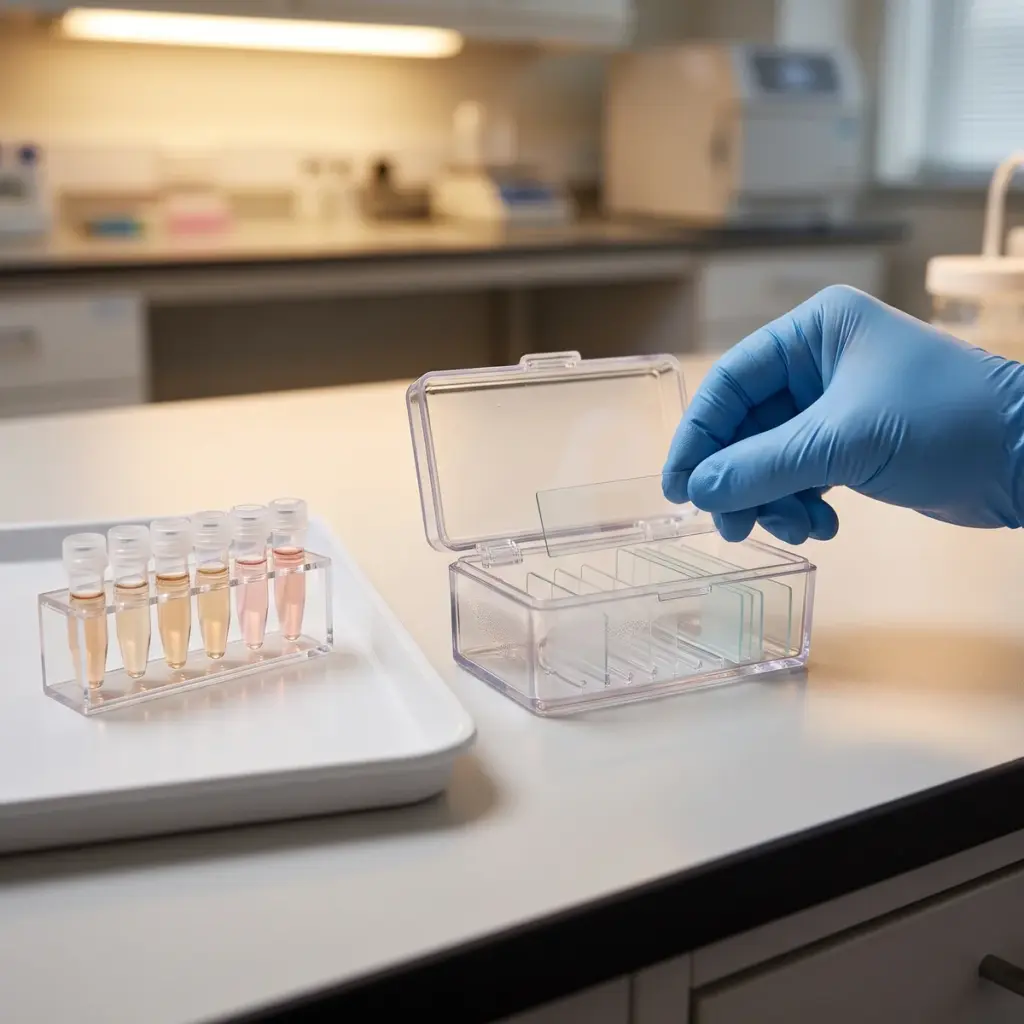
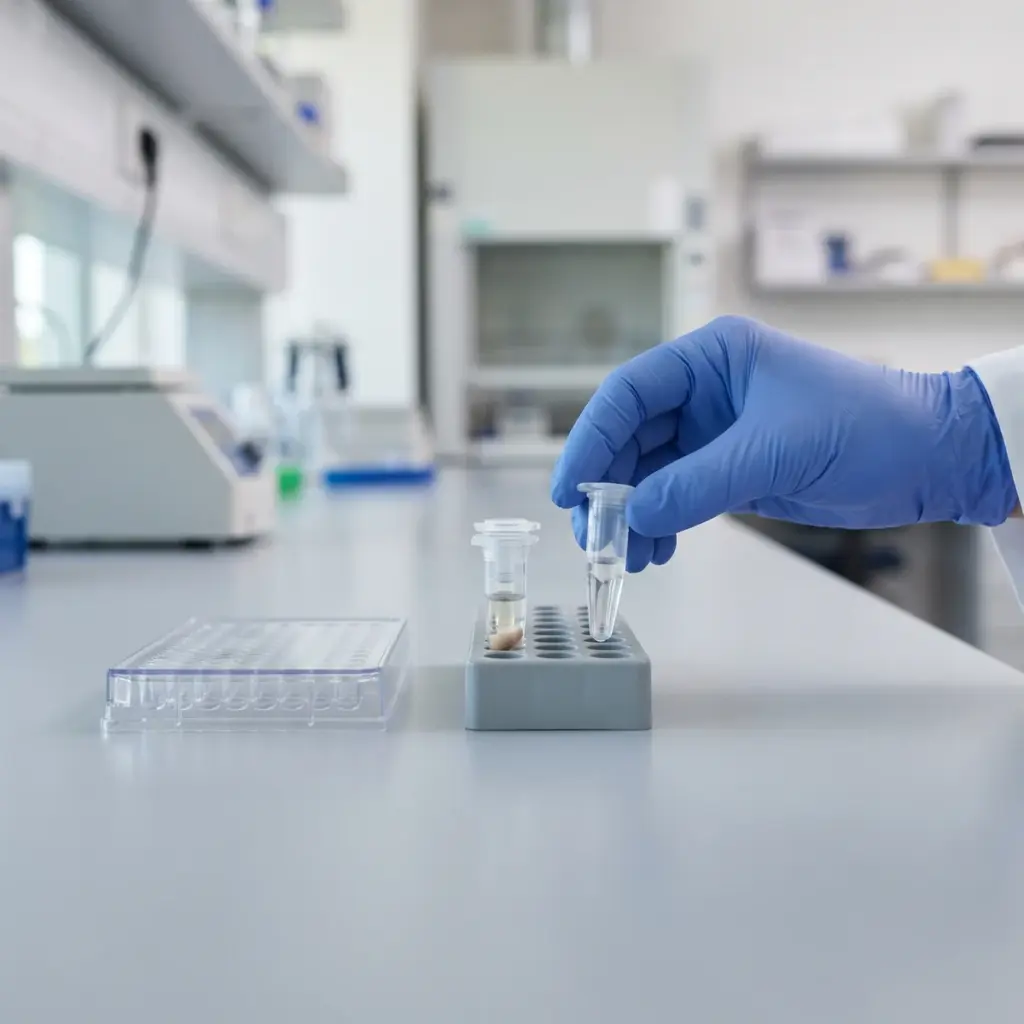
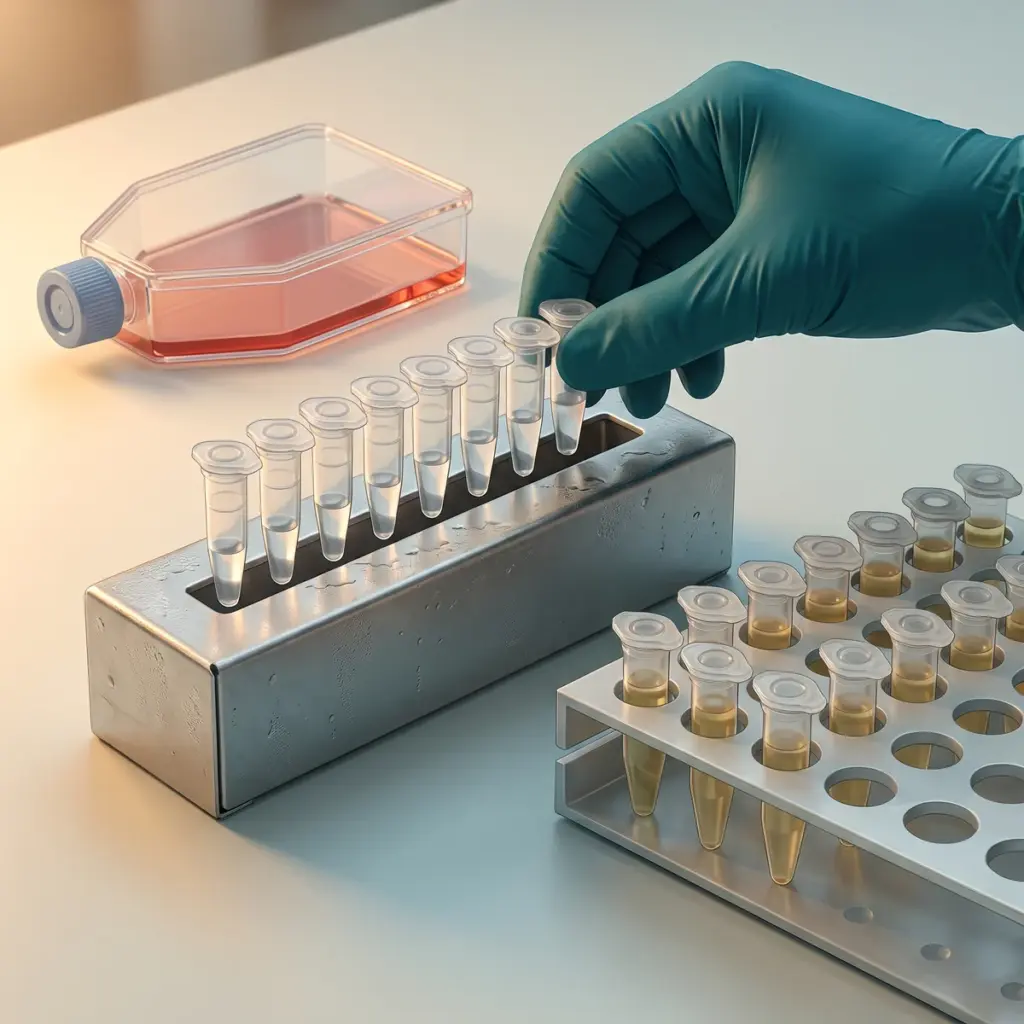
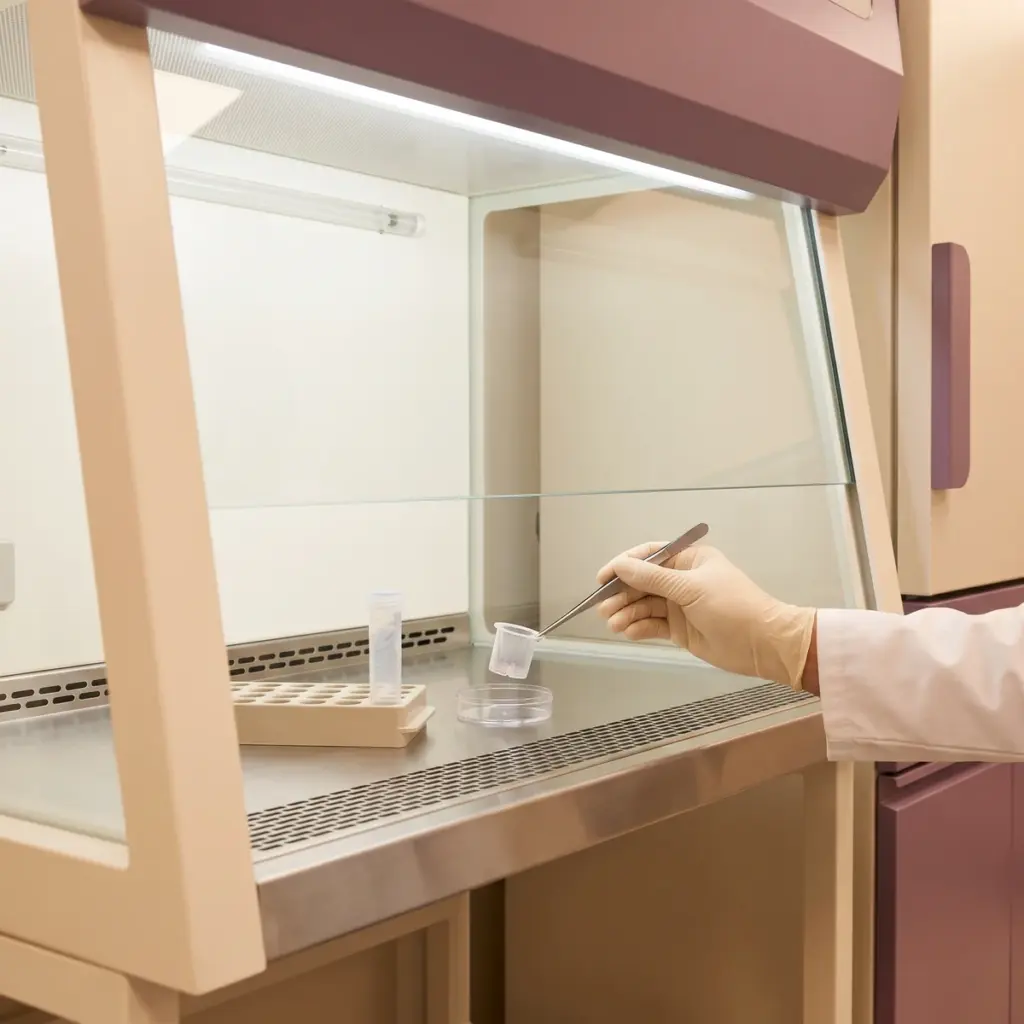
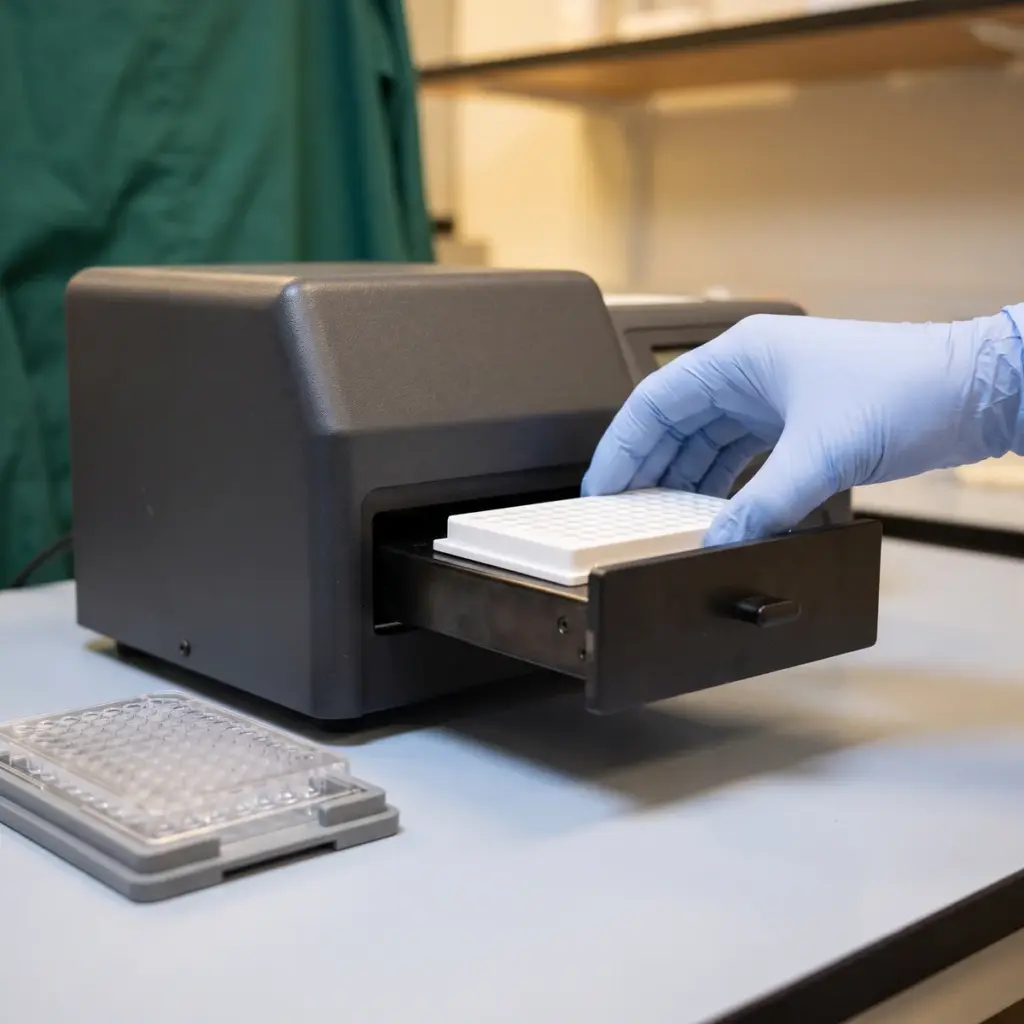
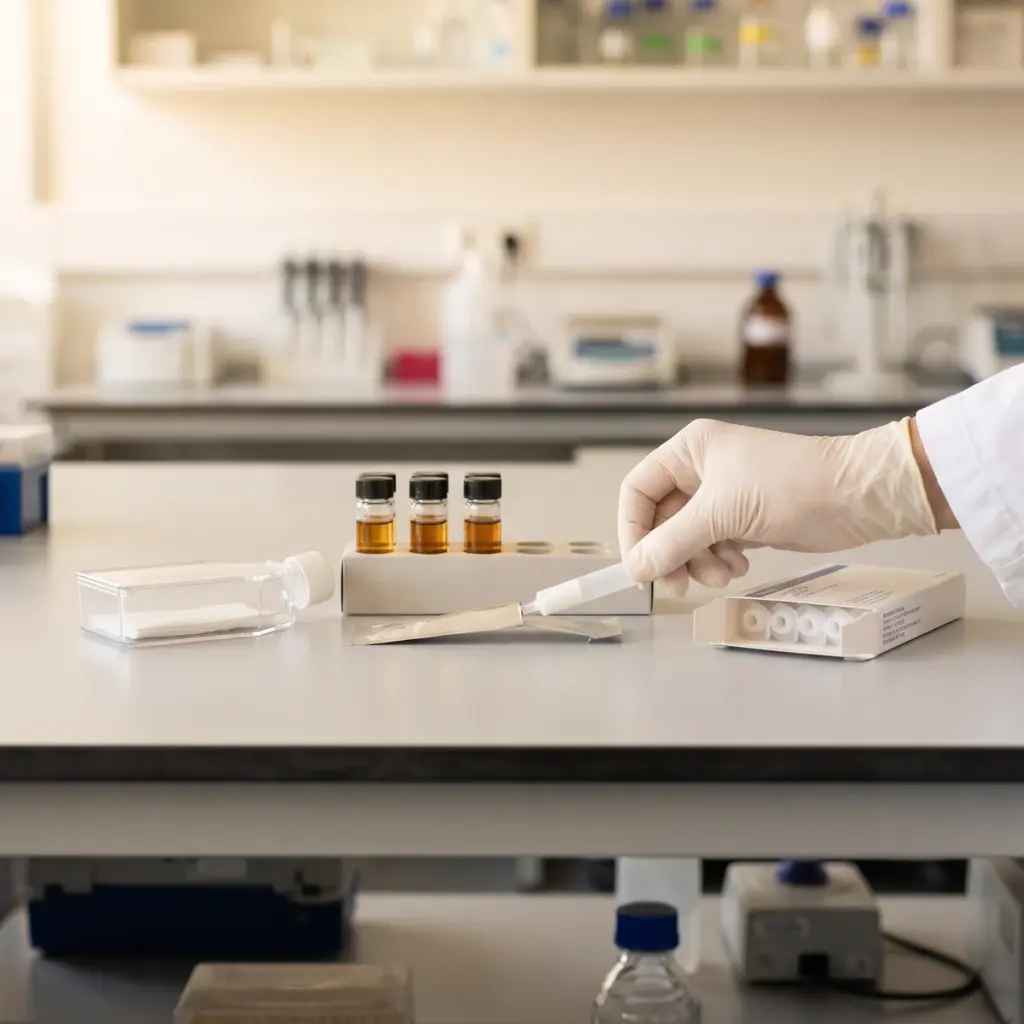
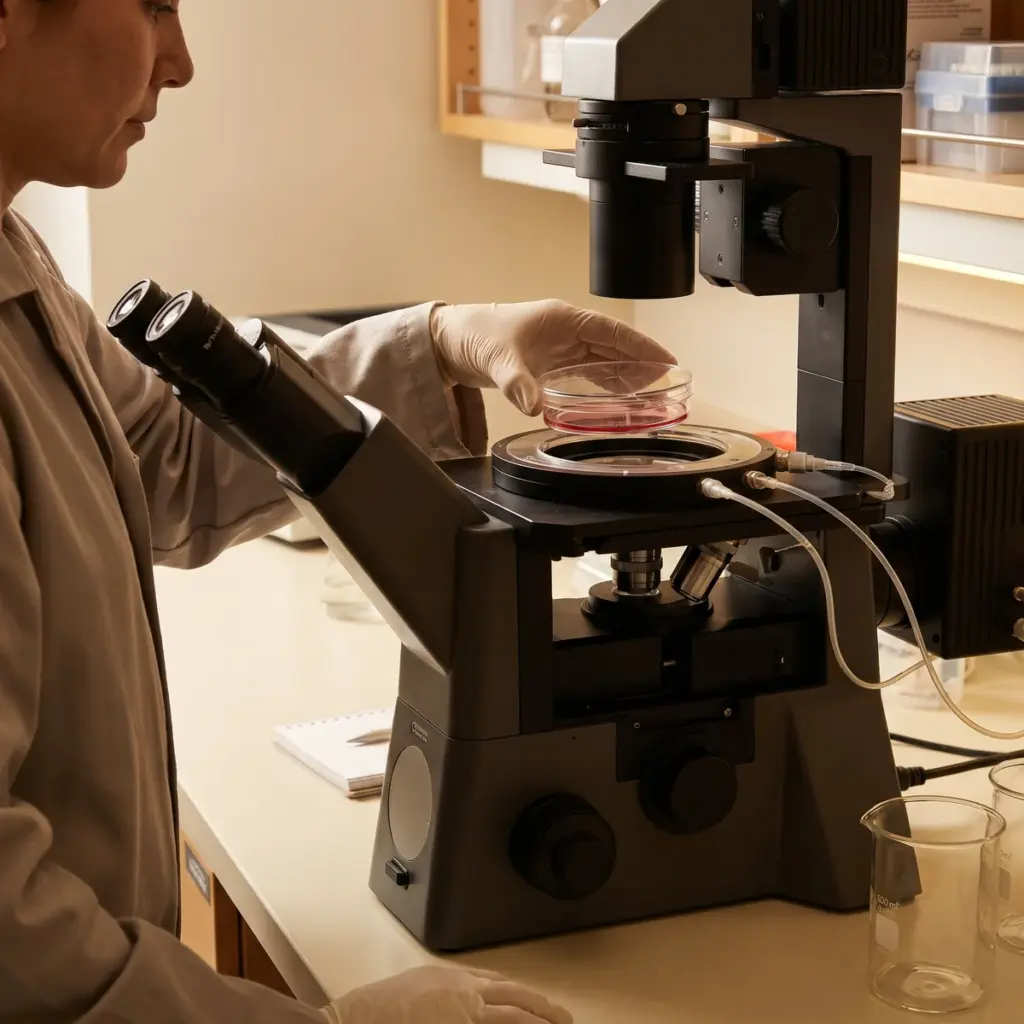
Keratinocyte, immune-cell or tissue models meet a defined challenge together with your test material. Immunoassays quantify IL-1β, TNF-α, IL-6 and other markers chosen for the model, while gene-expression assays add the transcriptional picture. Sampling at early and late time points shows whether the active acts at the start of the cascade or on the mediators that follow.
- Stimulated and unstimulated comparisons
- Vehicle and reference controls
- Concentration-response and time-course profiles
- Viability measurements that exclude nonspecific suppression
Pathway follow-up
NF-κB readouts or selected enzyme studies help you investigate upstream control. COX-2, lipoxygenase and prostaglandin E2 sit on the eicosanoid branch and report on lipid mediators, so they extend the evidence without standing in for cytokines. For a UV challenge, a lower mediator output can reflect a smaller delivered dose as well as real modulation, which the controls are designed to separate. The report sets out the panel, the controls, the analysis and an interpretation scoped to your soothing programme.
Designing a cytokine cascade modulation study
The design choices you make before the study starts decide what the cascade data can support, so settle the timing, the challenge and the readouts with the laboratory at the quotation stage.
Prevention and recovery
Pre-treatment and post-challenge designs answer different questions. A pre-treatment run asks whether an active dampens the cascade before it starts, while a recovery run asks how quickly signalling settles afterwards. Decide which matters for your claim, because it shapes the timing and the controls.
Reading the numbers
Protein release and transcript change answer different questions, and many programmes read protein first and add transcripts for the strongest candidates. Viability, cell-number and interference data sit next to every mediator value in the report. With UV work, pair the mediator data with the delivered dose so a shading effect is visible. Human soothing and after-sun performance call for volunteer studies, and a cascade result gives you the mechanistic ground to design them well.
More in Inflammation & Skin Immunity
Inflammation & Skin Immunity studies measure how an ingredient changes cytokine, neurogenic and innate defence responses in skin cells and tissue models.