Hair product performance and scalp efficacy testing

Hair Scalp Testing overview
Who provides Hair Scalp Testing
Companies providing Hair Scalp Testing
What hair product performance and scalp testing involves
Three services sit here. One tests the hair fibre and how the product performs on it, one tests the scalp skin, and one looks at the biology of the follicle and the fibre in the laboratory.
Hair fibre performance
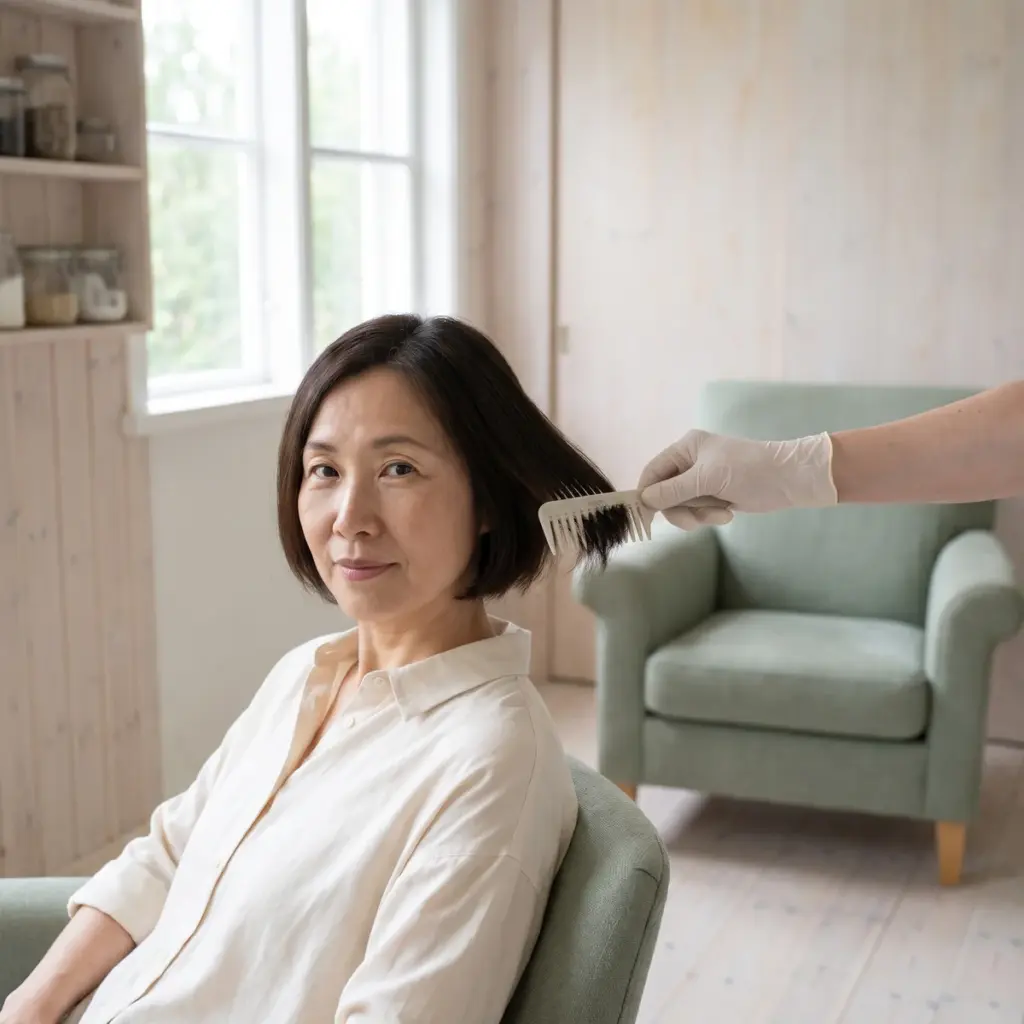
Hair product performance testing works on standardised tresses and on volunteers. Instrumented combing measures the force needed to detangle wet and dry hair. Tensile testing and repeated grooming cycles count broken fibres. Gloss is measured by goniophotometry or image analysis, and volume and frizz from calibrated photographs in a humidity chamber. Salon half-head tests let a trained hairdresser compare test and reference products on the same head.
Scalp condition
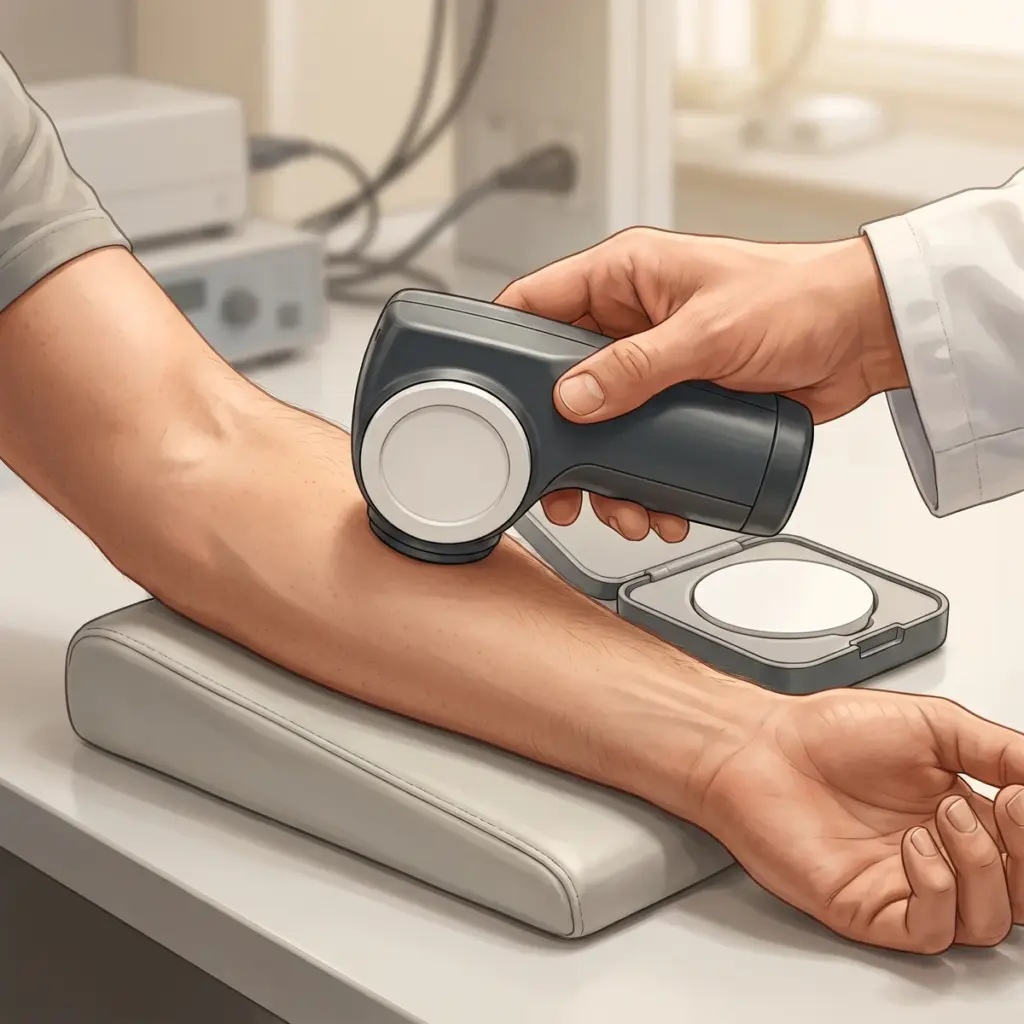
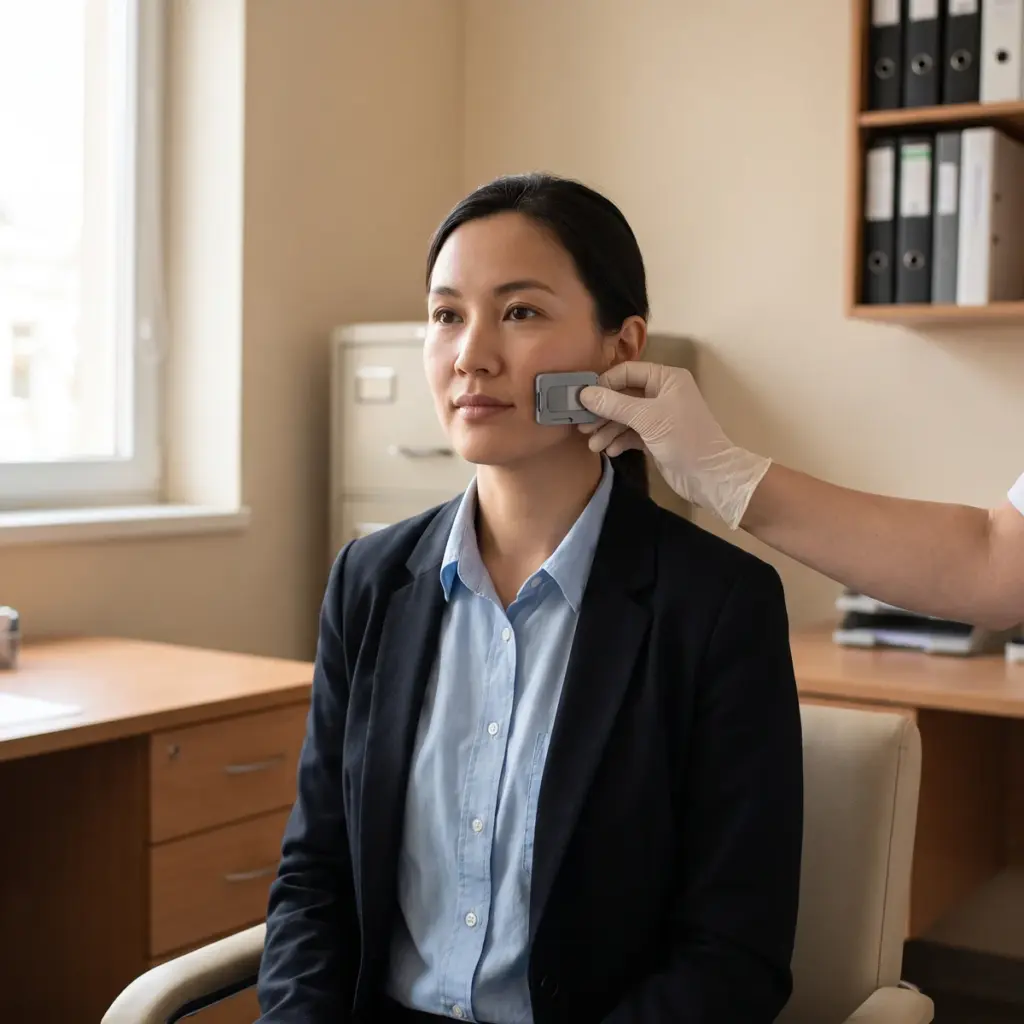
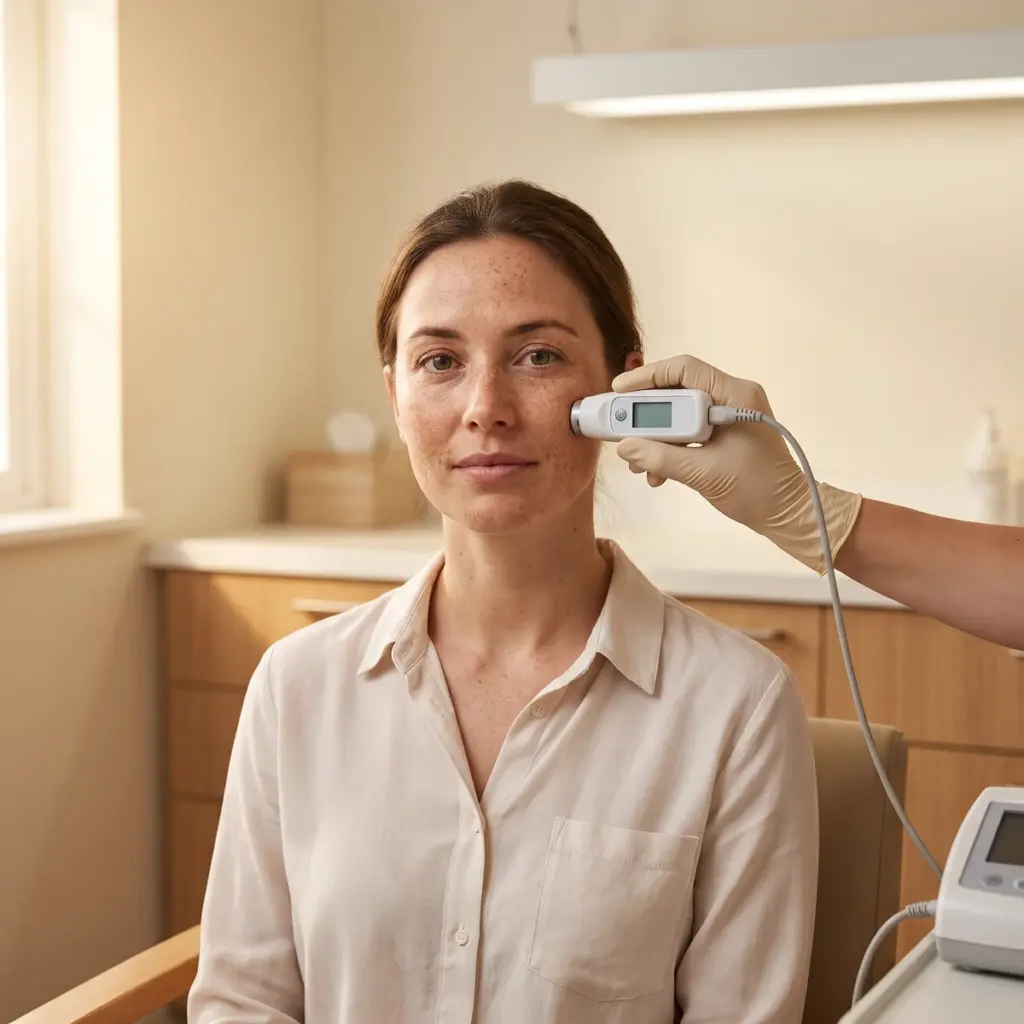
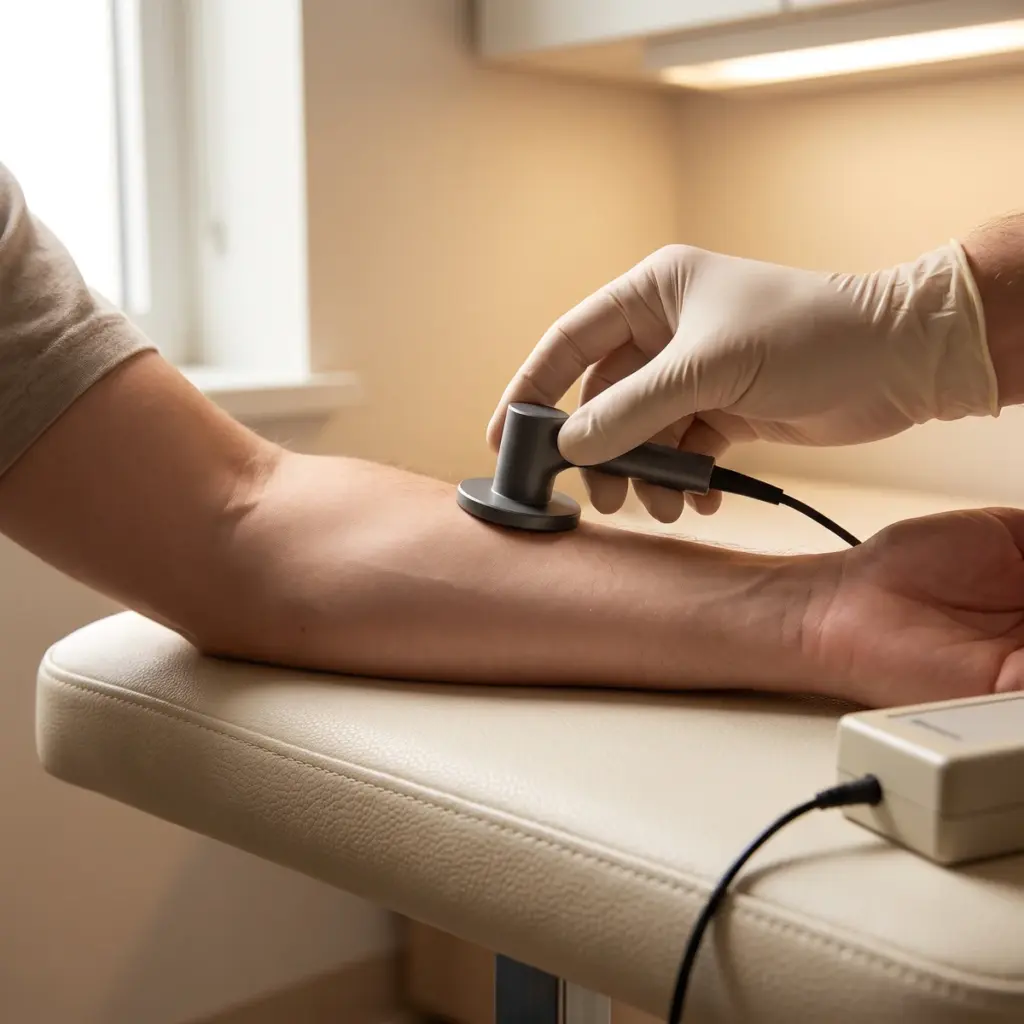
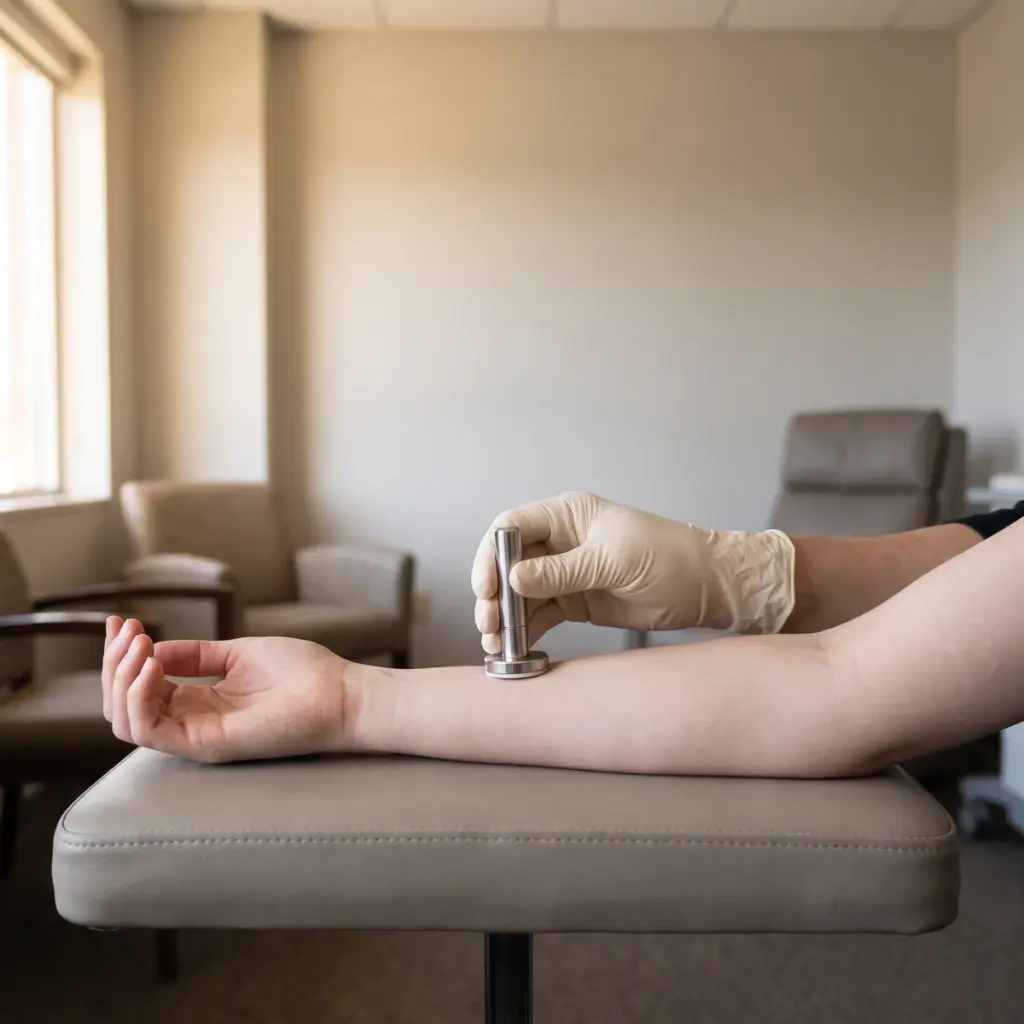
Scalp care efficacy testing recruits volunteers with flaking, oily or itchy scalps. Dermatologists grade adherent and loose flakes by scalp zone, sebumeter tape measures oiliness after a set time since washing, and corneometry and TEWL describe scalp hydration and barrier. Videodermoscopy documents redness and flaking, and questionnaires capture itching and comfort.
Follicle and fibre biology
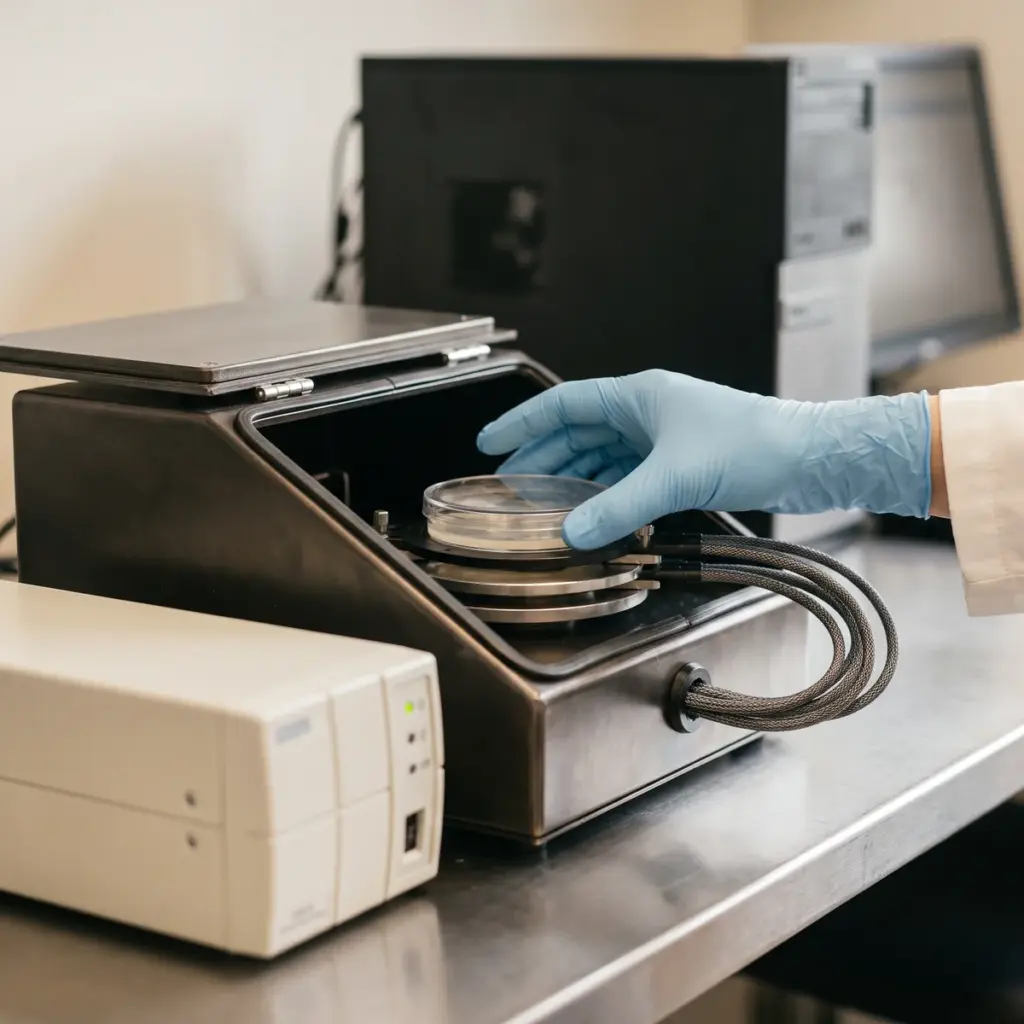
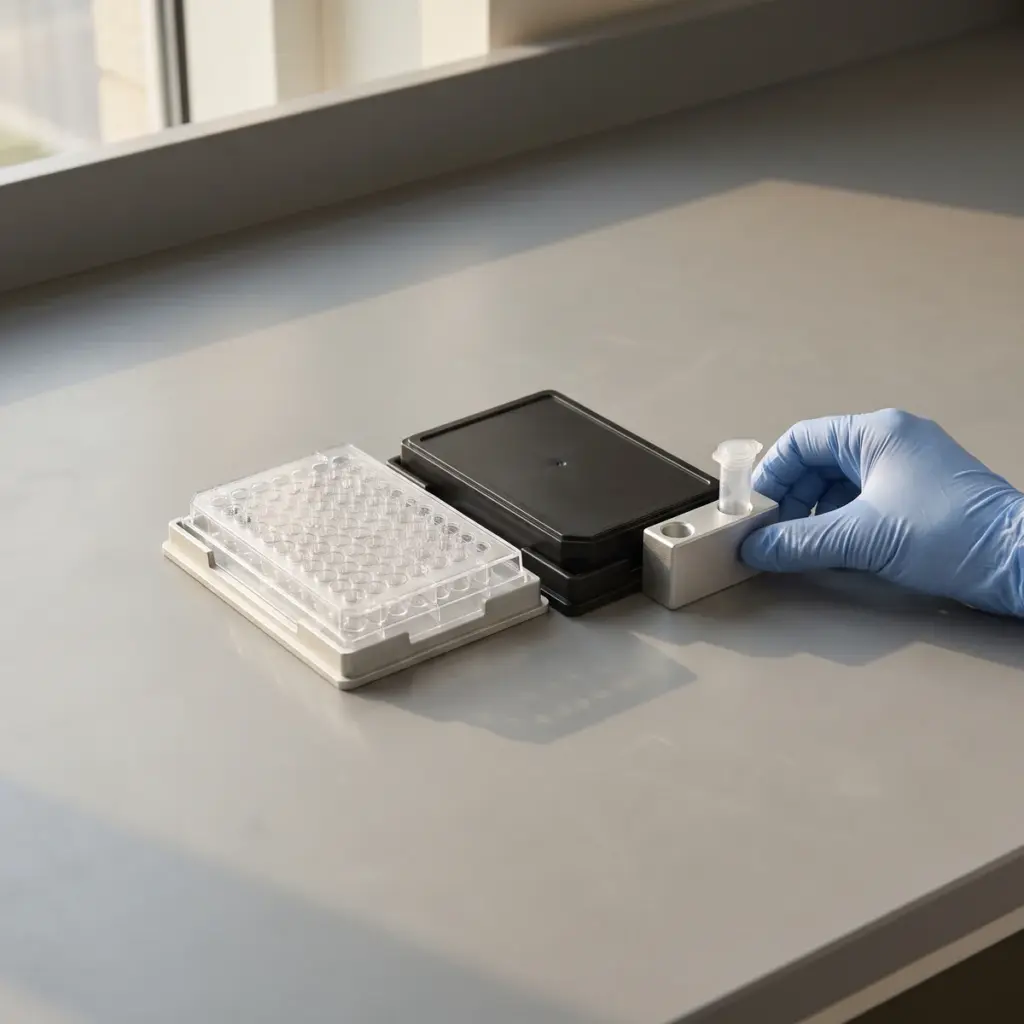
Hair follicle and fibre studies use dermal papilla cell cultures, ex vivo human hair follicles and isolated fibres. Endpoints include follicle elongation, anagen duration, growth factor expression, 5-alpha-reductase activity, keratin damage and protein loss after bleaching or heat.
Force curves, grading scores and follicle data
Tress and fibre work reports force curves, breakage counts and images. Volunteer studies give grading scores, instrument readings per visit, statistics and standardised photographs. Follicle studies report growth measurements and marker levels against controls.
Services in Hair Scalp Testing
Hair Follicle & Fibre
Getting useful results from hair and scalp efficacy testing
Hair projects combine fibre, scalp and follicle data in different proportions, depending on the product and the claim.
Tresses or volunteers
Tress work is quick, repeatable and good for ranking prototypes or proving a fibre benefit such as “reduces breakage” or “easier detangling”. Volunteer and half-head studies show how the product behaves on real heads and support consumer-facing wording on shine, softness and manageability. Scalp claims always need volunteers, because flaking and itching only occur on living skin.
Information providers need
Give the hair type and condition you target, such as bleached, curly or fine, and say whether the product is rinse-off or leave-on. State the washing frequency in the routine, the reference product and whether the panel must stop other styling or scalp products. For hair-density positioning, describe the claim precisely so the laboratory can propose a design for the hair-fall and density endpoints that suits a cosmetic product.
Linking scalp and skin data
Scalp skin responds to the same measurements as facial skin, so oily-scalp products can borrow the sebum methods described under sebum control testing. A soothing scalp serum can add comfort and redness endpoints from the same visits.
More in Cosmetic Efficacy Testing
Cosmetic efficacy testing measures what a product or ingredient does for skin, hair, lips or nails, in volunteers or laboratory models, to back claims.