Quality & Safety


Quality & Safety overview
Who provides Quality & Safety
Companies providing Quality & Safety

Quality and safety testing for cosmetic products
The services in this family answer two sets of questions. Quality testing asks whether the product is what it should be and stays that way. Safety testing asks whether it can be used without harm under normal and foreseeable conditions.
Cosmetic quality testing
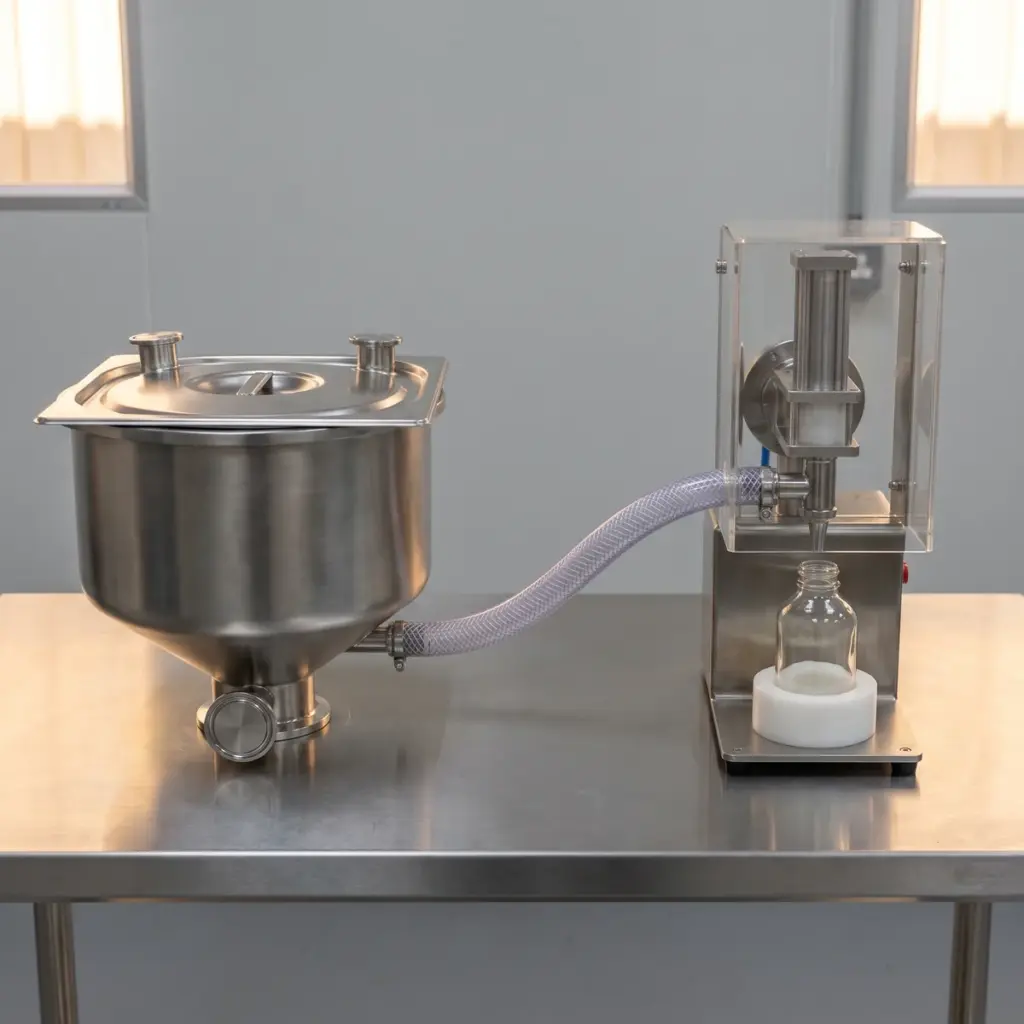
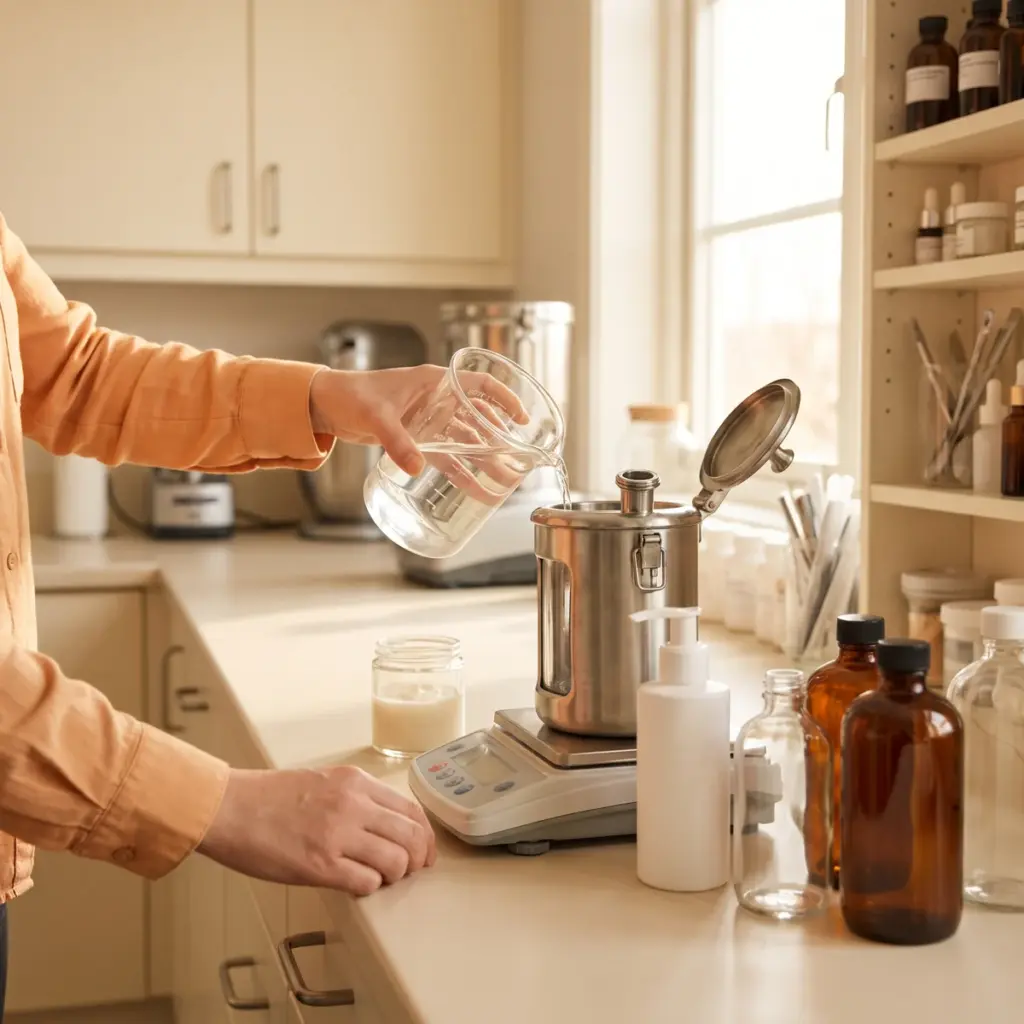
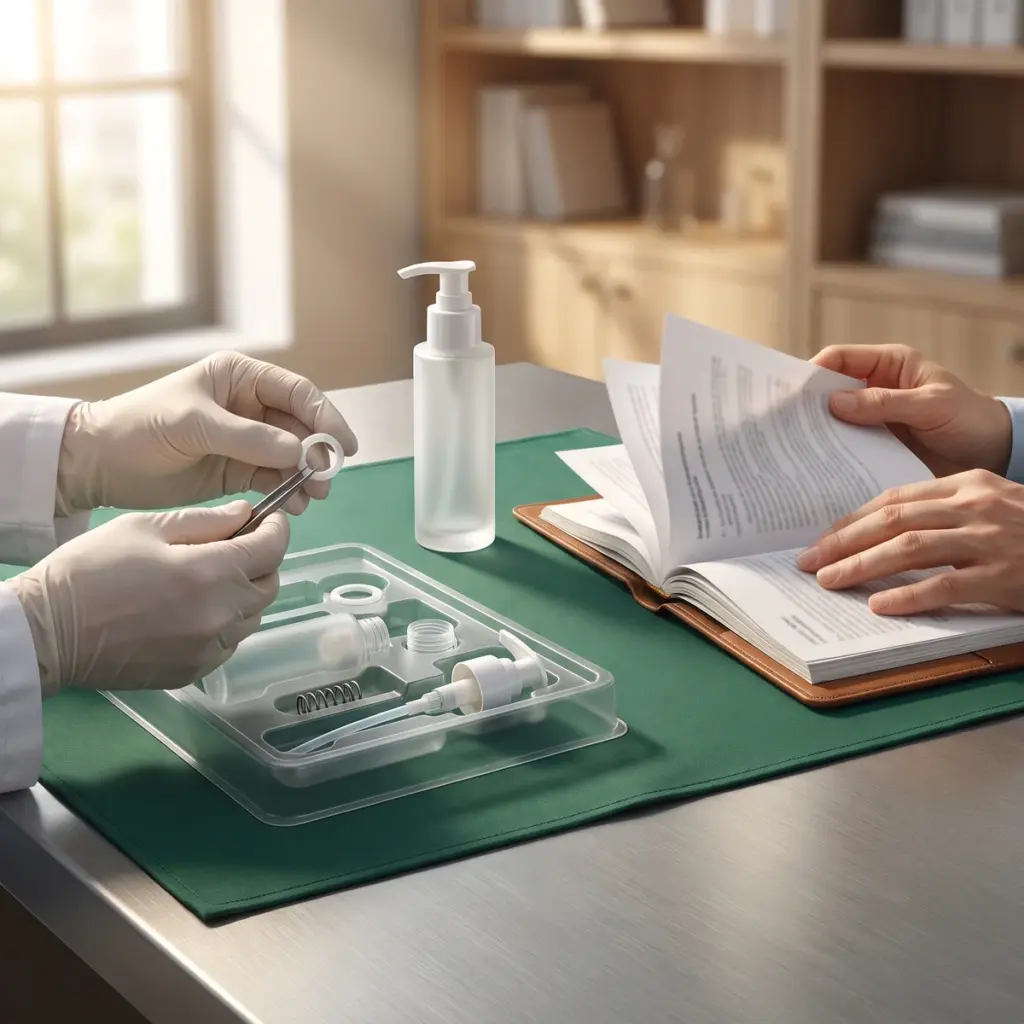
Cosmetic quality testing starts with characterisation: pH, viscosity, density, appearance and, where needed, analytical measurement of actives or impurities by chromatography and spectroscopy. Stability studies store samples at raised temperature, in cold and freeze-thaw cycles and under light, then measure changes over time. Compatibility tests check how the formula and its container interact. Microbiology covers counts of bacteria, yeasts and moulds, and challenge testing in which the product is inoculated with organisms to measure how well the preservative system copes.
Cosmetic safety testing
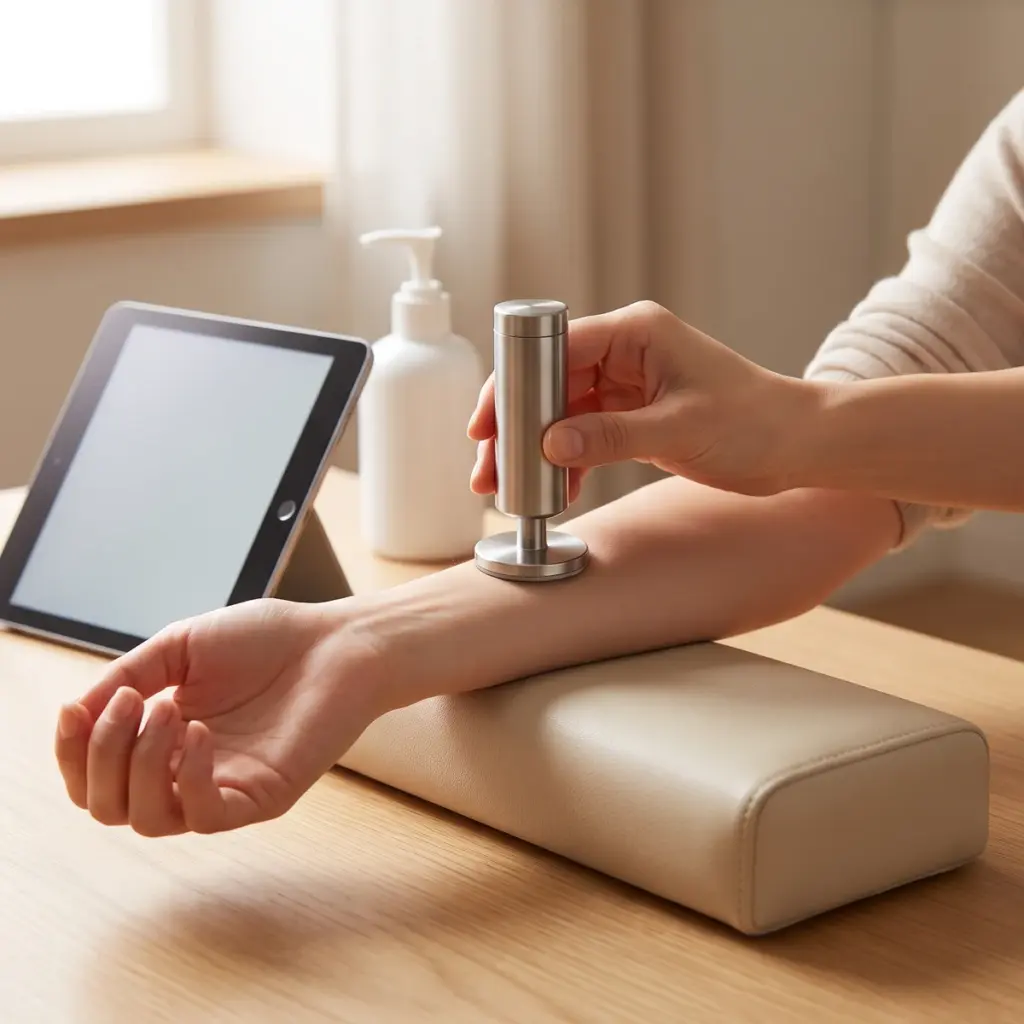
Cosmetic safety testing combines laboratory methods with human studies and expert review. In vitro tests on reconstructed skin and eye tissue models assess irritation, and validated non-animal methods address skin sensitisation. Human repeat insult patch tests and in-use tolerance studies follow once the formula has a sound safety basis. A safety assessor then evaluates the ingredient data, exposure and test results to conclude on the finished product.
Outputs you receive
Test reports with methods and results, stability data that supports a shelf life and period after opening, microbiological certificates, patch test reports and, from a safety assessor, a signed safety assessment for the product information file.
Services in Quality & Safety
Cosmetic Safety Testing
Cosmetic Quality Testing
When to commission quality and safety work
Most brands meet these services twice: once for the launch and again whenever the product changes.
Building the launch file
A new product needs stability and compatibility data, a preservation result and a safety assessment before it can be sold in most markets. These studies take weeks to months, so start stability testing as soon as you have a near-final prototype in its intended pack. The safety assessor can begin reviewing ingredient data in parallel and will tell you which extra tests the formula needs.
Changes that trigger retesting
Swapping a preservative, changing a raw material supplier, moving to a new container or switching manufacturer can each change stability or microbiological results. Ask the laboratory which existing data still applies and which tests to repeat. A focused retest is usually enough when the change is small.
Finding the right laboratory
For microbiology, look for a laboratory with ISO/IEC 17025 accreditation for the methods you need. For in vitro safety, check that the provider runs the specific validated test methods required and can supply the tissue models. For human tolerance studies, the provider should hold ethics committee approval and work with dermatologists. Many brands use one laboratory for quality work and a separate assessor for the safety report, which is fine as long as the assessor receives every result. Once safety is covered, efficacy and claims testing is the usual next step.
More in Services
Find cosmetic development, testing, manufacturing, regulatory and commercial services.