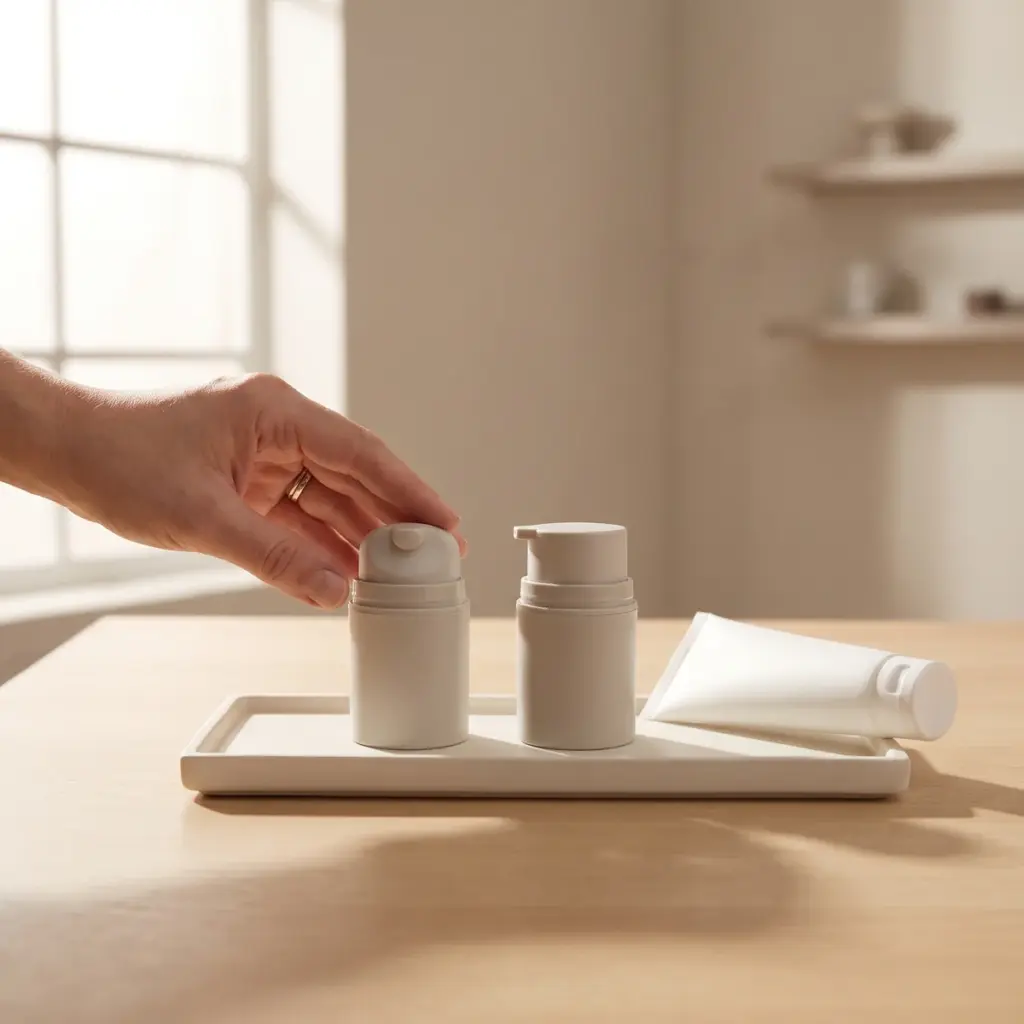
Competitor & Product Positioning Research overview
Do you provide Competitor & Product Positioning Research?
What competitor and product positioning research compares
The study starts with a benchmark set: the products your intended buyer would consider in place of yours, chosen by category, price tier and channel. Researchers buy or document each product and record pack size, price and the date of observation, so every comparison rests on the same basis.
Commercial and claims analysis
For each product the analyst records front-of-pack and online claims, the INCI list, main active ingredients, format and dispenser, price per unit, the channels it sells through and the ranking or review data available. Consumer reviews are coded by theme to show which benefits buyers value and which complaints recur.
Laboratory product benchmarking
Where the question is technical, a testing laboratory measures the purchased products under matched conditions. Typical measurements include:
- Viscosity, pH and spreadability
- Appearance and stability after storage
- Sensory profile from a trained panel
- Instrumental performance such as hydration or skin feel
- Dispensing, residue and application experience
Analytical chemistry can also identify and estimate the levels of selected ingredients in a competitor formula, which helps a formulator set a development target.
The positioning map and report
The deliverable plots the benchmark set on the axes that matter to your buyer, often price against a main benefit, and highlights clusters and open ground. It comes with product profiles, a claims matrix, any laboratory data and recommendations for the position, claims and format of your product.
Applying competitor and product positioning research to a cosmetic launch
The comparison feeds the briefs that follow it, so plan how each team will use the findings.
Writing the formulation and claims brief
Benchmark data gives a formulator measurable targets: a viscosity range, a sensory profile, an active ingredient that rivals lack. The claims matrix shows which benefits are already crowded and which are open, so the claims you plan to substantiate with efficacy testing are ones that set the product apart.
Defining the benchmark set before you commission
Name the products you already see as competitors and explain why, then let the researcher add the ones your buyers mention in reviews and search. State the countries and channels in scope, because shelf sets in pharmacy and prestige retail differ. If you want laboratory benchmarking, budget for purchasing several units of each product, since matched testing needs fresh samples from comparable batches.
Combining the map with demand and price data
An open space on the map becomes a business case once you know how many buyers sit there. Demand sizing analysis puts a value on the segment, and cosmetic product pricing strategy checks that the price point the map suggests leaves a workable margin in your channels.
More in Market Positioning Research
Market positioning research for beauty brands: demand sizing, competitor analysis and pricing strategy to decide where a new product fits and sells.

