Prostaglandin synthesis regulation overview
Do you provide Prostaglandin synthesis regulation?
How prostaglandin synthesis regulation is studied
Prostaglandins are lipid mediators with several roles in skin. Prostaglandin E2 contributes to redness and sensitivity after irritation, while other prostaglandins take part in normal tissue function. Regulation testing reads how your ingredient shifts that output, which can mean a reduction or a change in balance between prostaglandins. Prostaglandin E2 is made in two steps: cyclooxygenase forms prostaglandin H2, and prostaglandin E synthase converts it, so either step can be the point where an active acts.
Cell models and exposure
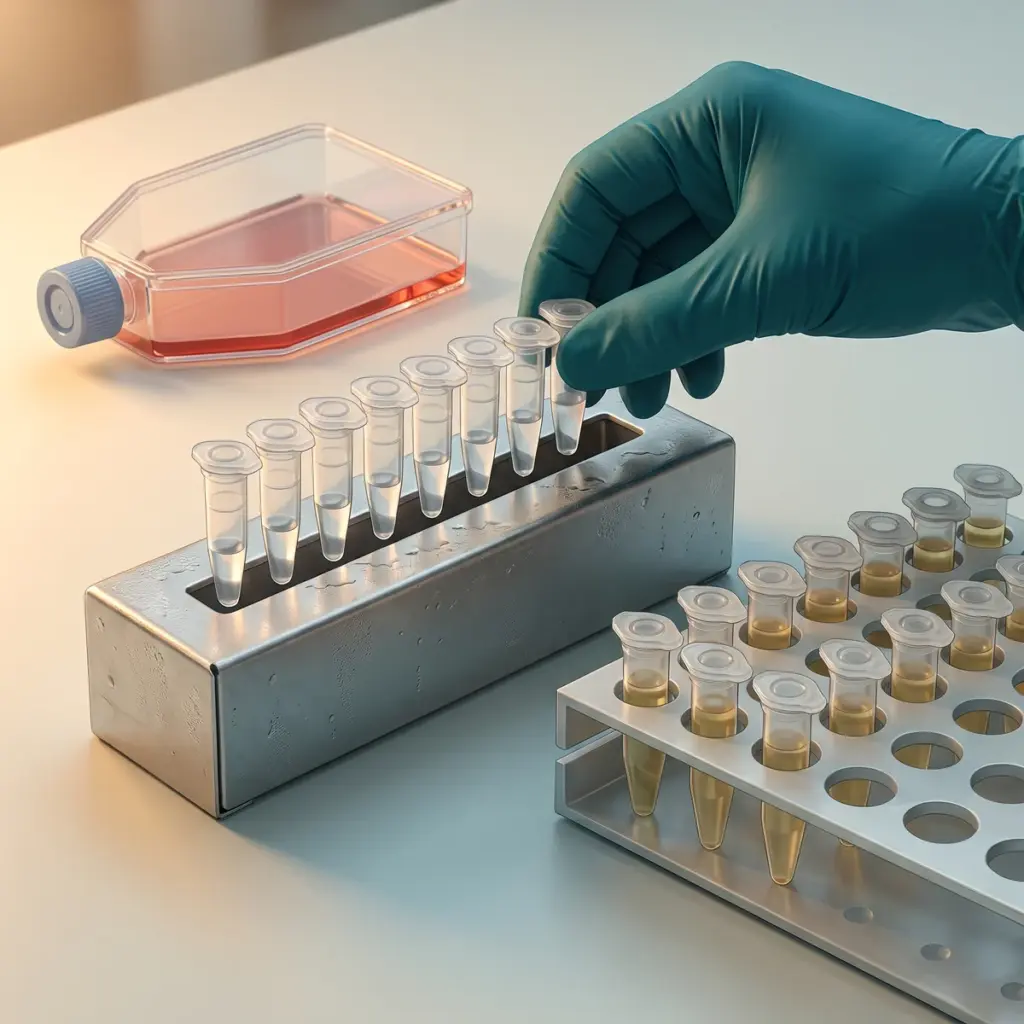
Keratinocytes or fibroblasts receive a stimulus that raises prostaglandin production, together with the test material over a range of concentrations. The timing of sampling follows the known production curve for the mediator, and results are normalised to viable cell content. Typical stimuli include inflammatory cytokines, a calcium ionophore or UVB, each of which raises prostaglandin E2 within hours.
Quantifying the mediators
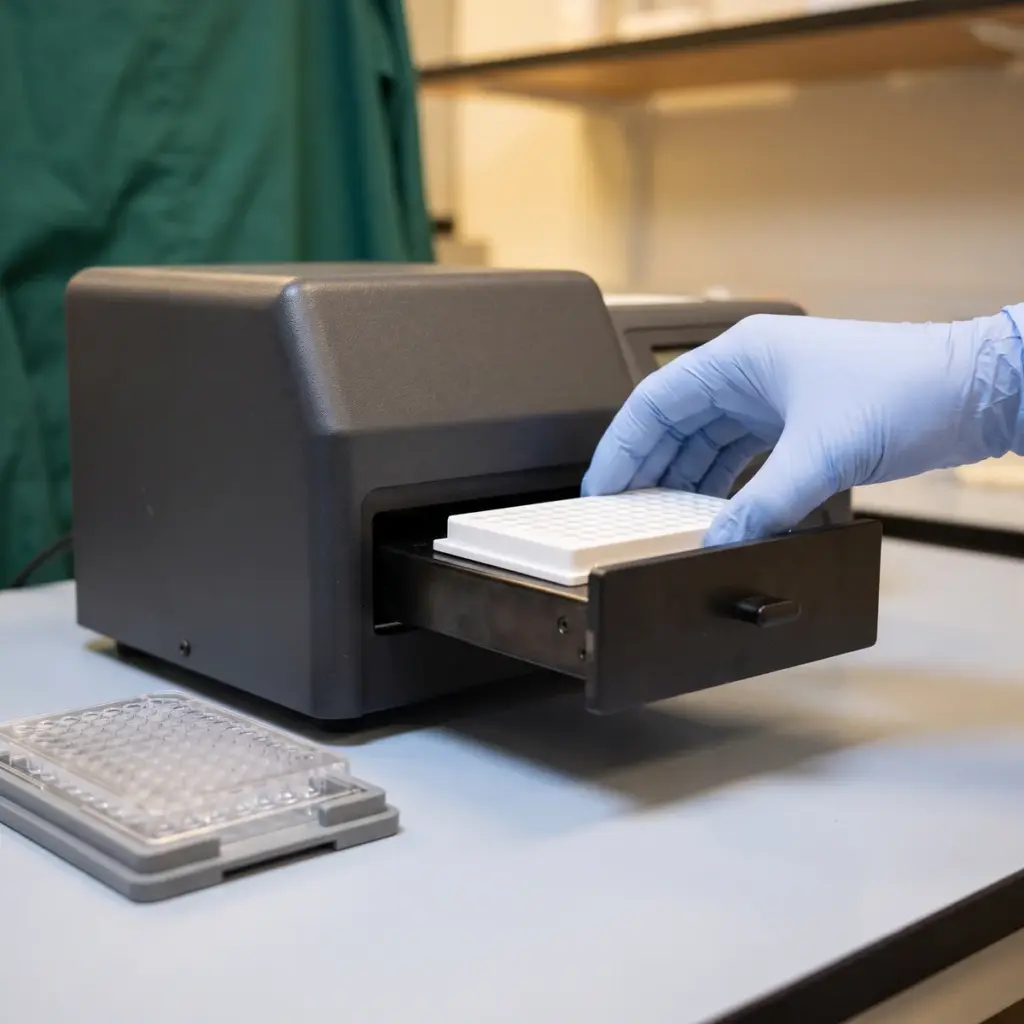
ELISA gives a sensitive measure of prostaglandin E2. LC-MS can measure several prostaglandins in one sample, which helps when you want to see a shift in balance. COX-1 and COX-2 assays can sit alongside to show whether the enzyme step is involved.
- Concentration-response data with reference controls
- Exposure timing matched to mediator production
- Viability and normalisation to viable cells
You receive mediator concentrations per condition, the concentration range tested, viability data and an interpretation of the change. Leukotrienes, if measured, are reported as a separate branch.
Applying prostaglandin synthesis regulation data
Prostaglandin output is a direct read of one of the signals behind flushing and warmth in irritated skin, which makes the study a natural fit for comfort and after-sun programmes.
Comparing formulation candidates
The study gives a direct read of mediator output in cells, so it suits head-to-head comparison of two or three soothing actives, or of an active in different carriers. Choose the stimulus to match your product: a UV-type challenge for an after-sun, a chemical irritant for a product aimed at reactive skin.
Combining enzyme and output data
If the prostaglandin level falls, the next question is where. Pairing the cell study with COX-2 inhibition tells you whether the enzyme itself is blocked. For a view that also covers leukotrienes, eicosanoid mediator control takes in both branches of the pathway.
What to send
Provide the test material at a known concentration, its solvent or carrier, and the use level planned in the finished product. That lets the laboratory set a concentration range that is relevant to your formula.
More in Inflammation & Skin Immunity
Inflammation & Skin Immunity studies measure how an ingredient changes cytokine, neurogenic and innate defence responses in skin cells and tissue models.