Pigmentation Radiance Testing overview
Do you provide Pigmentation Radiance Testing?
What skin pigmentation and radiance testing covers
Three services sit in this group. Two measure appearance on volunteers and one explains the biology. They differ in what they measure, so the claim you plan decides which one you need.
Dark spots and skin tone
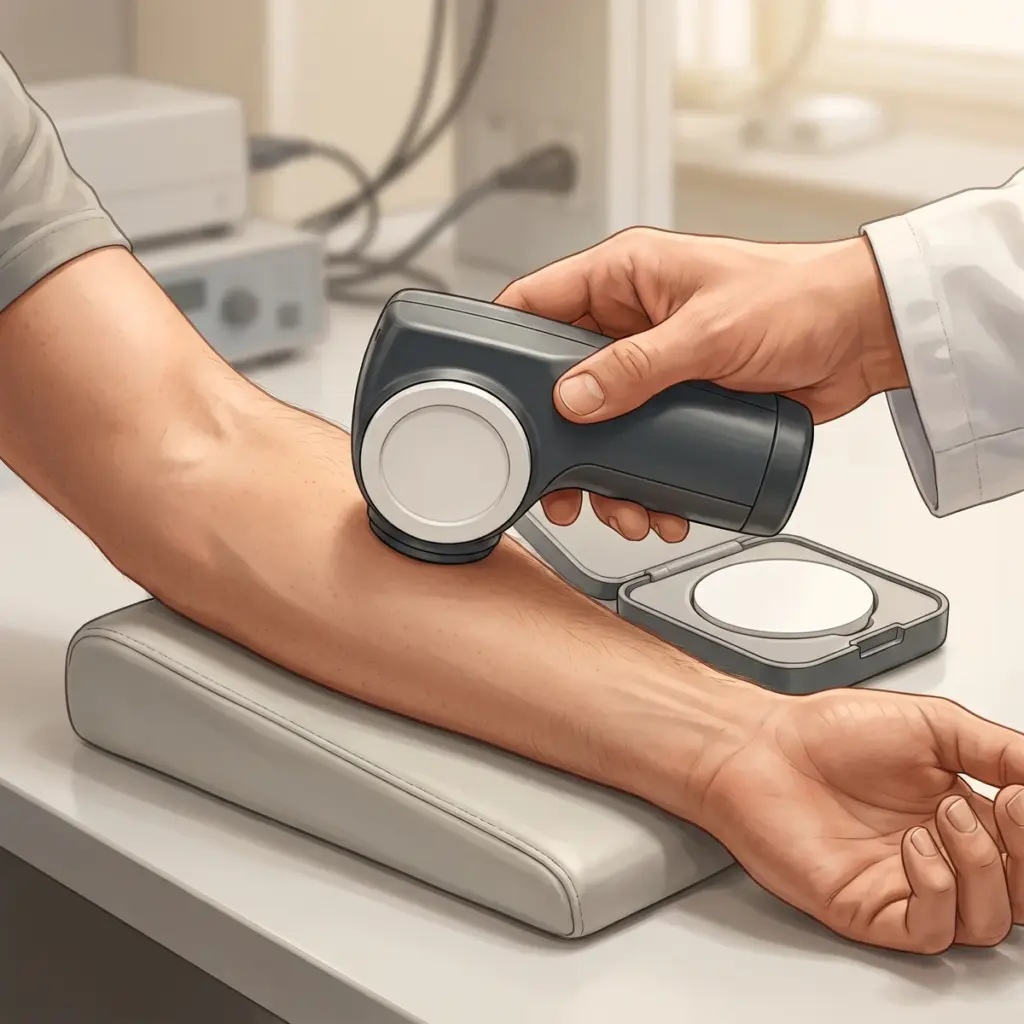
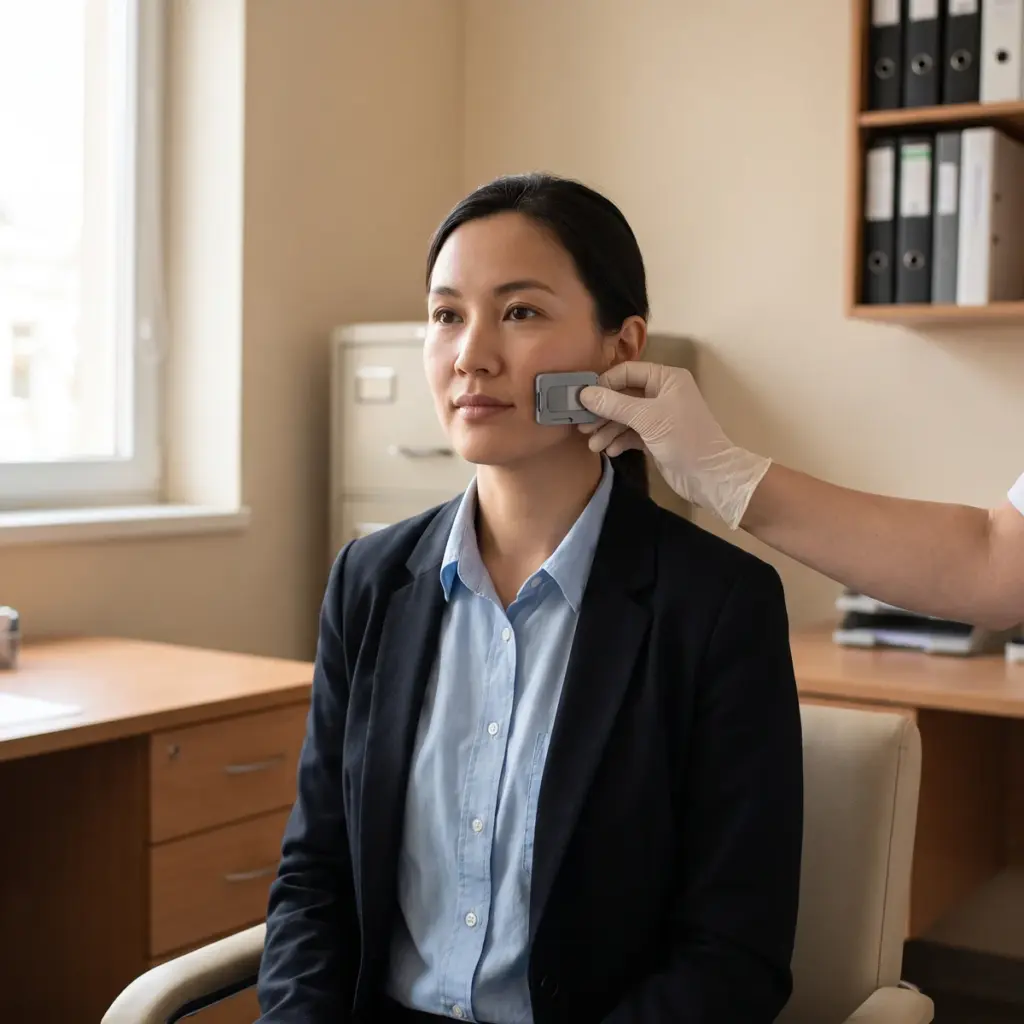
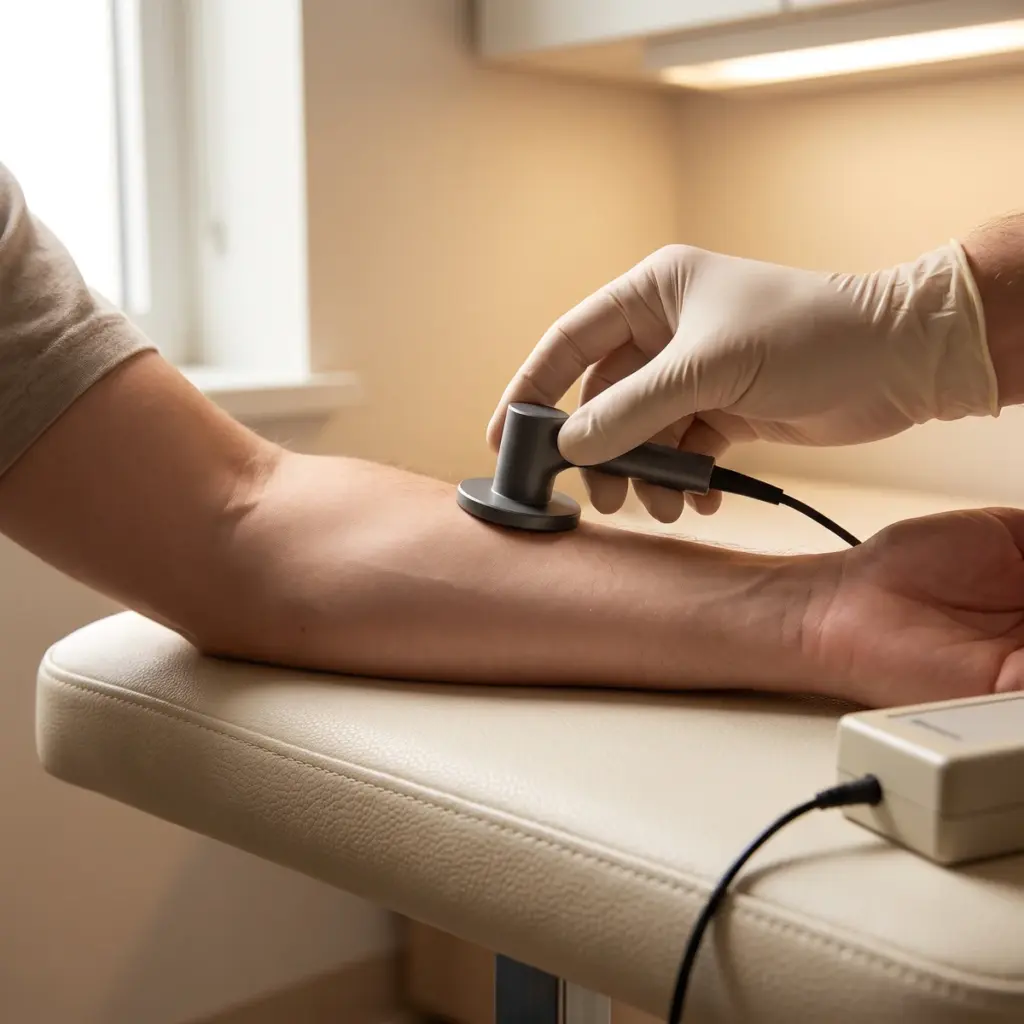
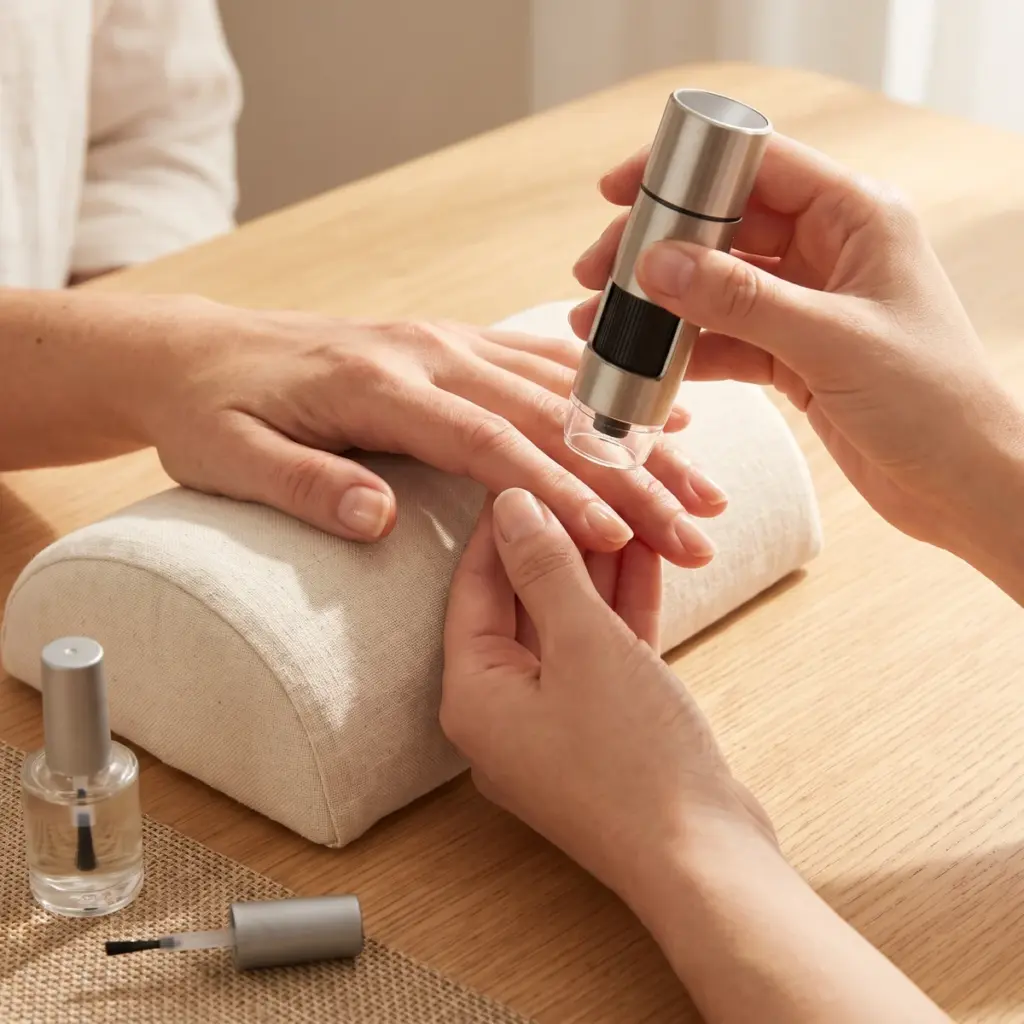
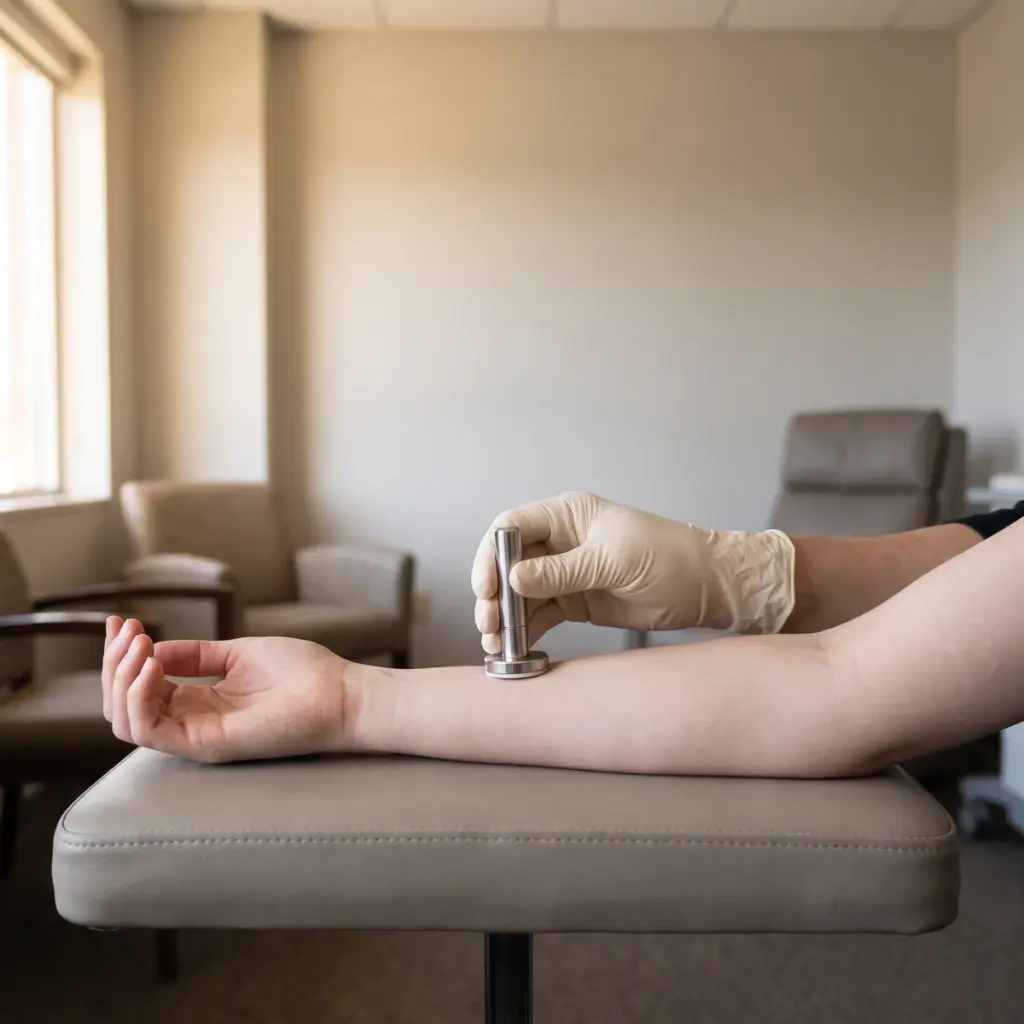
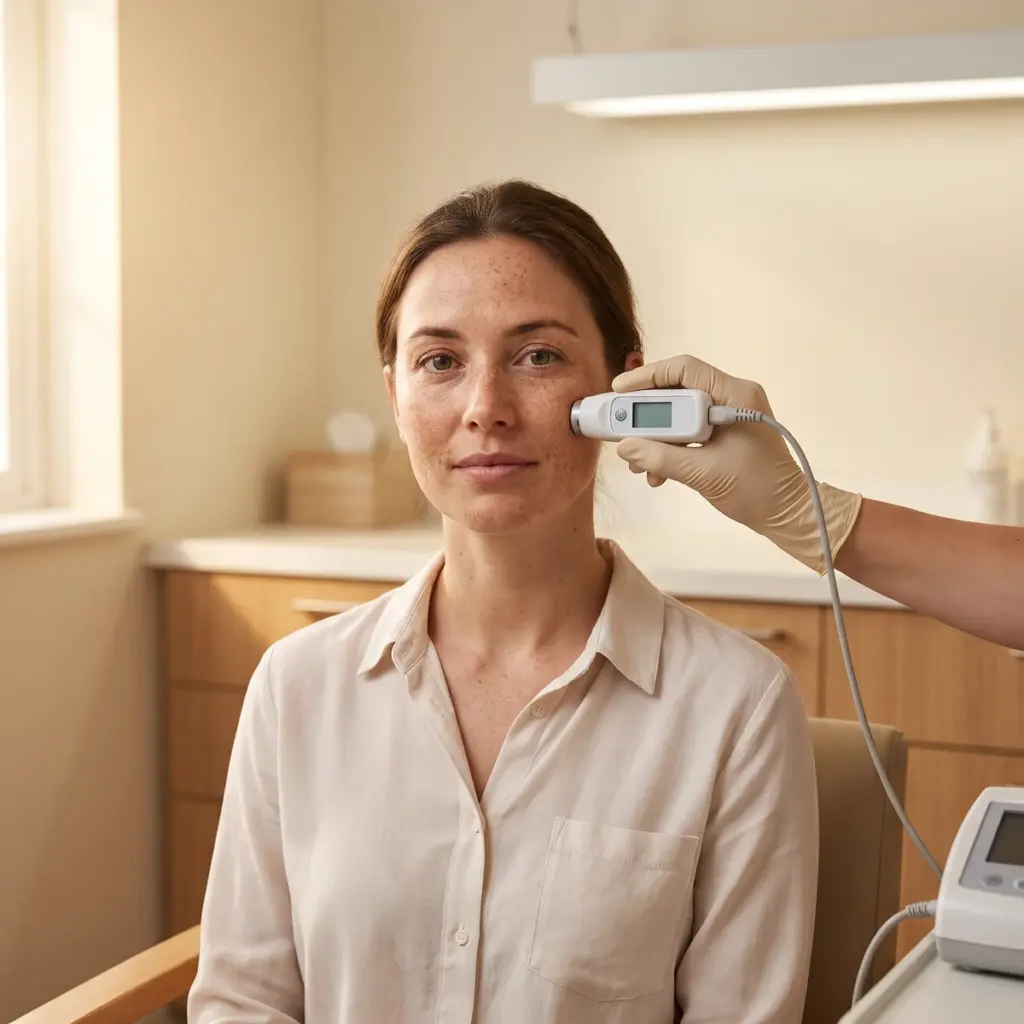
Dark-spot and skin-tone efficacy testing recruits volunteers with visible age spots, sun spots or marks left after blemishes. A chromameter records L* and the ITA angle on the spot and the surrounding skin, and a melanin index probe adds a pigment-specific reading. Cross-polarised and UV photographs feed image analysis of spot area, number and contrast. Expert graders score spot intensity against reference scales.
Radiance and glow
Skin radiance efficacy testing looks at how light leaves the skin. Studies combine lightness and yellowness readings, gloss or luminance measurements, colour uniformity calculated from facial images, and expert grading of dullness and glow. Consumer questionnaires record how bright and fresh participants find their skin.
Melanogenesis mechanisms
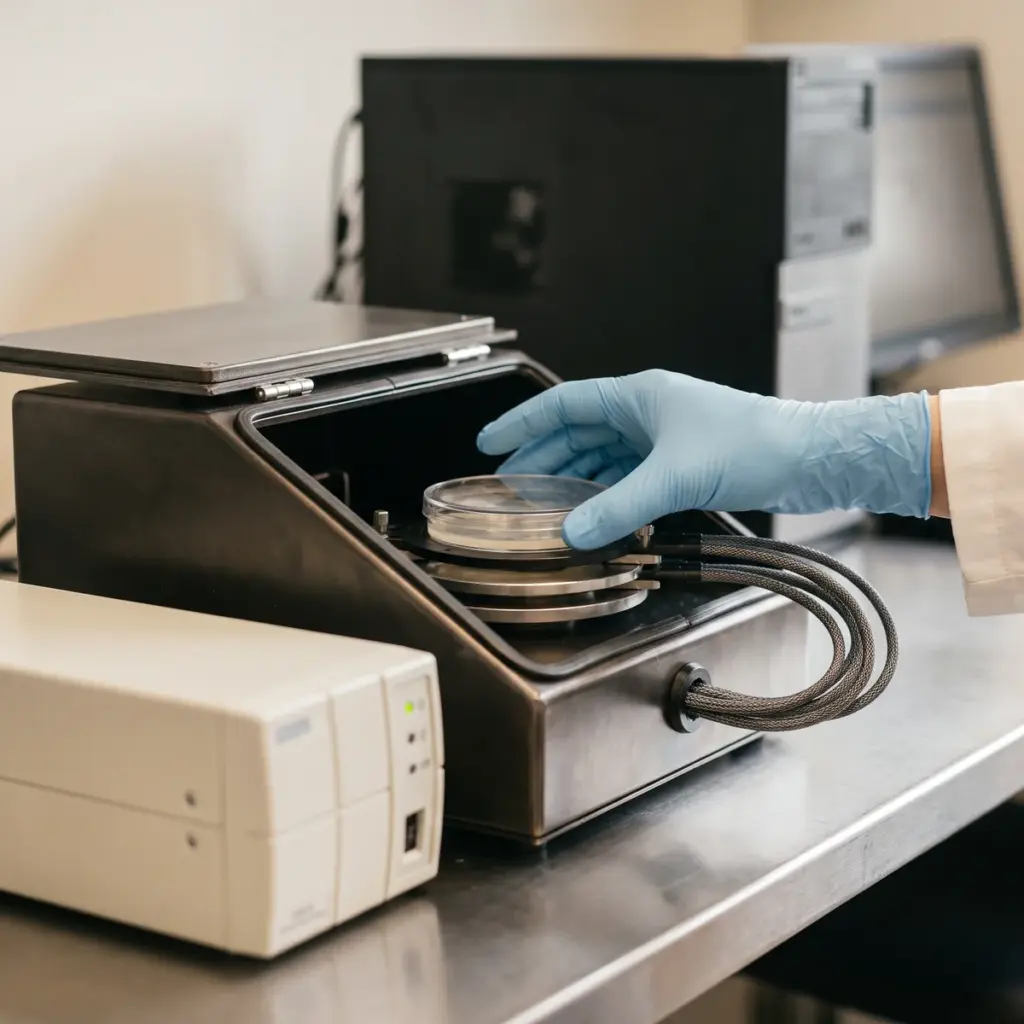
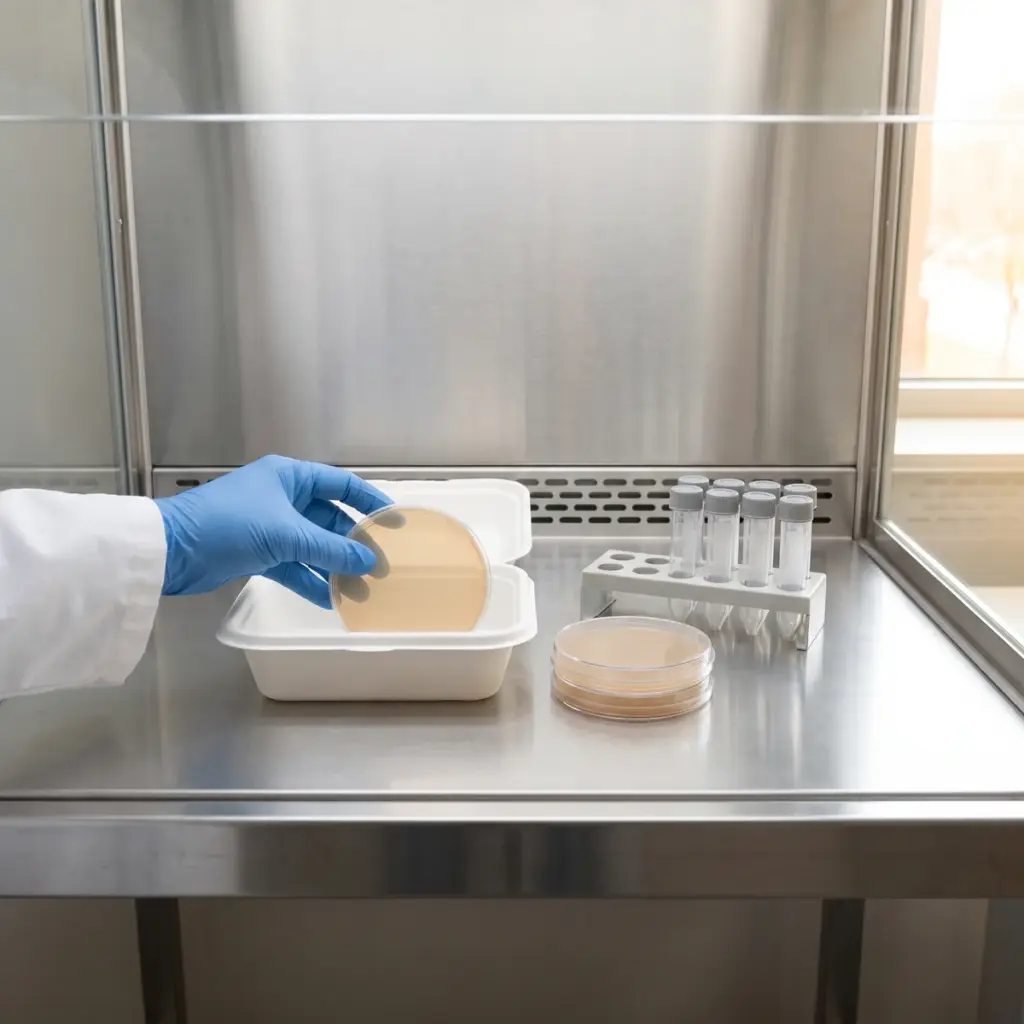
Pigmentation and melanogenesis studies start with cell-free tyrosinase inhibition assays and move to melanocyte cultures, where melanin content is measured after treatment. Co-cultures and pigmented reconstructed epidermis show effects on melanosome transfer to keratinocytes and give a visible colour change in tissue. Gene and protein readouts such as MITF and tyrosinase-related proteins identify the step involved.
Colour data, images and assay results
Human studies deliver colour data per visit, change from baseline against control, image analysis results and before-and-after photographs. Laboratory studies deliver inhibition curves, melanin values and tissue images.
Services in Pigmentation Radiance Testing
Choosing a skin pigmentation or radiance study
Brightening claims cover several distinct effects, and each one points to a different protocol.
Spots, tone or glow
A spot corrector needs data on individual marks, so the study tracks the same spots at every visit. An even-tone cream is judged on the whole face, using uniformity measures from images. A glow product is judged on luminosity, and its effect often appears from the first application. Many brightening serums claim two of these, which a single protocol can cover with the right imaging. When spot fading follows sun exposure, photoprotection testing is the companion study for a day product with SPF.
Tyrosinase assays first, then a volunteer study
Ingredient suppliers usually start with tyrosinase and melanocyte assays, which rank candidates quickly and on small quantities. The active with the best melanin reduction at a usable concentration then goes into a prototype, and the prototype goes into a volunteer study. Both data sets appear in the technical file, the first explaining how the active works and the second showing the visible result.
Phototypes, UV season and claim wording to state
Tell providers the phototypes you sell to, because spot contrast and imaging settings vary with skin tone. State whether the study runs in a season of low UV exposure, and whether volunteers will use a sunscreen during it. Give the claim wording, the application routine and the comparator you have in mind.
More in Cosmetic Efficacy Testing
Cosmetic efficacy testing measures what a product or ingredient does for skin, hair, lips or nails, in volunteers or laboratory models, to back claims.