Fibroblast activation overview
Do you provide Fibroblast activation?
Fibroblast activation assays: models, readouts and report
Activation can mean several things for a fibroblast. The cell may divide faster, raise its metabolic rate or produce more matrix. A good study states at the outset which of these responses it will measure and uses a separate method for each.
Primary dermal fibroblast cultures
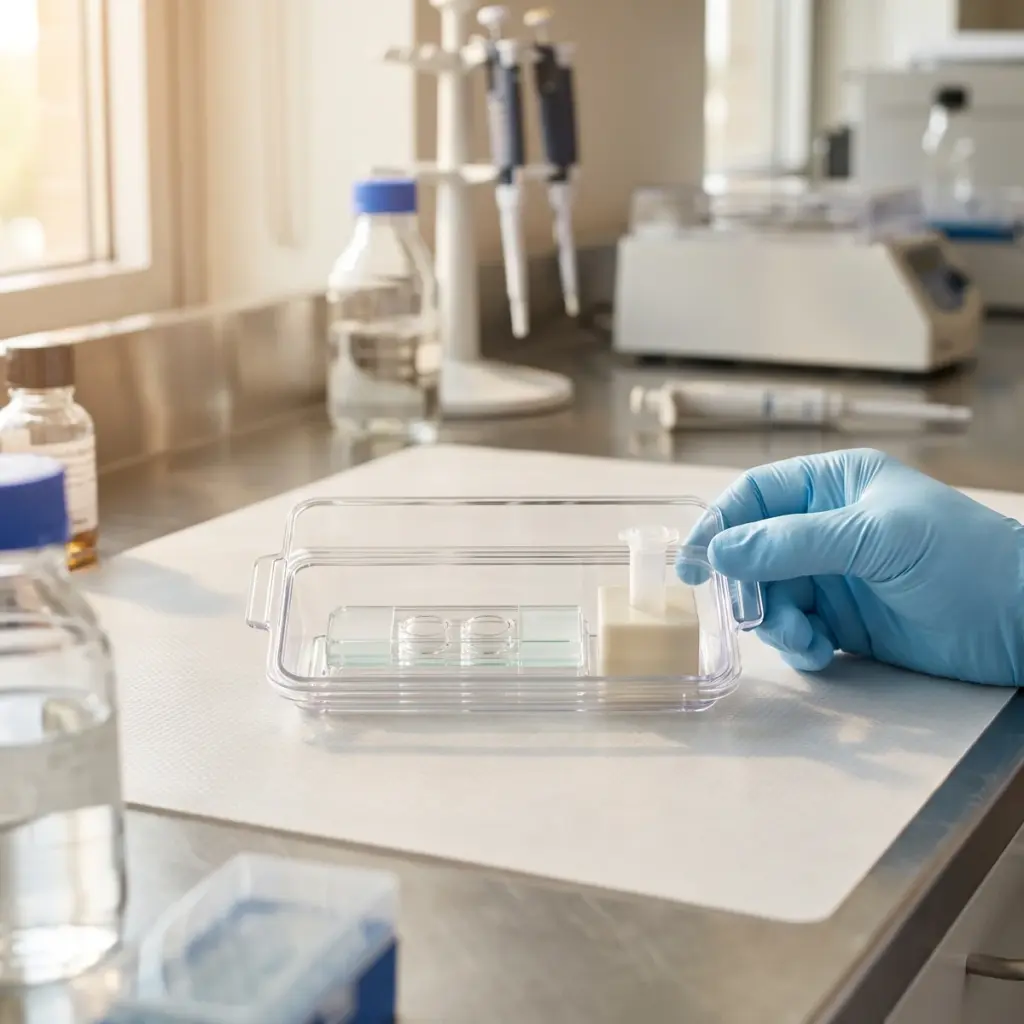
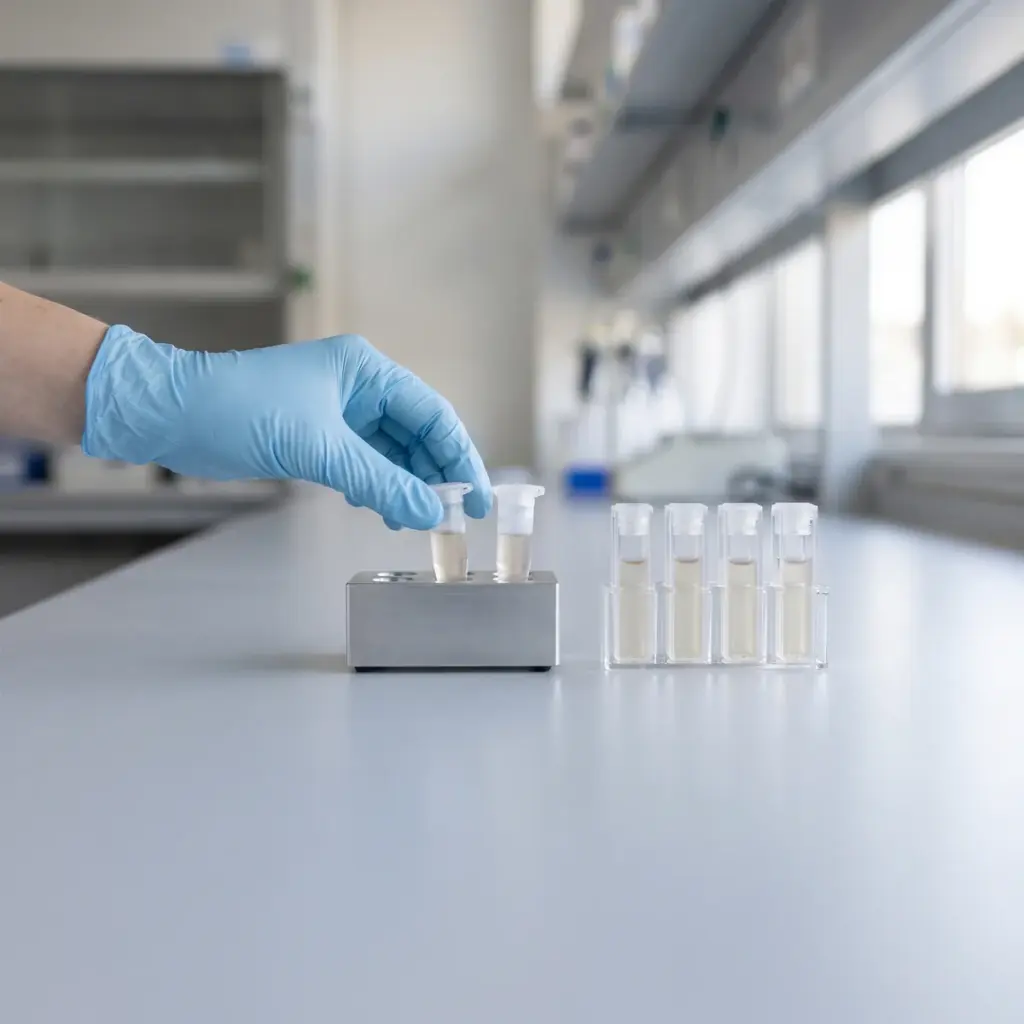
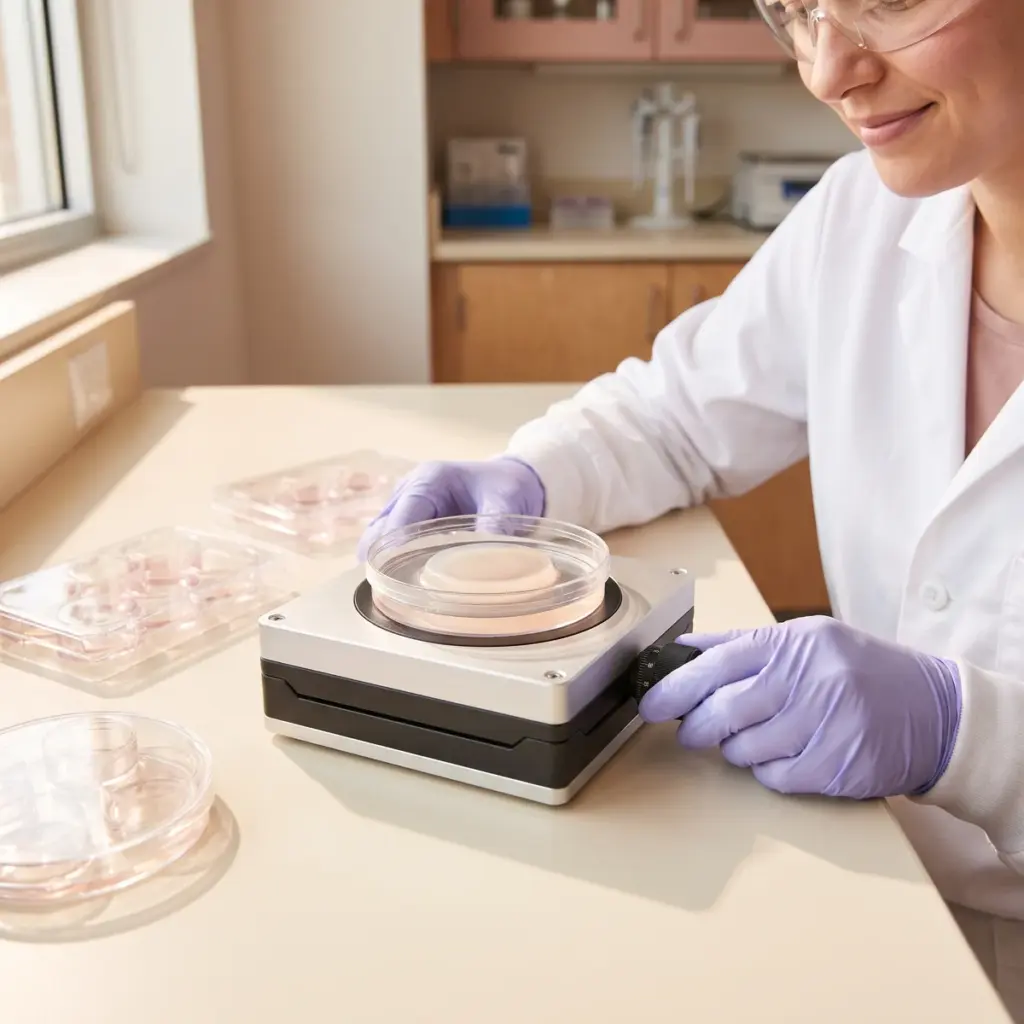
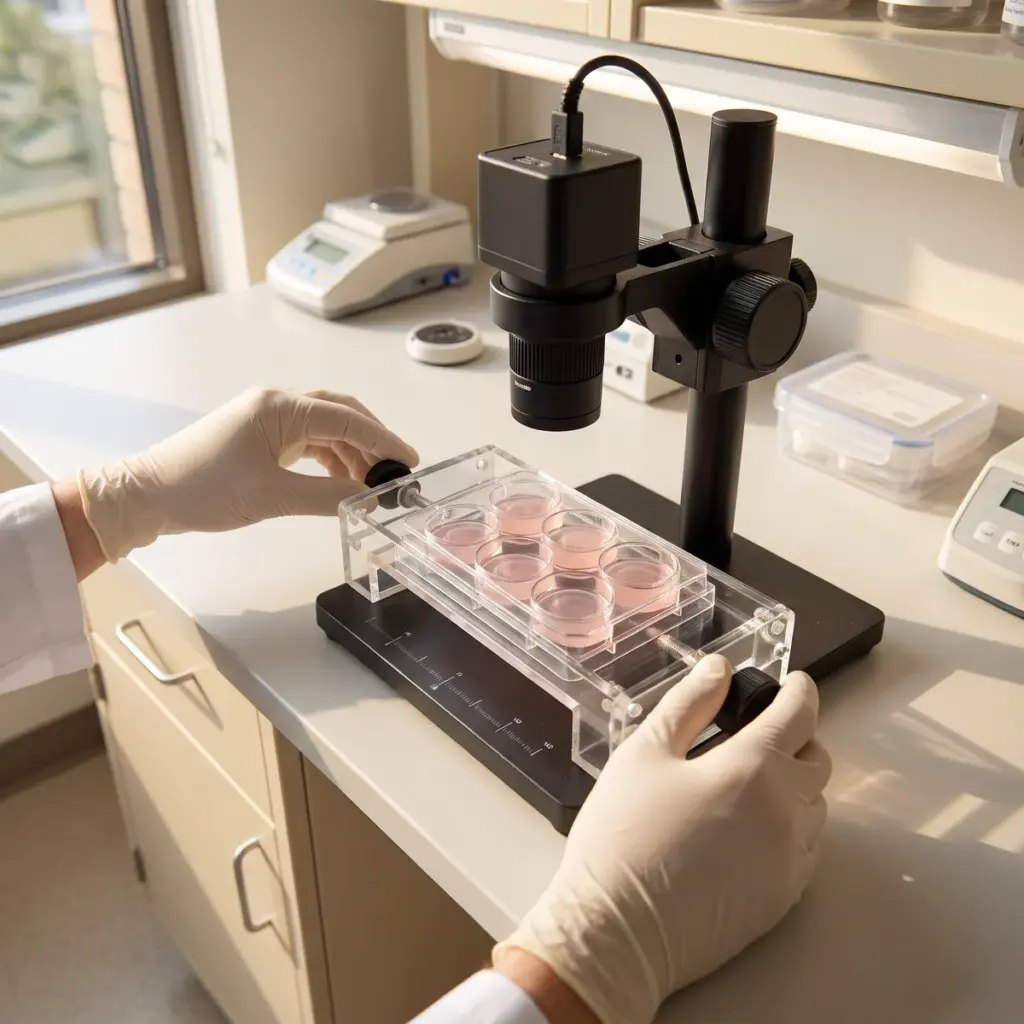
Normal human dermal fibroblasts from adult donors are seeded in multi-well plates and exposed to the test material across a concentration range. Water-soluble actives are added directly to the medium. Oils and finished formulas need a compatible preparation, such as an extract in a non-toxic solvent at a defined final percentage. Untreated and vehicle wells run on every plate, often with a reference stimulant such as TGF-β or vitamin C.
Measuring activation
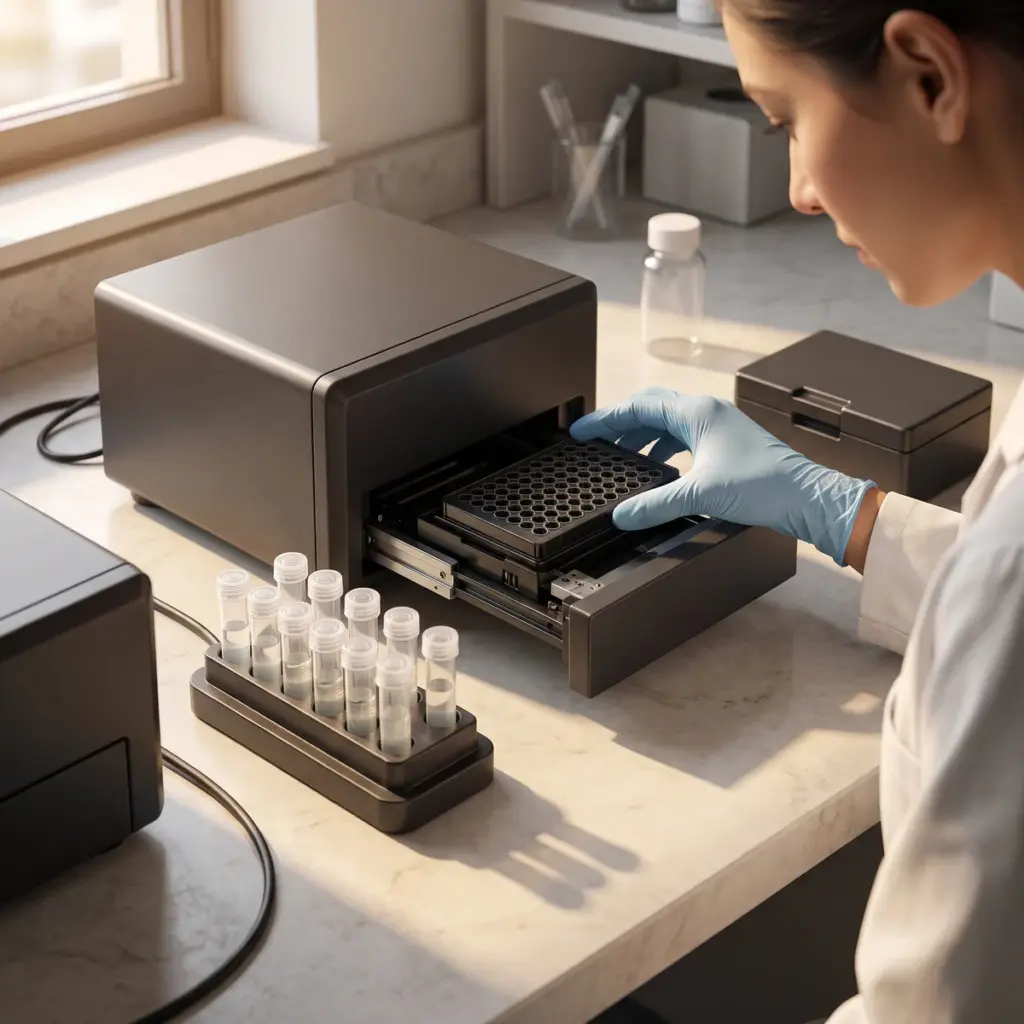
The readout panel is built around the claim you have in mind:
- Metabolic activity by MTT or resazurin reduction
- Proliferation by cell counts or DNA synthesis labelling
- Collagen type I and III production
- Elastin-related protein expression
- Hyaluronic acid secretion by ELISA
Results are normalised to cell number or total protein, so a rise in matrix output can be read per cell.
Supporting biomarkers
Procollagen peptides in the medium, MMP activity and antioxidant enzyme expression add depth to the profile. Concentration-response curves show where activity starts and where it plateaus, and comparison with a reference compound places the active against a known benchmark.
The report sets out the material, culture conditions, endpoints and statistics, with dose-response graphs and a table of significant effects. Actives with a strong matrix response usually move on to a dedicated collagen synthesis study.
Putting fibroblast activation results to work
Fibroblast data are most useful early, when you are still deciding which active and which concentration to carry forward.
Defining activation for your project
Pick the endpoint that matches the claim you want to make. An ingredient pitched on skin density needs matrix protein data. One pitched on cell vitality may rest on metabolic and proliferation readouts. Put the target wording in your request so the laboratory builds the readout panel around it.
Using the screen to rank candidates
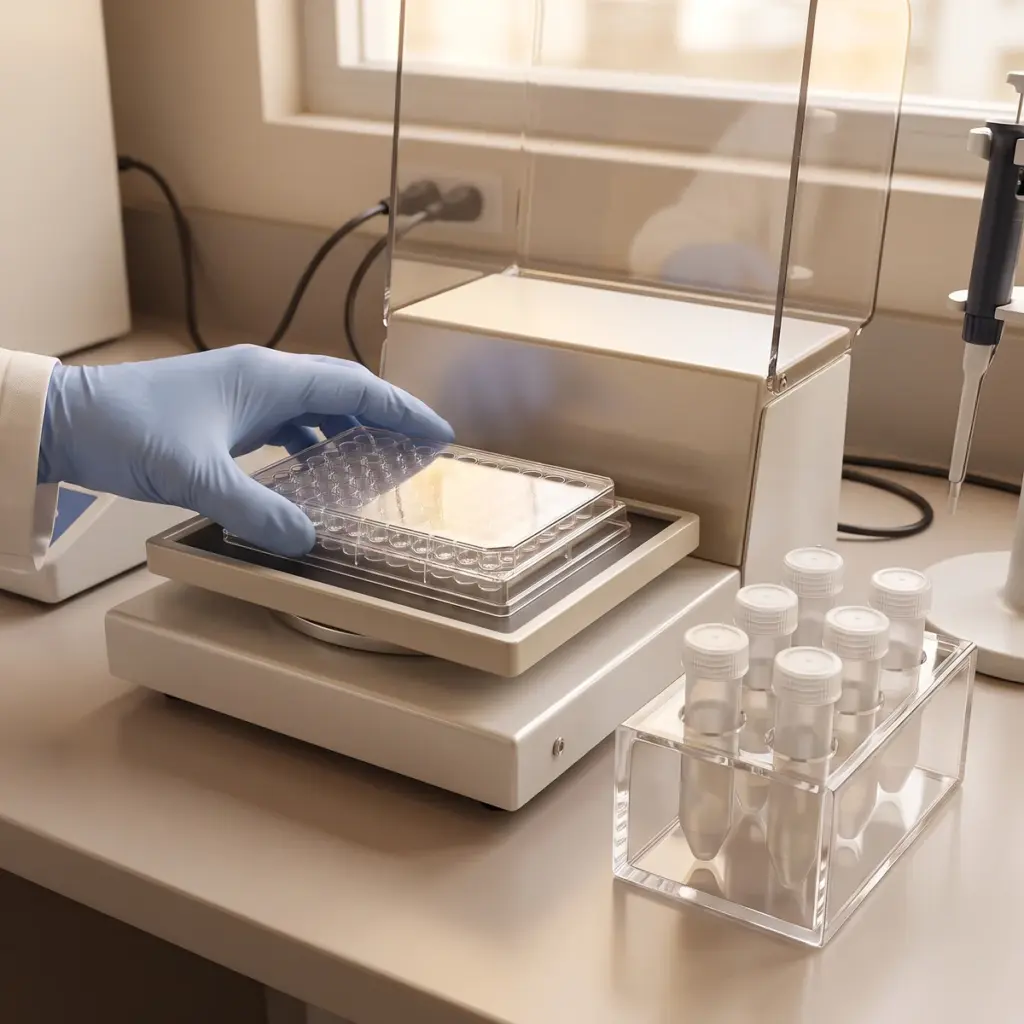
Fibroblast activation assays run quickly on multi-well plates, which makes them a practical way to compare several extract grades, solvent systems or supplier lots side by side. The concentration-response curves also tell your formulators which inclusion range to start from in prototypes.
Next steps after a positive screen
When an active lifts collagen or elastin output, the follow-up is a focused study on that protein with deposition imaging, such as elastin production testing in fibroblasts and skin explants. If the response is mainly proliferative, keratinocyte and tissue models help place it in the context of overall skin renewal. These targeted studies then feed into the efficacy file alongside volunteer data on the finished product.
More in ECM & Skin Ageing
ECM & Skin Ageing testing measures how actives affect collagen, elastin, matrix enzymes, glycation and senescence in skin cell and tissue models.