Development





Development overview
Who provides Development
Companies providing Development


How cosmetic development is organised
Development work sits at the start of a product’s life. It produces the ingredient or formula that later goes through testing, manufacture and market approval. Projects fall into two families of services, and many providers specialise in one of them.
Ingredient development
Ingredient development deals with the raw material itself. Screening programmes and computational methods narrow a large pool of candidates to a shortlist. Production-process work establishes how to make the chosen material by fermentation, extraction or chemical synthesis. Mechanism studies use cell and molecular methods to show which targets and pathways an active acts on. The output is a characterised ingredient with data on identity, activity and production.
Cosmetic formulation
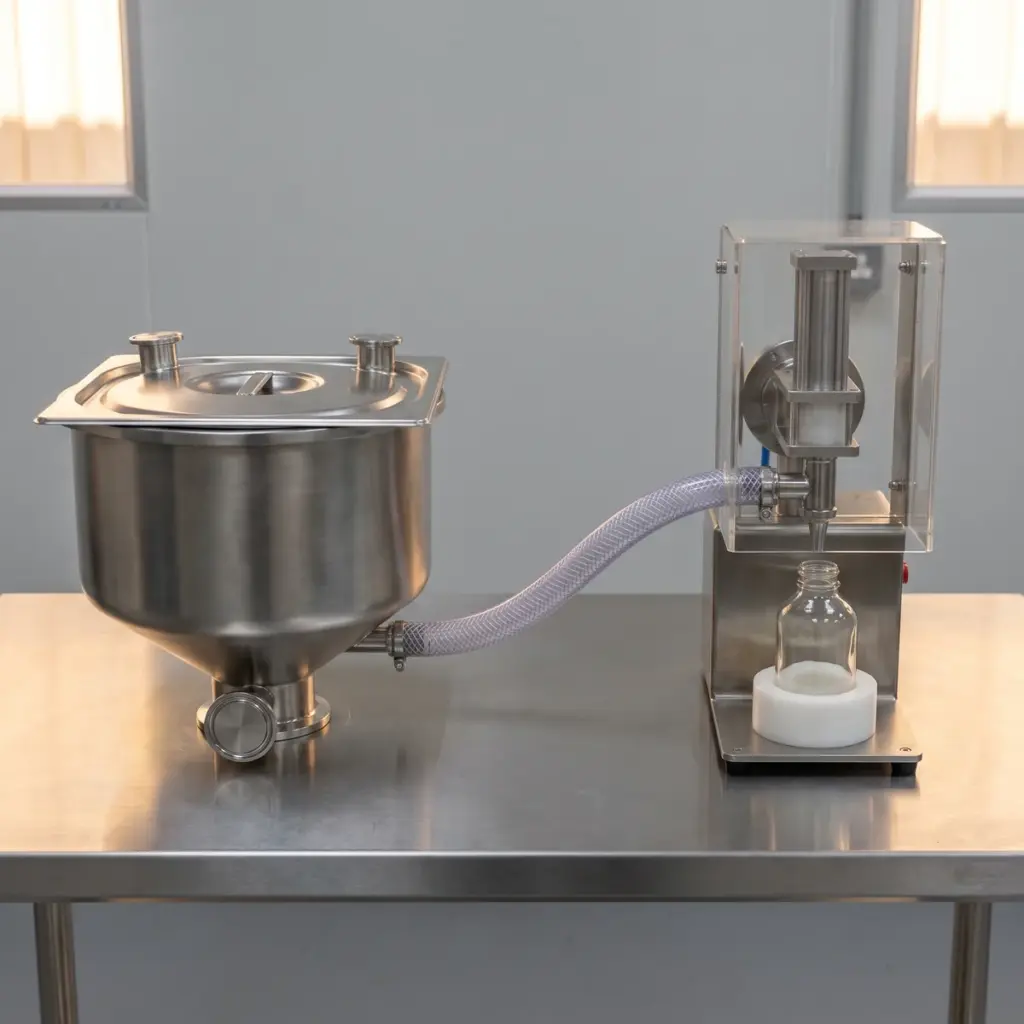
Cosmetic formulation turns a product brief into a working composition. A chemist selects emulsifiers, thickeners, actives, preservatives and fragrance, then makes laboratory batches and adjusts them until the product meets its targets for texture, pH, viscosity and appearance. Formulation services cover new formula development, improvement of an existing formula and preparation of the documents a manufacturer needs to produce it at scale.
What a development project delivers
Depending on the branch, you receive:
- a ranked shortlist of ingredient candidates with supporting data
- samples of a new ingredient and a description of its production route
- mechanism data linking an active to a biological target
- prototype samples and the final formula with its ingredient list
- specifications and manufacturing instructions for transfer
Services in Development
Cosmetic Formulation

Ingredient Development
Choosing between ingredient and formulation development
The right entry point depends on how much of your product already exists in the supply chain.
Start from the brief you already have
If you have a finished product in mind and the ingredients exist on the market, go straight to formulation. A chemist can work from a reference product, a list of desired claims or a mood board for texture and scent. If your brand story depends on an active nobody sells yet, or on an extract made in a new way, ingredient development comes first and formulation follows once samples are available.
How development feeds the next studies
A finished prototype is the material that goes into stability, preservation and safety work under quality and safety testing. Mechanism data from ingredient development gives you the biological rationale for a claim, which human studies under efficacy and claims testing can then measure on volunteers. Planning these studies while the formula is still being adjusted saves a second round of changes later.
Ownership and confidentiality
Agree at the outset who owns the formula, the ingredient know-how and any data generated. Custom formulation contracts usually transfer the formula to the brand on payment, while some ingredient developers license their active and keep the production process. A non-disclosure agreement should be in place before you share a concept or a reference product.
More in Services
Find cosmetic development, testing, manufacturing, regulatory and commercial services.