Nail Care Performance Testing overview
Do you provide Nail Care Performance Testing?
Nail Care Performance Testing methods and endpoints
A nail study starts with recruitment. Volunteers are screened for the condition the product targets, for example soft and bending nails, peeling tips or dry cuticles. They then apply the product at a fixed frequency, often against an untreated nail or a reference product on the other hand, and avoid other nail treatments for the duration.
Instrumental measurements of the nail plate
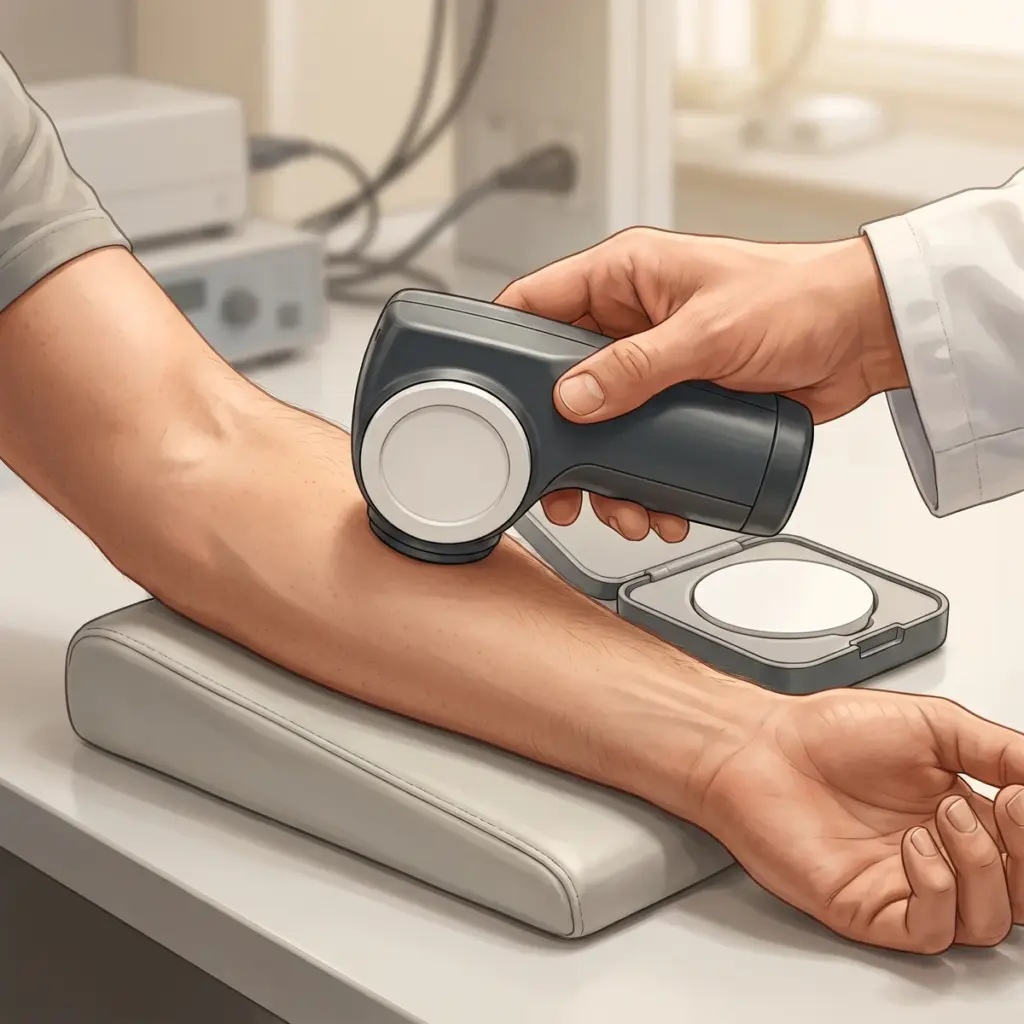
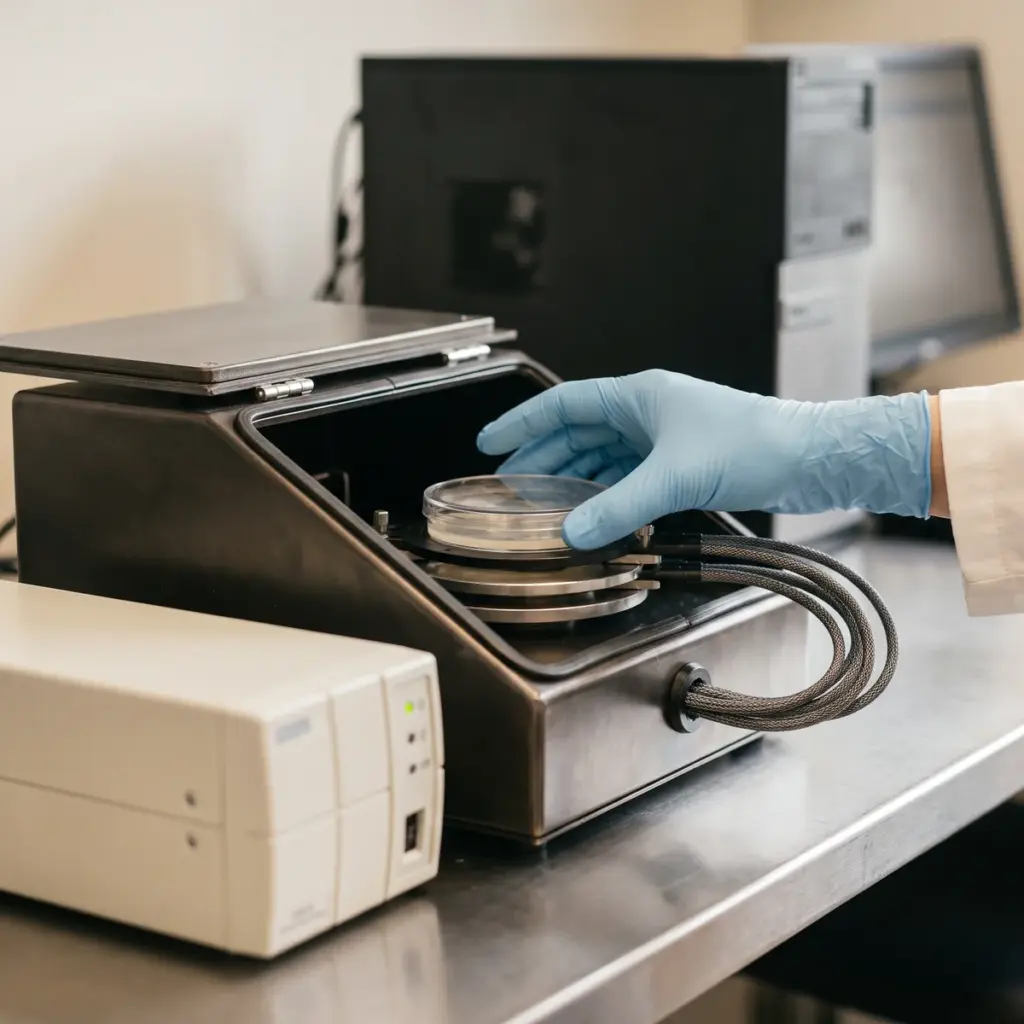
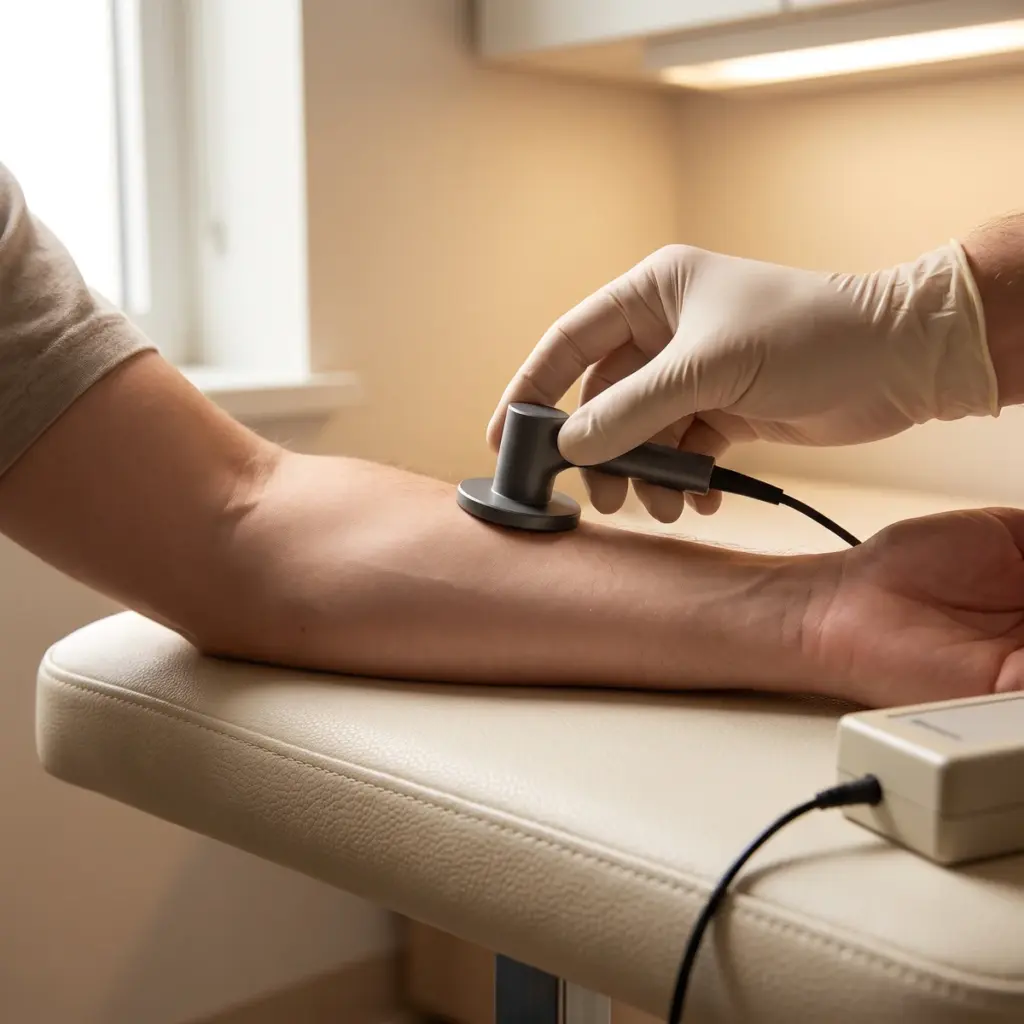
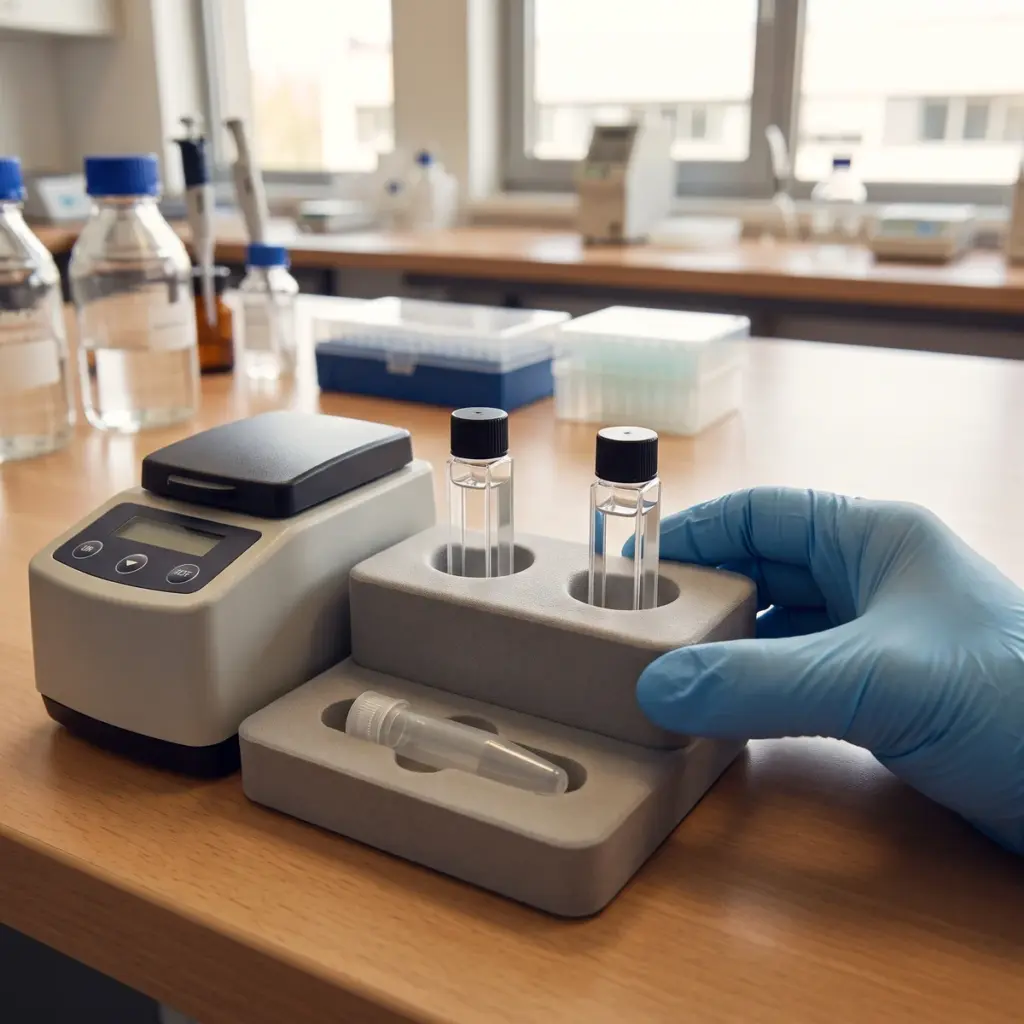
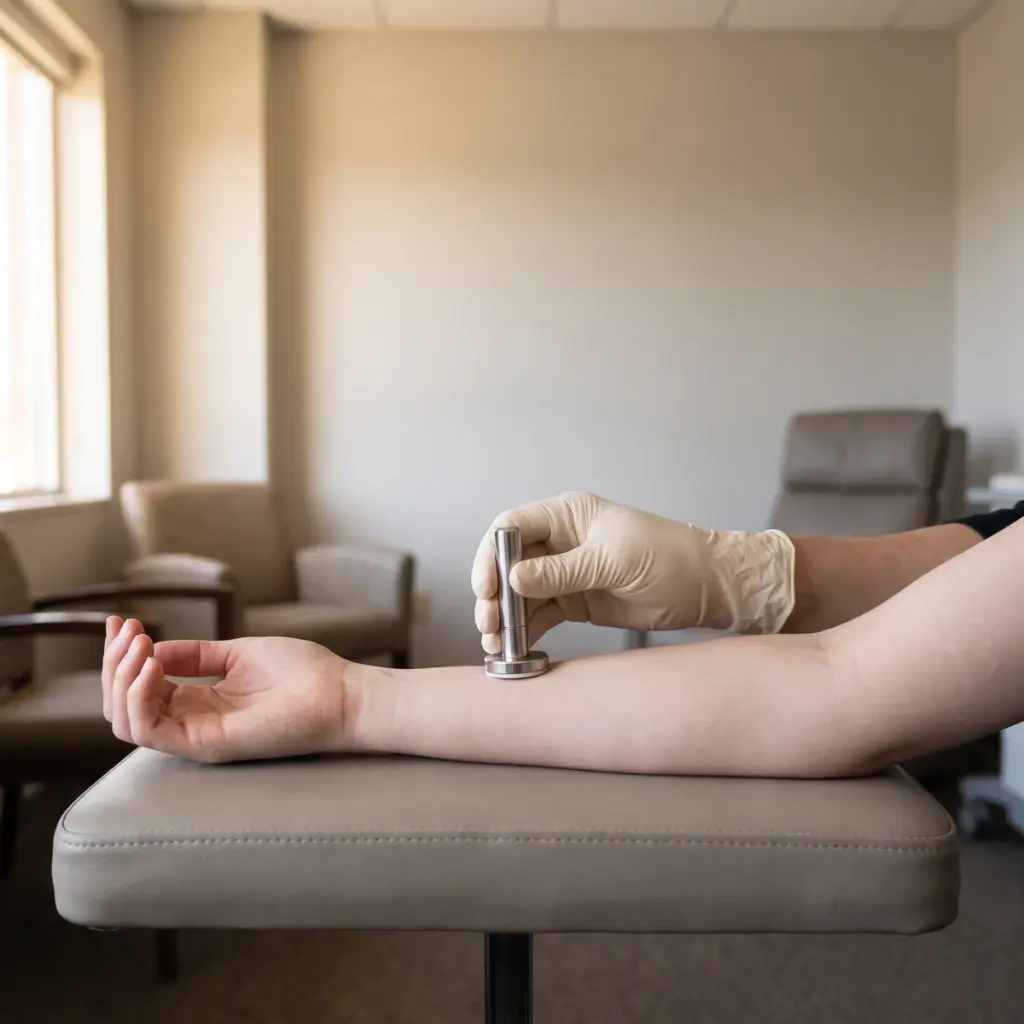
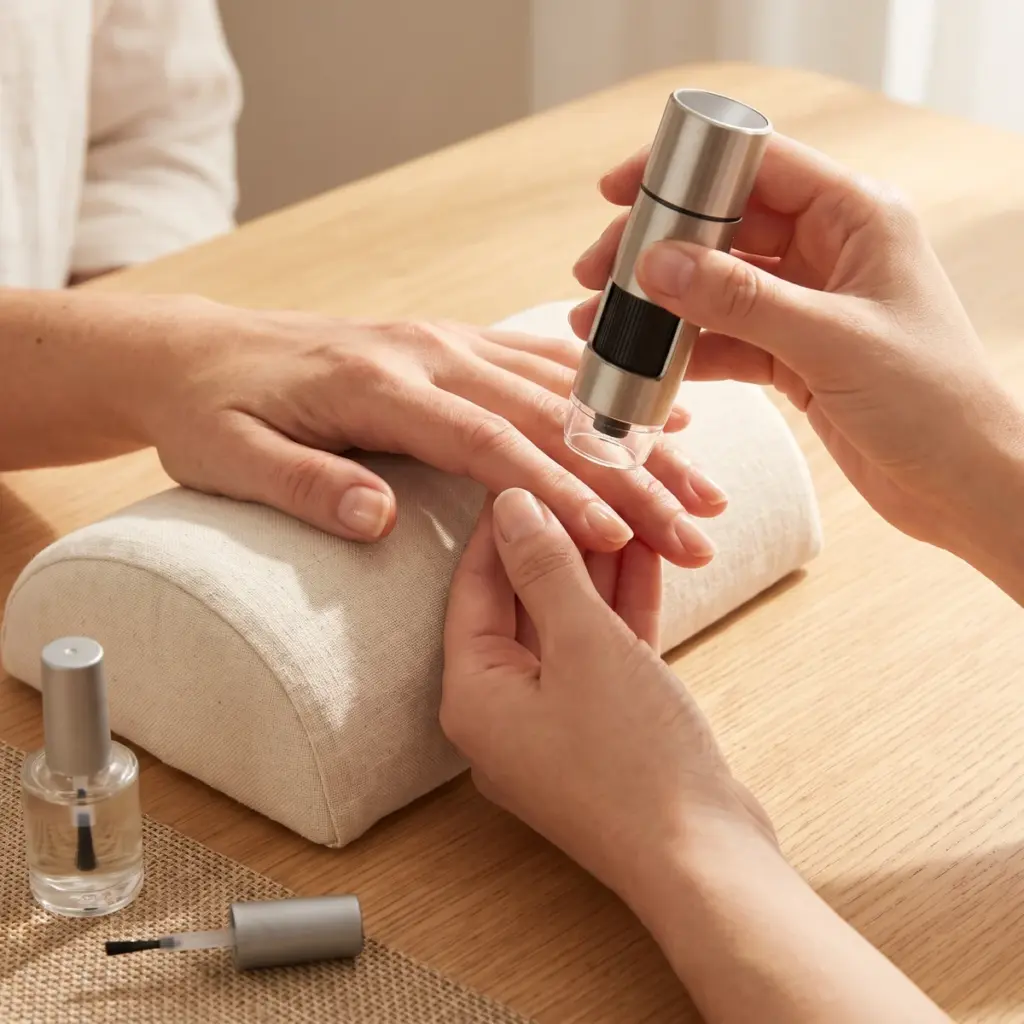
Hardness is measured with an indentation-type instrument on a defined area of the plate. Flexibility and resistance to breakage are assessed with a controlled bending test. Digital microscopy images the surface to document ridges, roughness and layering. Growth is tracked by marking the plate and measuring the distance travelled at set visits, which calls for a longer study than a hardness endpoint.
Visual grading and volunteer records
A trained assessor scores splitting, peeling, brittleness and cuticle appearance on a fixed scale at each visit. Standardised photographs under controlled lighting give a visual record of the change. Volunteers keep a diary of breaks and complete questionnaires on how their nails look and feel.
Coating wear and longevity
For polishes, gels and base coats, the study counts chips, measures loss of gloss and records how long the coating stays intact under normal daily use. Removal and any staining of the nail plate can be scored at the end.
Your study report
- Protocol, inclusion criteria and application routine
- Instrumental results per visit with statistical analysis
- Breakage counts and assessor scores
- Before-and-after photographs
- Questionnaire results and a tolerance record
Using Nail Care Performance Testing to support your product
A nail study is worth commissioning once the formula is final and the pack copy is drafted, because the claim decides which endpoints are measured.
Claims each endpoint can carry
Hardness and bending data support statements about stronger or harder-feeling nails. Breakage diaries and splitting scores back wording such as fewer breaks or less peeling. Growth measurements are needed for any length claim. Coating studies support long-wear and chip-resistance wording and pair well with makeup wear and performance testing when a colour range spans lips, face and nails.
Planning the panel and duration
Nails grow slowly, so a strengthening or growth study runs over weeks of regular use, while a polish wear study can be shorter. Tell the provider the starting nail condition you want in the panel, the claim you intend to make and the comparison you prefer, untreated nails or a benchmark product. Cuticle oils and creams are applied to the skin around the nail, and many brands add a skin comfort assessment to the same panel.
Nail hardness equipment and brittle-nail panel to check
Look for a laboratory that owns a nail hardness instrument and a calibrated bending set-up, has a standing pool of volunteers with brittle nails and uses one trained assessor across all visits. Ask for an example report so you can see how breakage and photographs are presented.
More in Cosmetic Efficacy Testing
Cosmetic efficacy testing measures what a product or ingredient does for skin, hair, lips or nails, in volunteers or laboratory models, to back claims.