Hydration Barrier Testing overview
Do you provide Hydration Barrier Testing?
How skin hydration and barrier efficacy testing is measured
The family has three branches. Two are carried out on volunteers and answer separate questions: how much water the upper skin layers hold, and how much water escapes through them. The third works in the laboratory and explains which biological process an ingredient acts on.
Moisturisation readings on volunteers
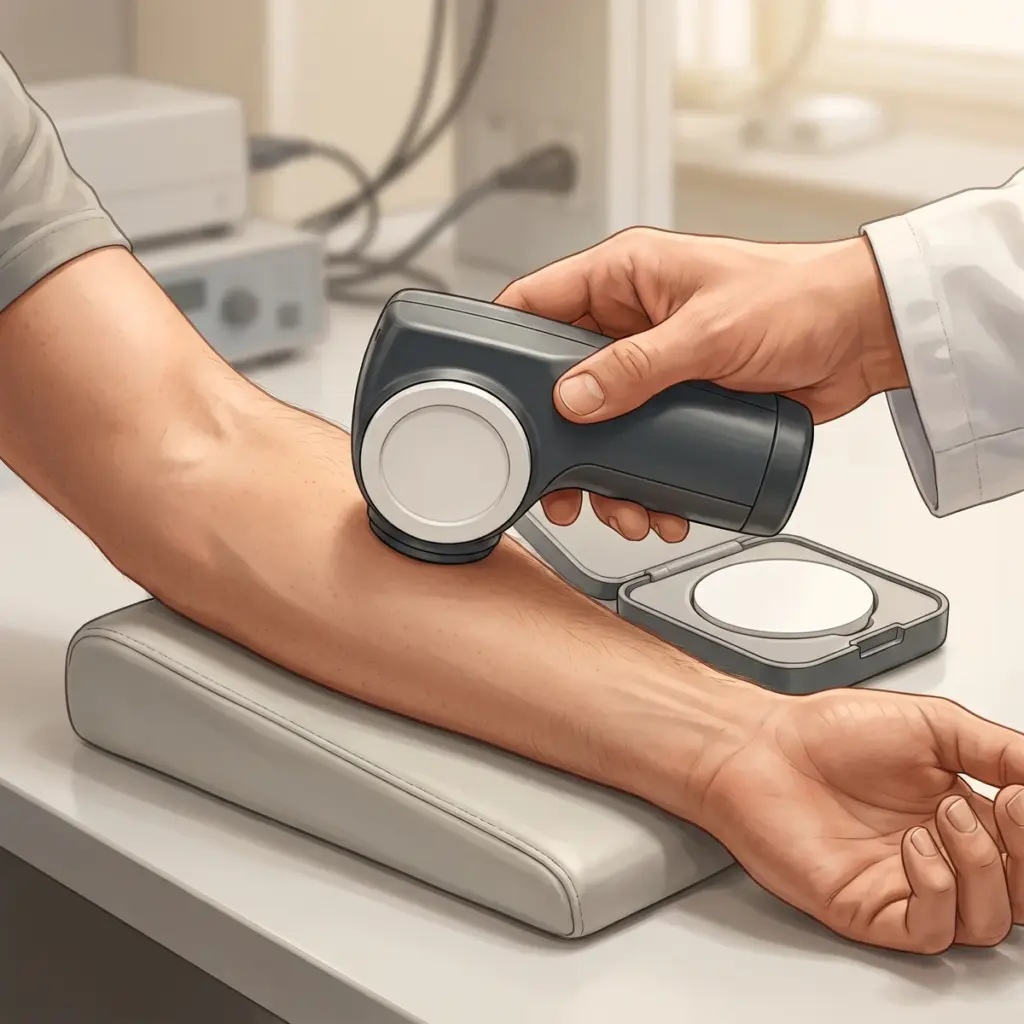
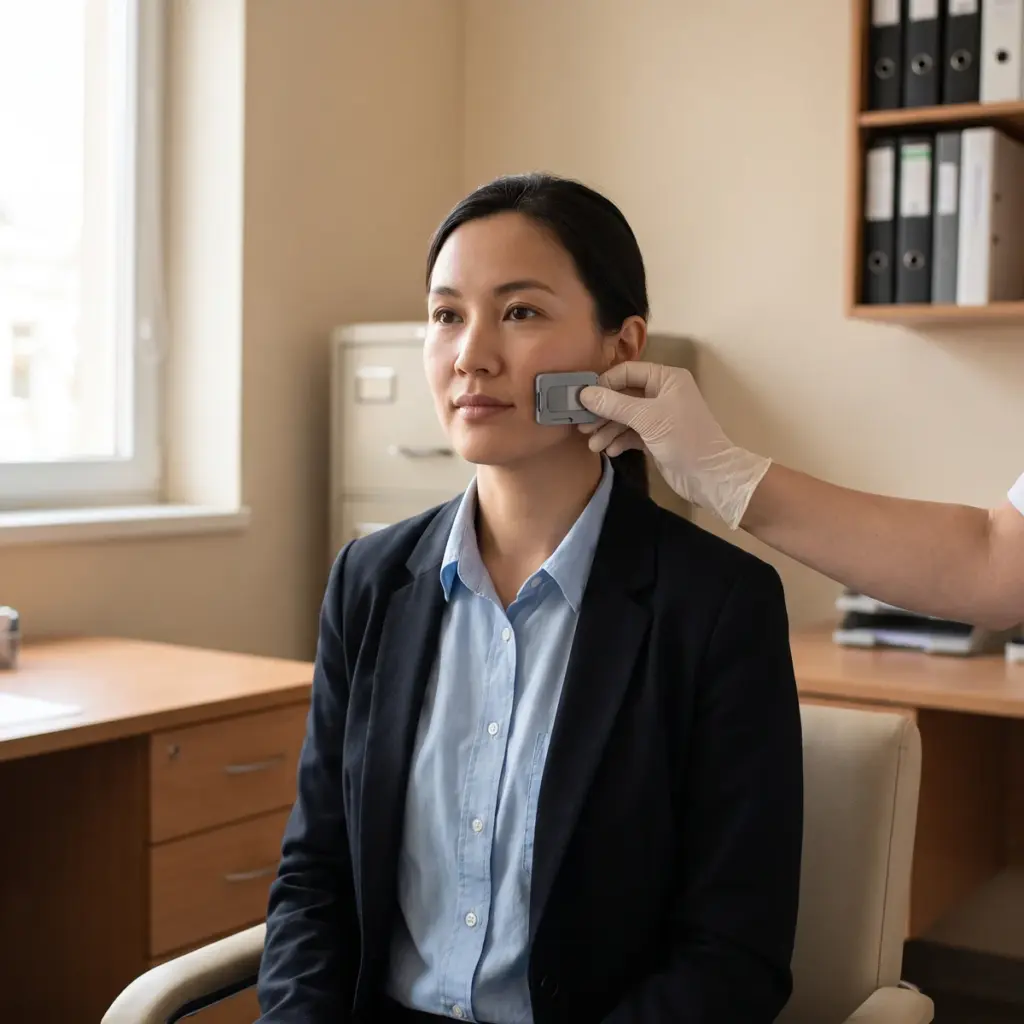
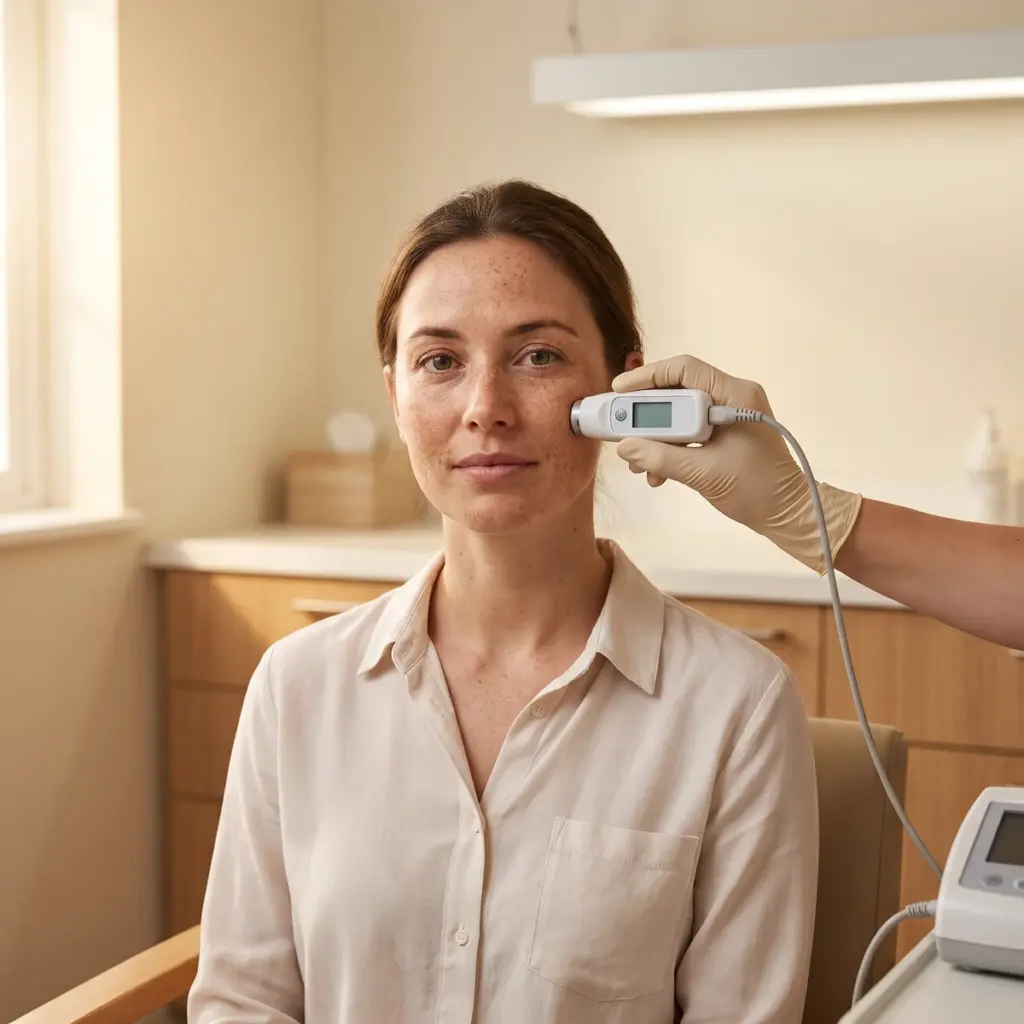
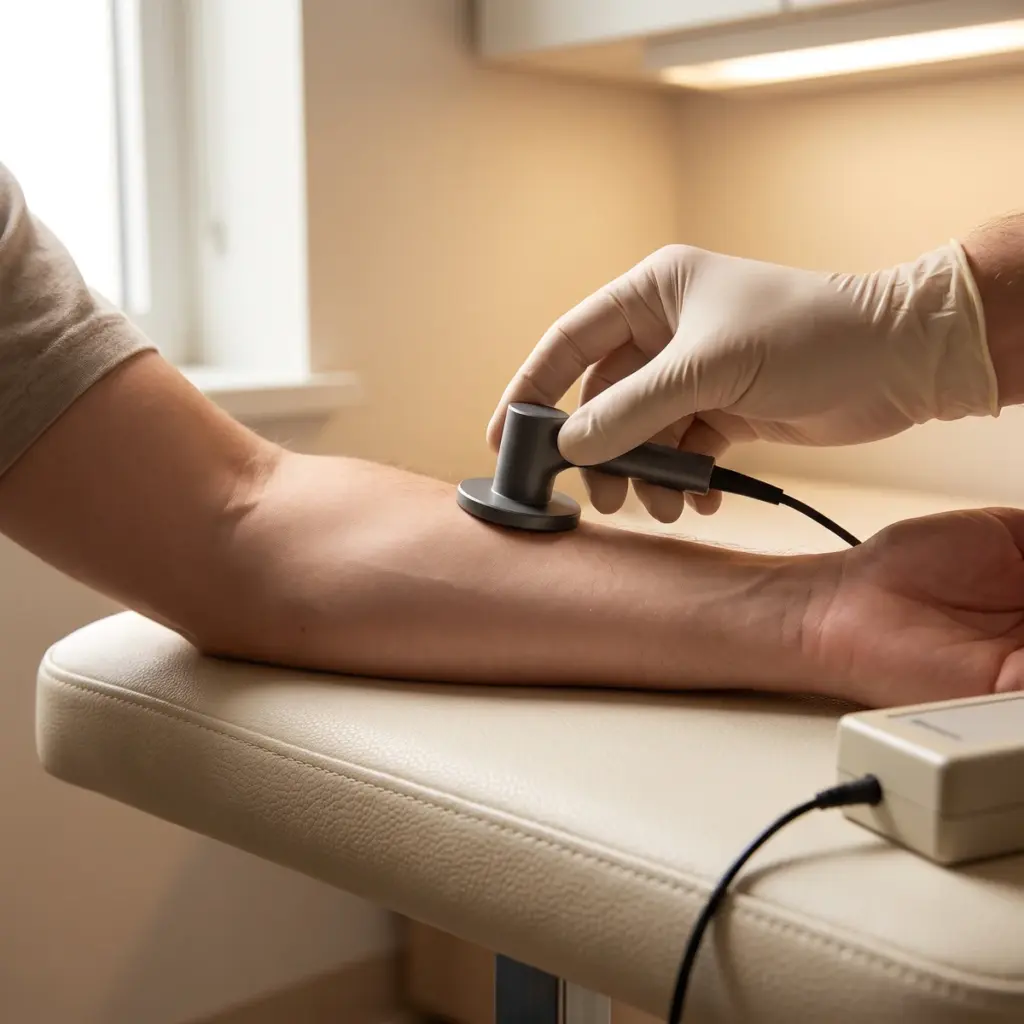
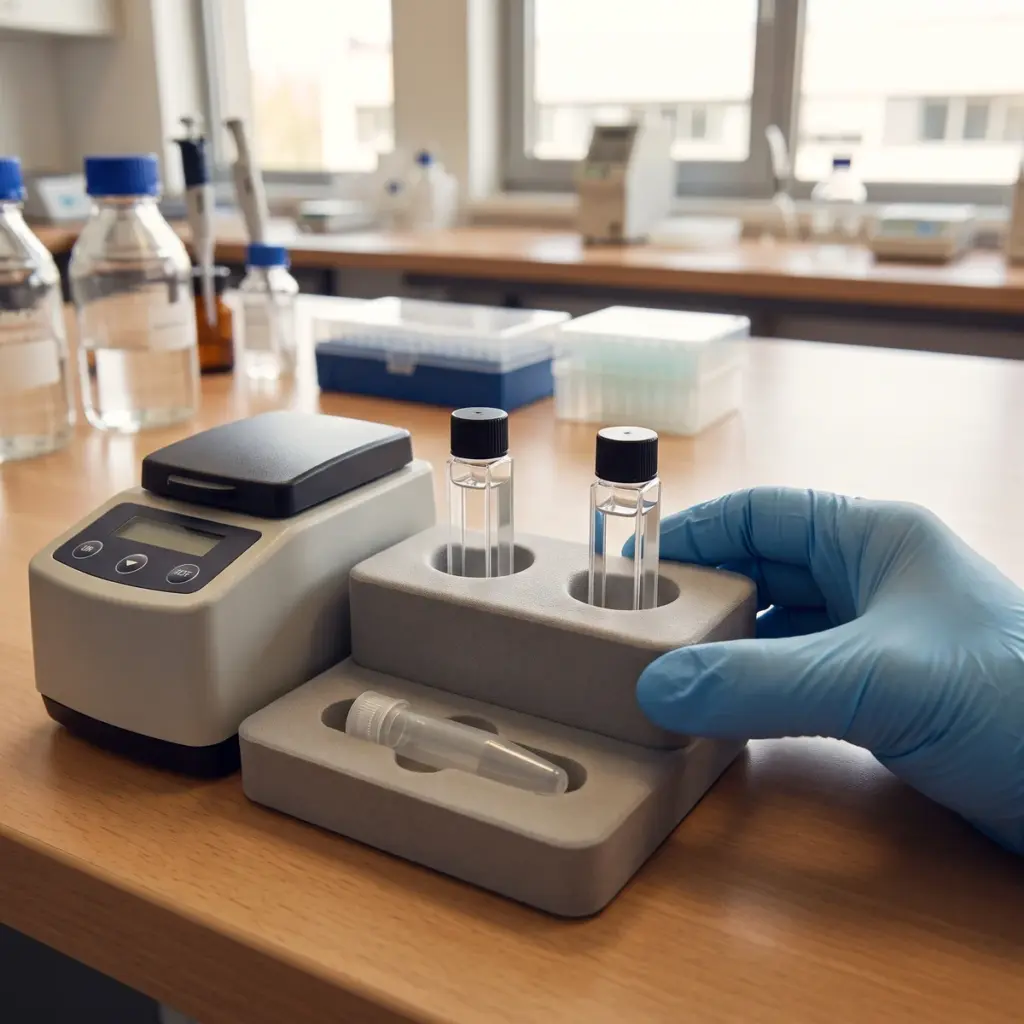
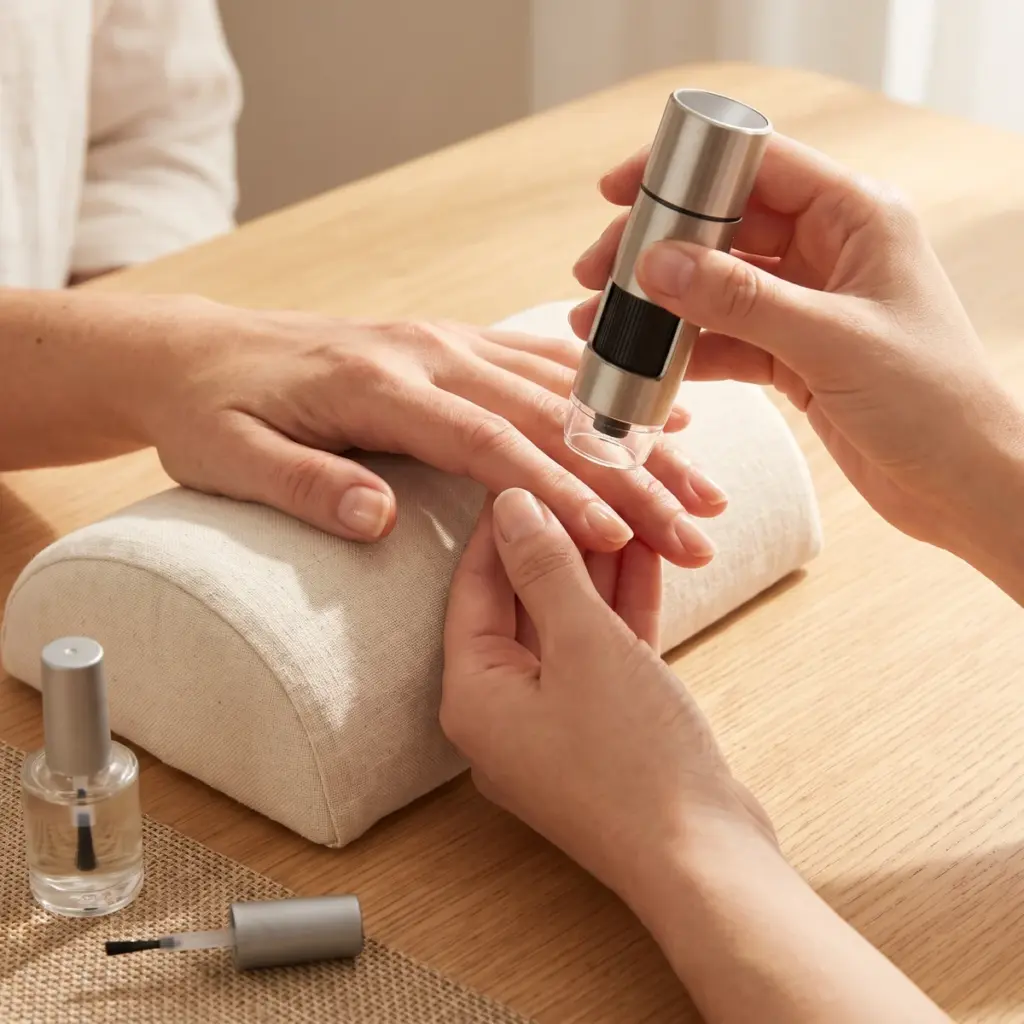
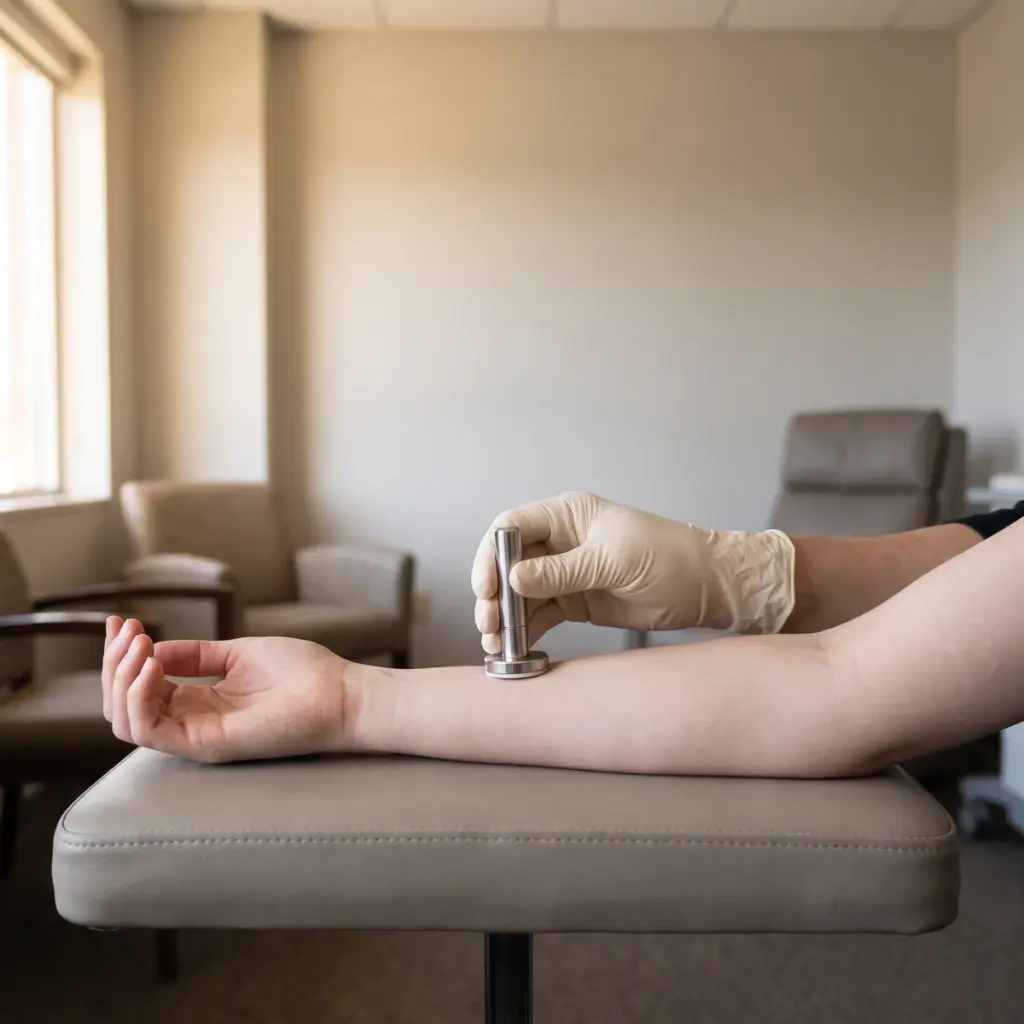
Skin hydration efficacy testing uses corneometry, a capacitance measurement of the stratum corneum. Volunteers acclimatise in a room held at stable temperature and humidity, then the technician takes readings on treated and untreated sites. A kinetic design repeats the readings at set hours after one application and supports claims about how long moisturisation lasts. A repeated-use design follows the skin over several weeks of daily application, often with a regression visit after use stops.
Barrier function and water loss
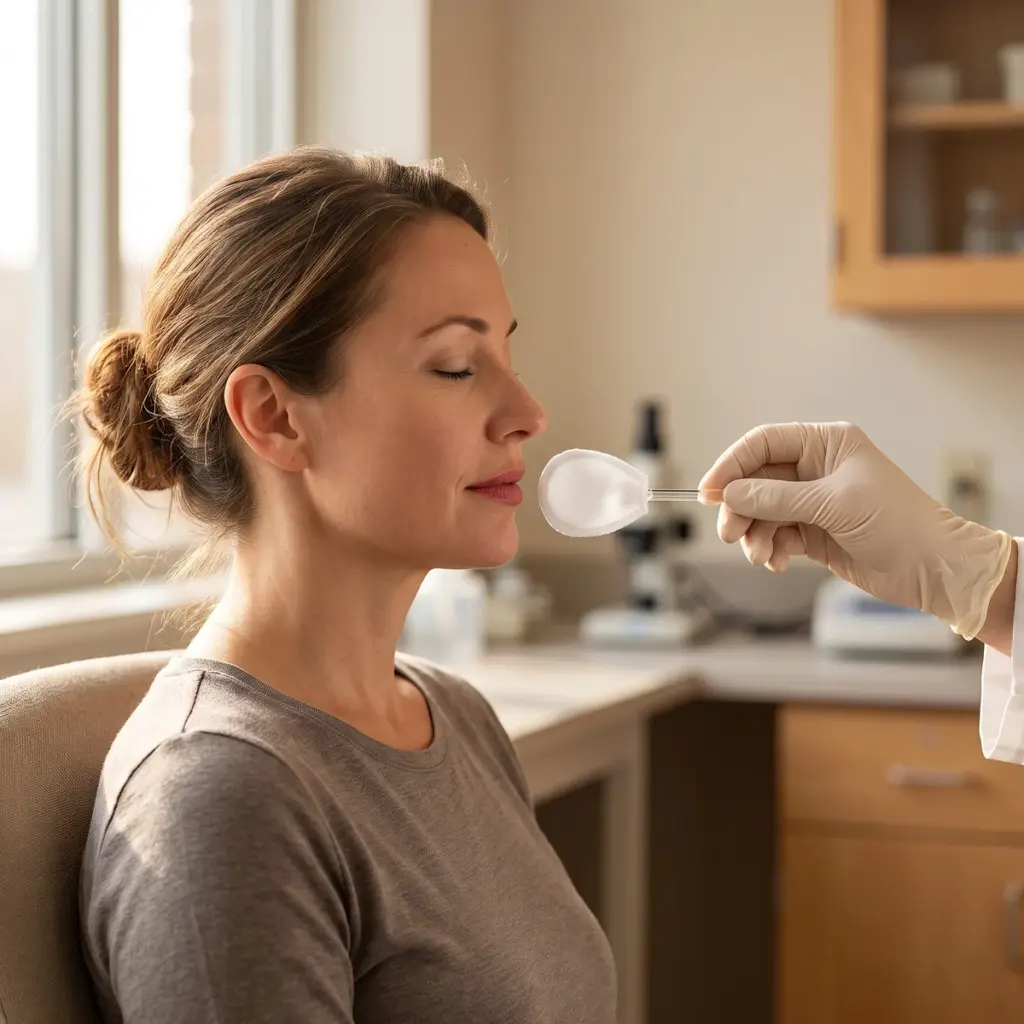
Skin barrier efficacy testing measures TEWL with an evaporimeter. A lower water loss on the treated site indicates a tighter barrier. Many protocols disrupt the barrier first, by tape stripping or a controlled surfactant patch, and then record how quickly TEWL returns to baseline on product-treated and control sites.
Lipid and differentiation mechanism studies
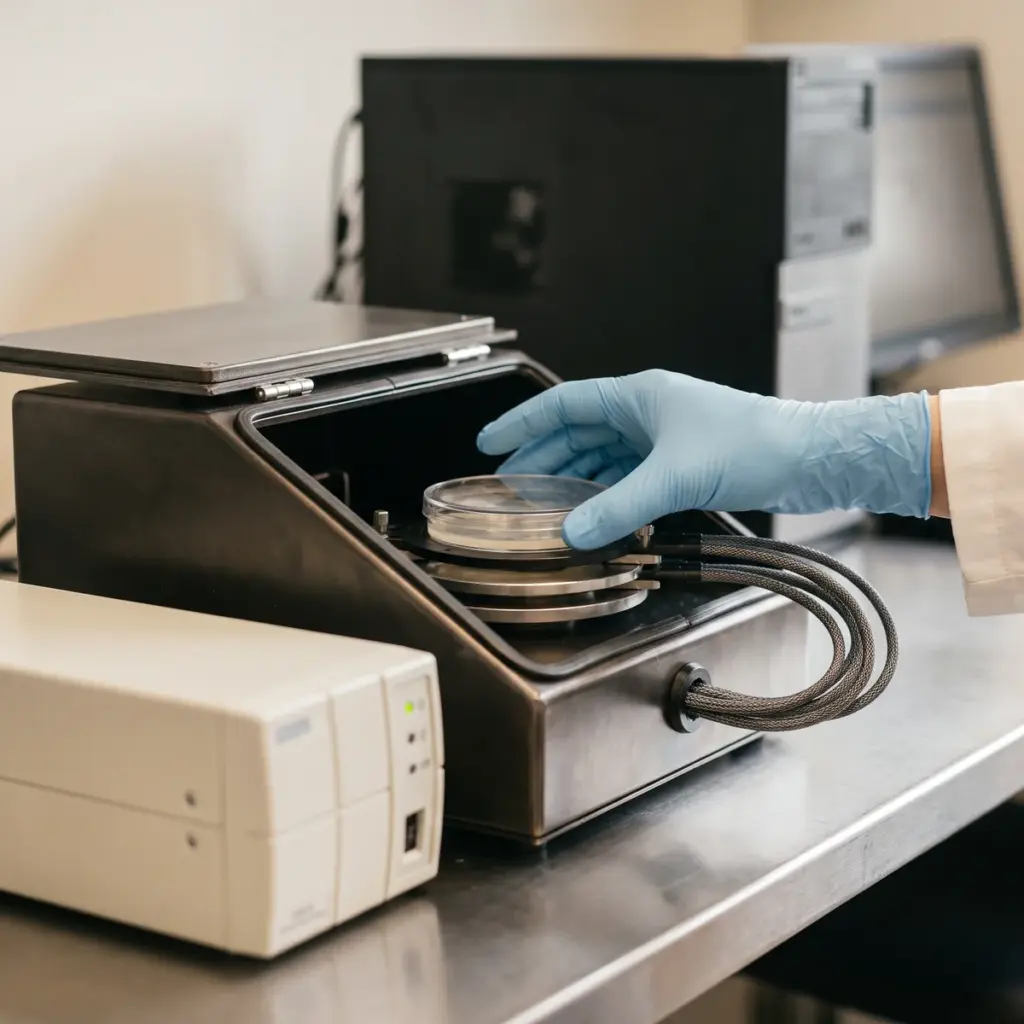
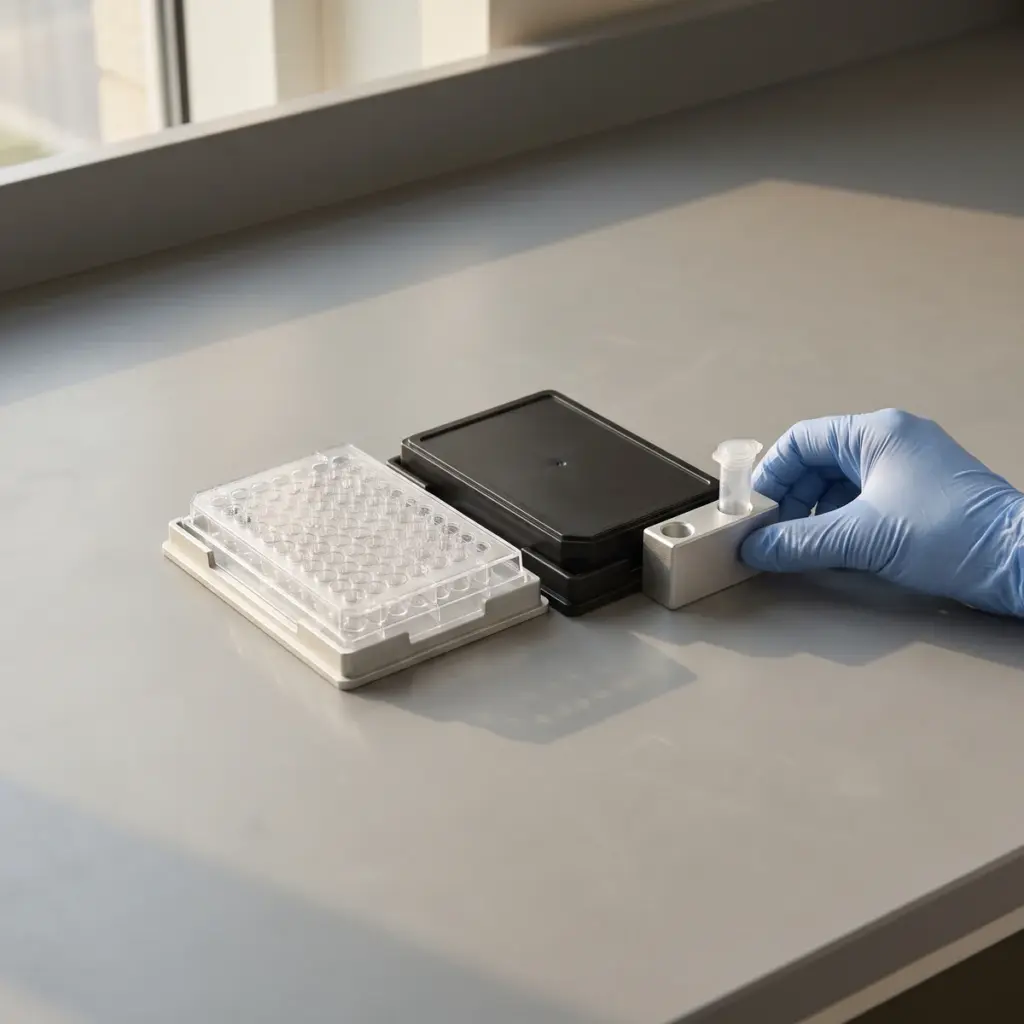
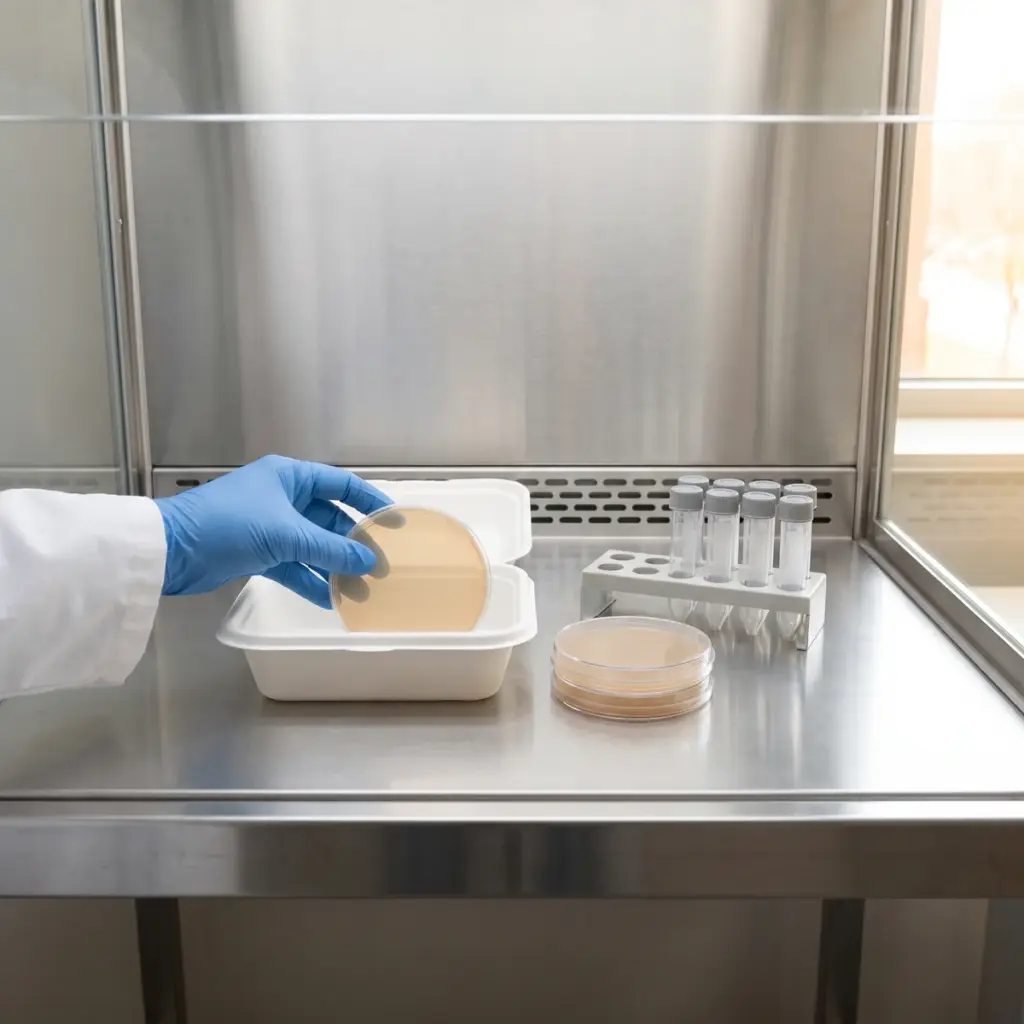
Barrier and hydration mechanism studies are run on keratinocyte cultures or reconstructed human epidermis. Typical endpoints are ceramide, cholesterol and free fatty acid content, the expression of differentiation proteins such as filaggrin and involucrin, aquaporin-3 for water transport and tight-junction proteins.
Hydration and TEWL reports
Volunteer studies end with a report giving readings per site and time point, the change from baseline, a statistical comparison with the control and the percentage of panellists who improved. Mechanism studies deliver dose-response data, images and a written interpretation of the pathway involved.
Services in Hydration Barrier Testing
Planning skin hydration and barrier efficacy testing for your claims
The claim you intend to print decides which branch of the family you need and how the visits are scheduled.
Matching the study to the wording
A claim that moisturisation lasts all day needs kinetic corneometry with a reading at the last hour you want to quote. “Strengthens the skin barrier” or “helps restore dry, damaged skin” points to TEWL, usually with a disruption and recovery step. A claim about an active that boosts ceramides belongs to the laboratory branch, which you can later pair with a volunteer study on the finished cream. Many brands run hydration and TEWL in the same panel, since the two probes share the acclimatisation step and the visits.
Claim wording, skin type and comparator to send
Providers price and design these studies from a short set of facts. Prepare them before you ask:
- the exact claim wording and the markets of sale
- product format, dose per application and use frequency
- the target skin type, for example dry or very dry
- whether you want a single application, repeated use or both
- any comparator, such as a placebo base or the current formula
Checking a provider’s set-up
Ask how the measurement room is regulated and logged, since humidity drift changes both readings. For barrier work, ask which disruption model the laboratory has validated and how it recruits volunteers with dry skin. If your product targets reactive skin as well, compare its offer with skin comfort testing, which can share the same panel.
More in Cosmetic Efficacy Testing
Cosmetic efficacy testing measures what a product or ingredient does for skin, hair, lips or nails, in volunteers or laboratory models, to back claims.