Cosmetic Packaging Sourcing overview
Do you provide Cosmetic Packaging Sourcing?
How cosmetic packaging sourcing works, from brief to approved sample
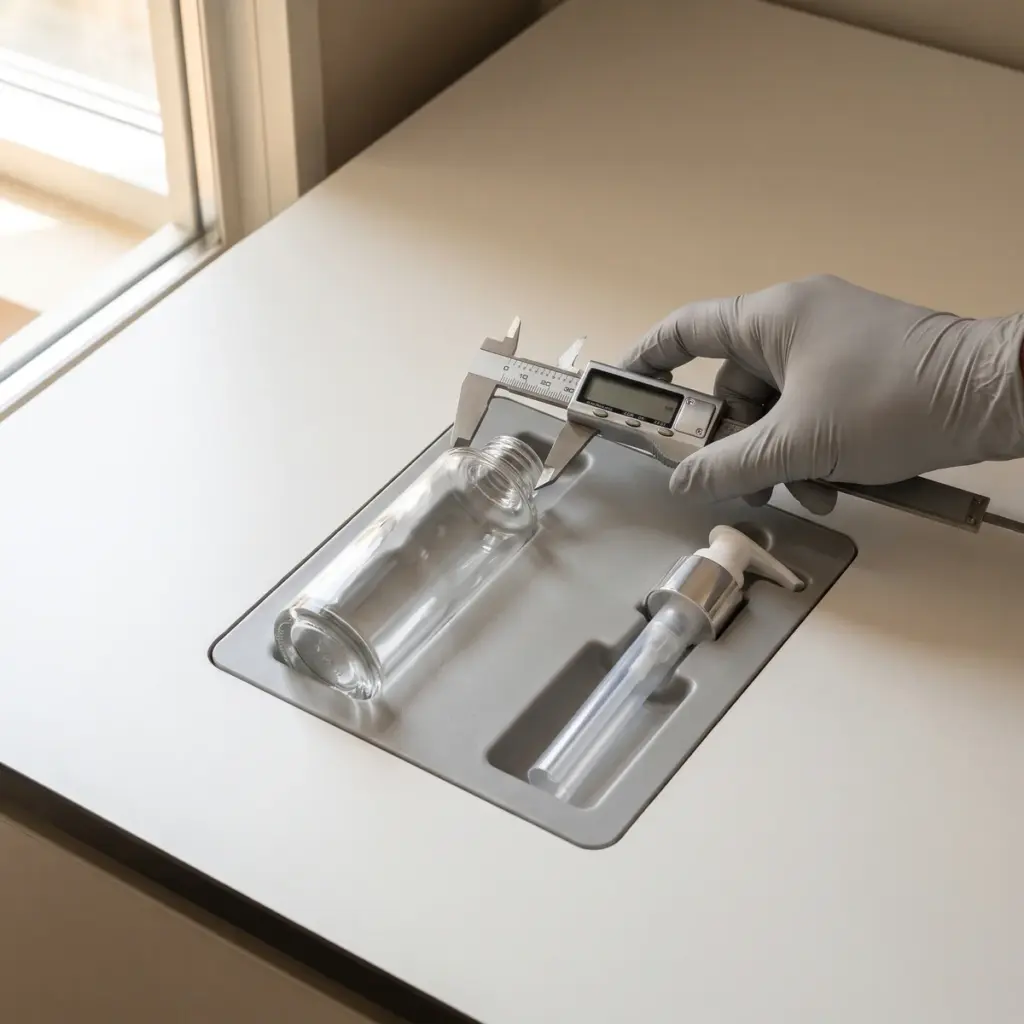
Sourcing starts with a packaging brief. It records the formula type and viscosity, the fill volume, how the consumer will dispense the product, the target unit cost, the order quantity and the decoration you want. The sourcing specialist uses that brief to shortlist stock components from supplier catalogues and, where the project justifies it, custom moulds.
Comparing component suppliers
For each shortlisted option the provider collects the information you need to decide:
- Physical samples of the container and closure
- Technical drawings with neck finish and dimensions
- Material specification for every product-contact part
- Minimum order quantity, unit price and lead time
- Tooling cost for custom shapes or colours
- Decoration options such as screen printing, hot foil or labels
Checking the pack against the formula
Before you approve a component, the formula goes into the real pack. Filled samples show whether a pump primes and delivers a consistent dose, whether a tube reseals, and whether the closure holds without leaking. Packaging compatibility testing then stores filled units at elevated temperature to look for weight loss, discolouration, panelling or stress cracking in the plastic. Light-sensitive formulas are matched to opaque or UV-filtering materials at this point.
Deliverables at the end of sourcing
You receive an approved component list, signed-off reference samples, supplier specifications and quotations, and a bill of materials your filler can order against. Good providers also hold the supplier’s declarations on material composition and recycled-content status where these exist. They agree a change-notification process with each supplier, so you hear about a resin or factory switch before it reaches your line.
Planning cosmetic packaging sourcing around your launch
Packaging decisions come early in a cosmetic launch, because stability, filling and artwork all wait for the final component.
When to start the search
Start sourcing as soon as the formula direction is fixed, before stability testing begins. Stability and compatibility studies run in the final pack, so a late change of bottle can mean repeating months of work. Brands also return to sourcing when a supplier discontinues a stock item, when component prices rise, or when a retailer sets a recycled-content or refill target.
Bulk sample, fill volume and target price to share
A sourcing provider can quote faster with a sample of the bulk or its technical data sheet and the fill volume. Add a reference image or an existing pack you like, your first order quantity and your target retail price. Say whether you need stock components or are open to custom tooling, since moulds add cost and lead time.
Linking sourcing to filling and dispatch
Components have to run on the filling line that will use them. Share the approved specification with your fill and finish partner early, so they can confirm change parts, capping torque and label application. If the same provider also offers logistics and fulfilment, ask whether they can receive components, hold buffer stock and ship finished goods from one site.
More in Packaging and Fulfilment
Cosmetic packaging sourcing, filling and fulfilment services take bulk product to packed units, stored stock and orders dispatched to customers.