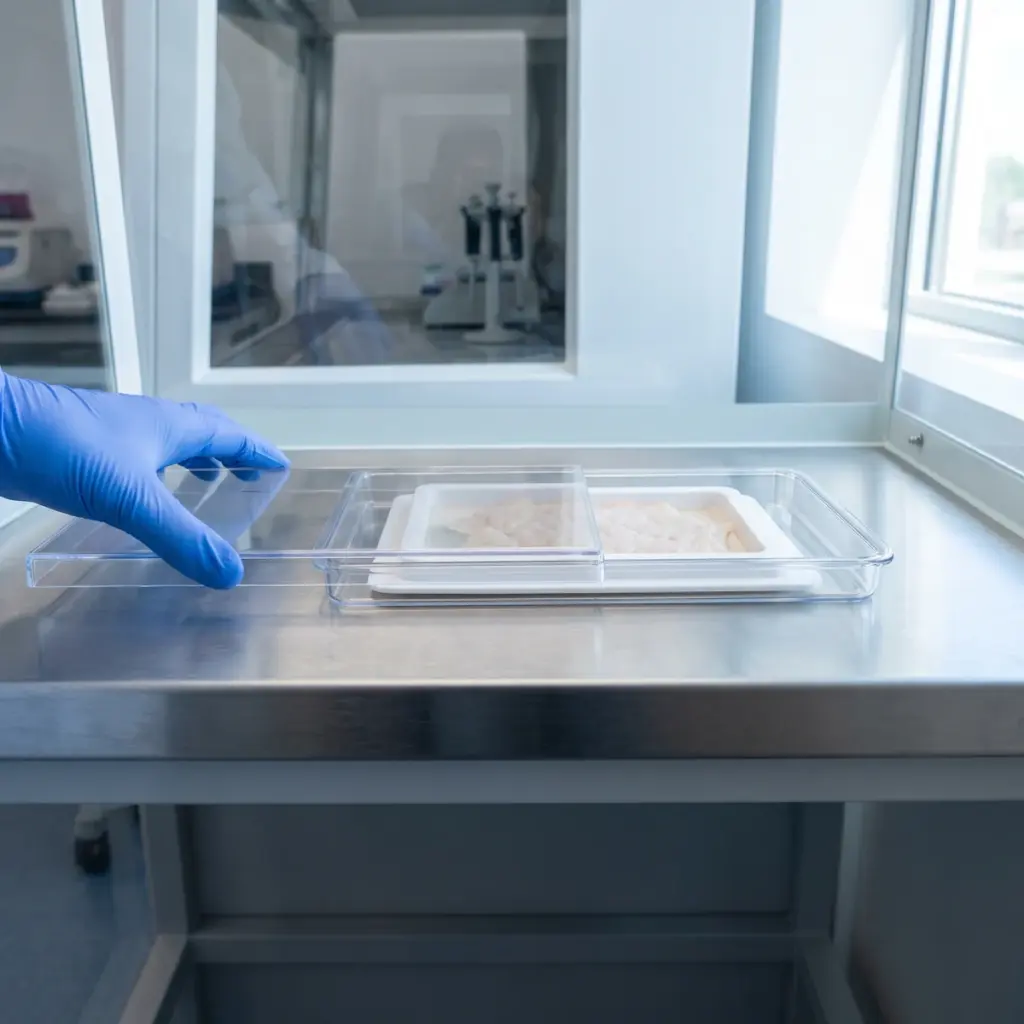
Human Tolerance Testing overview
Do you provide Human Tolerance Testing?
Types of human tolerance testing and how they differ
All studies in this family follow a written protocol with ethics approval, informed consent from every volunteer, inclusion and exclusion criteria, and a qualified investigator who grades reactions on a defined scale. They differ in how the product is applied, for how long, and who examines the volunteers.
Repeat-insult patch testing
The repeat-insult patch test (HRIPT) applies the product under occlusive patches to the same site repeatedly over an induction phase, followed by a rest period and a challenge patch on a fresh site. Reactions at challenge show whether the product induced sensitisation, and irritation is recorded throughout.
Dermatologist-supervised tolerance assessment
In a dermatologist-supervised tolerance assessment, volunteers use the product at home as directed, and a dermatologist examines the skin at the start and end of the period. Subjective sensations such as stinging and tightness are recorded alongside clinical signs. Panels can be recruited for sensitive skin.
Ophthalmologist-supervised testing
Eye-area products such as mascara, eyeliner, eye cream and make-up remover go to ophthalmologist-supervised tolerance testing. The ophthalmologist checks the eyelids, conjunctiva and tear film before and after the use period. Contact lens wearers can be recruited when that claim is wanted.
Non-comedogenic claim testing
Non-comedogenic claim testing counts comedones, usually on the back or the face of volunteers prone to them, before and after repeated application.
Study report
Each study ends in a signed report with the protocol, panel description, individual reaction scores, adverse events and the investigator’s conclusion on tolerance.
Services in Human Tolerance Testing
Matching human tolerance testing to your claims
Choosing among these studies is mostly a question of which statements you want on the label and which product you are testing.
Start from the wording on pack
The claim decides the study. Dermatologically tested calls for a dermatologist-supervised assessment. Ophthalmologically tested needs an ophthalmologist for eye products. Non-comedogenic needs a comedogenicity study. Many brands add an HRIPT to support statements about low sensitisation potential, and it often feeds a hypoallergenic claim assessment. Write down the exact claims first and ask the provider which protocol supports each.
Combining studies on one panel
Several endpoints can share a panel. An in-use study for a face cream can include dermatologist grading, sensitive-skin recruitment and a comedone count, which reduces cost and time against running three separate studies. The provider will confirm which combinations are scientifically sound.
What the provider needs from you
Send the finished formula in its final pack, the signed safety assessment or the in vitro data that support human exposure, the directions for use and the target user group. Specify the markets, because some retailers and regions expect particular panel compositions. Check that the provider has an ethics committee route, medical investigators in the specialty your claim names and experience with your product type.
More in Cosmetic Safety Testing
Cosmetic safety testing gathers the hazard, exposure and human tolerance evidence needed to sign off a cosmetic as safe for its intended use.