Cosmetic formula optimisation and reformulation services


Formula Improvement overview
Who provides Formula Improvement
Companies providing Formula Improvement
Optimisation, substitution and preservation: three ways to improve a formula
The right service depends on what is wrong with the current product, or what has changed around it.
Refining performance, texture and cost
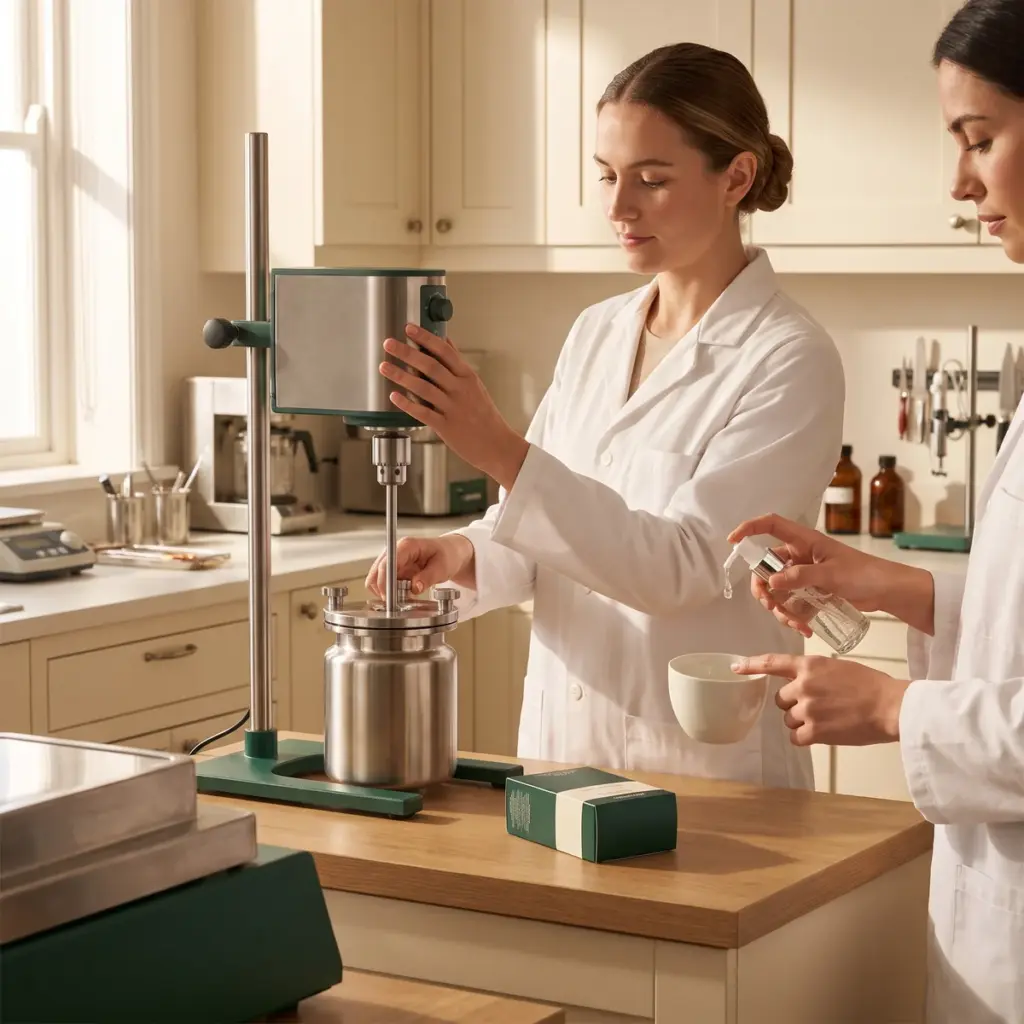
Formula optimisation keeps the product concept and most of the ingredient list, and tunes it. Typical targets are a richer or lighter skin feel, better spreadability, a more stable viscosity, a higher active level or a lower cost per kilo. The formulator varies one or two parameters at a time and compares samples against the current batch on agreed measurements such as pH, viscosity and sensory scores.
Replacing or removing ingredients
Cosmetic reformulation and ingredient substitution handles larger changes to the ingredient list. Drivers include a discontinued or restricted raw material, a new retailer policy, a claim such as fragrance-free or vegan, or entry into a market with different rules. The laboratory maps the function of each ingredient being removed, screens replacements and rebalances the formula around them.
Reworking the preservative system
Preservative system optimisation focuses on microbial protection. It follows a failed challenge test, a wish to change preservatives or a new pack format. The formulator looks at pH, water activity, partitioning between phases and packaging, then confirms the revised system with a challenge test on the finished formula.
Optimisation, reformulation or preservative work compared
If the ingredient list stays largely the same, start with optimisation. If materials must come out, choose reformulation. If microbiology is the issue, go to preservative optimisation. Many projects combine two, since a substitution often moves pH or water activity enough to affect preservation.
Services in Formula Improvement
Formula optimisation
Running a cosmetic formula optimisation or reformulation project
Improvement work moves fastest when the formulator receives the full history of the product at the start.
Information the formulator needs
Supply the current quantitative formula, the raw material specifications and supplier names, and the manufacturing instructions. Add retained samples from recent batches and any stability, challenge-test or consumer data you hold. Describe the problem precisely: when it appears, on which batches, at which storage condition. A product that thins only after warehouse storage in summer points to a different fix from one that is too runny from day one.
Setting acceptance criteria
Write down the properties that have to stay fixed, such as colour, fragrance, skin feel or an existing claim, and the ones you want to change, with a measurable target where possible. Agree how many rounds of samples are included and how each will be judged.
Retesting the revised formula
Plan the retest programme from the start. A new emulsifier calls for fresh stability data, and a preservative change calls for a new challenge test. Claims built on the old formula need review against the new composition. Once the version is chosen, formula production readiness work updates the specifications your manufacturer works from.
More in Cosmetic Formulation
Cosmetic formulation services create new formulas, improve existing ones and prepare them for manufacture, from brief and prototypes to handover.