Eicosanoid mediator control overview
Do you provide Eicosanoid mediator control?
What eicosanoid mediator control measures
Eicosanoids are made from arachidonic acid, which phospholipase A2 releases from cell membranes when skin is irritated or exposed to UV. Cyclooxygenase enzymes turn it into prostaglandins, and lipoxygenase enzymes turn it into leukotrienes. Both branches feed redness, warmth and sensitivity in irritated skin, and the service studies how your ingredient affects their formation and release.
Enzyme-level assays
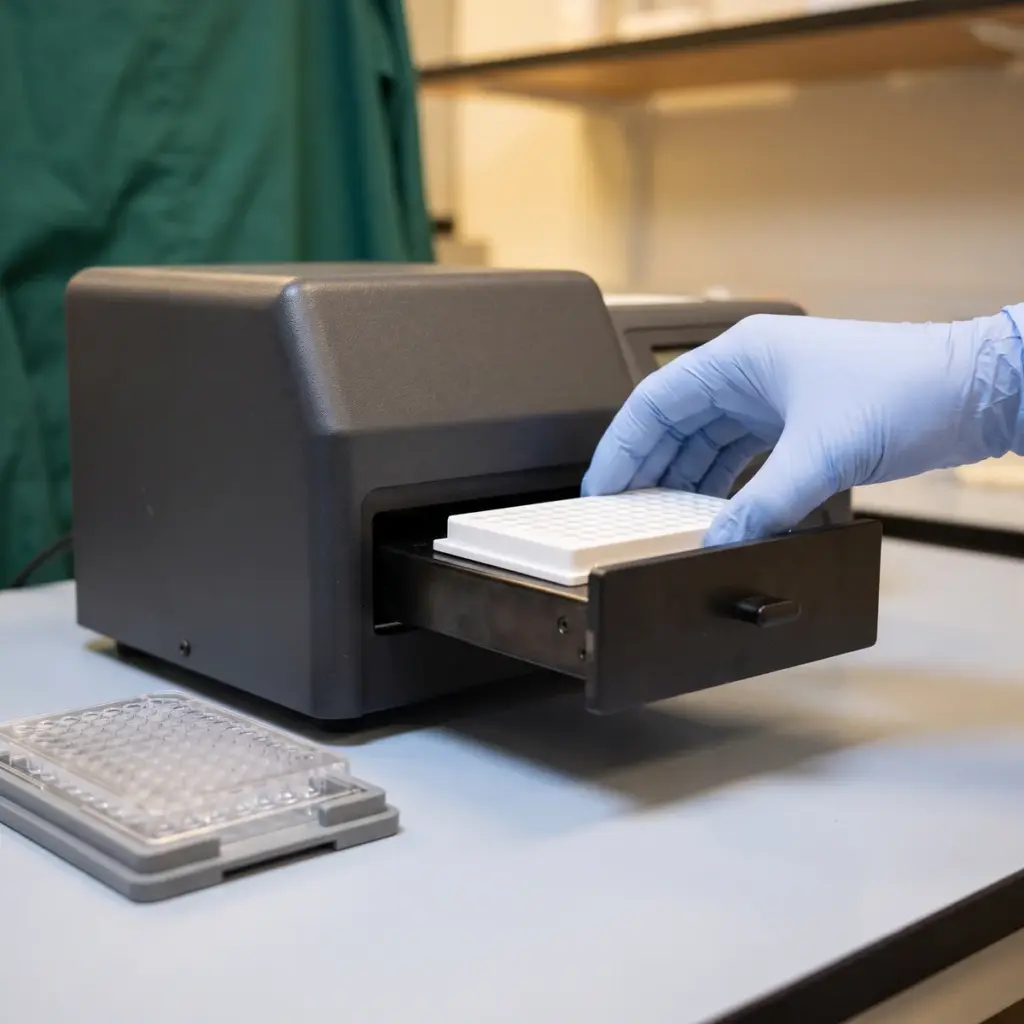
Cyclooxygenase and lipoxygenase assays measure enzyme activity with and without the test material. They show whether an active acts directly on the synthesis step. Running both enzymes in parallel tells you whether an extract leans towards one branch or affects both. For a COX-only question, COX-2 inhibition testing goes further into selectivity and IC50 values.
Mediators in cells
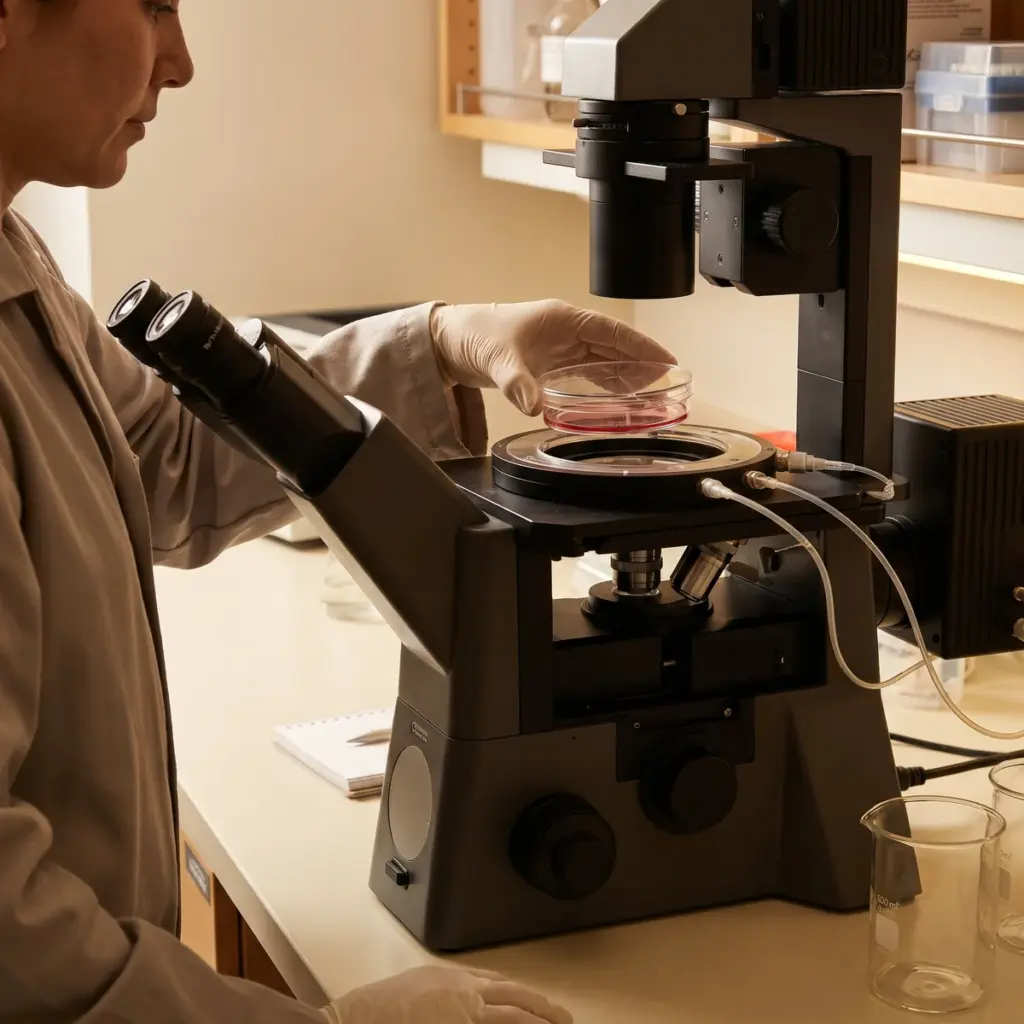
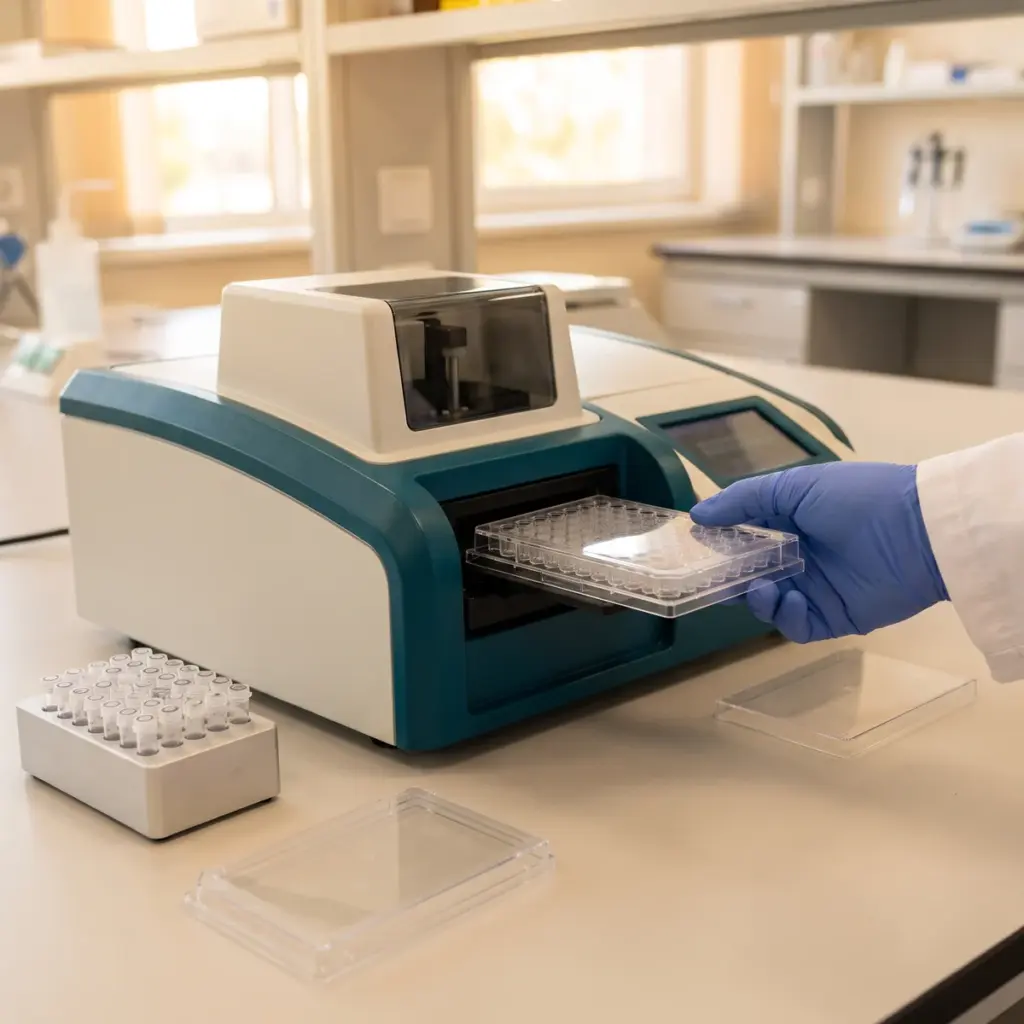
Stimulated skin cells release prostaglandin E2, leukotrienes or other selected eicosanoids into the medium, where immunoassays or LC-MS quantify them. Measuring the mediator itself tells you what the cell actually produced. Keratinocytes are the usual model for prostaglandin E2, while leukotriene work often uses immune cells such as neutrophils or monocytes, which carry more lipoxygenase activity.
- Stimulated and unstimulated controls
- Vehicle and reference compounds
- Concentration-response and exposure-time comparisons
- Viability and analytical-interference checks
The report sets enzyme activity, expression and mediator concentration side by side, with viability data alongside, so you can see at which level the active changed the pathway.
Planning eicosanoid mediator control studies
A clear plan for which mediators to read keeps the study small and the result easy to use.
Picking the branch and the level
Start by deciding which branch you expect the active to affect. A botanical with a known cyclooxygenase effect points to prostaglandins, while an extract aimed at itch or swelling may justify leukotriene measurement. Then choose the level: an enzyme assay answers a direct biochemical question, and a cell assay shows mediator output in a living system. Many programmes run the enzyme screen first and confirm hits in cells.
Adding context
Histamine and cytokines are separate mediator classes. When your claim touches both, pair this study with mast cell degranulation assays or a cytokine panel, so each class is measured directly. Ask the laboratory whether it measures by immunoassay or LC-MS, since LC-MS can separate closely related eicosanoids in one run. A clear cellular result gives you a mechanism statement for a soothing active and a reasoned basis for a volunteer study on redness or comfort.
More in Inflammation & Skin Immunity
Inflammation & Skin Immunity studies measure how an ingredient changes cytokine, neurogenic and innate defence responses in skin cells and tissue models.