Instrumental & Biophysical

Instrumental & Biophysical overview
Who provides Instrumental & Biophysical
Companies providing Instrumental & Biophysical
The instruments behind biophysical efficacy measurements
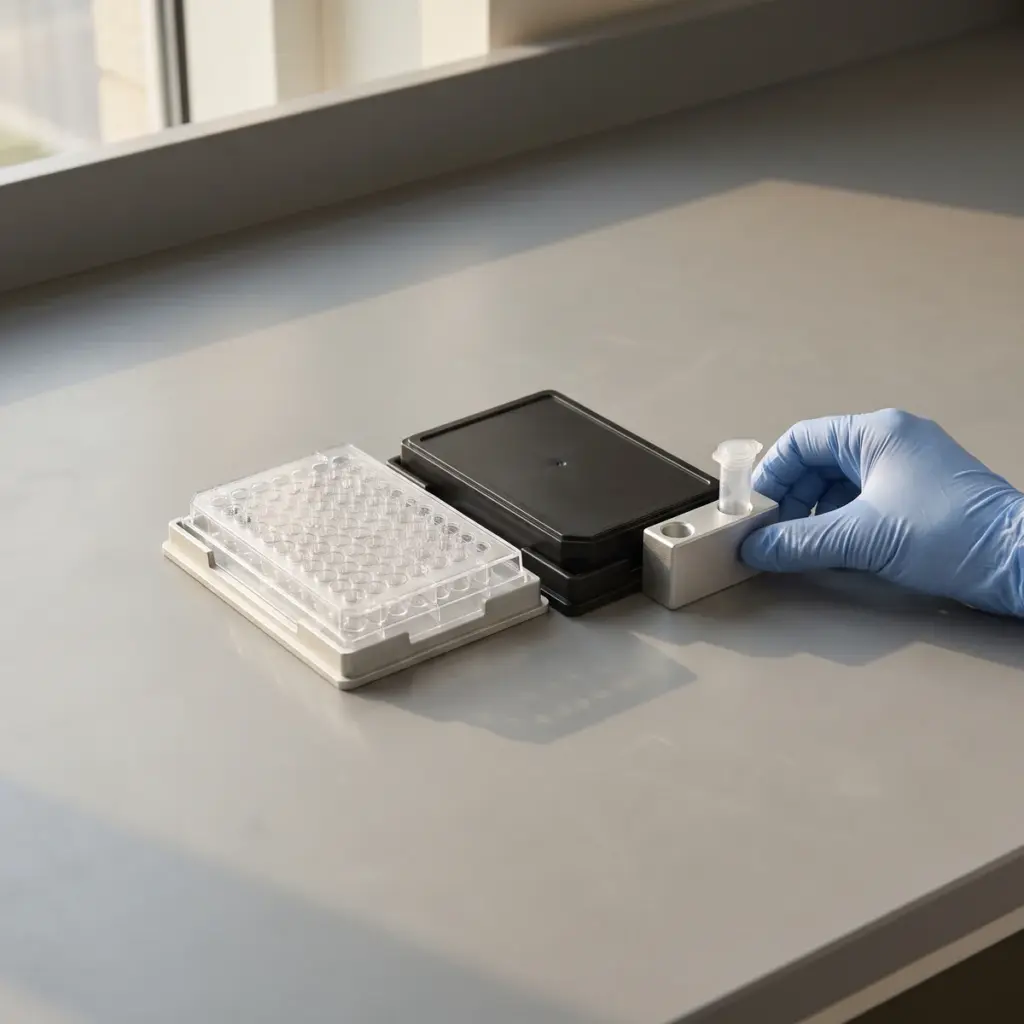
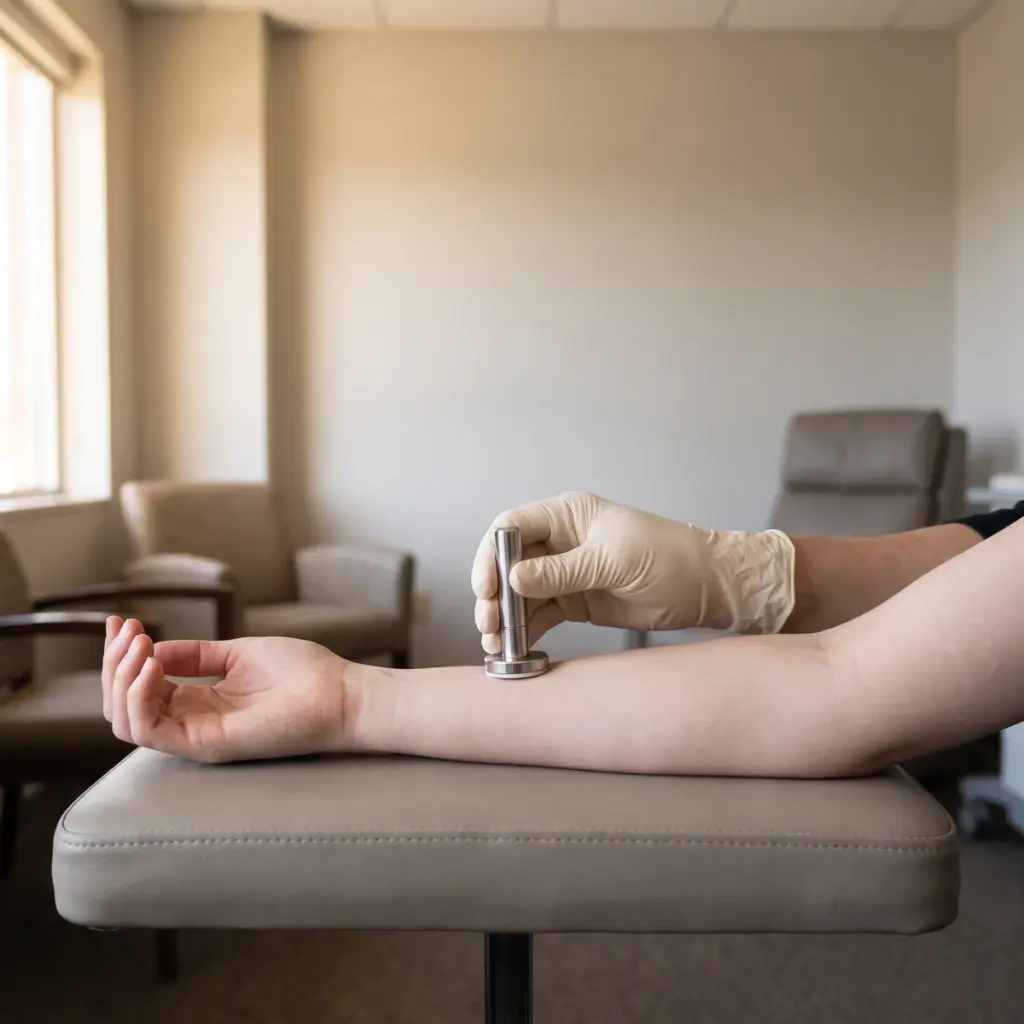
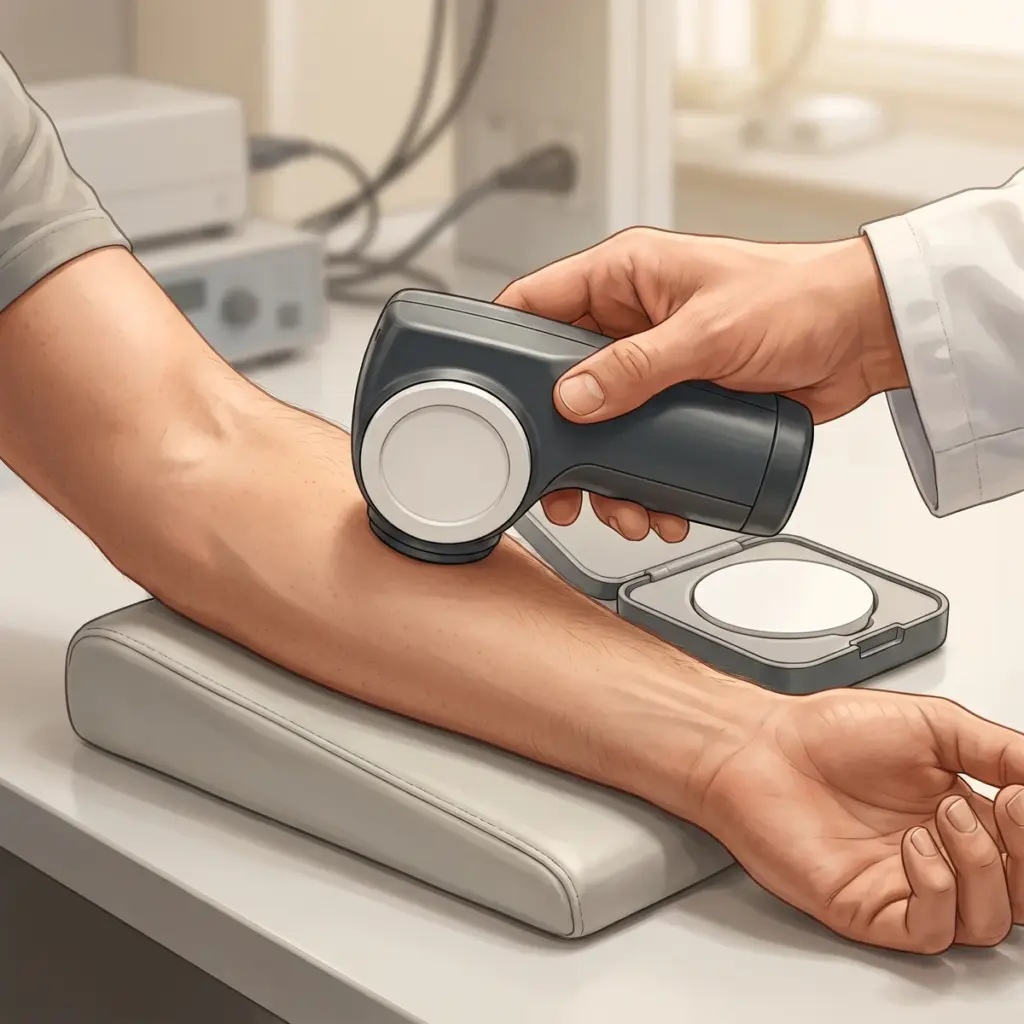
A biophysical study pairs each claim with a device that measures one property. Volunteers acclimatise in a room with stable temperature and humidity, then trained technicians take readings on marked sites at baseline and at each visit. Treated sites are compared with untreated or placebo sites on the same person.
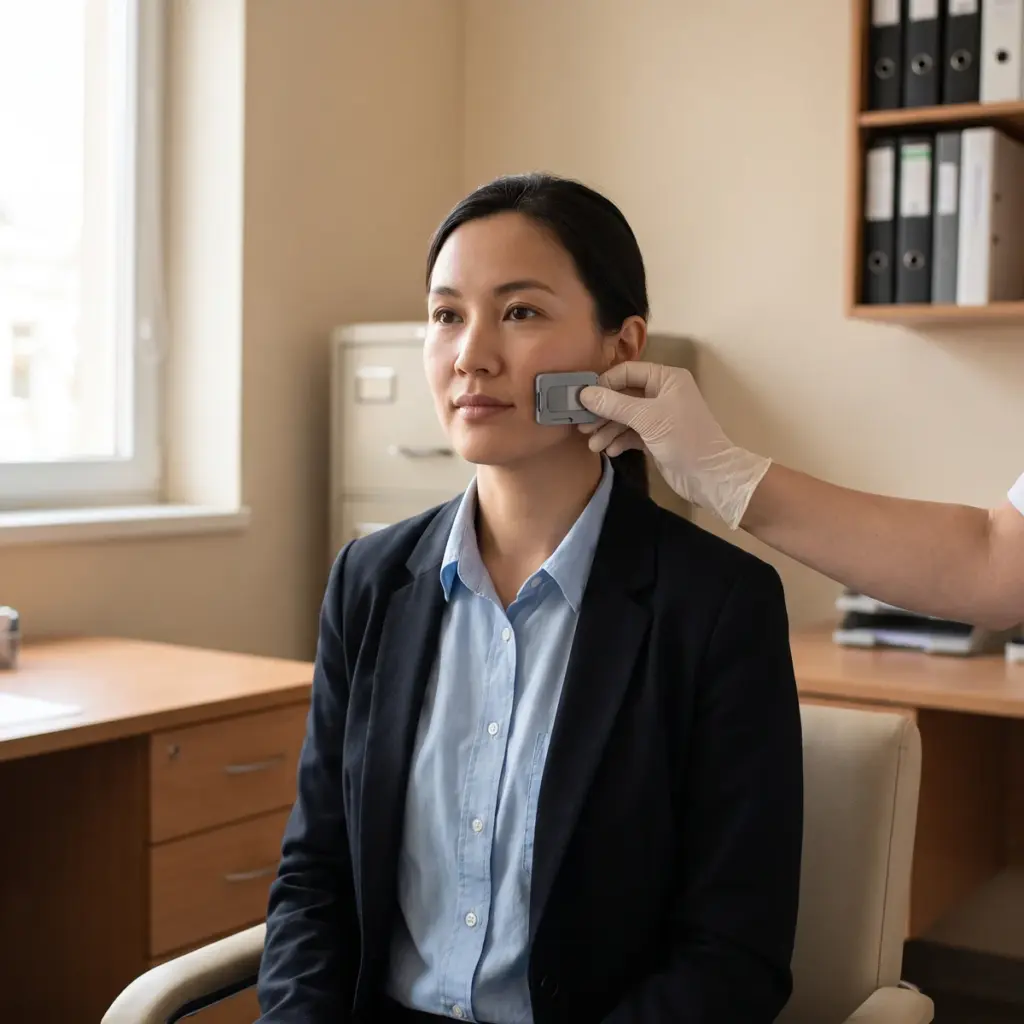
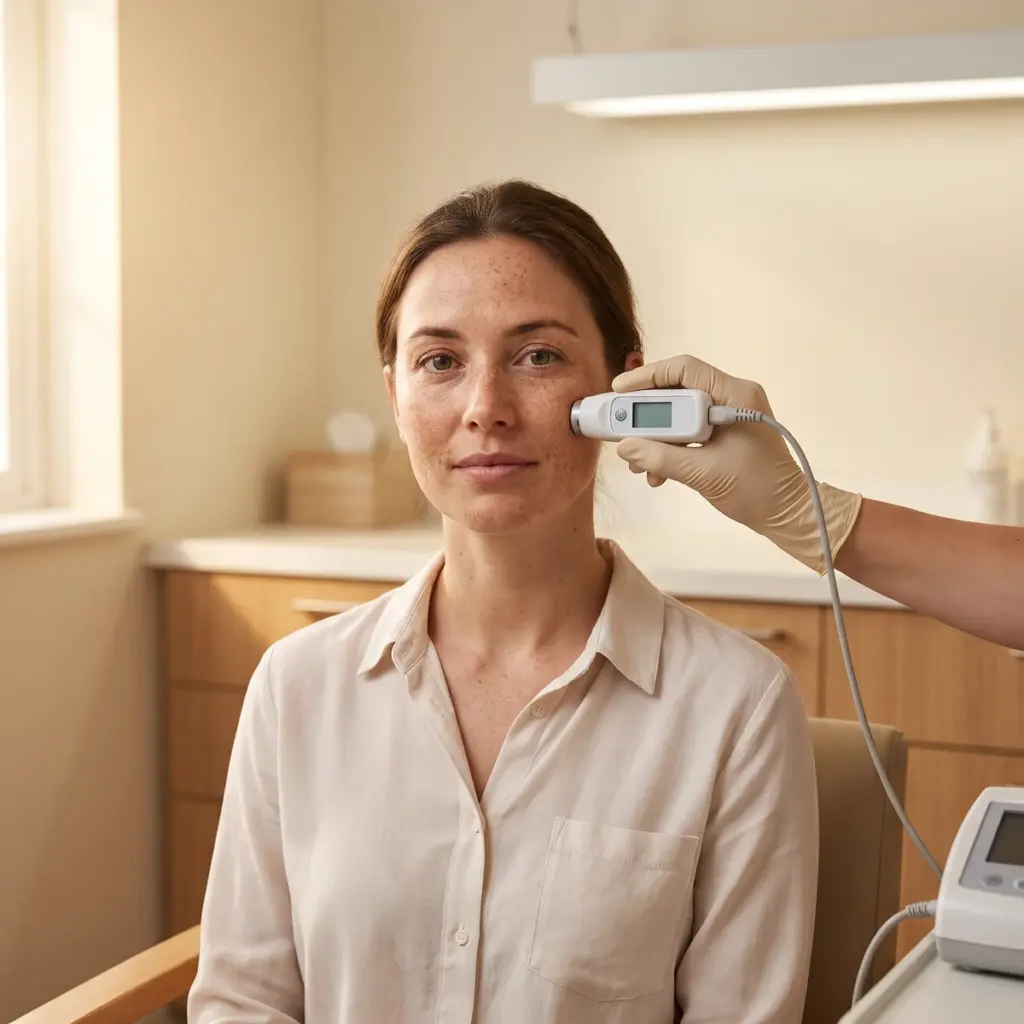
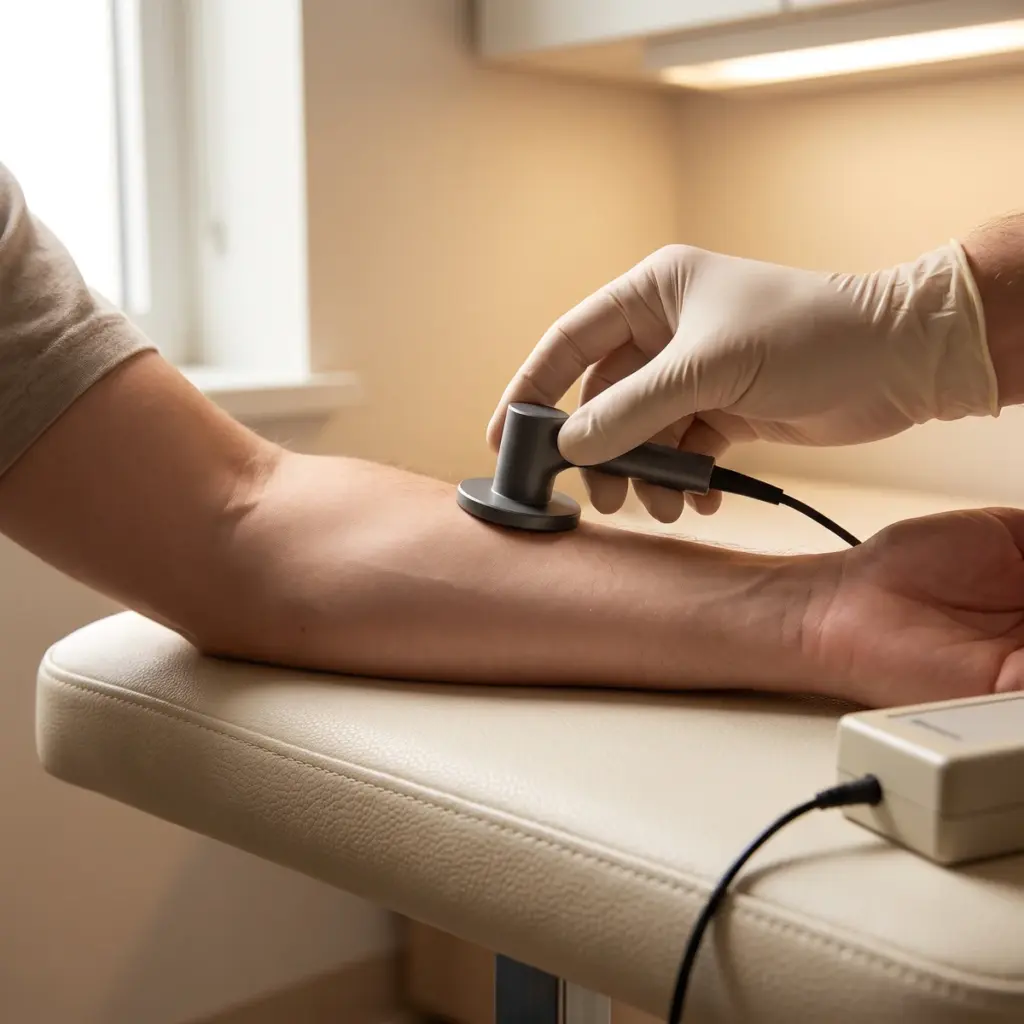
Skin probes and what they read
- Corneometer: stratum corneum hydration by capacitance
- Evaporimeter: transepidermal water loss for barrier function
- Chromameter: L*a*b* colour, ITA angle and redness
- Melanin and erythema index probes
- Cutometer: suction-based firmness and elasticity parameters
- Sebumeter: surface lipids collected on photometric tape
- Glossmeter or polarised imaging: shine
Imaging and surface relief
Fringe projection systems build a 3D map of the skin surface and calculate wrinkle depth, volume and roughness parameters such as Ra and Rz. Silicone replicas capture crow’s feet or lip lines for later profilometry. Standardised photography with fixed head position and lighting supports expert grading. High-frequency ultrasound measures dermal thickness and density.
Hair, nails and makeup
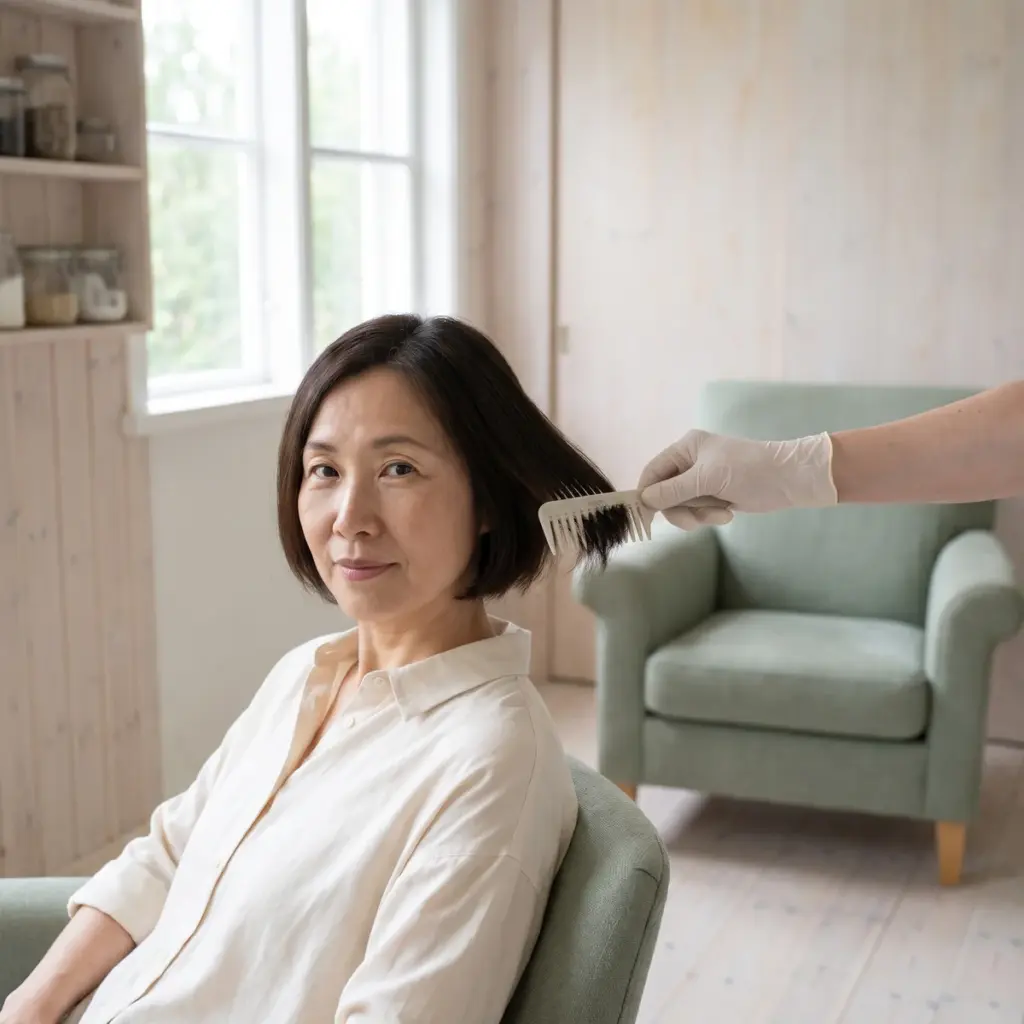
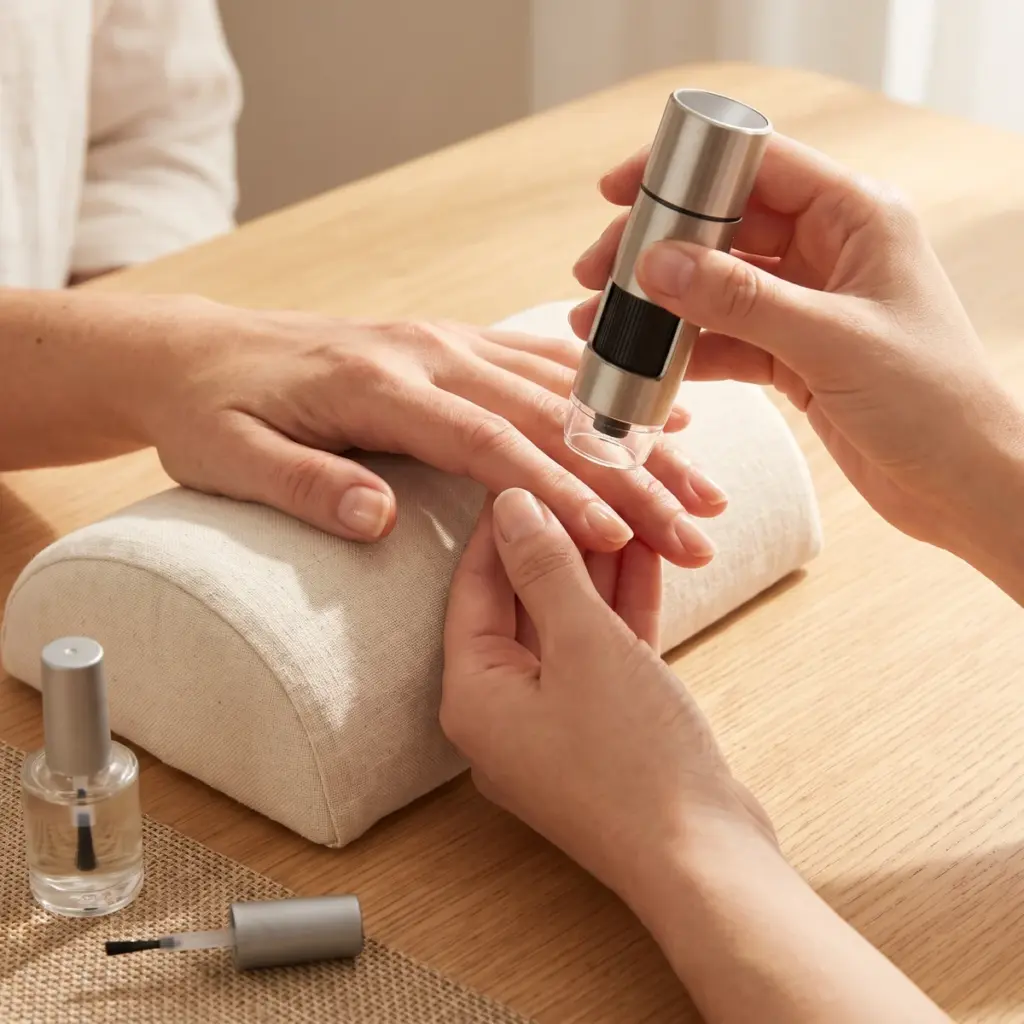
Hair studies on volunteers or tresses use combing force, tensile strength, breakage counts and shine imaging. Nail studies measure hardness, flexibility and surface condition. Makeup studies use colorimetry and image analysis to record wear and transfer over the day.
Data files and statistics
The provider delivers raw readings per volunteer, site and time point, the mean change from baseline, a statistical comparison with the control and the share of panellists who improved, together with representative images.
Using instrumental and biophysical results in claims
Instrument data is most useful when every measurement in the protocol answers a line of copy you plan to use.
Choosing a device for each claim
Start from the sentence you want to print and work back to the property it describes. A long-lasting hydration claim maps to corneometry with readings up to the hour you want to quote. “Visibly firmer skin” maps to cutometry, often with expert grading alongside. “Reduces shine” maps to sebumeter and gloss readings across the day. For the full study designs, see skin hydration efficacy testing, anti-ageing and wrinkle efficacy testing and oil-control and shine testing.
Combining measurements in one panel
Several probes can run at the same visit, which keeps cost per endpoint down. A day cream study might record hydration, TEWL and elasticity together, and a foundation study might pair colour readings with shine. Agree in advance which endpoint is primary, because the statistics and panel size are set on that one.
Probe calibration and site marking checks
Ask for the calibration records of each probe and the room logs for temperature and humidity. Check how sites are marked so that the same spot is read at every visit. For imaging, ask how head position and lighting are reproduced between sessions.
More in Cosmetic Efficacy Testing
Cosmetic efficacy testing measures what a product or ingredient does for skin, hair, lips or nails, in volunteers or laboratory models, to back claims.