Turnkey Development & Manufacturing

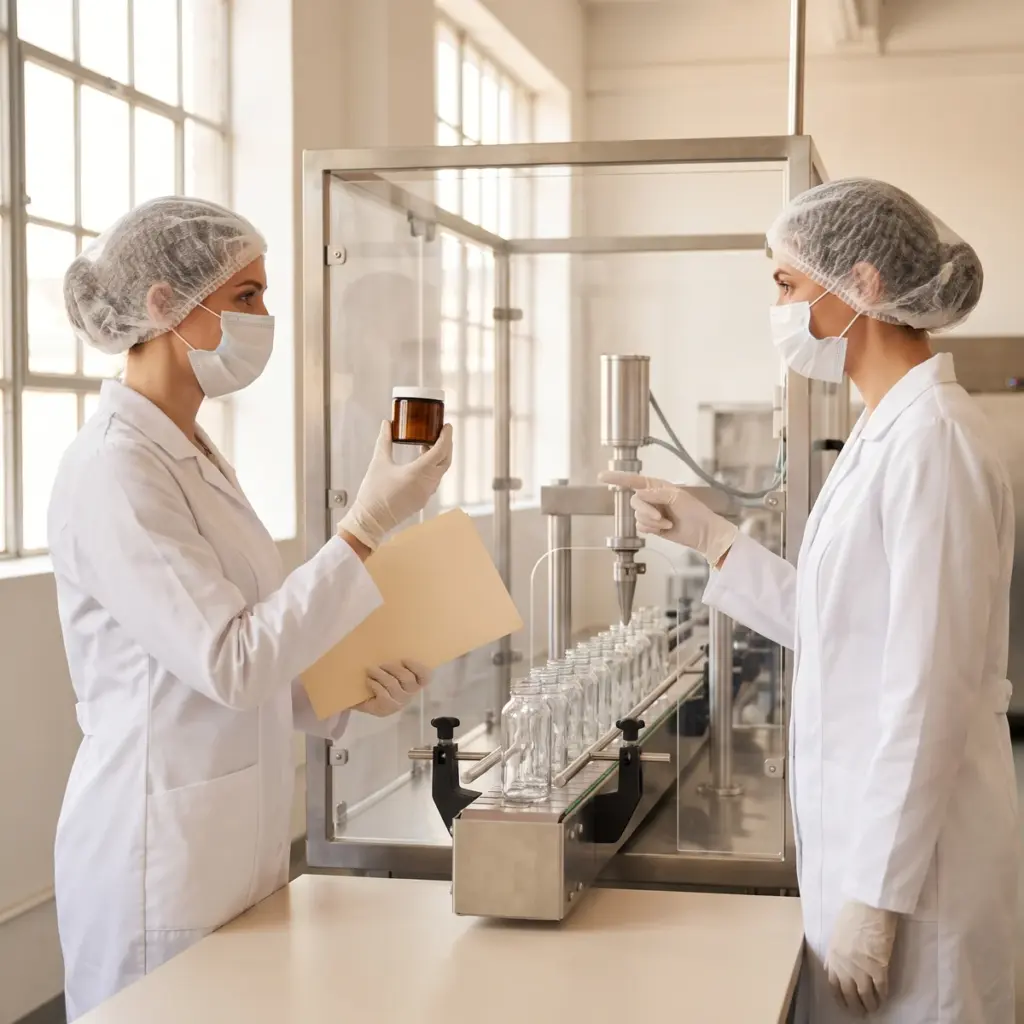
Turnkey Development & Manufacturing overview
Who provides Turnkey Development & Manufacturing
Companies providing Turnkey Development & Manufacturing
What turnkey development and manufacturing includes
The project runs through a fixed sequence of stages. Each ends with a sample, document or batch that you approve before the next starts.
- Brief review and agreement of the product concept
- Formulation and prototype rounds
- Stability, compatibility and preservation testing
- Safety assessment and product information file
- Packaging sourcing and artwork approval
- Scale-up and first production batch
- Filling, release and delivery
Development and prototypes
The partner’s chemists work from your brief: target texture, claims, ingredient preferences, price per unit and markets. They produce prototypes for you to test, refine them over several rounds and fix the final formula. Benchmark products you supply help set the texture target.
Testing and the regulatory file
The partner places the final formula on stability in the chosen pack, runs a preservative efficacy test and commissions a safety assessment. Efficacy or tolerance studies for claims are arranged with testing laboratories where the brief asks for them. For EU sales, the documents feed the product information file and the notification in the Cosmetic Products Notification Portal.
Production and release
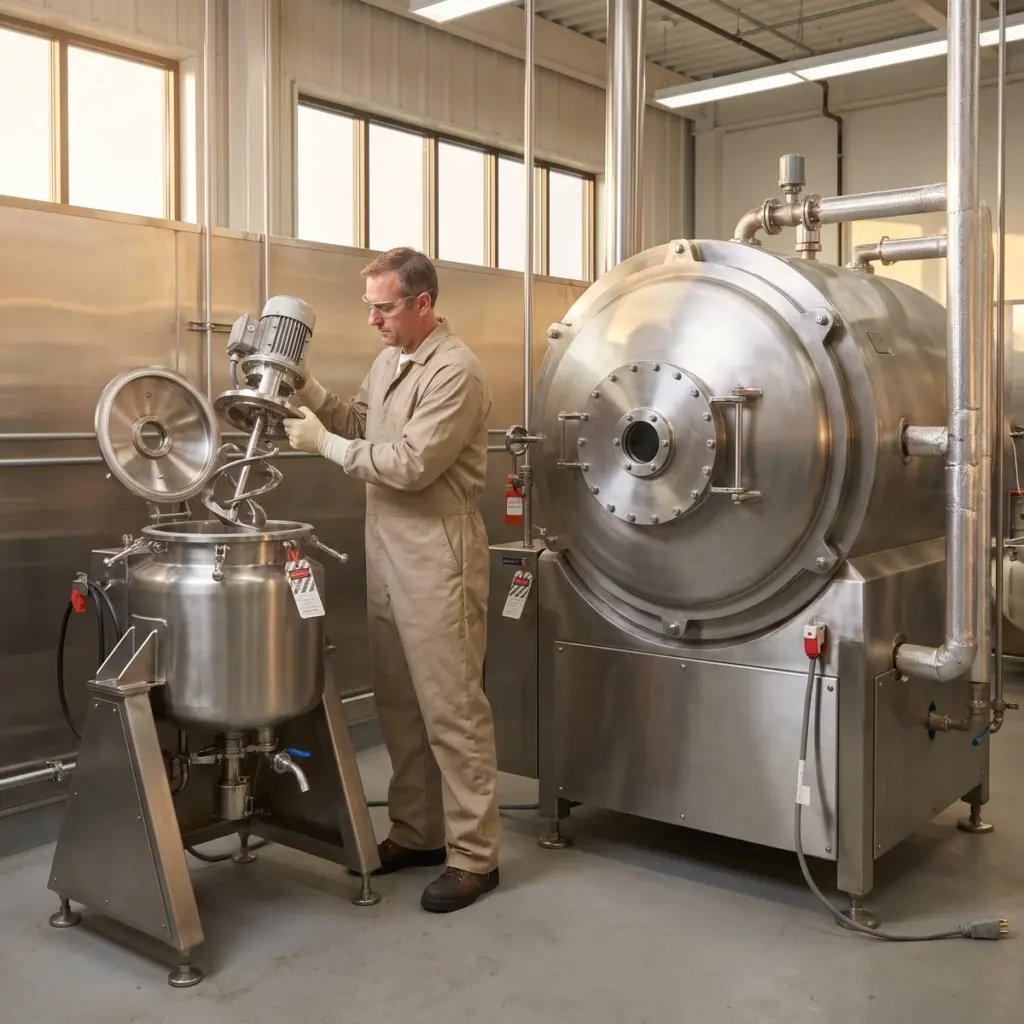
The approved formula is scaled to production vessels, made under cosmetic GMP and filled into the sourced components. Each batch is checked against the specification for appearance, pH, viscosity and microbiology and released with a certificate of analysis. You receive the finished stock, the batch records and the technical documentation agreed in the contract.
Running a turnkey cosmetic project well
Most of the value in a turnkey project is set before the first prototype, in the brief and the contract.
Writing a brief the partner can quote on
The quote depends on how complete the brief is. State the product type, the target user, the texture and sensory profile, the claims you want, ingredients to include or avoid, the target retail price, the pack format, first-order volume and the markets you will sell in. Attach benchmark products where you can. A precise brief cuts the number of prototype rounds.
Formula ownership after the project
Agree in the contract whether the developed formula is assigned to you once development is paid, or licensed while production stays with the partner. Ownership lets you take production to another manufacturer later. Agree also who holds the product information file and the test reports.
Assessing a turnkey partner
Look at the partner’s development record in your product type. Ask to see launched examples and the size of the formulation team. Check which tests run in-house and which are subcontracted, and whether the production site holds cosmetic GMP certification. For a brand with a finished formula of its own, manufacturing from your formula is the shorter route.
More in Cosmetic Manufacturing
Cosmetic manufacturing, private label and production scale-up: routes for making your product, from a catalogue base to your own formula.