COX-2 inhibition overview
Do you provide COX-2 inhibition?
COX-2 inhibition assays and what they report
Cyclooxygenase-2 is switched on in cells responding to irritation or UV and produces the precursors of prostaglandins. COX-1 does a similar job continuously in healthy tissue. Testing focuses on the inducible COX-2 enzyme, with COX-1 as a comparison. Both enzymes convert arachidonic acid into prostaglandin H2, which other enzymes then turn into prostaglandin E2 and related mediators.
Isolated-enzyme testing
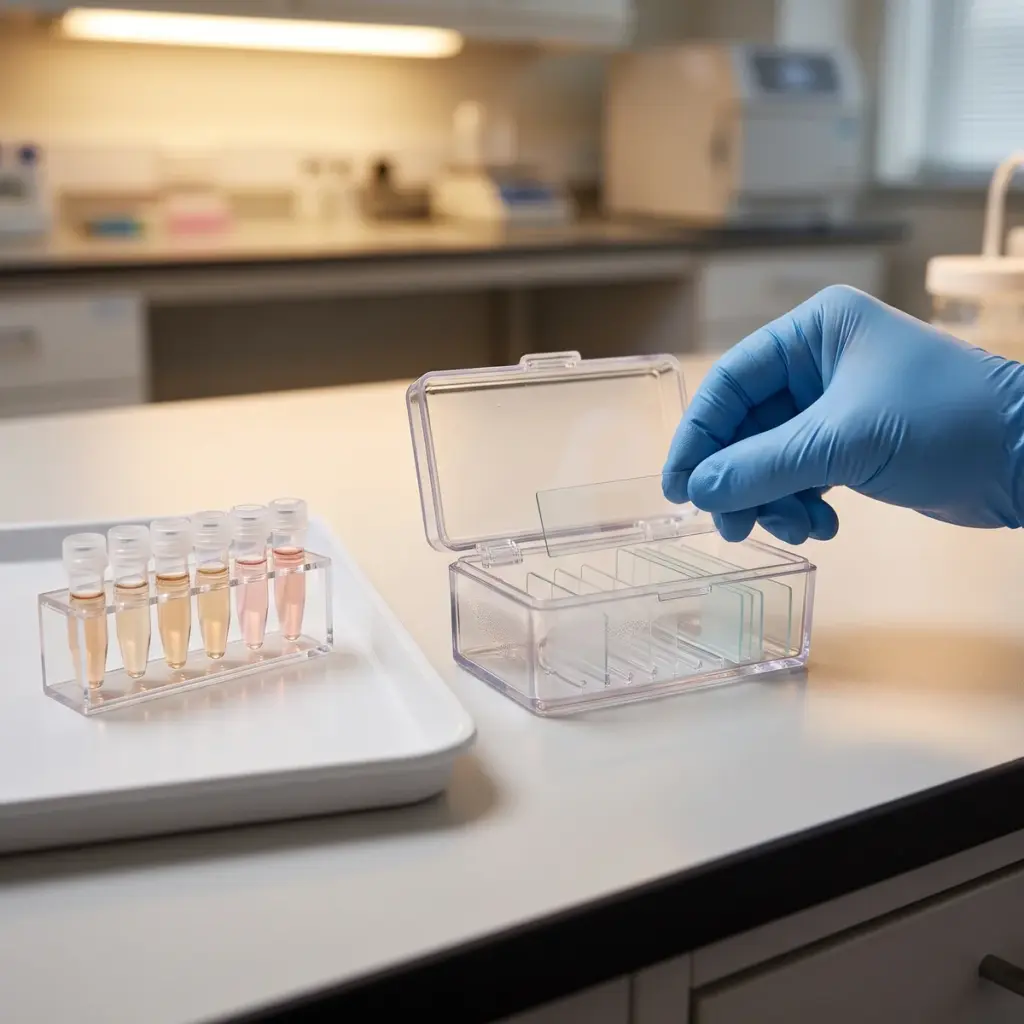
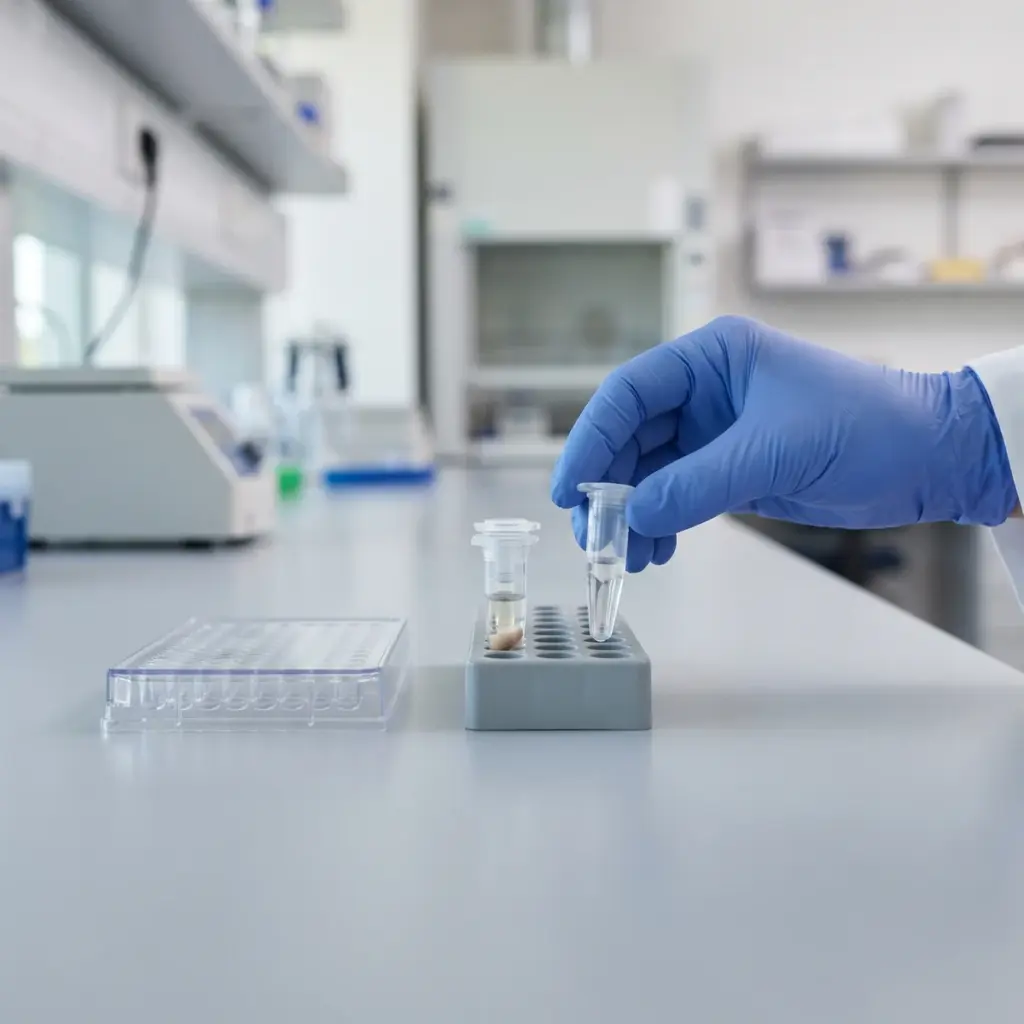
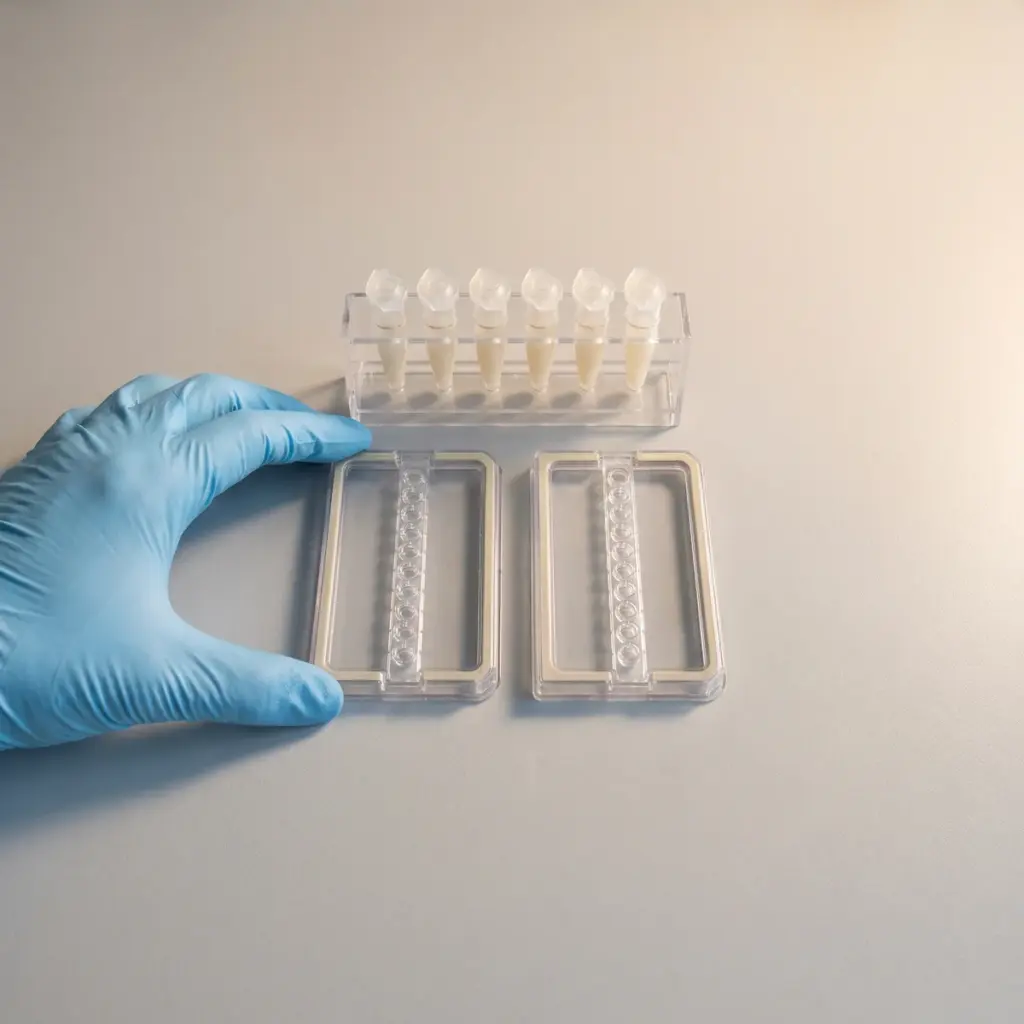
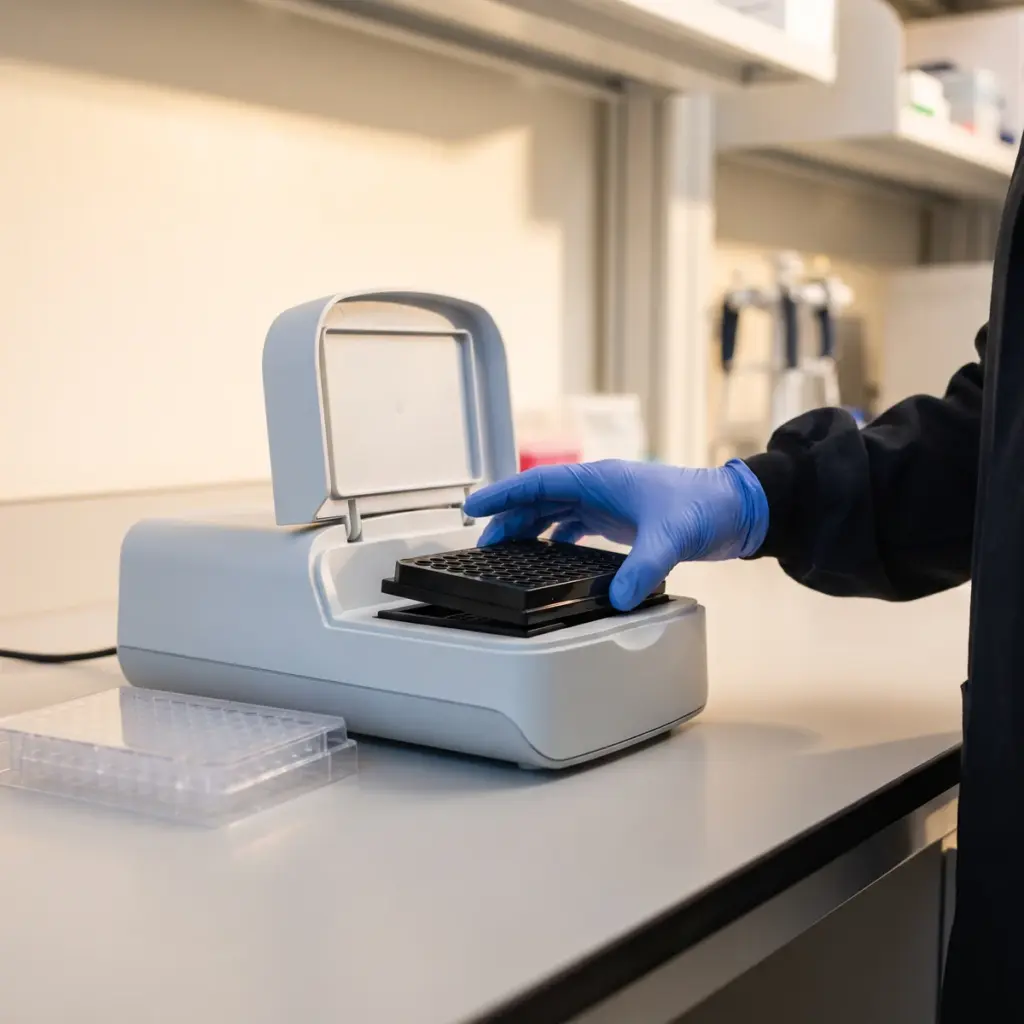
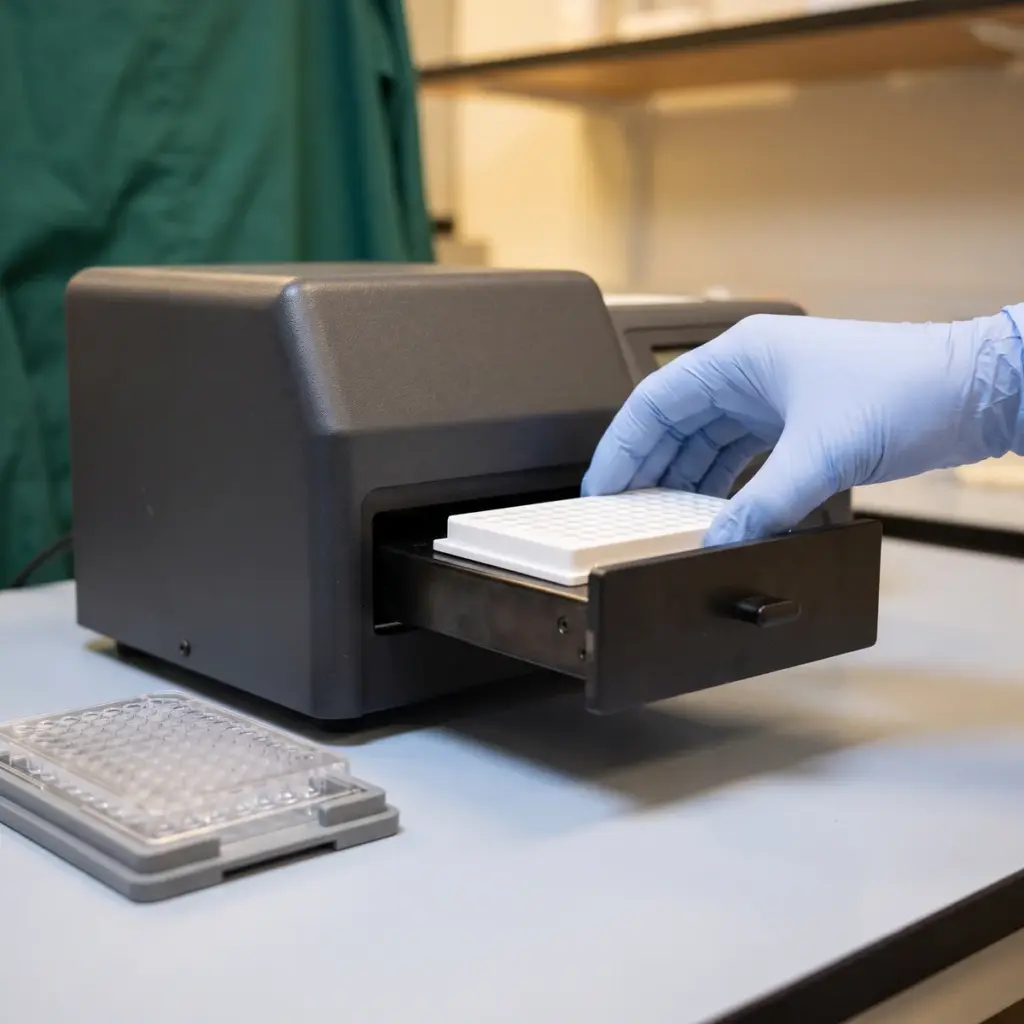
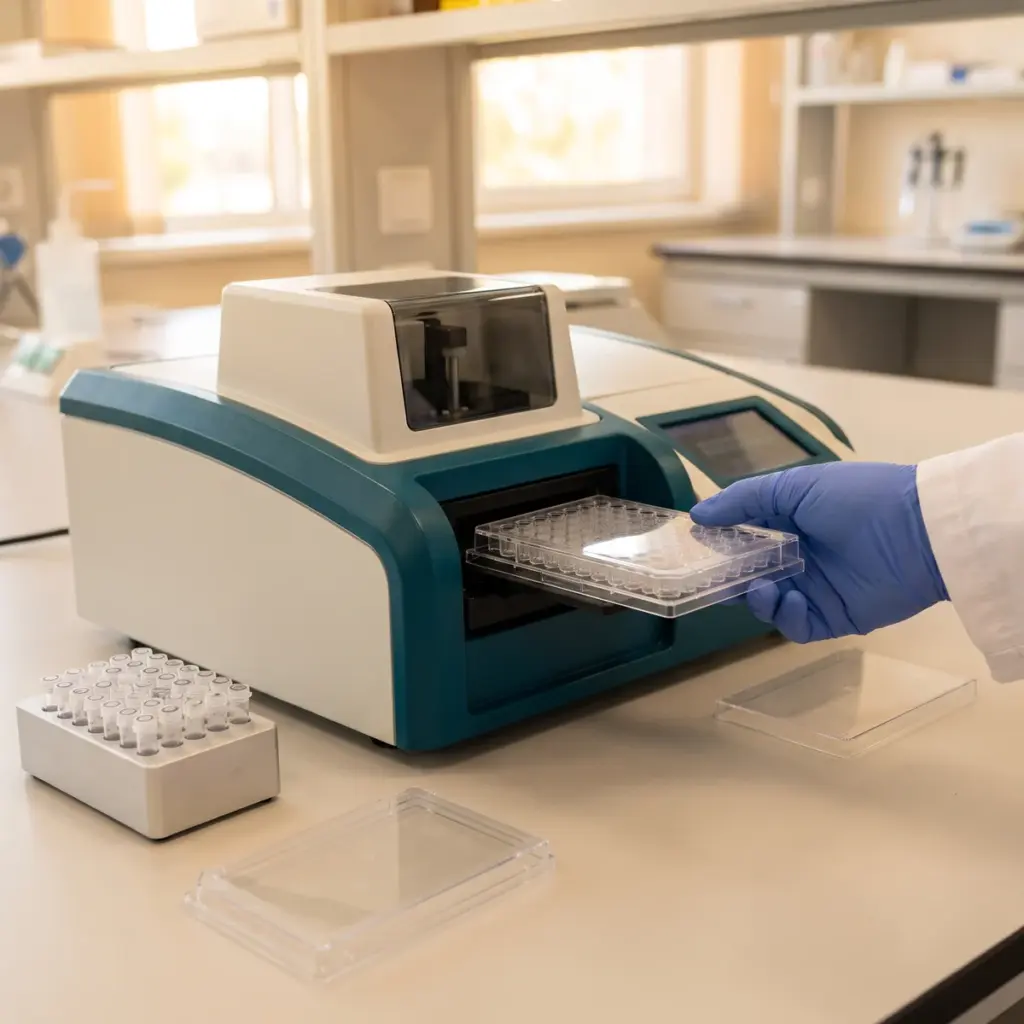
The purified enzyme is incubated with its substrate and a series of test-ingredient concentrations, and residual activity is read by a colorimetric, fluorescent or immunoassay method. When the curve allows it, the laboratory calculates an IC50. Running the same series on COX-1 gives a selectivity ratio. Human recombinant enzymes are widely used, because they give consistent activity from batch to batch.
- Reference inhibitors and vehicle controls
- Sample blanks for coloured, fluorescent or reactive extracts
- Enzyme kinetics when you need the inhibition mode
Cellular confirmation
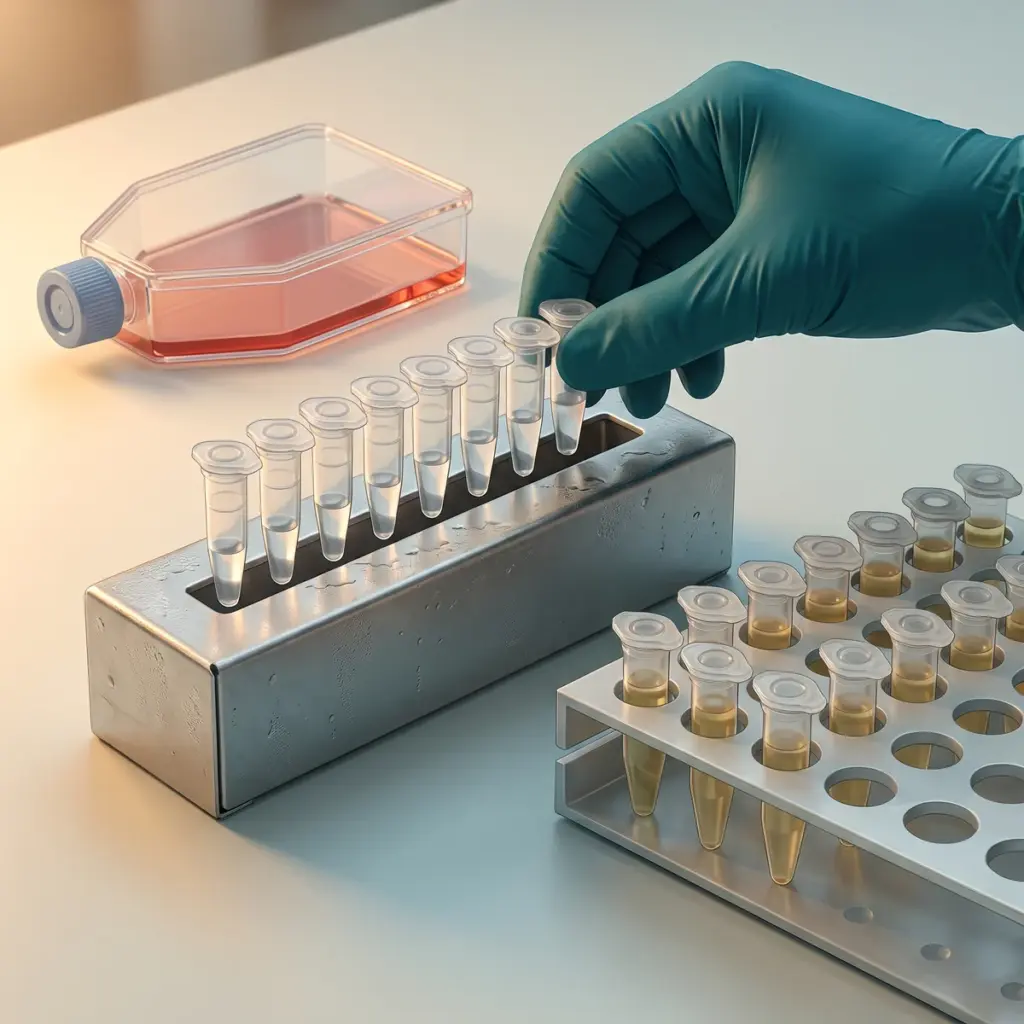
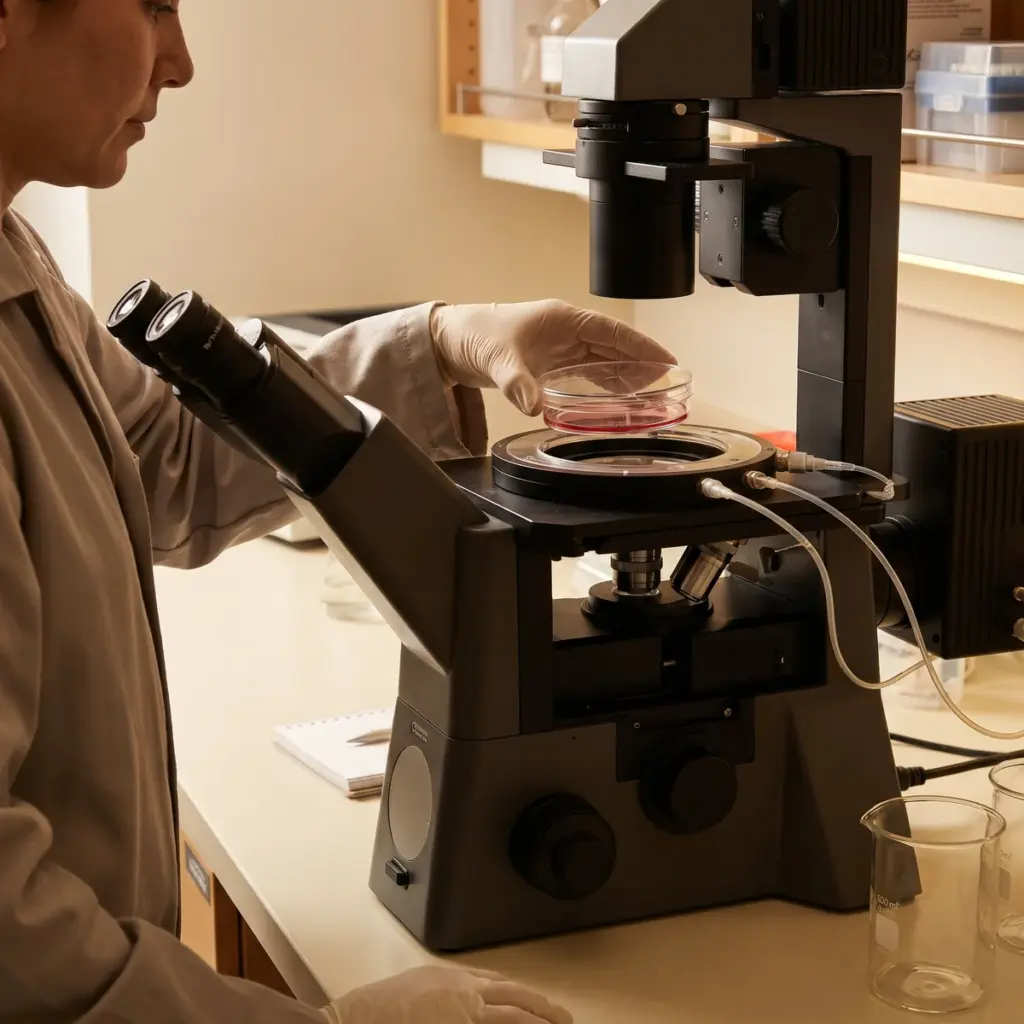
Stimulated keratinocytes or other cells then show whether the active lowers COX-2 expression, prostaglandin E2 release, or both, alongside viability. Inducing COX-2 first with a cytokine, lipopolysaccharide or UV gives a clear window between stimulated and resting cells. The prostaglandin synthesis regulation study extends that output side to other prostaglandins. You receive activity curves, IC50 and selectivity figures, cell data and an interpretation of where in the pathway the active acts.
Getting value from COX-2 inhibition testing
COX-2 work is usually the first lipid-mediator study a soothing active goes through, because the enzyme assay is well established and widely available.
Screening extracts
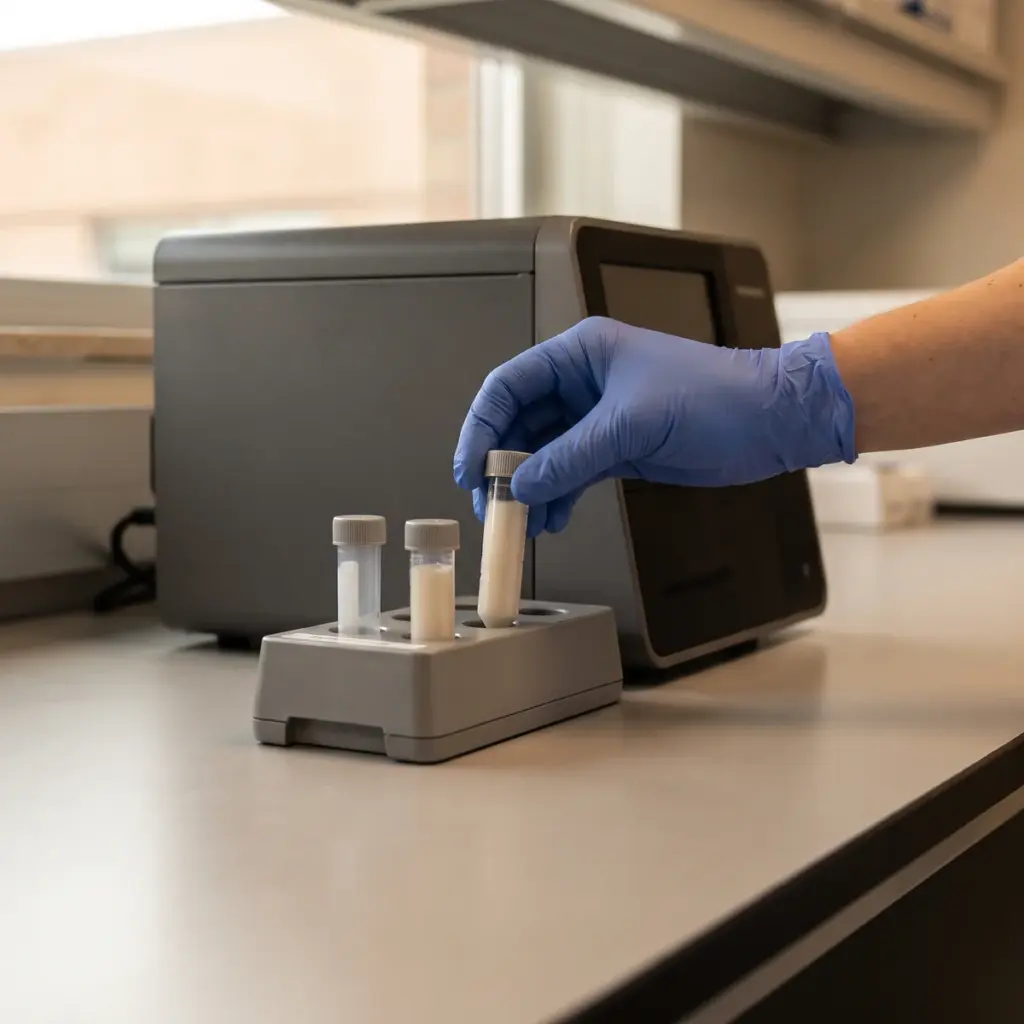
The isolated-enzyme format is quick and needs little material, which makes it a good first pass across several extracts or fractions. Rank by IC50, then move the strongest two or three into cell work. Coloured plant extracts can disturb optical readouts, so send a sample of the extract alone for a blank.
Reading enzyme and cell results together
An enzyme result shows direct inhibition. A cell result shows whether that inhibition survives uptake, metabolism and the cell’s own regulation. When the two agree, you have a strong mechanism statement. When only the cell result moves, the active may act upstream, and NF-κB pathway inhibition testing can test that idea.
COX-2 source and COX-1 parallel testing to ask about
Ask which COX-2 source it uses, how it validates the assay with a reference inhibitor and whether COX-1 runs in parallel under matched conditions.
More in Inflammation & Skin Immunity
Inflammation & Skin Immunity studies measure how an ingredient changes cytokine, neurogenic and innate defence responses in skin cells and tissue models.