Microbial Contamination Screening overview
Do you provide Microbial Contamination Screening?
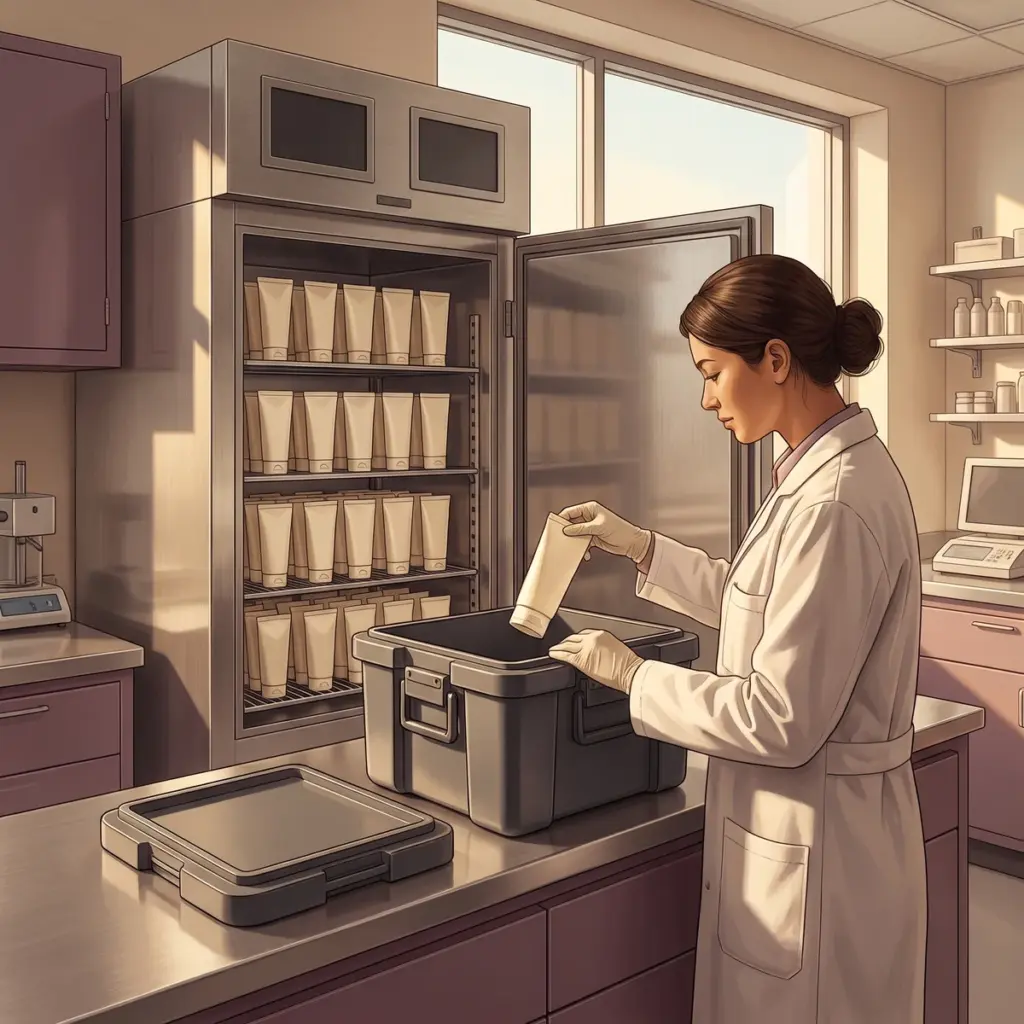
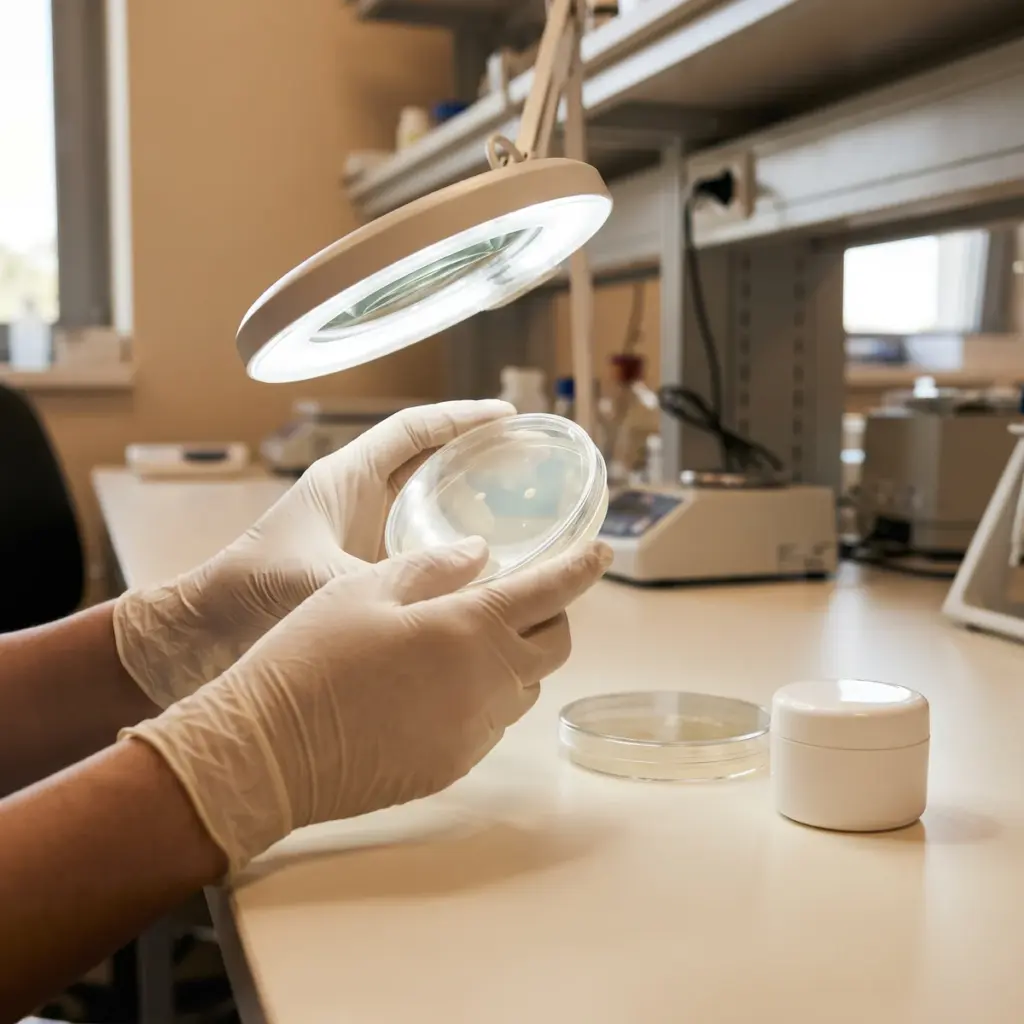
How microbial contamination screening of cosmetics is performed
Screening tells you how many microorganisms a sample carries and whether any specified organisms are present. The test panel is set by the specification, which in turn reflects the product type and its users. Products for the eye area, for mucous membranes or for young children usually carry tighter limits than general leave-on or rinse-off products.
Counts and specified organisms
The cosmetic microbiology methods in the ISO series cover each part of the panel. ISO 21149 covers counting of aerobic mesophilic bacteria, and ISO 16212 covers yeasts and moulds. Detection of specified organisms follows ISO 22718 for Staphylococcus aureus, ISO 22717 for Pseudomonas aeruginosa, ISO 21150 for Escherichia coli and ISO 18416 for Candida albicans. ISO 17516 sets out microbiological limits that many brands adopt as their acceptance criteria. Laboratories testing to pharmacopoeial specifications use USP chapter 61 for enumeration and chapter 62 for specified organisms.
Neutralising the preservative
A preserved product can kill organisms in the test plate and give a false clean result. Before routine testing, the laboratory runs a method suitability check: it adds known organisms to the product, applies dilution, chemical neutralisers or membrane filtration, and confirms they are recovered. That validated procedure is then used for every batch of the same formula.
The test report
Each report lists the sample and batch, methods used, quantity tested, counts in colony-forming units per gram or millilitre, presence or absence of each specified organism, detection limits and a pass or fail statement against your specification. When a count is high, the laboratory can identify the organisms present to help trace their source.
Putting microbial contamination screening into your quality system
Screening earns its place as a routine release test and as the first tool in any contamination investigation.
Batch release and raw-material control
Most brands test every production batch before release, and many also test water and high-risk raw materials such as natural extracts, clays and powders on receipt. Fixing the sampling plan, the specification and the methods in your quality documents means every batch is judged the same way. If you work with a contract manufacturer, agree who tests, which laboratory is used and who holds the results for the product information file.
Investigating a contamination problem
When a complaint or an out-of-specification result arrives, screening becomes an investigation tool. Retained samples, raw materials, water points and swabs from filling equipment are tested together, and identification of the organism links the product to its source. Once the cause is fixed, a preservation system efficacy assessment shows whether the formula also needs stronger protection.
Choosing a microbiology laboratory
Check that the laboratory is accredited for the specific ISO cosmetic methods you need, and that it has run method suitability on formulas like yours. Ask about reporting time for batch release, since production schedules often depend on it. Laboratories that also offer preservative challenge testing can use the same neutralisation work for both services.
More in Microbiological Testing
Microbiological testing checks cosmetics for contamination and proves the preservative system controls bacteria, yeast and mould during use.