Body Skin Firming Testing overview
Do you provide Body Skin Firming Testing?
Measuring body skin firmness in a volunteer study
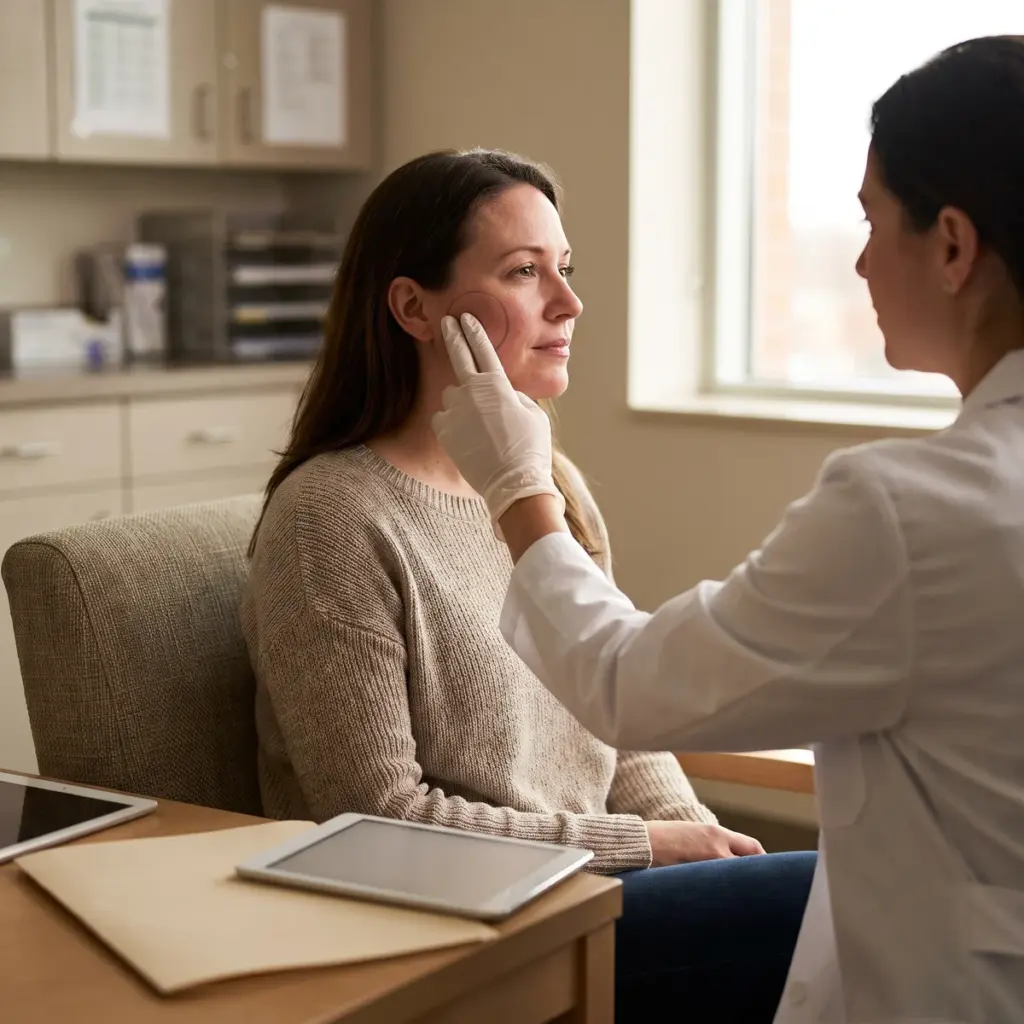
Body skin is thicker than facial skin and its firmness varies by site, posture and hydration. Studies fix the exact measurement point, often marked with a template from anatomical landmarks, and keep volunteers in the same position at every visit.
Suction cutometry on body sites
The cutometer draws skin into a probe aperture under set negative pressure, holds it, then releases it. The curve gives R0, the maximum deformation used as a firmness measure, and ratios such as R2 and R5 that describe elasticity and elastic recovery. Lower R0 after product use indicates firmer skin. Several readings are averaged at each site.
Ultrasound and photography
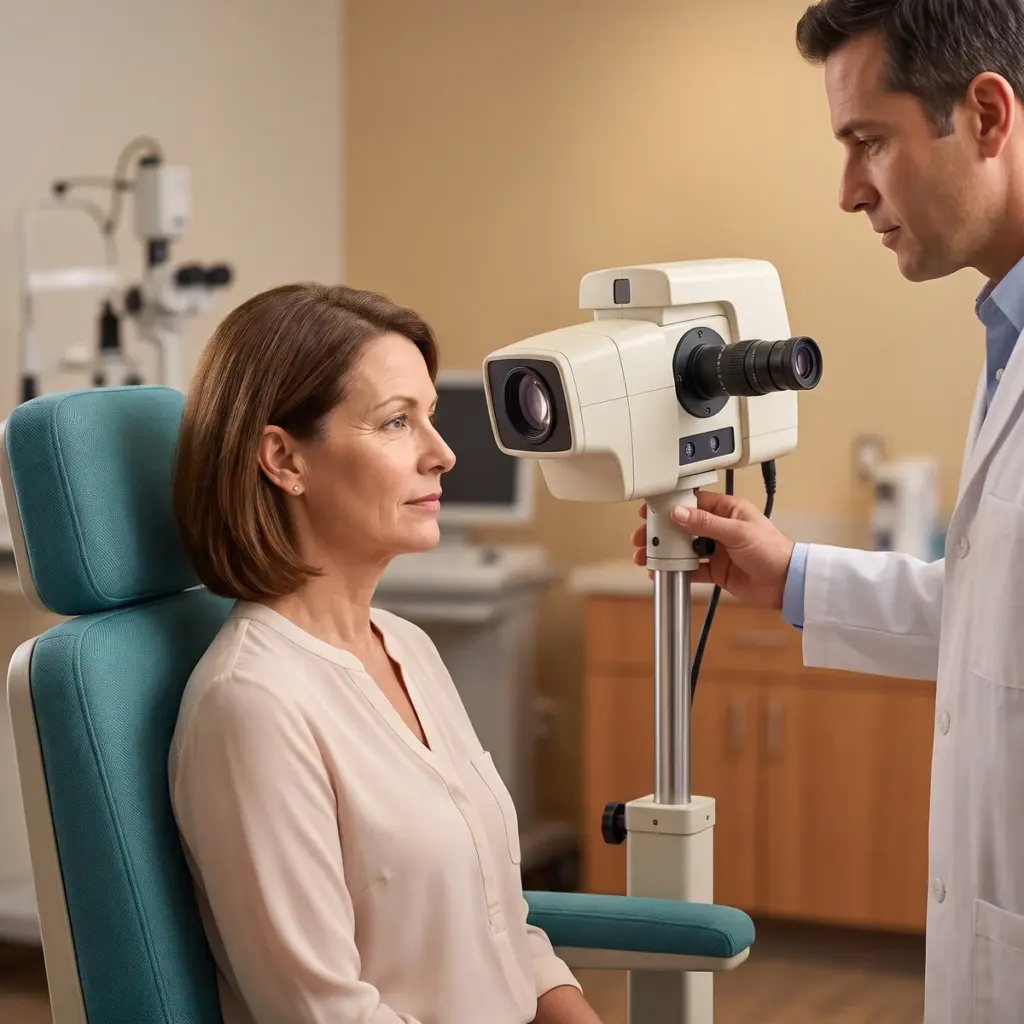
High-frequency ultrasound images the dermis and measures its thickness and echogenicity, a reading of dermal density. Standardised photographs of the thigh or arm, taken in a fixed pose under constant lighting, document visible change and can be graded by an expert panel. A pinch or tactile test by trained assessors gives a further firmness score.
Study designs for body products
Volunteers apply the product to one thigh or arm and a placebo or nothing to the other, or a parallel group uses a vehicle. Massage instructions are fixed, since vigorous application alone can change how skin feels.
Cutometer, ultrasound and perception results per site
You receive a report with cutometer parameters per site and visit, ultrasound data, graded photographs and volunteer perception results, each analysed against baseline and the control side.
When to use Body Skin Firming Testing
Measured firmness data gives a body lotion or oil claims you can print on pack and use in retail listings.
Claims each measurement supports
Cutometer R0 backs “firmer skin” and the elasticity ratios back “more elastic skin”. Ultrasound density supports a denser-looking skin statement. Graded photographs support “visibly toned” wording, and the questionnaire supports how skin feels. Firmness data stands on its own. If you also want to claim smoother orange-peel appearance or reduced circumference, plan those as separate endpoints with their own methods.
Body sites, weight range and probe relocation
Choose the body sites your marketing shows, since a thigh result supports a thigh claim. Decide whether volunteers should be in a stable weight range, because weight change alters skin tension. Ask the provider how many readings it averages per site and how it relocates the probe at each visit. For mechanism data on the actives in your formula, ECM and skin ageing assays show their effect on collagen and elastin in skin models.
More in Skin Ageing Testing
Skin ageing, wrinkle and firmness efficacy testing measures lines, elasticity and texture on volunteers, and collagen and elastin activity in the lab.