Hair Product Performance Testing overview
Do you provide Hair Product Performance Testing?
How hair product performance testing measures results
Most programmes combine two settings. Tress work isolates the product effect under fixed conditions, and volunteer work shows the result on the people who will buy it.
Instrumental tests on hair tresses
Tresses of virgin or bleached hair are washed and treated to a set protocol, then measured against untreated or placebo-treated tresses. Typical measurements:
- Wet and dry combing force
- Tensile strength and breakage under repeated grooming
- Shine and lustre by optical measurement
- Frizz and volume by image analysis
- Curl retention after time in high humidity
Half-head and in-use studies on volunteers
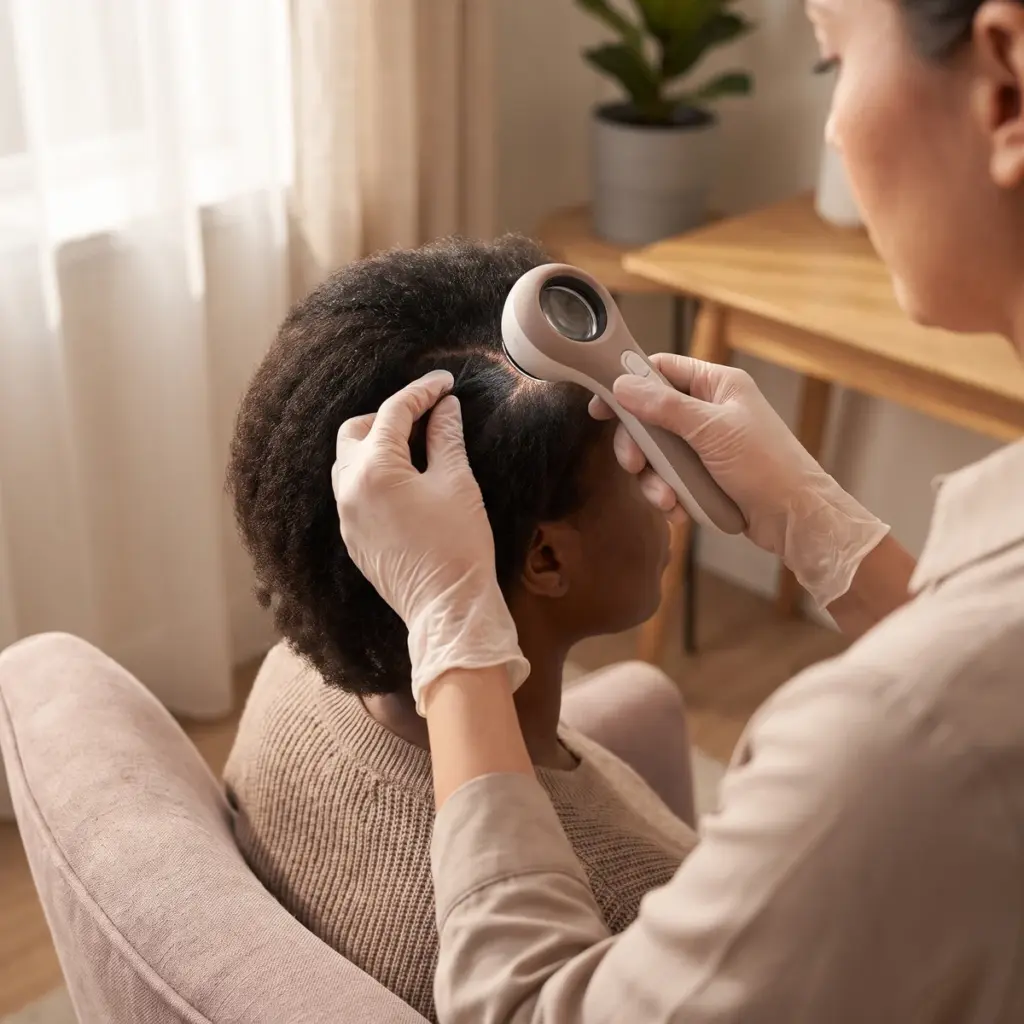
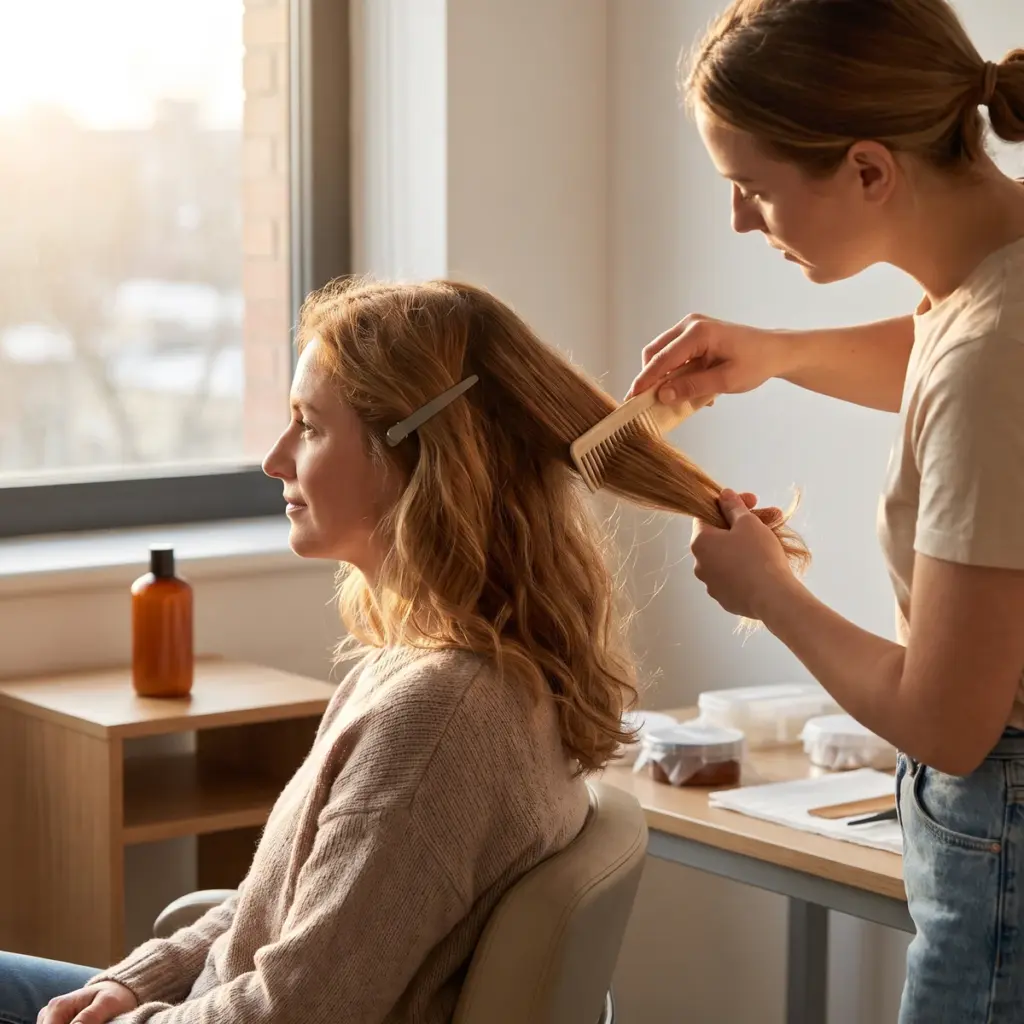
In a half-head design a trained hairdresser applies the test product to one side and the reference to the other, then grades detangling, softness, shine and manageability side by side. Home-use studies give participants the product for several weeks, with standardised photography and trichoscopy at each visit and questionnaires on how the hair looks and feels. Recruitment follows the target hair type, for example coloured, curly or fine hair.
Hair performance study report
The final report gives the protocol, panel description, raw and summarised data, statistical comparison with the reference and photographs. Each result is tied to the wording it can support, so your marketing and regulatory teams can see which claim rests on instrument data and which on user perception.
Using Hair Product Performance Testing for claims and launches
Brands usually run this testing on the final formula, once the fragrance and packaging are fixed, so the data matches what goes on sale.
Claims the data can carry
Combing force data supports detangling claims. Breakage counts after repeated brushing support statements such as “up to X% less breakage”, where X is the figure your study measured. Expert half-head grading backs sensory claims on softness and shine, and consumer questionnaires carry perception claims such as “hair feels smoother”. For claims about flakes or an oily scalp, pair the hair work with scalp care efficacy testing.
Writing the quote request
List each claim you want to make, the product format and the dose per use. State the comparator: untreated hair, your previous formula or a competitor. Specify the hair type, whether tresses should be pre-damaged by bleaching or heat, and whether you need a single-use effect, a cumulative effect after several washes, or both.
What sets hair testing labs apart
Look for a lab that sources hair of consistent origin, controls temperature and humidity during tress measurements, and has hairdressers trained to a written grading scale. If your brand story relies on an ingredient mechanism, a lab that can also run matrix protein protection tests on the same hair saves a second supplier.
More in Hair Scalp Testing
Hair product performance and scalp efficacy testing measures shine, strength, combability and scalp condition, with lab work on follicles and fibre.