Proteases inhibition overview
Do you provide Proteases inhibition?
How proteases inhibition assays are run
Serine proteases of the kallikrein family process corneodesmosomes and activate other enzymes in the epidermis. KLK5 sits at the head of this cascade and activates KLK7 and KLK14. Testing measures how a material changes their activity under conditions you define with the laboratory.
Biochemical screening on purified enzymes
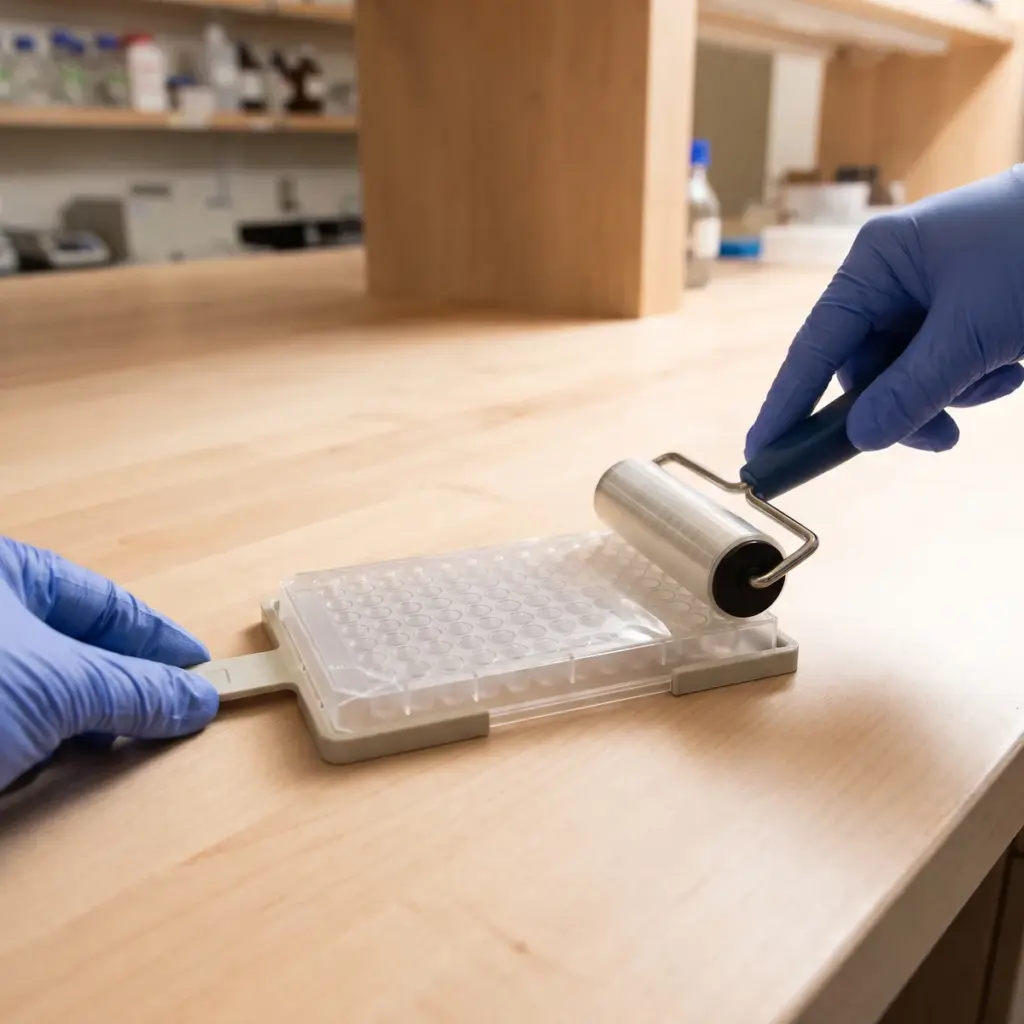
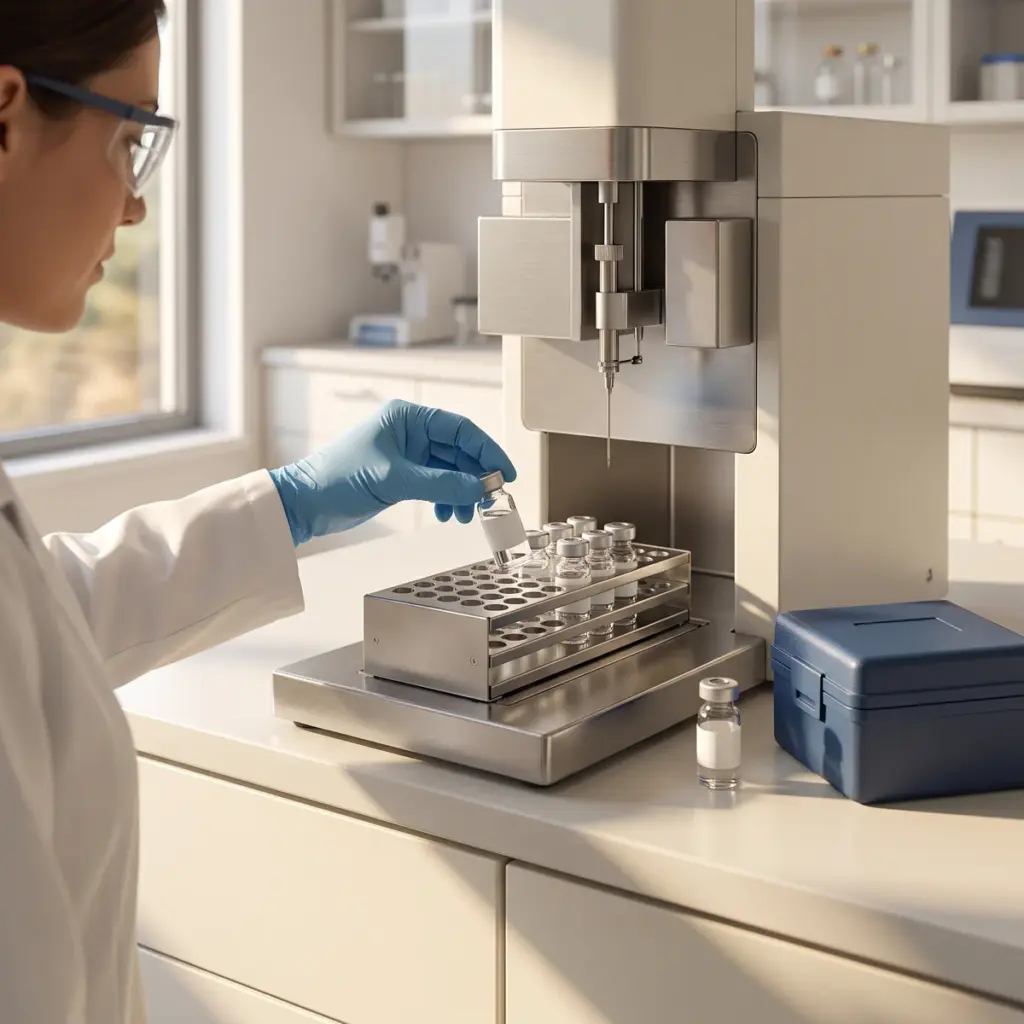
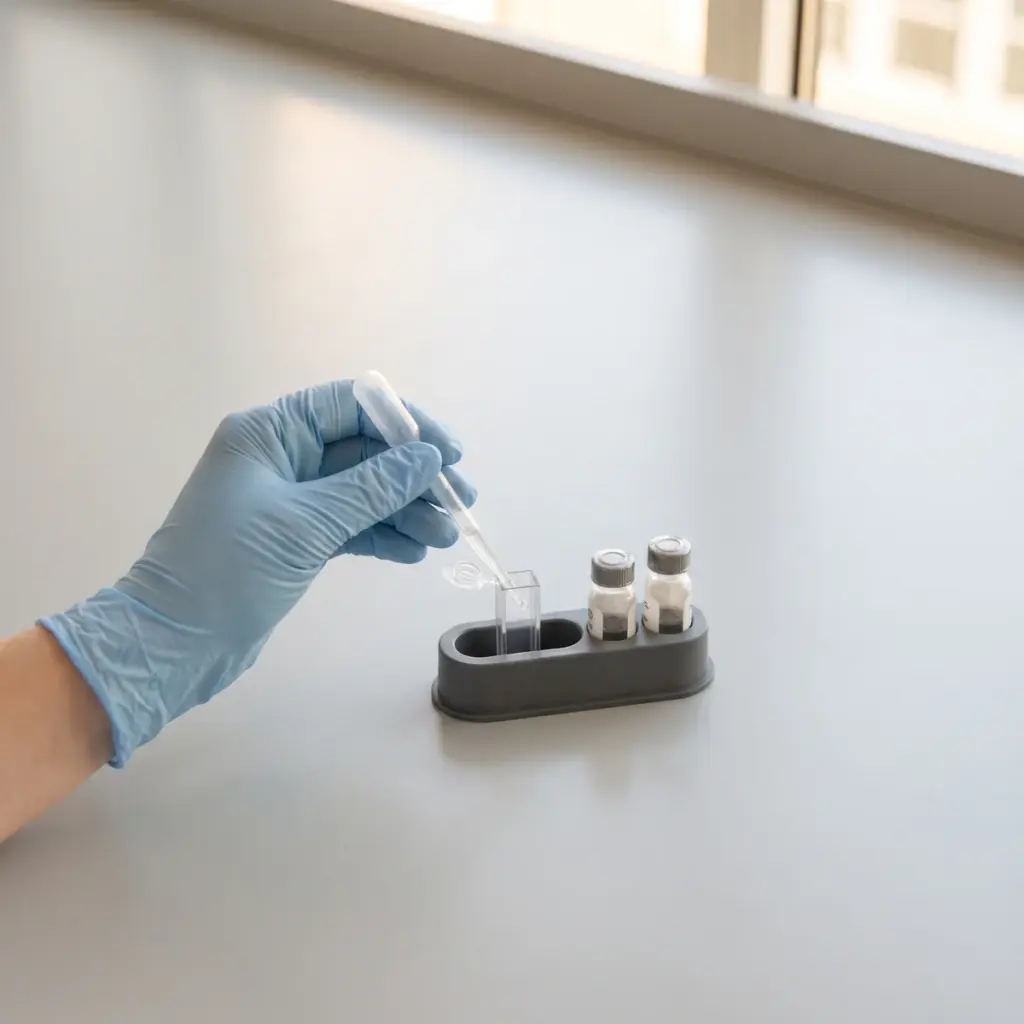
Each enzyme is mixed with buffer, test material and a peptide substrate that releases a fluorescent or coloured product when cleaved. A plate reader follows the reaction over time. Assays run at pH values relevant to the mildly acidic stratum corneum, and the laboratory screens the test material for fluorescence quenching and absorbance at the detection wavelength.
- Percent inhibition at each concentration
- IC50 from a concentration-response curve
- Reference inhibitor and vehicle controls
- Interference and solubility checks
Cathepsins and additional targets
Cathepsin D and other epidermal cathepsins take part in late corneodesmosome processing and can join the panel. Matrix metalloproteinase panels belong to dermal ageing work and are quoted as a separate study.
Confirmation in skin models
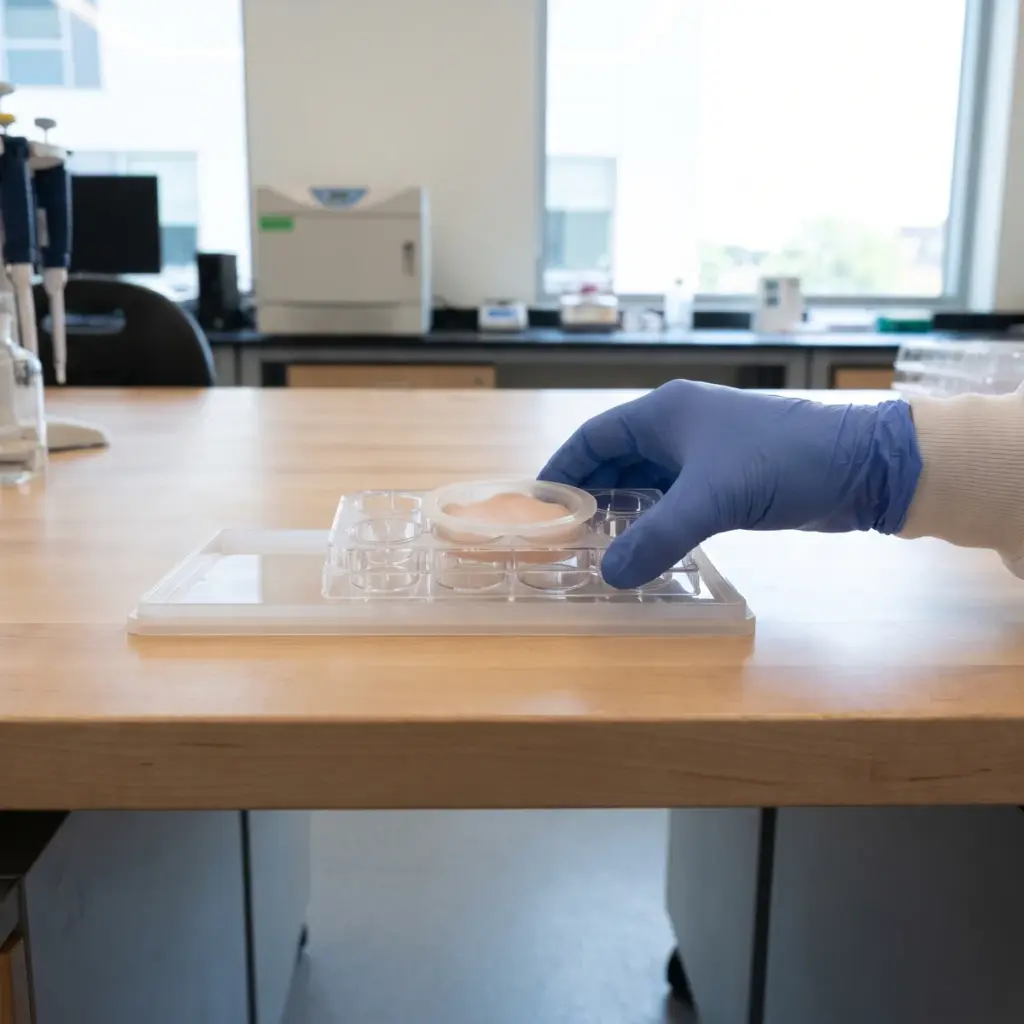
Active candidates then move into reconstructed epidermis or ex vivo skin. The laboratory measures protease activity in tissue extracts and follows corneodesmosin breakdown alongside tissue viability. The corneodesmosome regulation endpoints are the usual next step when you need tissue-level evidence.
IC50 curves and raw plate readings per enzyme
The report plots inhibition against concentration for each enzyme and gives the fitted IC50 with its confidence interval. Raw plate readings are attached, and the methods section records the substrate, enzyme source and buffer used.
Planning a proteases inhibition study
Three decisions shape the quote: which enzymes go on the panel, what the laboratory needs from you, and how the IC50 will be read against your use level.
Selecting target enzymes
Match the enzyme panel to your positioning. KLK5 and KLK7 cover desquamation and barrier products. Products for reactive skin often put KLK5 first, since it starts the cascade. A broad panel with cathepsins suits ingredient suppliers who want one dataset for several market claims.
Test material, solvent and use level to supply
Provide the test material with its solvent, solubility limits and colour, since coloured extracts can interfere with absorbance readouts. Give the concentration you expect to use in the finished product so the curve covers it. Name a benchmark inhibitor if you want a head-to-head comparison with a known ingredient class.
Reading the results for a barrier product
A low IC50 tells you the ingredient engages the target. For barrier care, the aim is moderated activity, so look at the dose that brings activity down partway and compare it with your planned use level. Skin-model data then show whether shedding stays orderly at that dose, and epidermal cohesion measurements show how the outer layers hold together.
More in Barrier & Hydration Mechanisms
Barrier & Hydration Mechanisms studies show how an ingredient acts on epidermal lipids, barrier proteins and water-handling pathways in skin models.