Hydration efficacy testing overview
Do you provide Hydration efficacy testing?
Hydration efficacy testing: the mechanisms behind skin moisture
Skin moisture depends on three things working together: molecules that bind water, channels that move water and glycerol between cells, and a lipid barrier that slows evaporation. A mechanism study picks the endpoints that match how your ingredient is expected to act, then runs them in the same skin model so the results can be read together.
Water transport and water-binding endpoints
Aquaporin expression testing follows AQP3, the keratinocyte channel that carries both water and glycerol. Hyaluronic acid quantification shows changes in a major water-binding matrix molecule. NMF analysis measures free amino acids, pyrrolidone carboxylic acid and related humectants formed in the upper epidermis, largely from filaggrin breakdown.
Barrier lipids and epidermal integrity
Ceramide synthesis assays and lipid organisation studies show whether the barrier that holds water in is being built and ordered. Cohesion and differentiation markers complete the picture of a healthy outer epidermis that can retain moisture.
Vehicle controls, dose range and RT-qPCR readouts
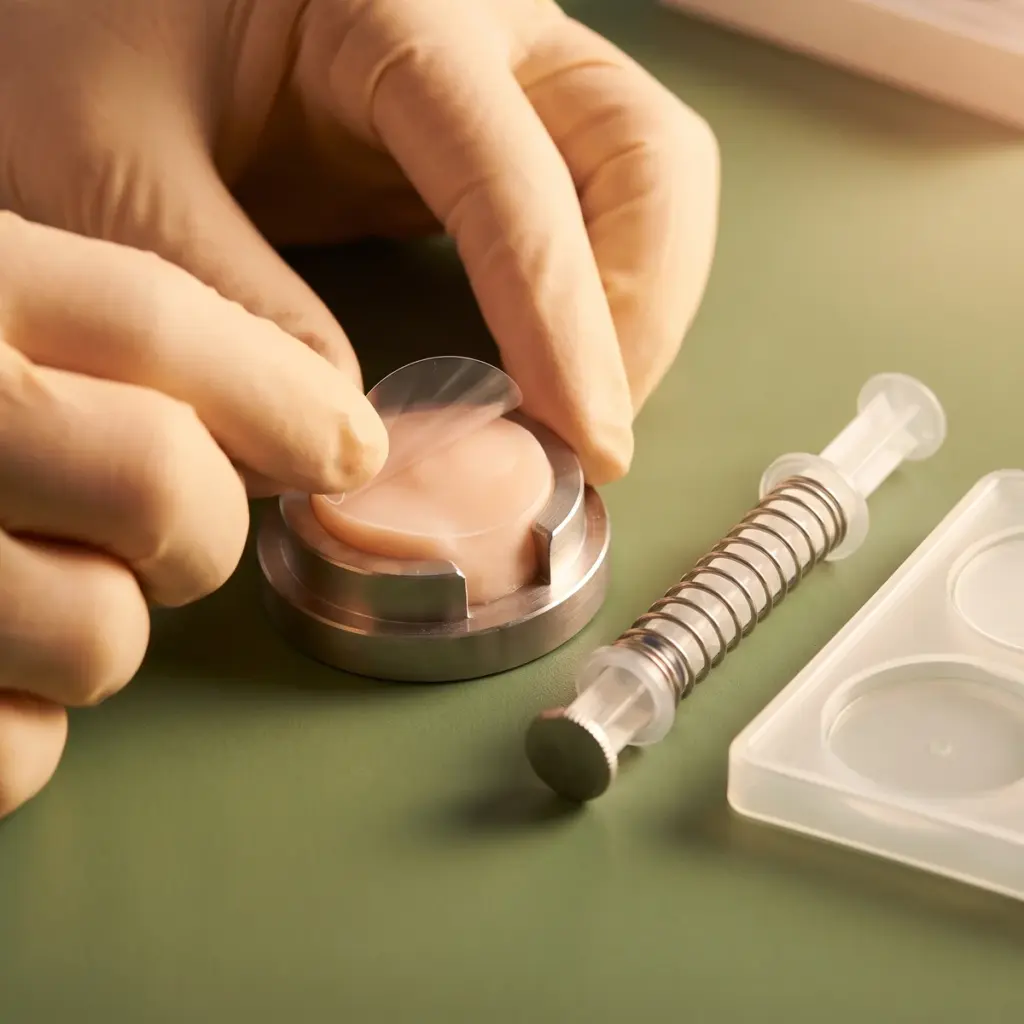
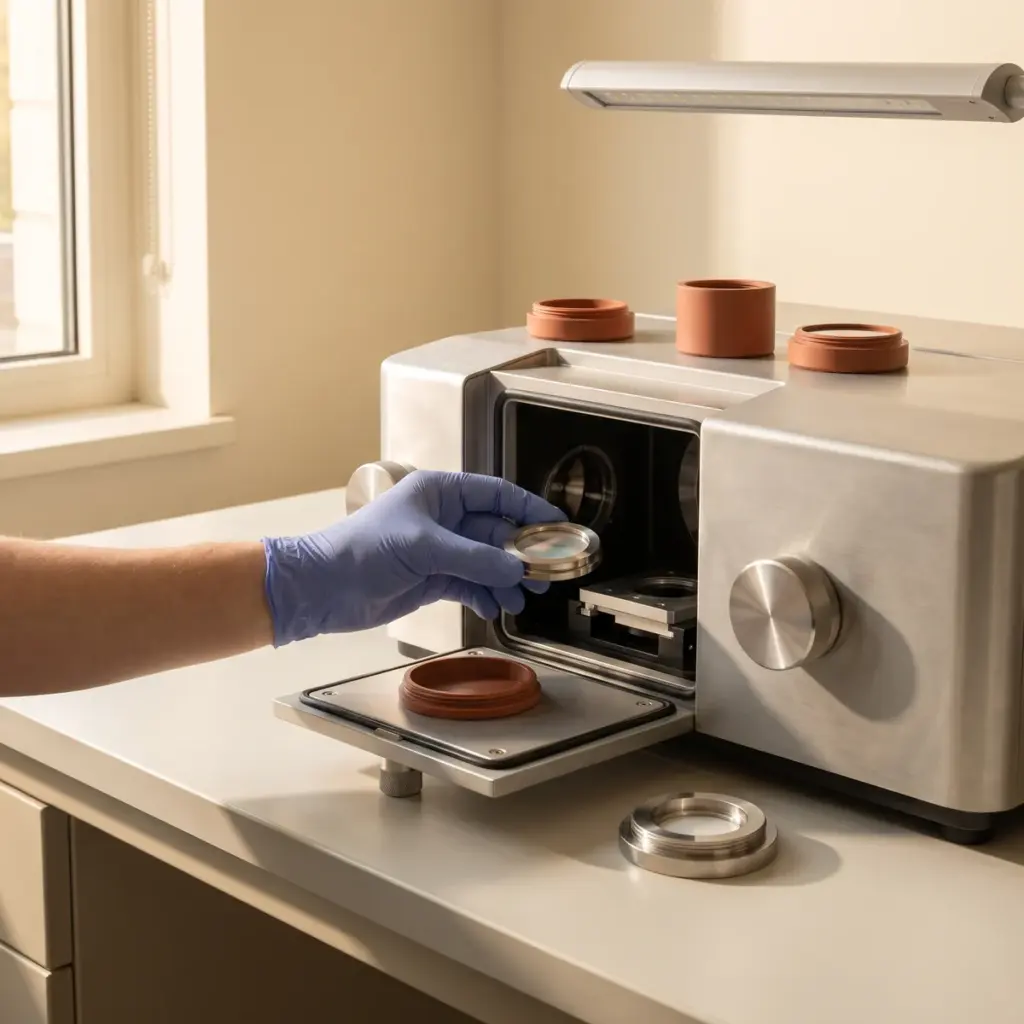
Treated tissue is compared with untreated and vehicle controls, usually over a concentration range and more than one time point. Gene expression by RT-qPCR, protein assays and chromatography give the molecular data. Viability testing runs on every model. Where the formula itself contains hyaluronic acid or amino acids, the laboratory adds controls that separate newly produced material from material supplied by the product.
Endpoint data and mechanism summary for your technical file
You receive endpoint data by treatment group, statistics against the vehicle control, a mechanism summary linking the endpoints and the full method description for your technical file.
Building a hydration claim with mechanism data
Mechanism studies sit early in a moisturiser programme, before formula lock and before the clinical panel is booked.
Matching endpoints to the ingredient
Start from what your active is meant to do. A glycerol-related or osmolyte ingredient points to aquaporin work. A peptide or botanical said to boost the skin’s own humectants points to NMF and filaggrin endpoints. A lipid-rich complex calls for ceramide and lipid organisation studies. A focused panel of two or three endpoints gives clearer data than a long list of markers chosen by habit.
From skin model to volunteers
Mechanism data explain how a product works. Consumer-facing moisturising claims about long-lasting hydration come from a clinical study with corneometer and TEWL measurements on volunteers. Brands commonly screen several candidates in the model first, then put only the strongest into the clinical study. Results from skin barrier function efficacy testing can join the file when the claim also concerns the barrier.
Information to include in your brief
Send the INCI composition of the test material, its solubility and the planned use level. Say whether the formula already contains hyaluronic acid, urea, amino acids or ceramides, so the laboratory can design controls for them. State the claim you intend to make, which lets the provider propose the endpoints and model that support it.
More in Barrier & Hydration Mechanisms
Barrier & Hydration Mechanisms studies show how an ingredient acts on epidermal lipids, barrier proteins and water-handling pathways in skin models.